Instant Curry from the Japan Railway Museum

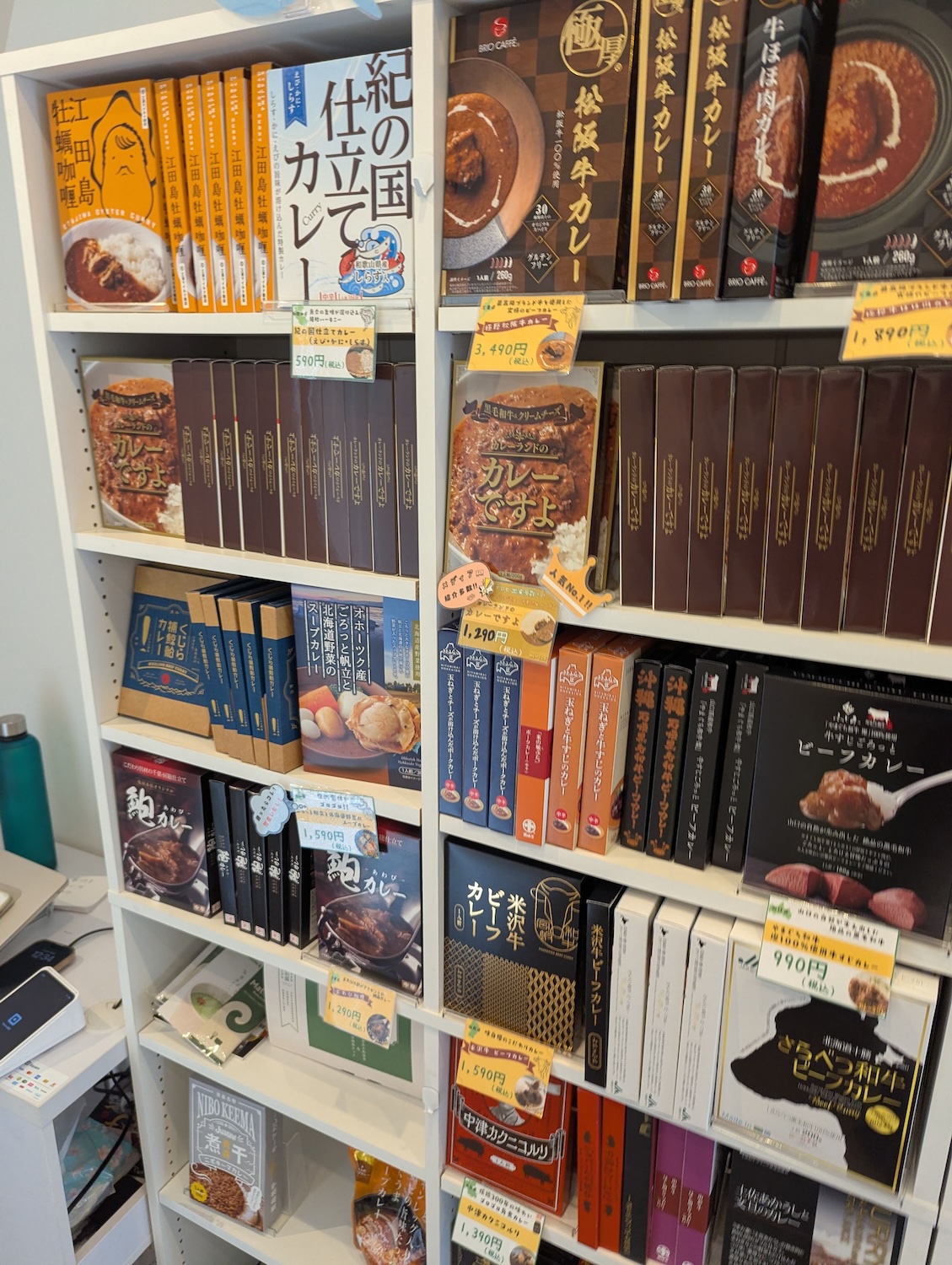
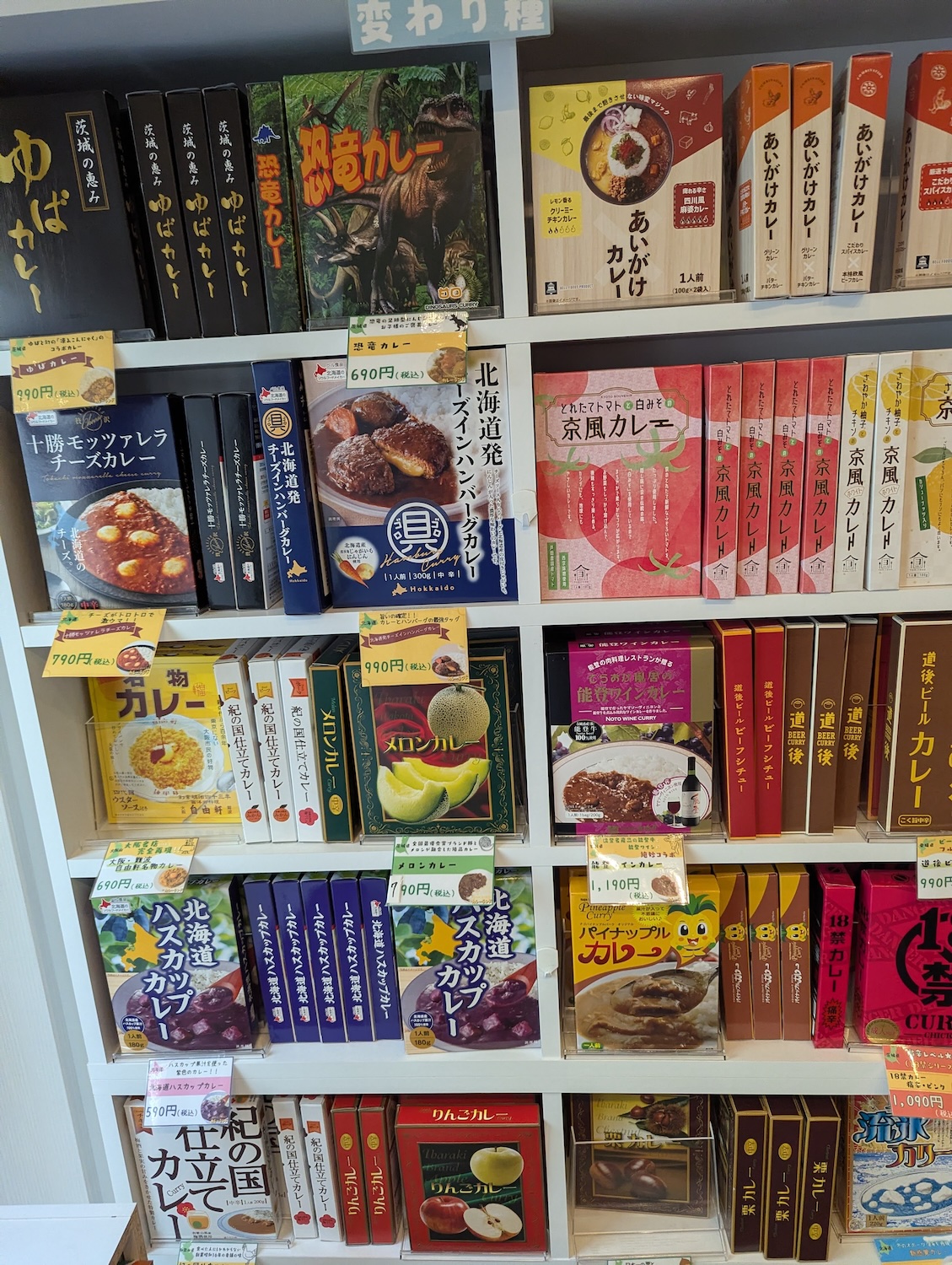
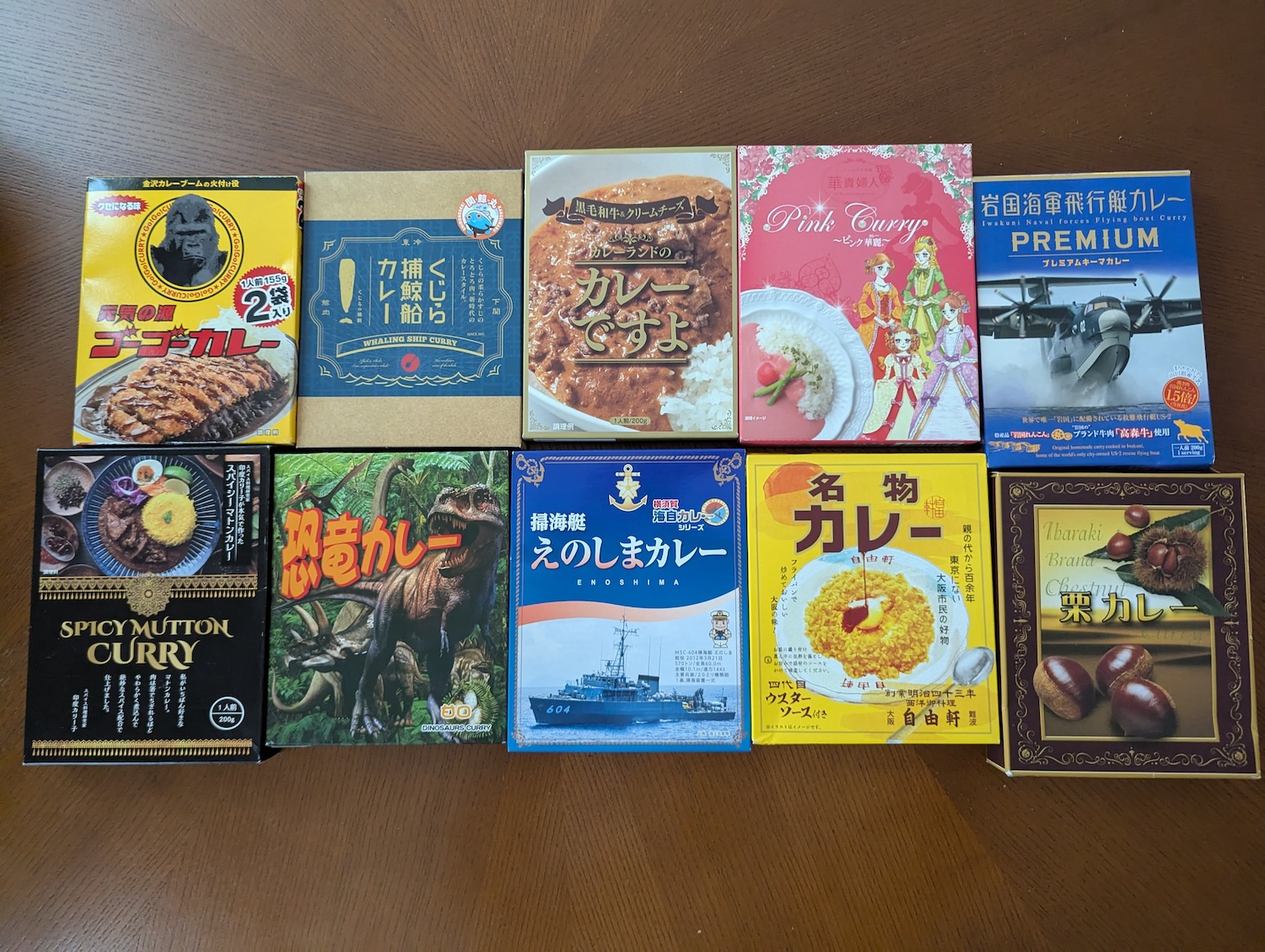
When I visited Japan’s Railway Museum last year, I wasn’t able to eat at the museum itself. However, I did stop by the gift shop, where they were selling two different kinds of instant curry! I brought them home with me, and now I’m here to give my report.

The first item is the Shinkansen Nostalgic Beef Curry, meant to replicate the actual curry served on the Shinkansen for decades before the dish was retired in the 2000s. It’s also something you can order at the aforementioned museum restaurant. 

I was pleased with the flavor—while it’s not the best curry I’ve ever had, it definitely ranks very  high among microwaveable versions. The curry didn’t taste artificial at all, and it even had a surprising kick, especially given that Japanese food tends to shy away from spiciness. 

The second item is the Beef Tongue Tasty Curry, which advertises itself as using 30 different spices.

This one was noticeably less spicy than the Shinkansen Curry, though the key ingredient, the tongue, gave it an interesting depth of flavor. While the package didn’t have a ton of meat in it, the amount was still pretty substantial, and it had visible slices of beef tongue. Once again, I came away satisfied.

(Broccoli not included).

Overall, I think they were fine purchases. I just hope I can go back to the museum and try the real deal someday.

Eating Among the Trains

Continuing my visit to train and train-adjacent locales in Japan, here are my thoughts on two eateries in and around Tokyo: Platinum Fish Cafe and Curry Niagara.

Platinum Fish Cafe

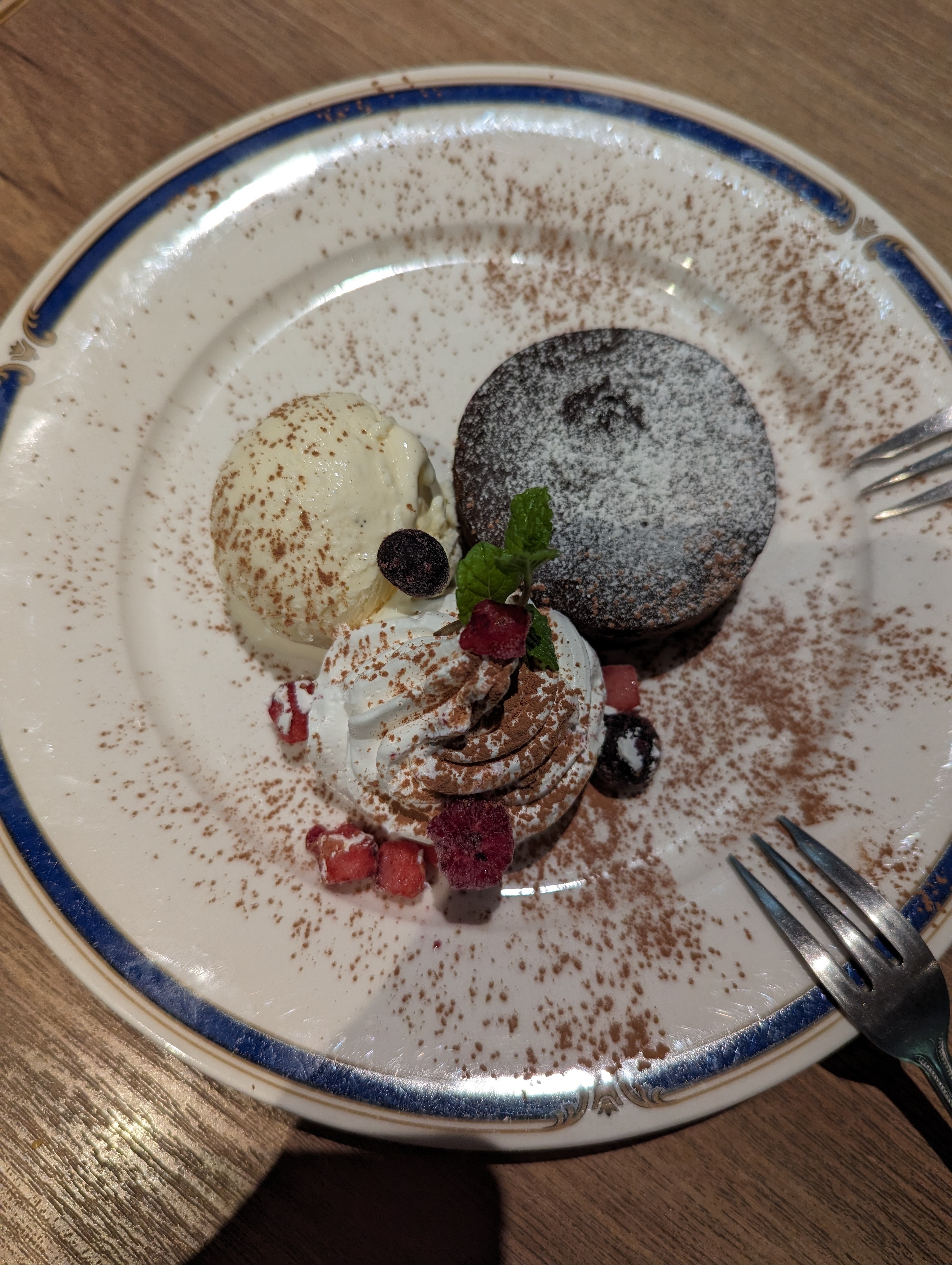
A plate with a small round cake, some vanilla ice cream, and some whipped cream

Located in Chiyoda-ku, Tokyo, Platinum Fish Cafe is actually inside of an old decommissioned train station. It has some standard food options, like curry, pasta, and cakes, but also drinks named after different train lines. I got the Yamanote (the loop that goes through Tokyo, Akihabara, Ikebukuro, and other stops), which was actually double muscat grape flavor. Between this, the Love Live! cafe, and other places, muscat grapes seem to be popular. 

The real appeal of the cafe, however, is the view. Platinum Fish is situated between two train tracks, and you can see them zooming past on both sides pretty regularly. For those coming from NYC or elsewhere in the US, this might sound like torture you inflict on your worst enemies. In Japan, though, the trains are smooth and relatively quiet. It actually makes for a relaxing experience, if you like urban ambience and a nice cityscape.

Curry Station Niagara

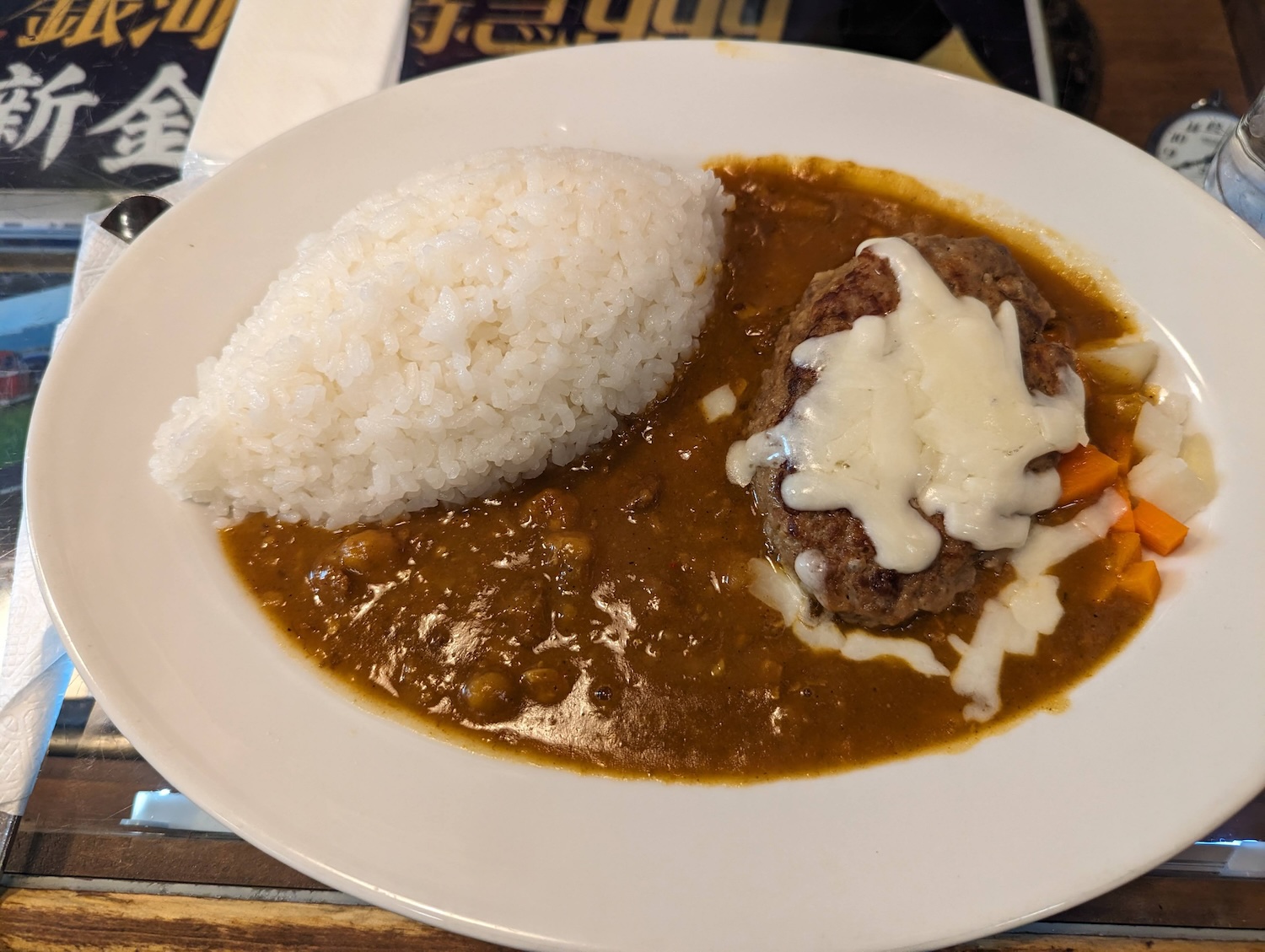
A plate of hamburg curry, with the rice in a football shape, cheese sauce on the hamburg steak, and plenty of curry sauce

This place has been on my bucket list for many years now: a curry restaurant run by a huge train enthusiast. 

The inside is covered wall to wall in rail travel memorabilia and paraphernalia, including some Galaxy Express 999 merch. Right outside the door are a couple gashapon machines with replica train station signs, specifically branded for Curry Station Niagara. Close by is a play area for kids featuring model trains and other toys.

Almost everyone in line was parents accompanying their train-loving little kids, and it was downright adorable. There’s a track not far from the restaurant, and as one passed, I could hear a kid identifying a passing train’s line as “Yokohama navy blue”—the rail system is indeed color-coded. As someone with younger relatives, I could see parallels, and wondered if those relatives would have also become train fans if they lived in Japan.

If you get a seat at the tables, a miniature train delivers your food straight to you. Because the space is very small and there were lots of kids, my group opted to sit at the counter and not deprive the young ones of that experience.

The menu is mostly pretty typical, with different toppings like tonkatsu and such, but there are also a few curve balls: extra spicy options for a premium price, curry spaghetti, and so on. I went with the Hamburg steak curry, which did not disappoint. It had a bit of a kick, but nothing overwhelming. However, one person I was with seemed to have gotten their curry cold by accident. After our meal, we got commemorative replica train tickets.

Overall Thoughts

I love restaurants just run by some person with a passion. This includes Platinum Fish and Niagara, but they’re relatively common in Japan. While making money is important, these places feel like they’re humbly dedicated to a craft or a desire to share something with their customers. I really wish more places like this existed in the US, but with real estate prices and rent being what they are, I sadly don’t see it happening anytime soon. One can hope, though…

I Imported Japanese Curry Because of a VTuber

When a Virtual Youtuber you like is mega popular, it’s not hard to get their merch. But when they’re not in the big leagues, it’s a different story. So when the chance came to support one of the smaller VTubers I follow—by buying instant curry, of all things—I decided to do just that.

Sena Aimi (nickname: Ivy) is the last remaining member of Shiritsu Virtual Joshi Gakuin, a Japanese indie VTuber group. She loves to drink, enjoys Pokémon Unite, and has a strong Kyoto accent. So when food maker launched a collaboration with travel guidebook publisher Rurubu to sell instant curries based on regional styles, they decided to promote it using VTubers across Japan and have Aimi represent Kyoto Japanese dashi curry.

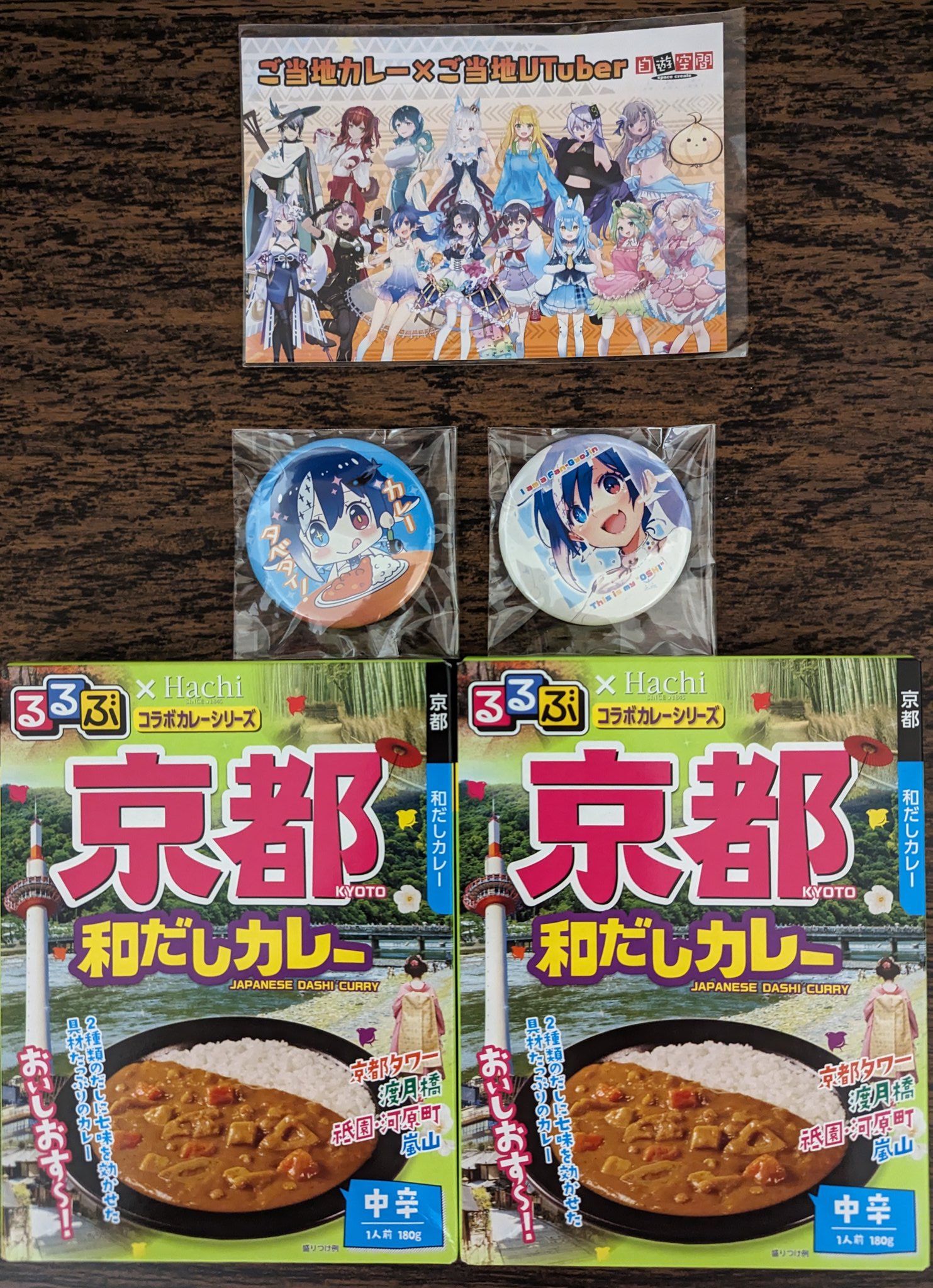
I imported the curry from their promotional website via a third party. The package contained two boxes (one serving each), along with two Aimi-themed buttons. The buttons are nice, though: One has official art of her with the words “I am a Fan-Gyojin” (the name for her supporters), and the other has a drawing by her with the words “I love curry!” As someone who indeed loves curry, this makes me realize that I don’t have enough paraphernalia declaring that fact. This is a start.

In terms of the actual taste, I was pleasantly surprised. I didn’t know what Kyoto curry was like, but if this is a good representation, I’d be eager to try more. It’s got a strong bonito flavor with a bit of a spicy kick (labeled “medium spicy” per tame Japanese standards) that I mostly felt in the aftertaste. Notable ingredients include tofu and lotus root, and according to the ingredients it uses beef and pork extracts. It’s definitely a cut above your typical instant curry of the pouch variety (as opposed to blocks). 

I will not say that I paid a fair price for it because I definitely did not—I had to get it at a time when shipping options were limited. The campaign was also over by the time I received the curry, so this is a bit of a futile review on my end. Even so, the Kyoto Japanese dashi curry is solid, and I would eat it regardless of any virtual spokespeople. Given the opportunity, I probably would have sampled the other regional curries as well (and maybe discover some VTubers along the way).

And at the end of the day, that “I love curry!” button can’t be beat.

In Case You Forgot, I Love Both Anime and Food

I’ve written a blog post on Sailor Moon as my introduction to Japanese food over at the Waku Waku +NYC official blog. If you’re interested in me waxing nostalgic and rambling the way you expect out of Ogiue Maniax, take a look.

Sailor Moon Was My Gateway into Japanese Food

I’ll be a regular contributor to the Waku Waku +NYC blog from now on, so look forward to more posts from there in the future. As always, I will continue to devote myself to Ogiue Maniax as well.

If you’re curious, Waku Waku +NYC is an upcoming Japanese popular culture festival from August 29-30 in Brooklyn, NY. Unlike a lot of anime cons and Japanese events, this one looks to more thoroughly integrate food with Japanese anime, games, fashion, etc. If you’re even half as interested in eating and watching anime as I am, it might be worth your while.

Souther’s Holy Emperor Curry is a Real Thing

souther-curry

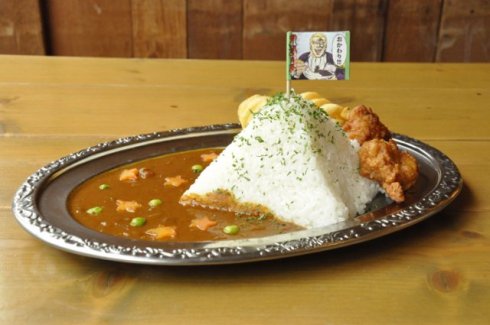
The magazine Comic Zenon has recently announced a special Fist of the North Star-themed curry based on Souther, the strongest of the various practitioners of Nanto Seiken, the Sacred Fist of the Southern Cross. Souther, who uses the “Nanto Houou Ken” or “Southern Cross Phoenix Fist” style, is known for fighting without stances, having his heart on the right side of his body instead of his left, using child slave labor, and riding a three-wheeled motorcycle with a throne on top (sometimes affectionately called a “thronercycle”).

More specifically, the curry is based on the recent parody manga of Fist of the North Star titled Fist of the North Star: Strawberry Flavor. Fist of the North Star is considered one of the most significant, influential, and popular shounen manga series of all time, making it a prime target for parodies both official and otherwise. In this case, Souther is specifically “Supervising Director Souther.”

Fans of Souther and Fist of the North Star will notice that the pyramid shape of the rice is a direct reference to the character. In the original manga, Souther uses his child slaves to build a pyramid in honor of his dead master, which then becomes the site of his and Kenshiro’s final battle.

The curry is available at Cafe Zenon in Tokyo and Kichijouji until January 15th. Other foods include Supervising Director Souther’s Strawberry Sweets and Hyui’s Blue Hawaii Lassi. Stickers, metal badges, and other products are also available.

souther-badge

Hey, You Got Curry On My Fried Chicken! Kushi-Q

Kushi-Q is another Japanese fast food joint located in New York City that I’ve only recently discovered. While their main product is yakitori they do have curry on the menu and the fan of curry that I am I had to try it out.

Before we start though, I have to give a warning to those who want to try it out. There are two Kushi-Q locations in Manhattan, one on 3rd Ave between 45th and 46th, and the other in the Citigroup Atrium on 53rd and Lexington. Only the latter one has curry available, but if you want to try out the stick foods then the 3rd Ave location will do.

Wanting to get the best of both worlds, I got the Karaage (fried chicken skewers) over curry.  Potatoes and carrots as well as a bit of onion mixed into the roux, giving Kushi-Q’s curry an overall mild flavor that I typically expect out of a Japanese-style curry, as opposed to say,  Go Go Curry’s. As far as I can tell there’s no trace of meat or animal flavoring inside the curry itself, and the task of fulfilling the carnivorous desire of the eater falls entirely on the karaage, which is I think the real winner here. It’s not great by any means, but still quite delicious and a relatively good price for a stick of meat, especially from a non-cart-based food vendor. Actually, it’s a pretty good deal for the price overall.

I may be sounding like a broken record, but if you’re deciding between Go Go Curry and Kushi-Q, I recommend Go Go Curry. However, if you’re already a fan of Go Go but looking for a change of pace, or you’re someone who can’t eat meat or dairy (pork and milk are both present in Go Go Curry’s roux), then I think it’s worth checking out.

Curry at Donburiya: Sauce and Rice, to the Next Level

Let it be known that I am a proponent of curry. I’ve written many times about the fabulous Go Go Curry, but whether it’s Thai, Indian, Chinese, Malaysian, Caribbean, you name it, if you’ve got a curry dish then I want to try it. Still, there’s a special place in my heart for Japanese-style curry. In fact, all those Chinese-run sushi places that sprung up over the past decade? I think they should be making curry instead.

It is my delight then to discover that a place I’d already gone to for quality donburi (bowls filled with rice and other ingredients, generally some kind of meat + egg), the aptly named “Donburiya,” also houses a fantastically good curry as well.

I’ve talked before about how Go Go Curry differs from most Japanese curries in that its flavor is much bolder than the norm, and Donburiya’s curry is similar in the sense that it seems to have a more complex and spicier flavor than what I’ve come to expect, but without being “intense,” with layers of subtlety underlying the more immediate spiciness. The rice itself is on par with what they serve normally, which is to say “perfectly done” and the “hamburg” I ordered with it was very juicy, and the diced onion in the hamburg was in no way overwhelming.  If you’re not familiar with Japanese hamburg, it’s something akin to a salisbury steak or a meatloaf more than it is an actual hamburger patty. I also did not feel like I got cheated out of any hamburg at all as it was quite a hefty piece of meat.

That said, it’s also a sit-down restaurant so you have to pay tip, the dish itself costs more than what you’d get at Go Go Curry, and at the end of the day I think I prefer Go Go Curry overall just because it hits harder and I absolutely love the roux there.  Overall though, the biggest hurdles for curry at Donburiya are the donburi, and I’d advise everyone to try out those before they tackle the curry dishes, or for that matter the ochazuke (rice mixed with green tea or some kind of broth), which also by the way is delicious.

Basically what I’m saying is that you pretty much can’t lose at Donburiya, and if you’re looking a curry that’s more refined than what you’d get at Go Go Curry, I’d recommend this place in a heartbeat.