

A lot of cool music-related things have happened in hololive land over the past few months, so I just wanted to give some brief, unorganized thoughts about them.
La+ Darknesss Solo Live: Waku Waku Nightmare
La+ had her first solo concert a few days ago, and the paid VOD (3300 yen) is still available until March 1, JST. The event was sponsored by Nissin, the original instant noodle company, and La+ recently became a spokesperson for their U.F.O. brand of yakisoba. Note that the site is Japanese-only, and that when registering, you can put all 0s as your phone number. (Also, there’s a Koyori solo live on April 7, JST.)
As a La+ fan, I’d been hoping for something like this for a while now. While I could talk endlessly about this event (check out her final song, “Kurai”), I just want to highlight a couple things that stood out to me.
La+ actually started off with “Kamippoi Na,” which was her very first cover song back when she debuted, and she decided to sing with a deeper voice in contrast to the the whispiness of her recorded version. The choreography was also completely different from the time she covered it with Murasaki Shion. What’s really fascinating, though, is comparing her dance to that of Hakos Baelz. Both are among the very best dancers in hololive, and you can see how their respective styles come through on the same song: La+ is smooth, while Bae is dynamic.


Towards the end, La+ performed “Aien Jihen,” her first original song, and something she hadn’t pulled out since her original 3D debut. Back then, she had decided to perform the dance against a pre-recorded vocal track because of the challenging choreography. This time, however, La+ did both the song and dance, showing the progress she’s made, but also how she’s worked through a collarbone fracture from her COVID cough, a hiatus for her mental health, and throat issues, among other setbacks.

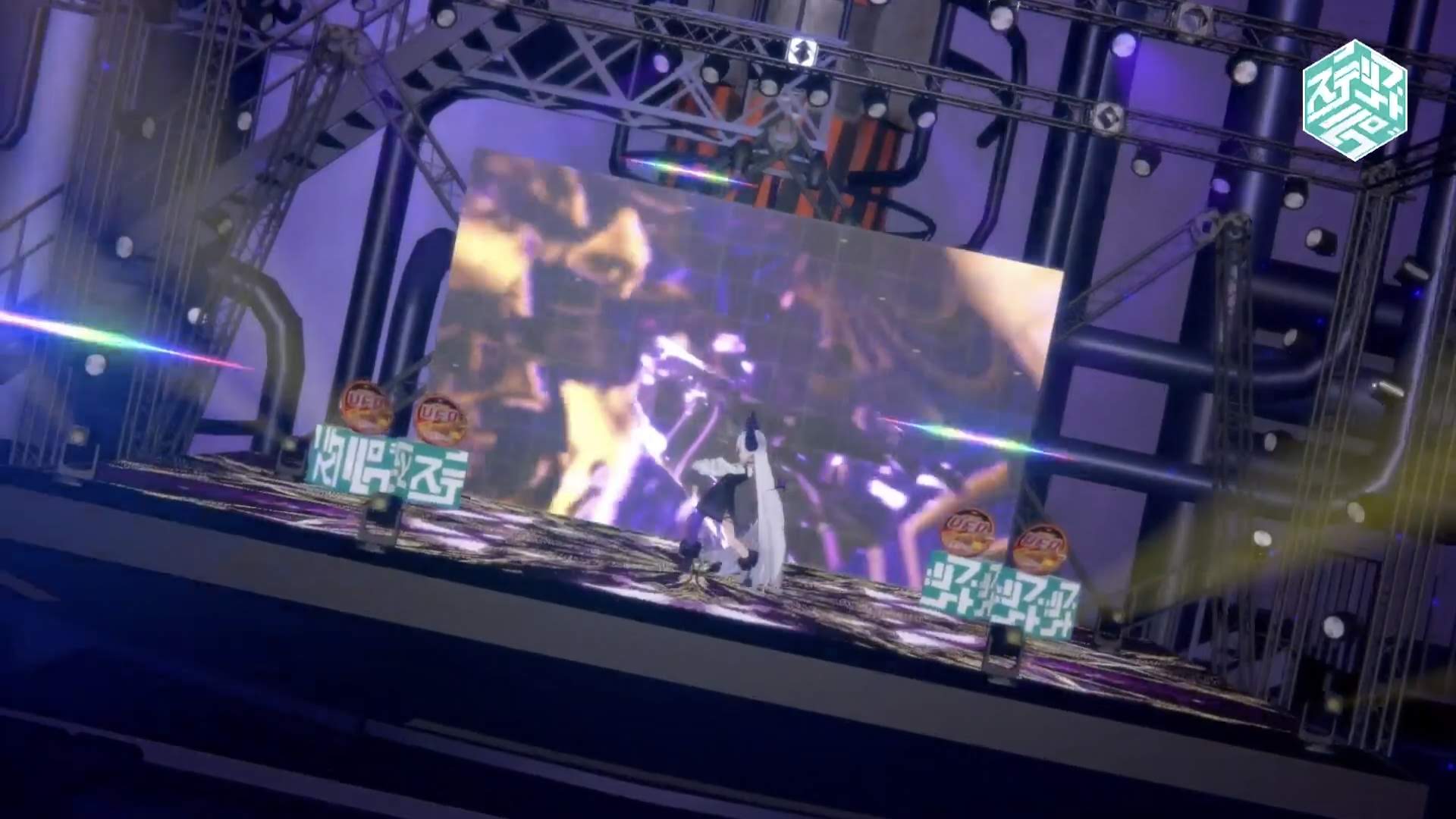
One thing I noticed during this performance of “Aien Jihen” is that the choreography has changed in some ways since she last showed it. These might be adjustments designed to make it easier to perform while singing, but I also suspect that she actually modifies her dances depending on whether or not she’s wearing her massive coat. Note in the above images (during the line “Nothing bad happened”) how La+ is leaning forward in her 3D debut but is leaning back during her solo live. I feel like the silhouette in the first image wouldn’t be quite as strong without the coat.
Ray (covered by Generation 0)
Recently, I was trying to decide which generation is the strongest musically…and then the Japan Generation 0 cover of “Ray” came out. Suisei, Sora, and AZKi are in the top echelon of Holo singers. Roboco’s sound has this haunting quality, and Miko pulls off “cute idol” while maintaining her signature voice. The closest second is probably Indonesia Gen 1.
Mind Craft (covered by hololive English)
Hakos Baelz organized a cover of “Mind Craft” with the entirety of hololive EN, and everything about it is amazing. The balance between giving the fans familiar combinations of individuals and unexpected ones really makes it a journey of a song. My highlights are IRyS + Nerissa, and how Bae herself is presented as a modest “leader” of the whole thing, both in how she has only a few solo parts but at pivotal moments, and her literal outfit looking like a ringmaster’s. Speaking of which, the character art is some of my favorite ever for hololive, and I hope there’s a way to own it someday.
Bae also did a stream where she talked in detail about getting the song and music video produced, and I think it’s worth a listen.
2023 to 2024 Countdown
The New Year’s countdown was fun just like last year, and I’m glad to have seen new girls get in on the Shuffle Medley fun. Naturally, La+ as Kiara performing “Do U” stole the show for me.
But I wanted to look more at the fact that the hololive and holostars streams had different performances of the same songs, with distinct choreographies. Specifically, it was “Idol” from [Oshi no Ko] and “Dai Zero Kan” from The First Slam Dunk.
The guy versions are more “masculine” in approach (like the basketball-themed dance moves in “Dai Zero Kan”), and it makes me think of something I read in the dance manga Wandance: It tends to be the case that guys don’t learn “girly” moves. Issues of heteronormativity aside, it’s still fun to see different interpretations of the same songs.
hololive KDA
I wrote about the Riot Games One 2023 KDA cover performances previously, but I’m bringing it up again because I’ve been thinking about something in particular: The hololive version shows some of the limits of the 3D technology, and where it has room to improve.
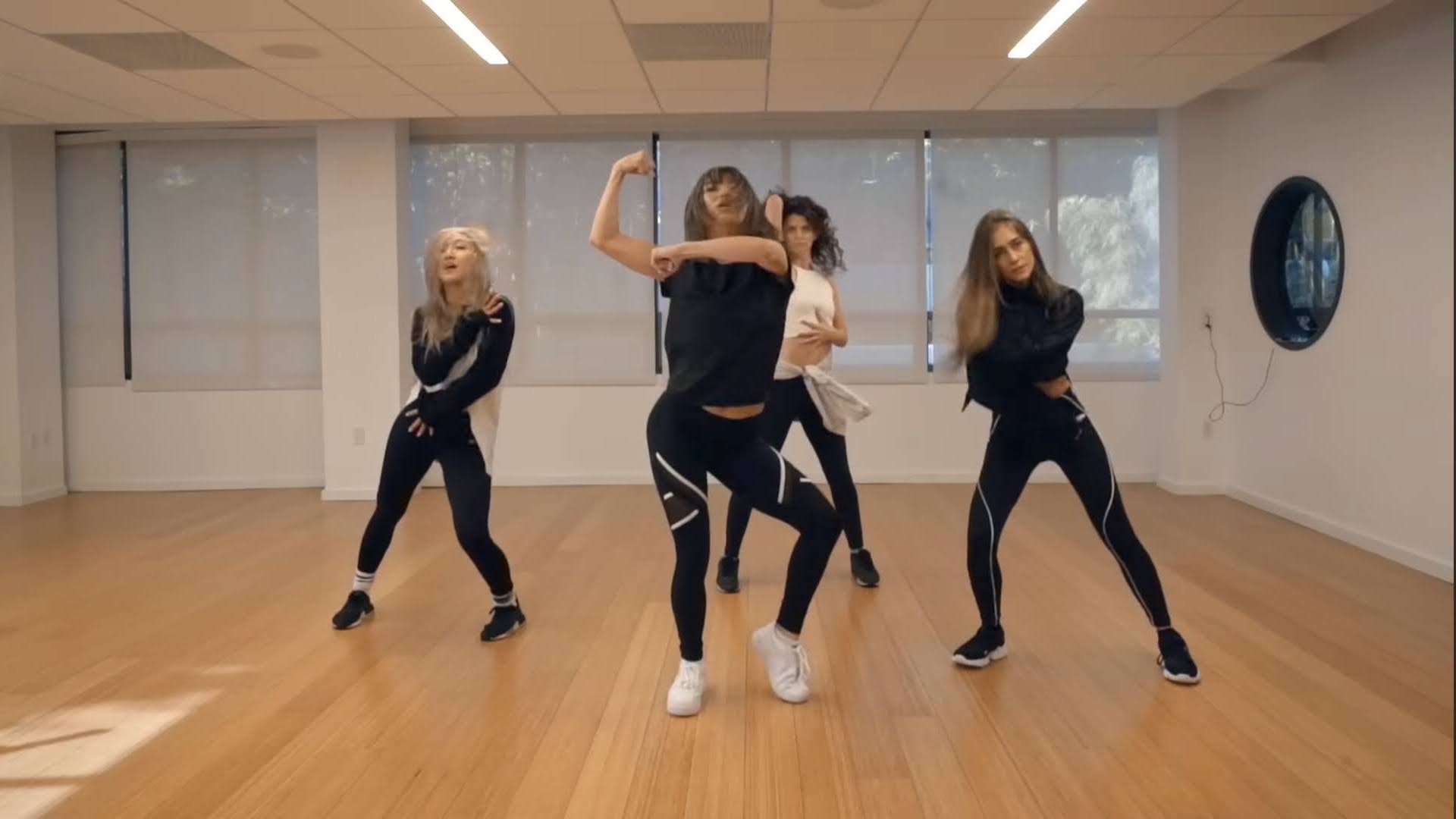

Putting aside the skill difference between the hololive girls and full-on professional dancers, there are definitely moments where the 3D can’t quite capture certain subtleties, or where certain moves don’t quite read correctly. For example, during “POP/STARS,” one of the performers is supposed to be a bicep flex, but this just doesn’t get conveyed when La+ does it.
That’s it for now! Who knows if I’ll do one of these again?
 OGIUE MANIAX