Hypnosis Mic -Division Rap Battle- FINAL is a very unusual movie, even as far as anime goes. Acting as the conclusion to the Hypnosis Mic franchise—in which handsome men rap battle one another using weaponized microphones in order to get a chance at overthrowing an oppressive government run by women (no, I’m not kidding)—this film is somewhat unique in that it has no true ending. Instead, it leaves the fate of these rappers to the viewers, who get to vote on who wins each rap battle and progress to the next round.
In other words, this film is a group-effort “Choose Your Own Adventure” movie, with seven endings and multiple branching paths to get there. On the one hand, it’s fun to compare the path and ending you got to the results from different screenings. On the other hand, it’s also a way to get fans to pay for the same movie seven times at minimum in order to get all the endings, or at least try to coordinate with like-minded fans to get the battles and endings they want.
I was already fairly familiar with Hypnosis Mic before this. I first happened upon a collab cafe on a trip to Japan (eight years ago at this point!), watched the two seasons of the anime, and even got a preview of this specific movie at Anime Expo 2025. Unfortunately, the screening there purposely cut off after the first round of rap battles, so I decided it wasn’t worth writing about until this point.
The film itself feels like a series of cut scenes meant to both quickly introduce new viewers to these characters and provide plenty of fanservice to existing fans. There are no real narrative twists and turns, because everything is determined by audience vote. It’s gimmicky but fun, a somewhat distorted glimpse into the world of Japanese rap, and perhaps for those less familiar with this and other similar titles, a chance to see what your local crowd values in hot anime dudes.
Going to the theater to see a movie has always been a social experience to an extent, but this Hypnosis Mic movie really places that aspect front and center in a different way. You are meant to be cheering on the groups as they compete while also hoping the crowd votes the way you do. That also means having people who will make their opinions known, and the audience could get rather…spirited. Notably, I overheard a fan who was describing in detail the things they wanted to see the characters do to each other, and also to her. I did not presume that I’d be getting a quiet cinematic experience, but I certainly wasn’t expecting something like that. Anime film screenings can often get crowds not entirely accustomed to watching things in public, and I wonder if the COVID pandemic made that even more common.
I decided that, rather than pick a favorite team (which I don’t exactly have), I would vote based on who I thought rapped the best. Ultimately, the Shinjuku team Matenro ended up as the winner at the show I attended. The fact that I would not consider that a spoiler is one of the quirks of this film’s format.
Shockingly, the Party of Words (the final bosses) have the top win rate in the US despite being the only major female characters in a franchise dominated by guys meant to appeal to women. As someone who likes the Party of Words—where else can you find as the main villain an attractive 50-something woman who is both canonically the most powerful rapper and voiced by Kobayashi Yuu?—I’m pleasantly shocked.
Ultimately, Hypnosis Mic -Division Rap Battle- is something to enjoy for the spectacle rather than as a conventional film. In the latter sense, it’s pretty flat. In the former, it’s a good time. If you’ve been to a screening (or multiple ones), how did things turn out for you?
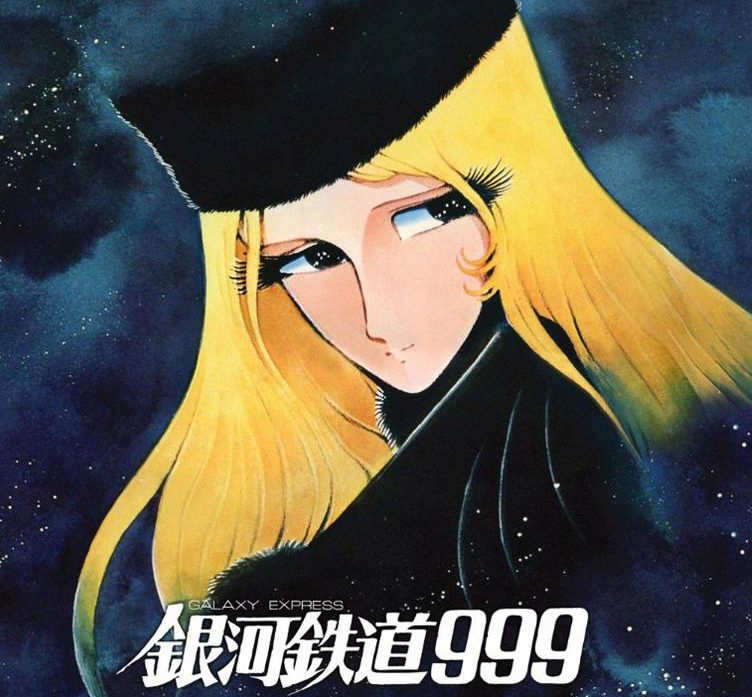
Ikeda Masako, the voice of one of my all-time favorite anime characters in her long-time role as Maetel from Galaxy Express999, passed away earlier this month. It feels like just yesterday that Matsumoto Leiji himself passed away, but it’s already been three years.
As I had mentioned back in 2023, the Galaxy Express 999 movie from 1979 is forever my #1 anime film. There’s the soulful world filled with hope and tragedy as dreamed up by Matsumoto. There’s the dramatic presentation in animated form thanks to the production team as led by director Rintaro. But the actors were central to the overall mood and emotional maelstrom of 999, and the dual Masakos Ikeda and Nozawa are key to it all.
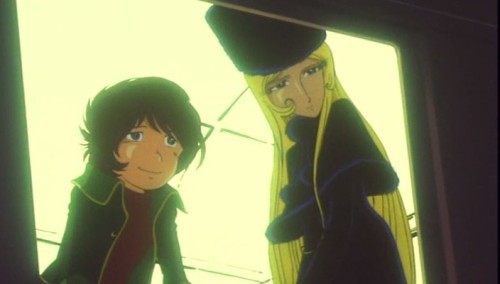
Their interactions in their roles as Maetel and boy protagonist Tetsuro were something that truly stayed with me when I first watched that film over 20 years ago. Ikeda’s voice felt like a contradiction: warm and nurturing, yet cold and distant. And when she delivered that final speech at the very end, I could feel my young heart forever captivated by her tragic beauty. And whenever I saw her reprise the role, I could feel myself be transported back to those days of my youth.
I don’t know if there will ever be more in the 999 franchise, but I have to wonder who they might pick. There was Yukino Satsuki, who played an alternate Maetel in Shinkalion Z, but she’s also a much younger version in that series.
Tetsuro’s voice, Nozawa Masako, famously went on to play Goku in Dragon Ball. She gave a touching and sorrowful memorial statement of her own, in which she mentions the fact that they would actually call each other “Tetsuro” and “Maetel.”
Farewell, Maetel. May you join the Sea of Stars with grace and the gratitude of countless people touched by your talent.
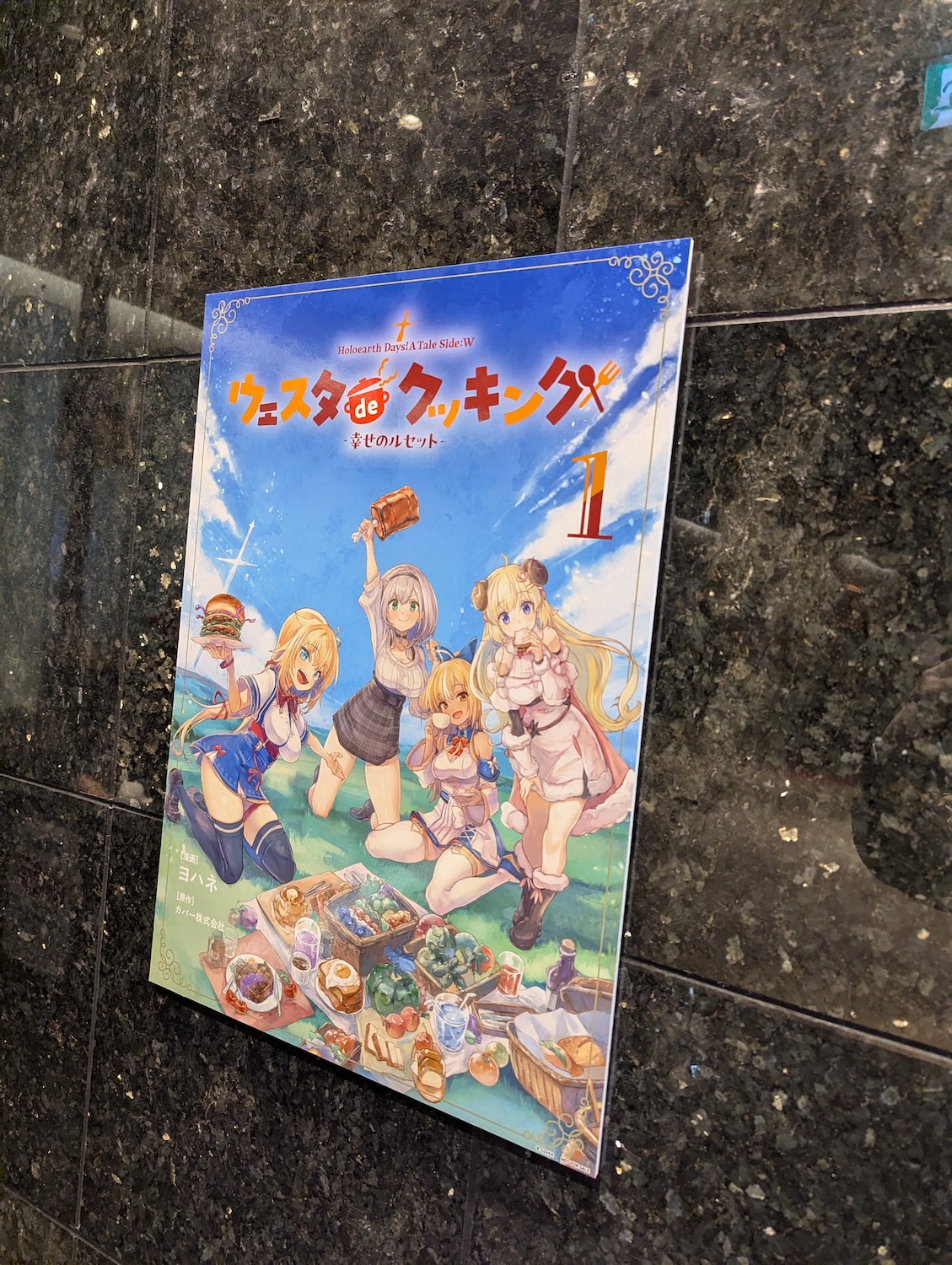
The manga Vesta de Cooking, an isekai cooking series based on the VTubers of hololive, is currently doing a collaborative cafe in Japan. I happened to be in the country recently (albeit not in time for 7th fes), and the chance to do something Haachama-related was too good to pass up.
The event has been going on since January, but the location moves every few weeks. Currently, it’s in Shinjuku at the Dish Up Collab Cafe space. It can only be attended by making reservations through the Sweets Paradise app, which is fortunately available outside of Japan.
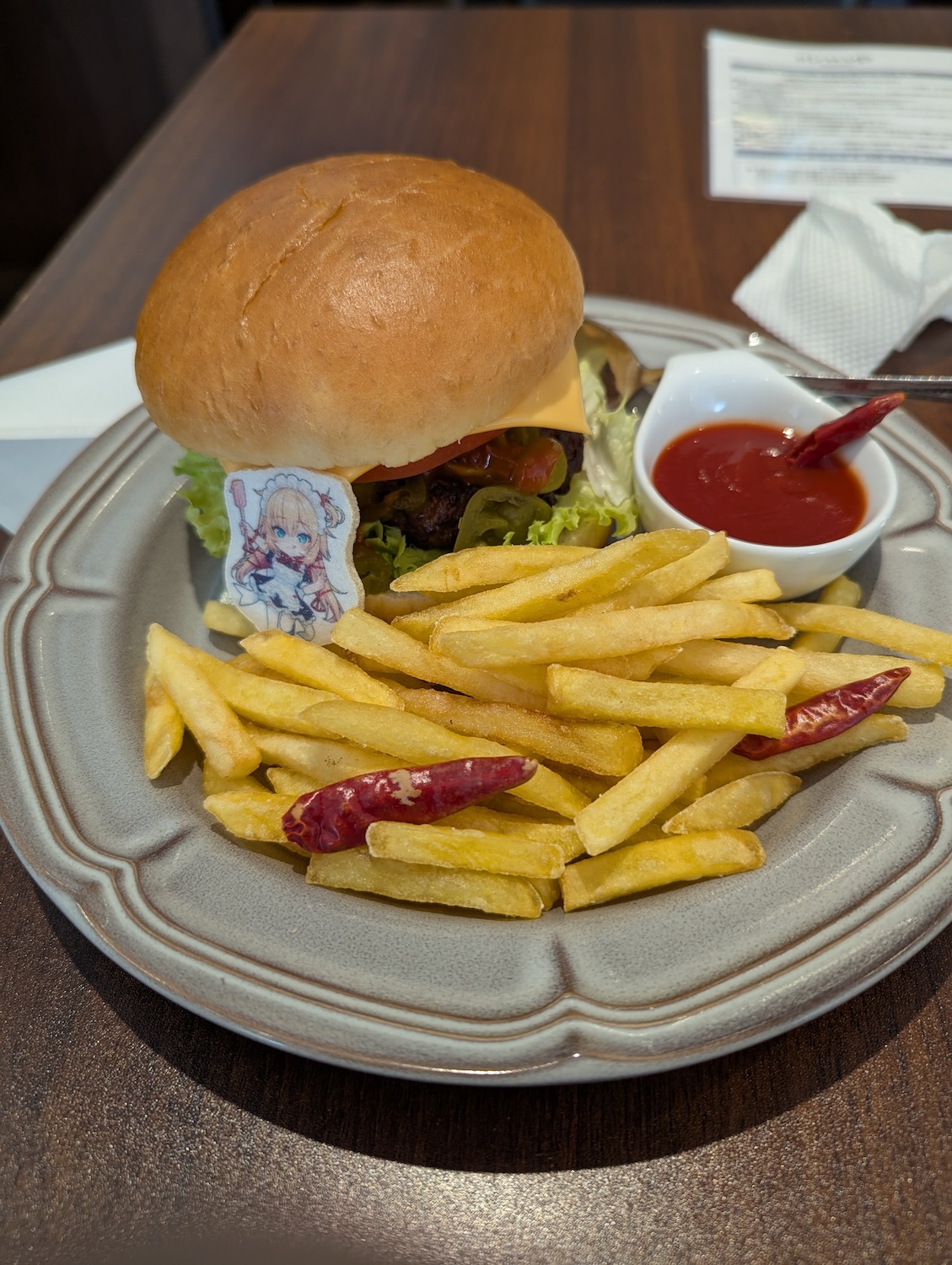
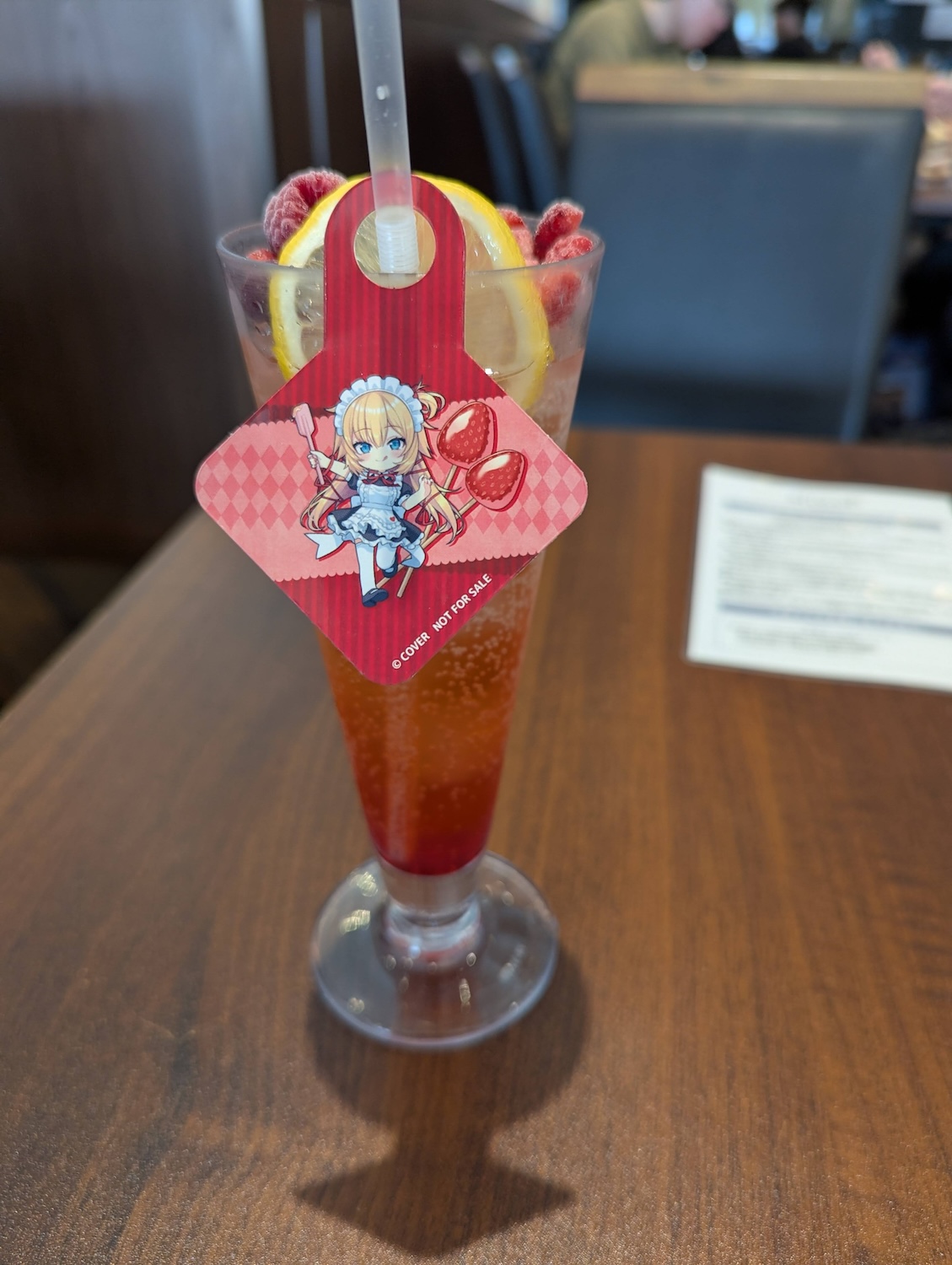
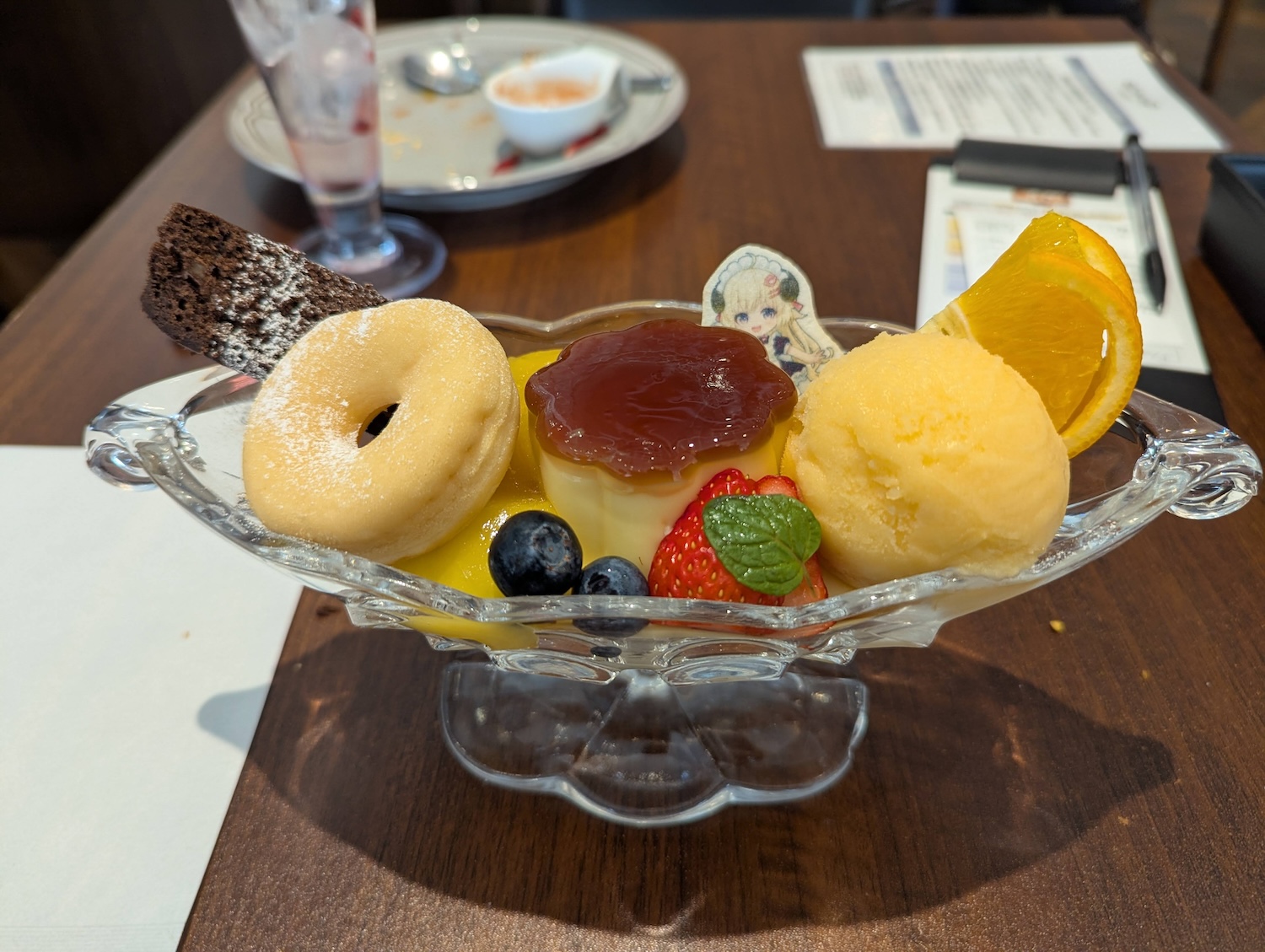
Vesta de Cooking stars Akai Haato (aka Haachama), Tsunomaki Watame, Shirogane Noel, and Shiranui Flare. The food and drinks served are meant to either be re-creations of dishes found in the manga or reflective of the four hololive members. I ended up ordering the Haachama-related items—the spicy hamburger and the Shirley Temple—plus Watame’s pudding a la mode.
The burger and fries actually had dried peppers placed across the dish, perhaps as a way to let the customer decide how much spice they wanted. The burger itself was decent enough, the Shirley Temple was refreshing and had bits of fruit, and the Watame dessert was mostly good except that the donut was mediocre. You can’t expect amazing food at these cafes, so I wasn’t surprised, though I did ultimately come away from a satisfied belly. In hindsight, however, I do wish I got one of the manga re-creation dishes.
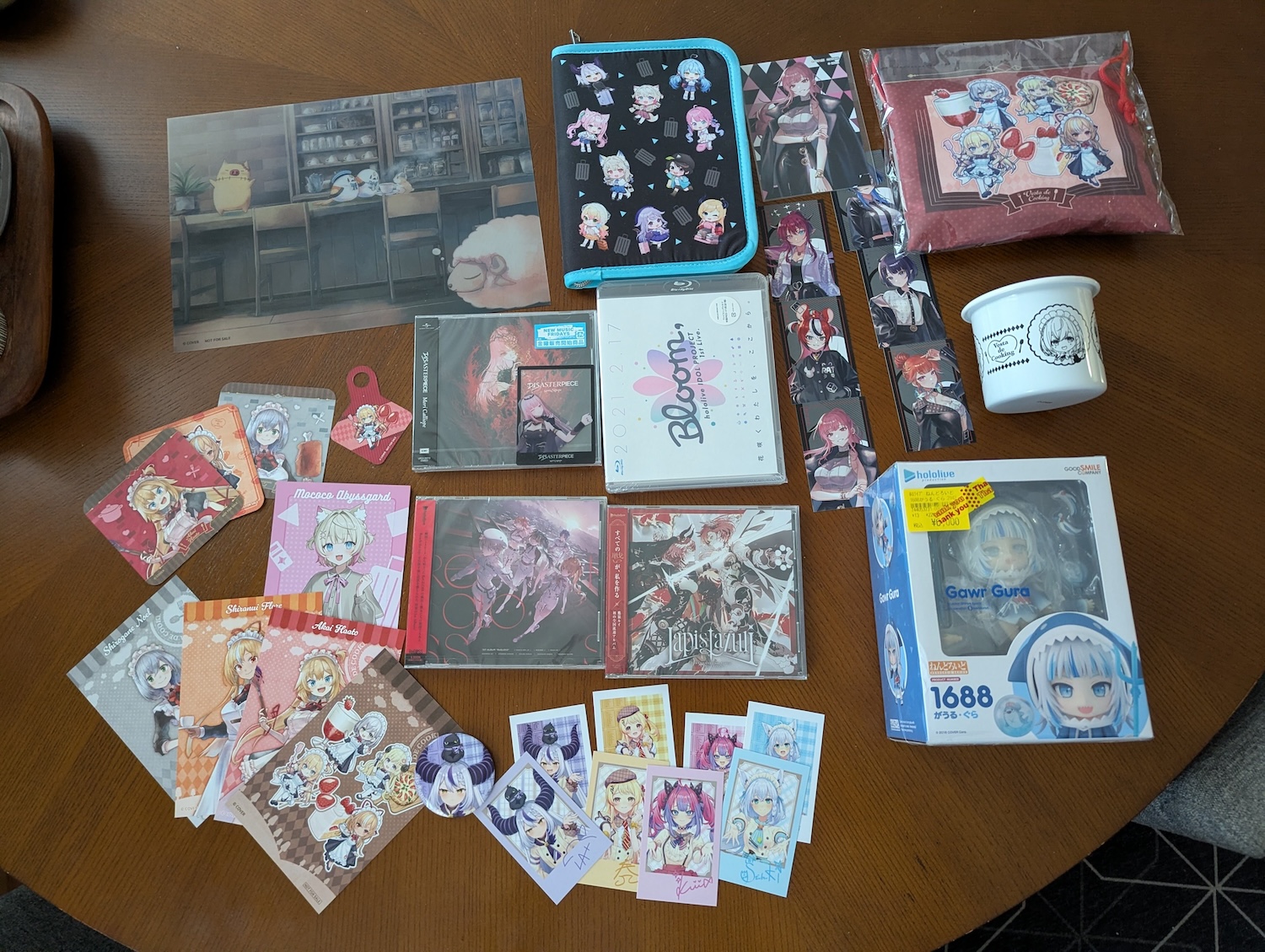
As per the gimmick of a collab cafe, I got some random coasters—the idea is that in order to get everything, you have to keep spending money. Fortunately, I managed to get a Haachama coaster, so I consider that a win. I also spent way over the minimum 200 yen needed to get the clear place mat depicting all the girls’ mascots. Of course, the food and the coaster gacha weren’t the only ways to make the fans part with their money, and the cafe included a store to buy related merch. I decided to get a little cloth bag filled with a chocolate chip cookie, as well as a metal cup. Because I also bought some items for friends, I spent enough to get some illustration cards, i.e. “bromides” in Japanese. Pictured below are the items I got from the store, as well as some other things I picked up at the hololive shop in Tokyo Station and from a trip to Tower Records.
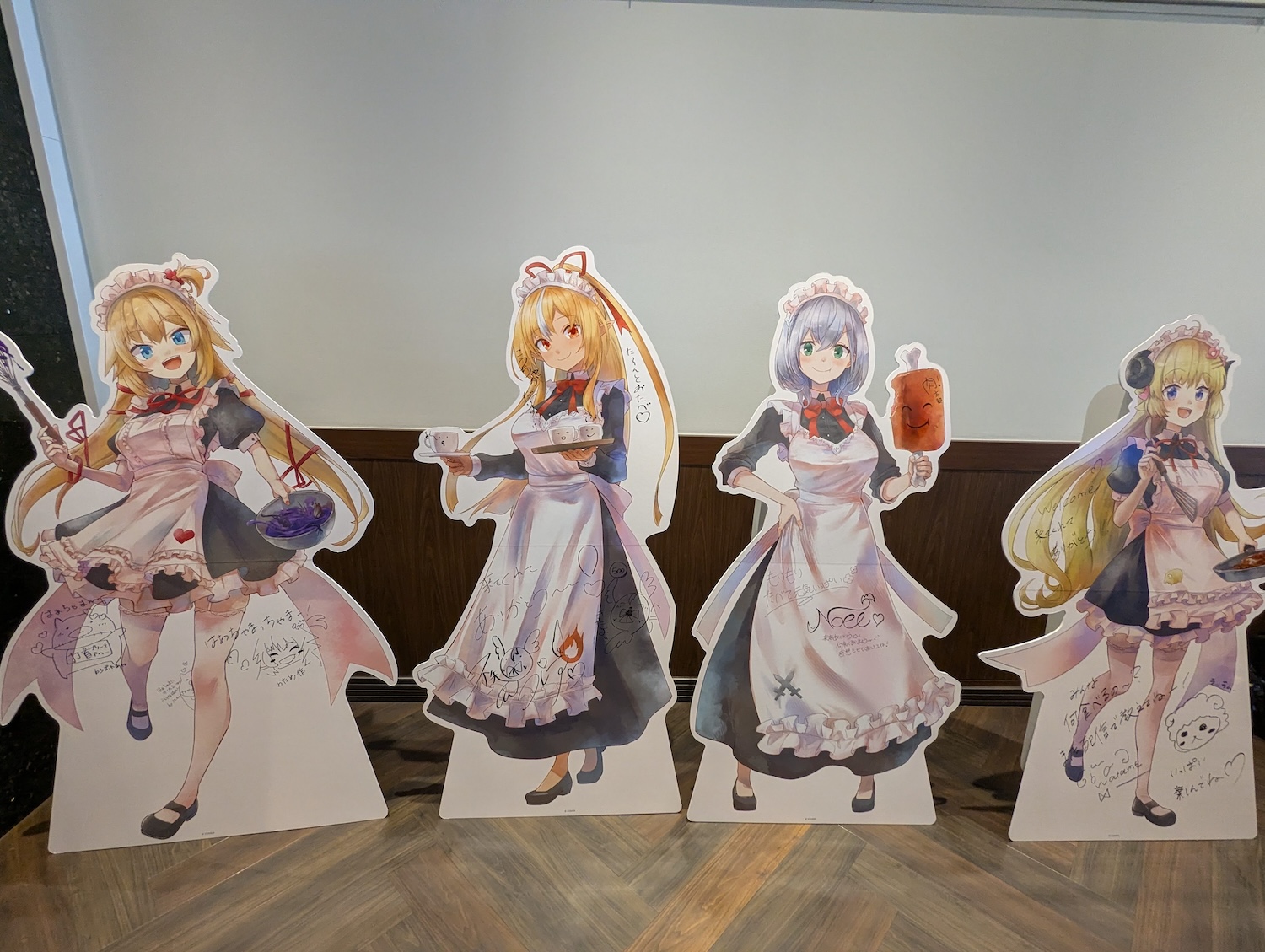
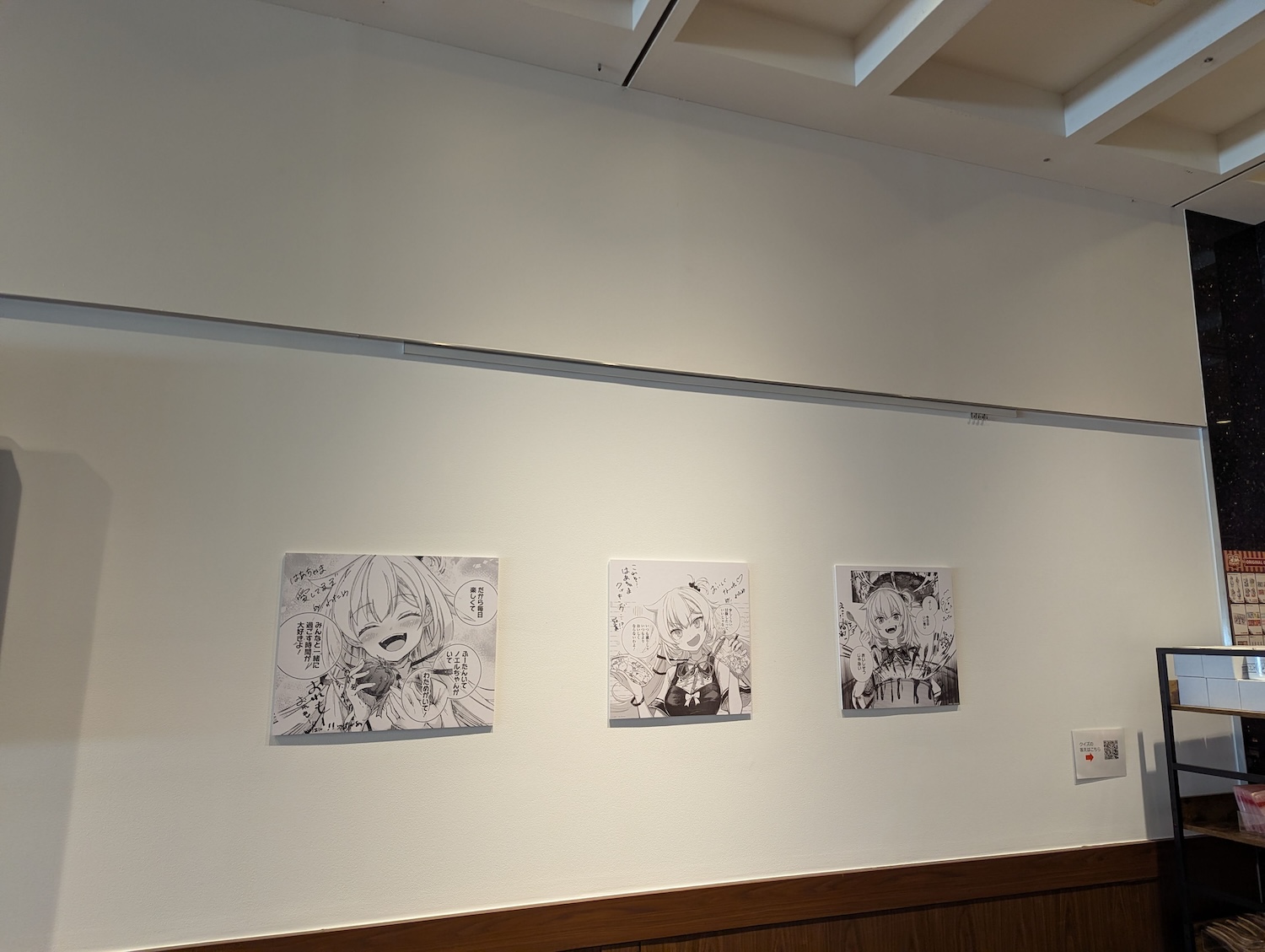
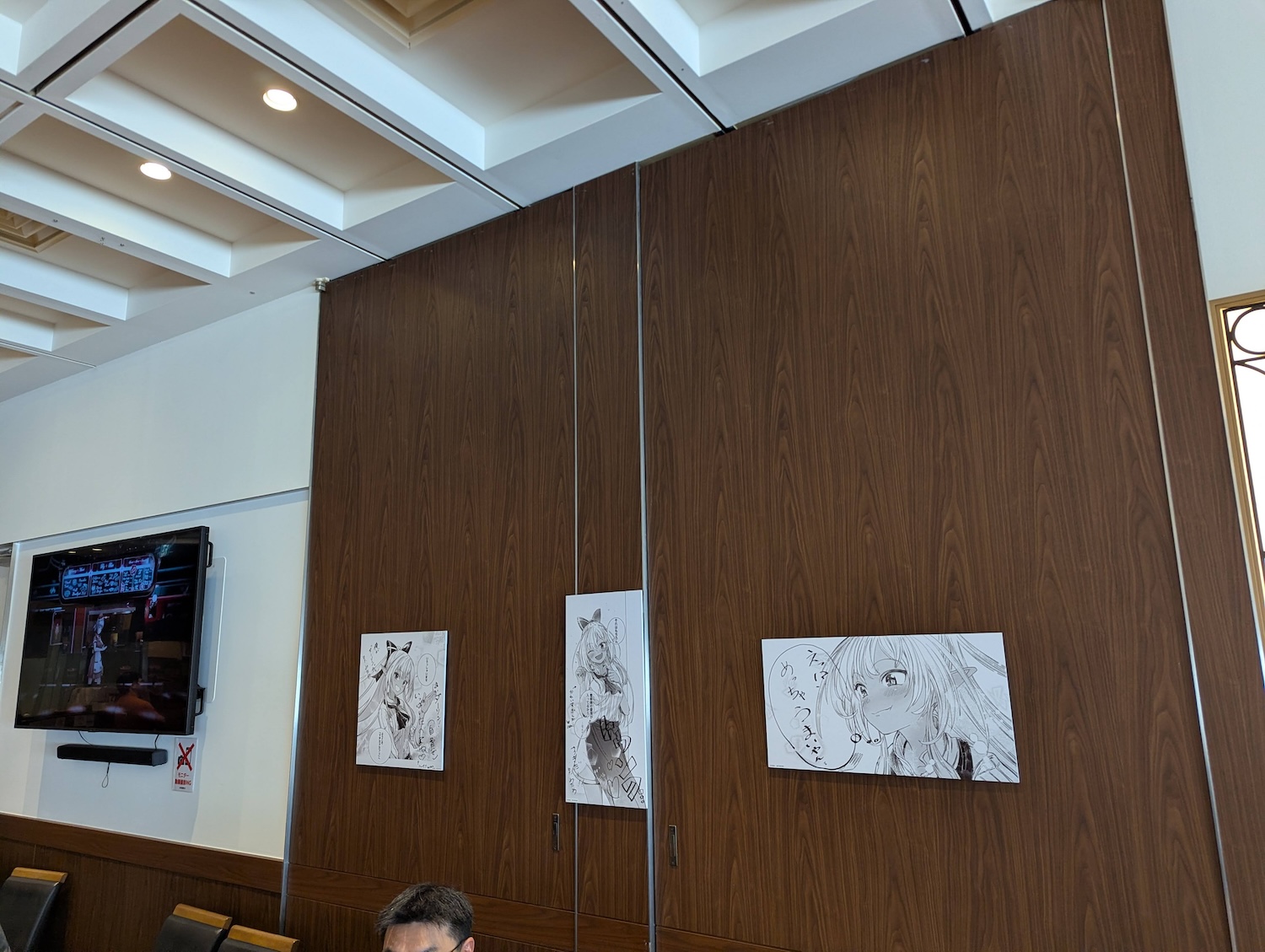
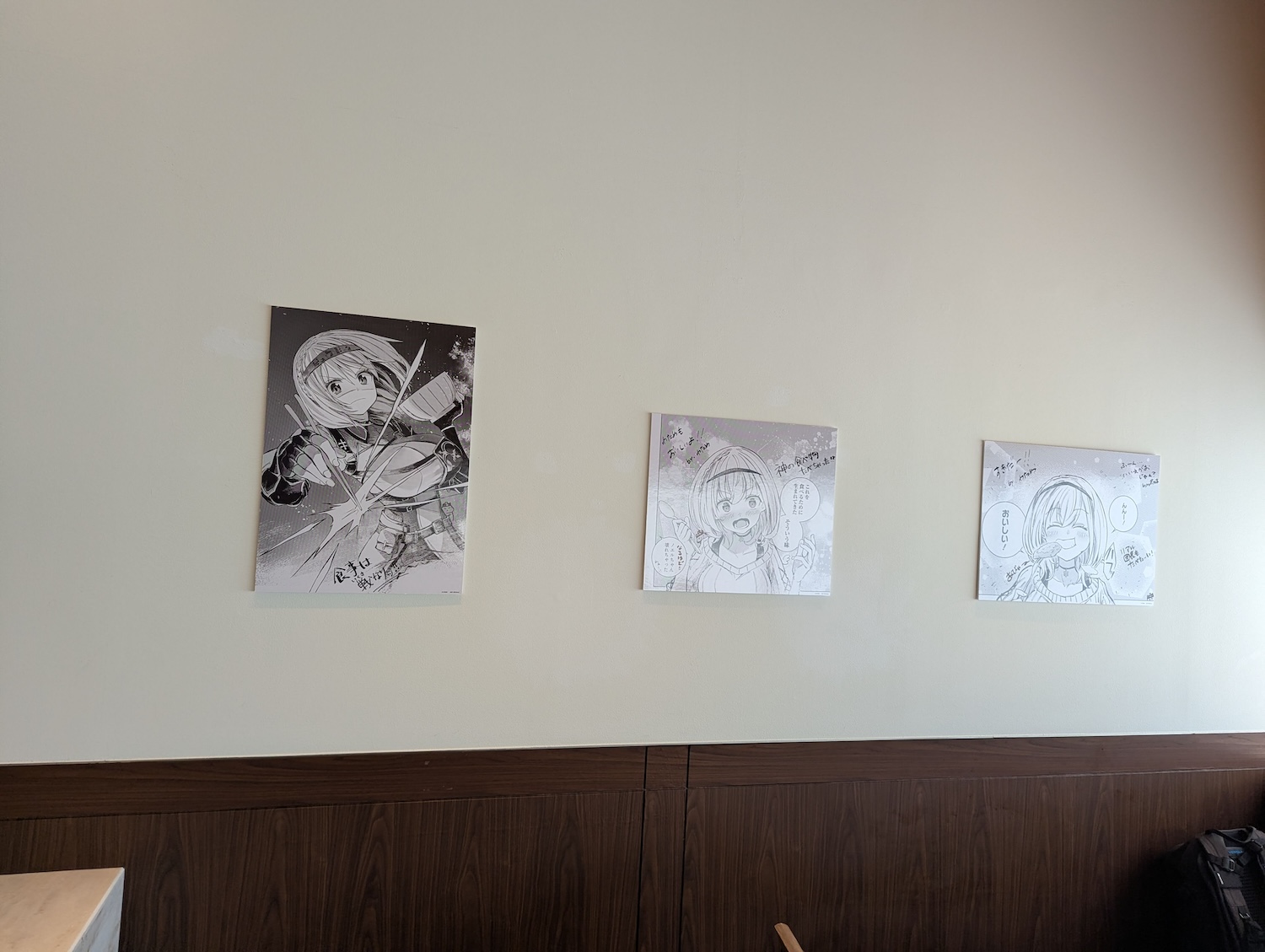
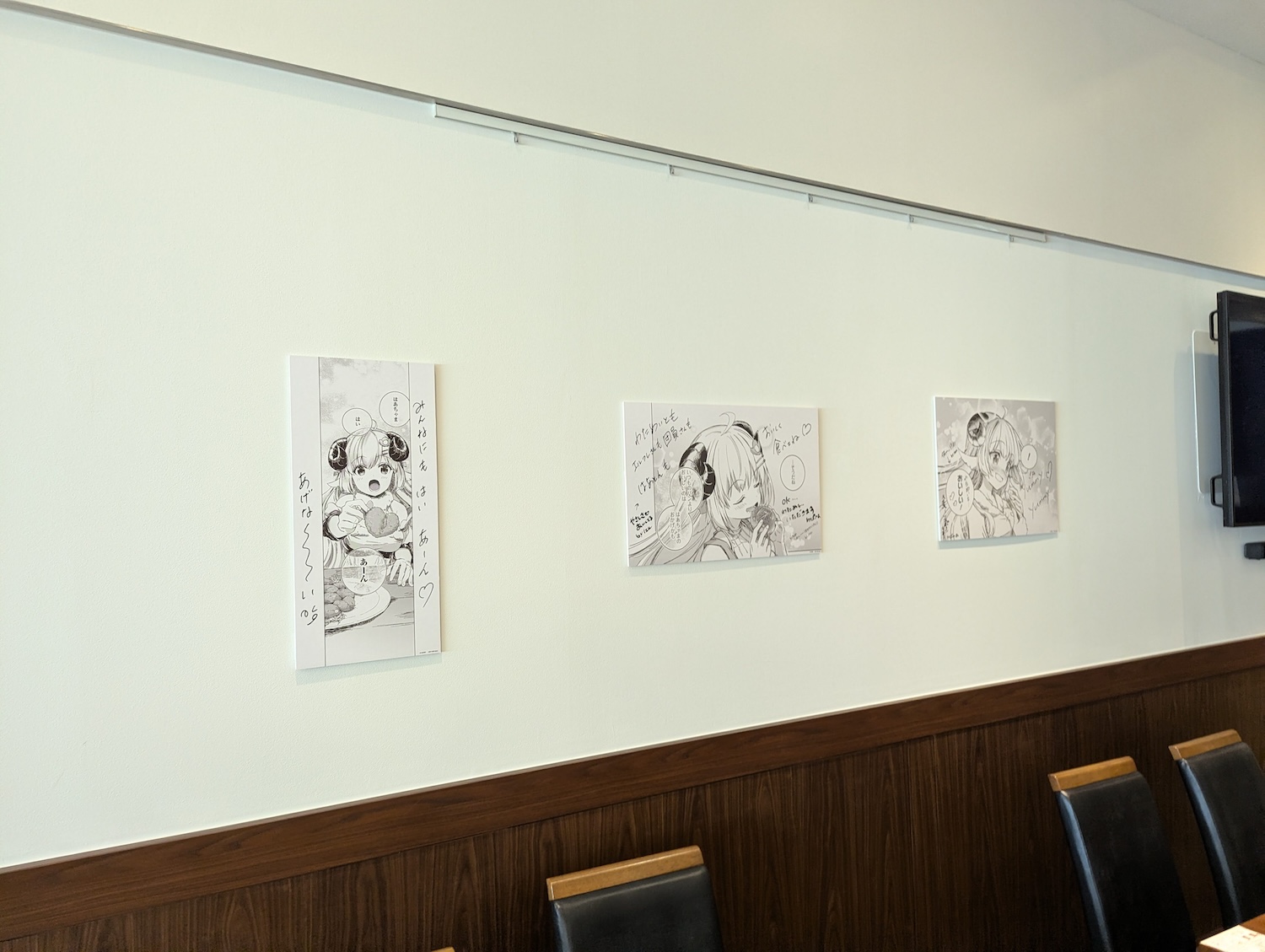
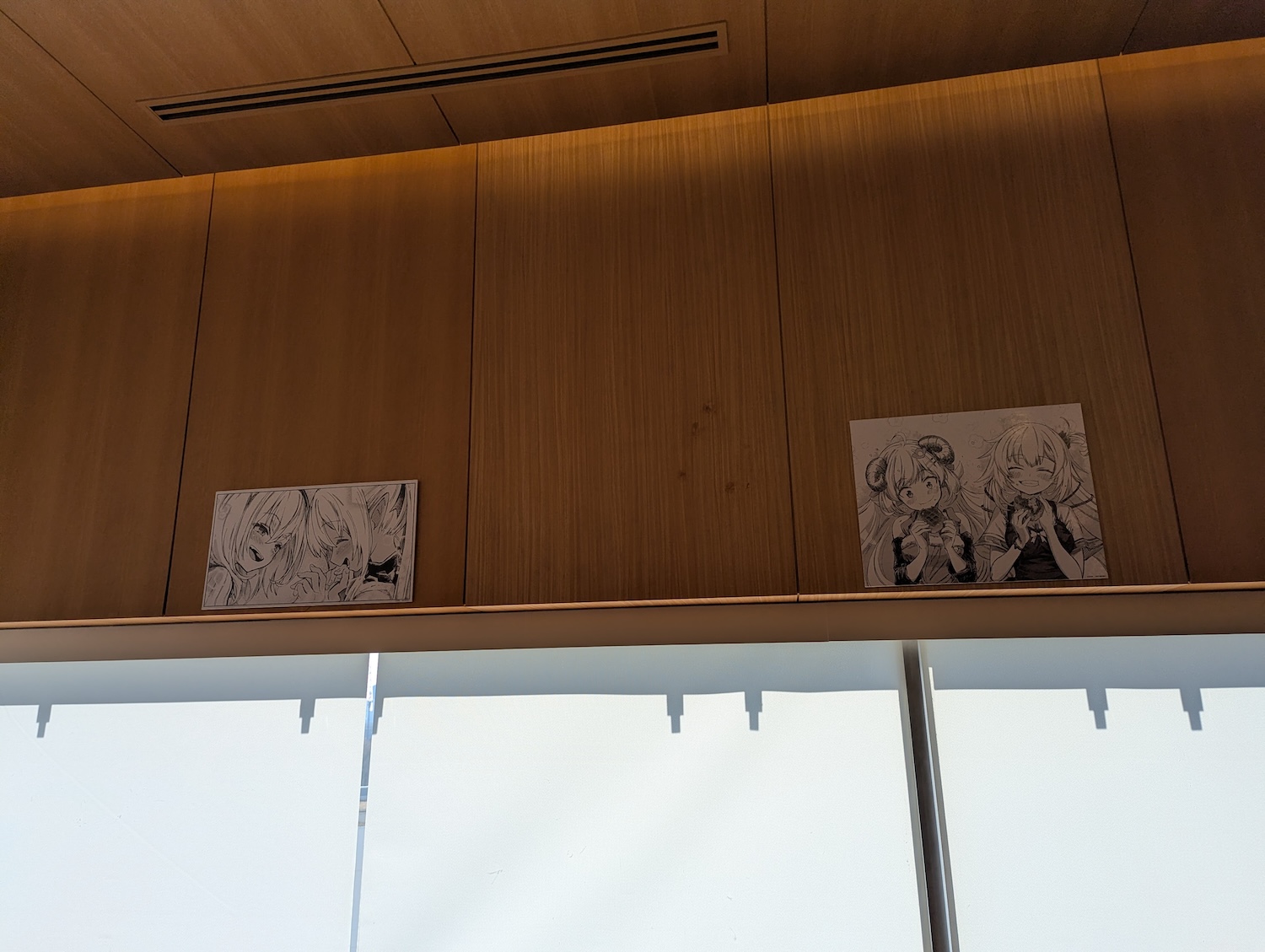
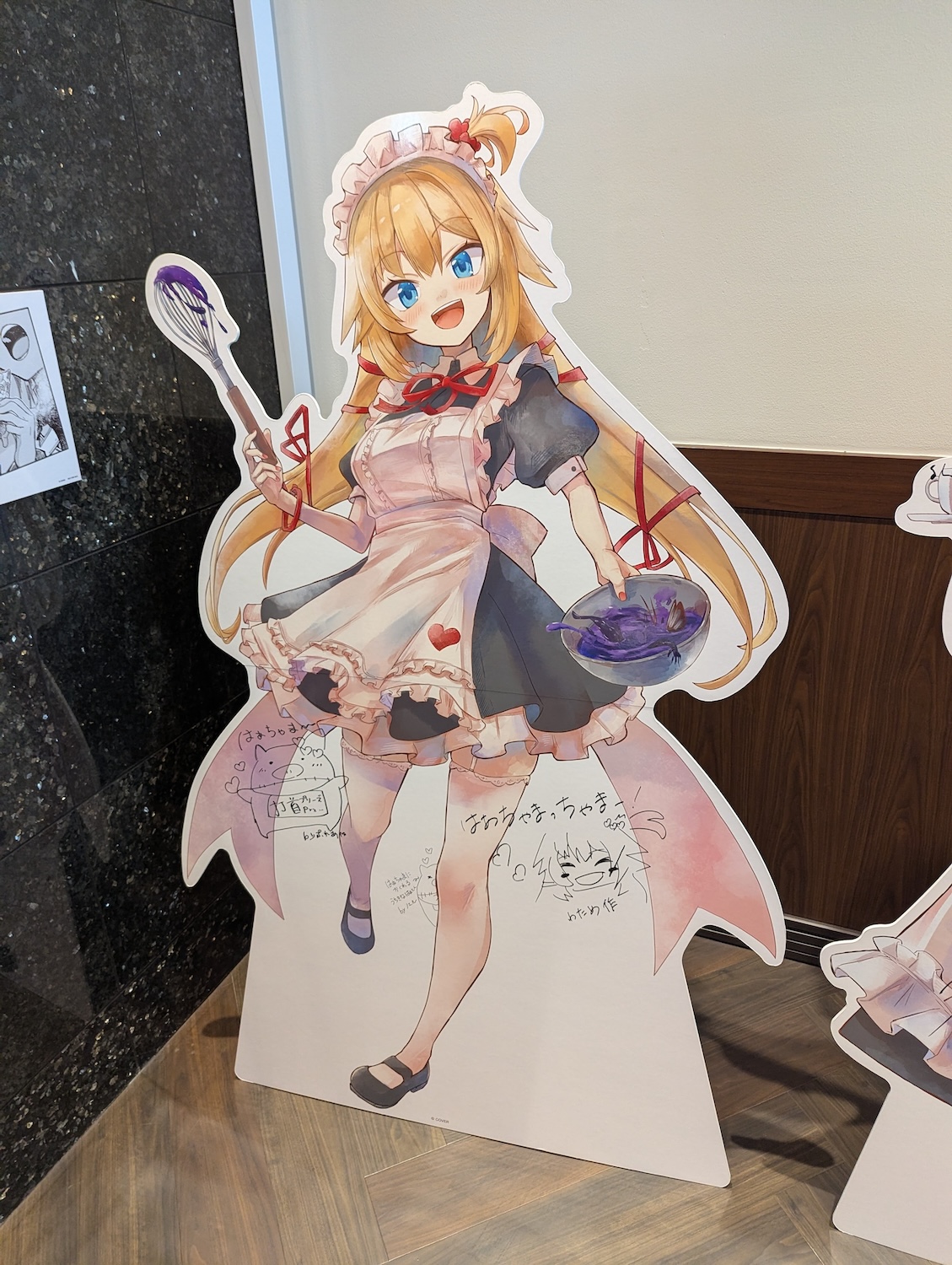
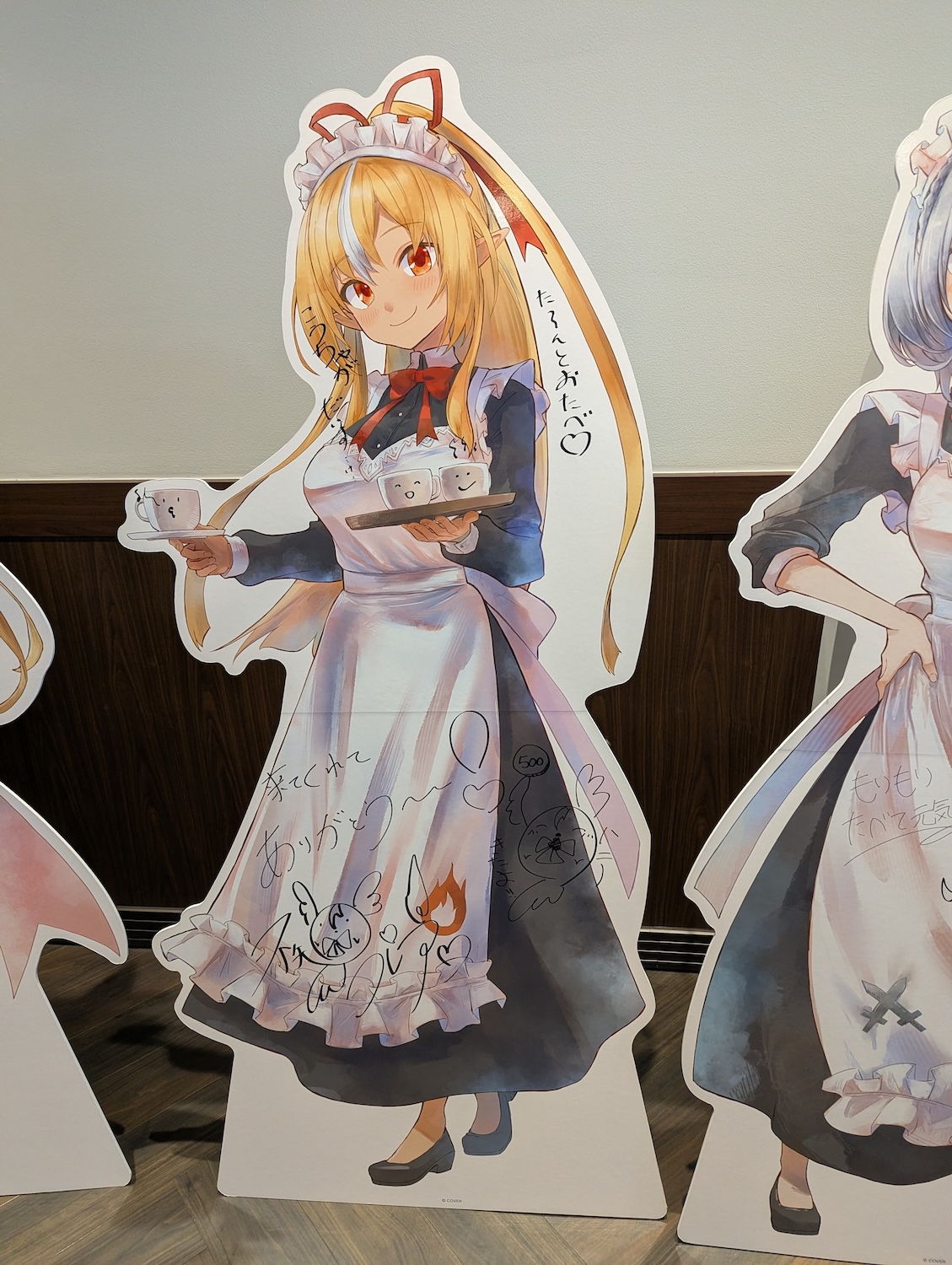
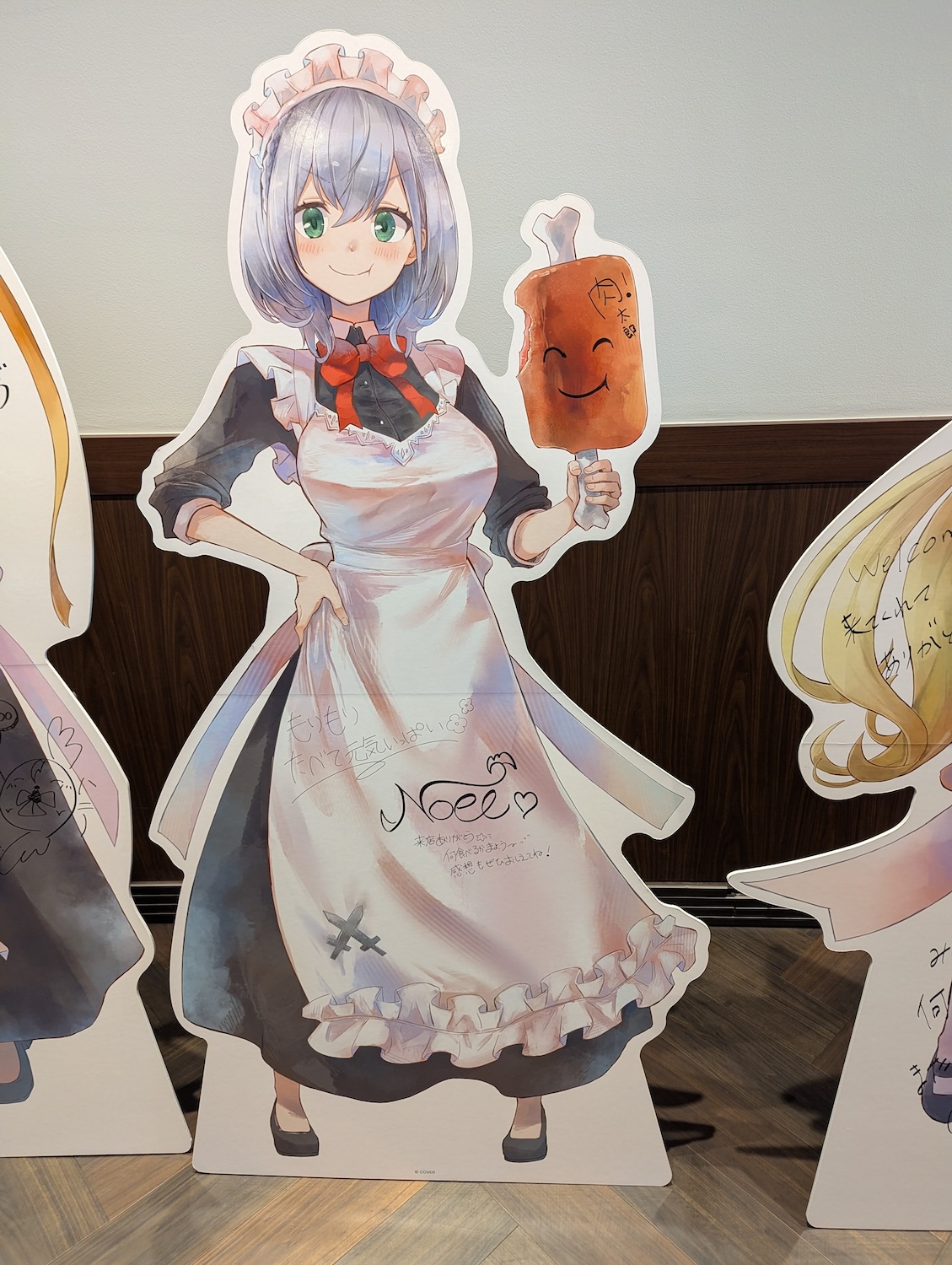
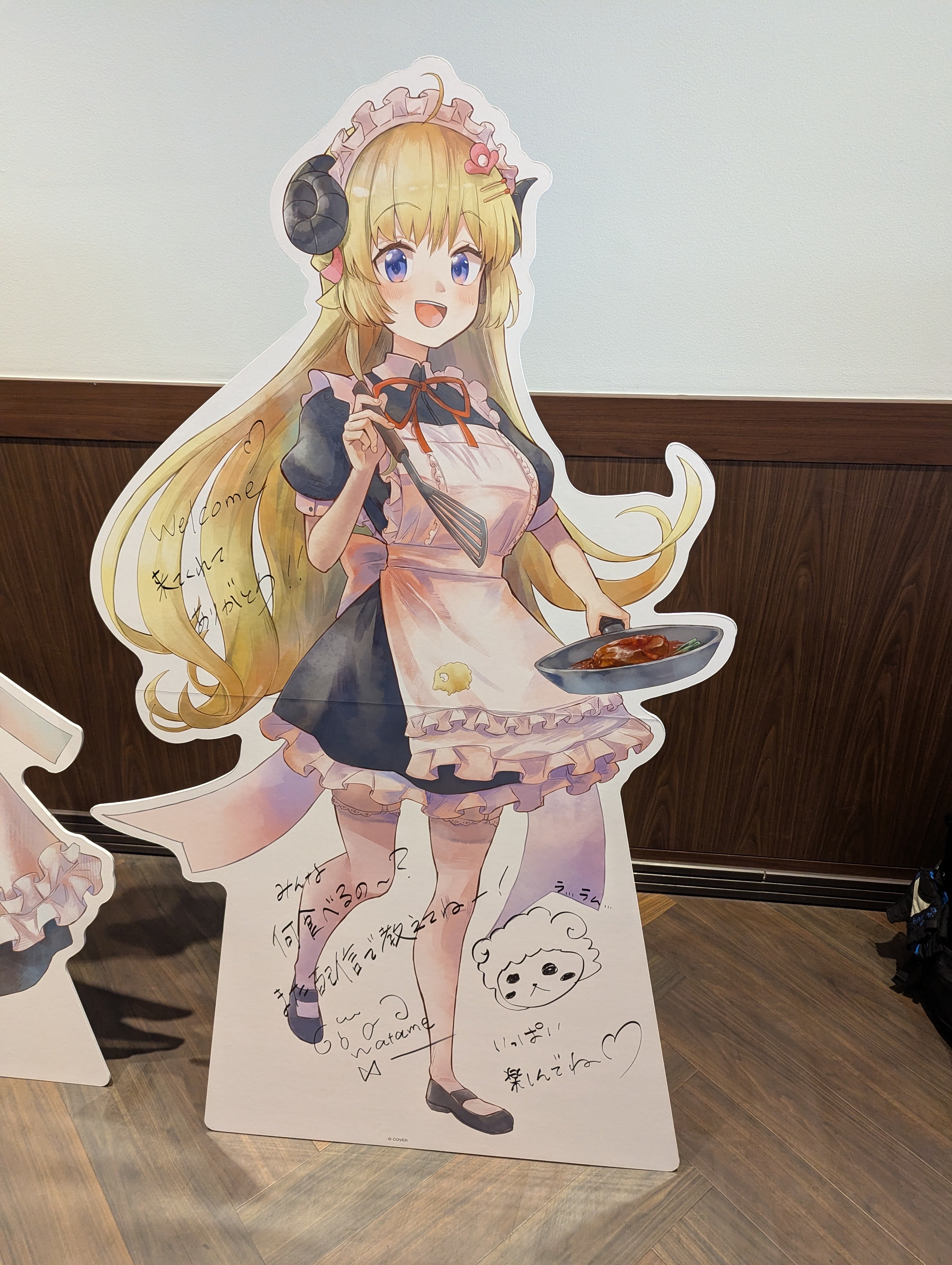
The cafe was decorated with various panels from the manga series, with sections roughly divided by character. TV screens displayed music videos from the girls, though curiously, the songs playing over the sound system did not match up with those MVs. There were also some life-size cut-outs at the entrance that were partially covered in notes and signings from the participating hololive members.
I noticed that Haachama had not written on her own standee (though there were comments and doodles from the others on hers), and I think it might have to do with her currently being on break to help recover mentally.
7th fes just wrapped up a few hours ago as of this post, and while Haachama could not participate this year, I think she can make another comeback. In the meantime, I will bask in the memories of this cafe and hope that the next time I’m in Japan, I can do something else fun in connection to her, as well as hololive as a whole.
I continue to vacillate between feelings of hope and despair for humanity, and I really hope the former wins out. I’ve come to realize that many human beings have to touch the stove to learn their lesson, and I get the sense that a lot of people have put their hands on the flames at this point. I just wish it didn’t cost so many lives in the process. Innocent people are caught in the imperialist games of the world, and they should not be the ones to bear the cost.
Shout-out to my Patreon members, and a big, big thanks to the following:
Lots of tweets leading up to the live drawing event that took place on February 21.
Closing
I actually happened to be in Japan for part of February! I plan on having lots of blog posts based on my experiences and (delightfully tariff-free) purchases.
While I don’t have a set schedule for what I will post and when, I hope you’ll enjoy the fruits of my travels.
Kio will be going analog (physical media + projector!) for his live drawing session this month with Minoda Kaidou. He plans to draw a Spotted Flower character.
Because Kio has felt his concentration decline recently, he decided to draw outside. He’s not sure how well it worked, despite being more productive overall.
Having decided to write out the plot in the morning for something in Spotted Flower, Kio went and finished the written storyboard. He had thought about how it should go for a while, so the drawing went pretty smoothly.
Additional advertisement for the live drawing event. Kio mentions you can get a photo copy of the drawings! He also reconfirms that it’ll be streamed using a projector.
When asked about what they’re hoping for at the live drawing event, Minoda said her answer was a difficult one—she wants to see people to react to their drawings by going, “What the heck is this?!” This makes Kio look forward to being there.
Kio thanks Minoda for her congratulatory message on 50 chapters of Spotted Flower. Minoda also drew characters from Kio’s previous manga Jigopuri. Minoda also mentions the live drawings will be bunny girls.
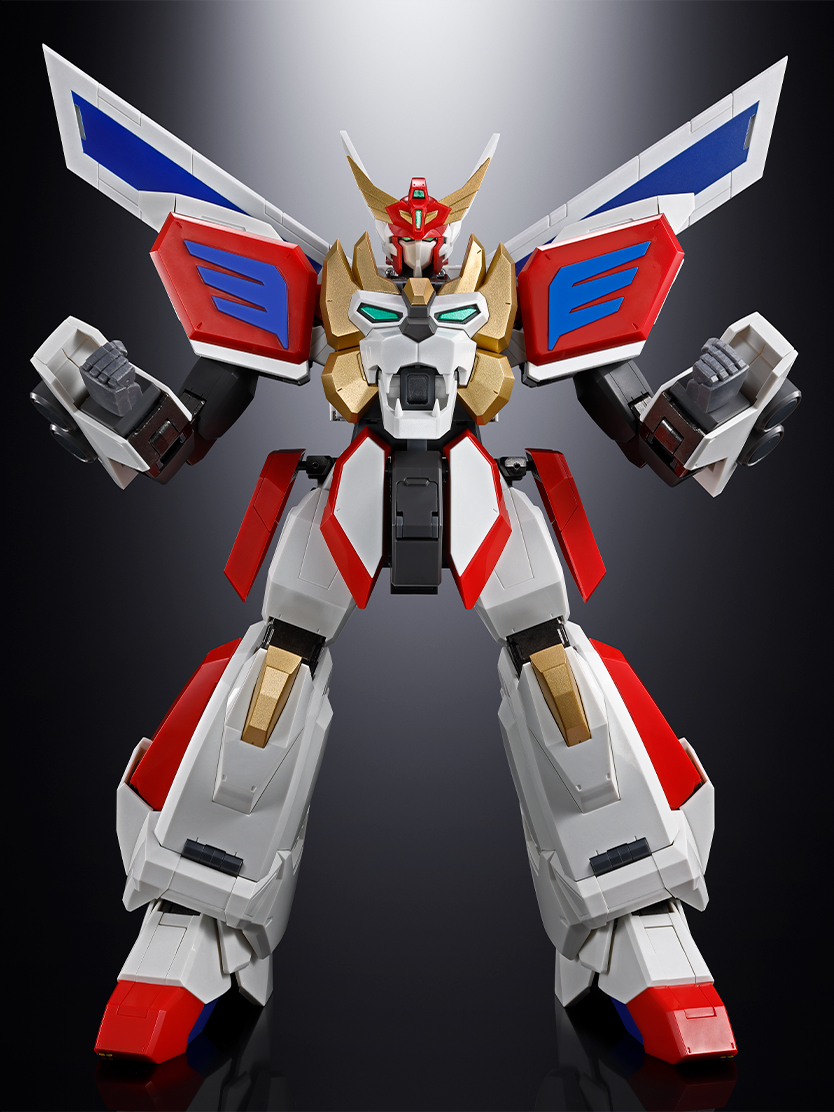
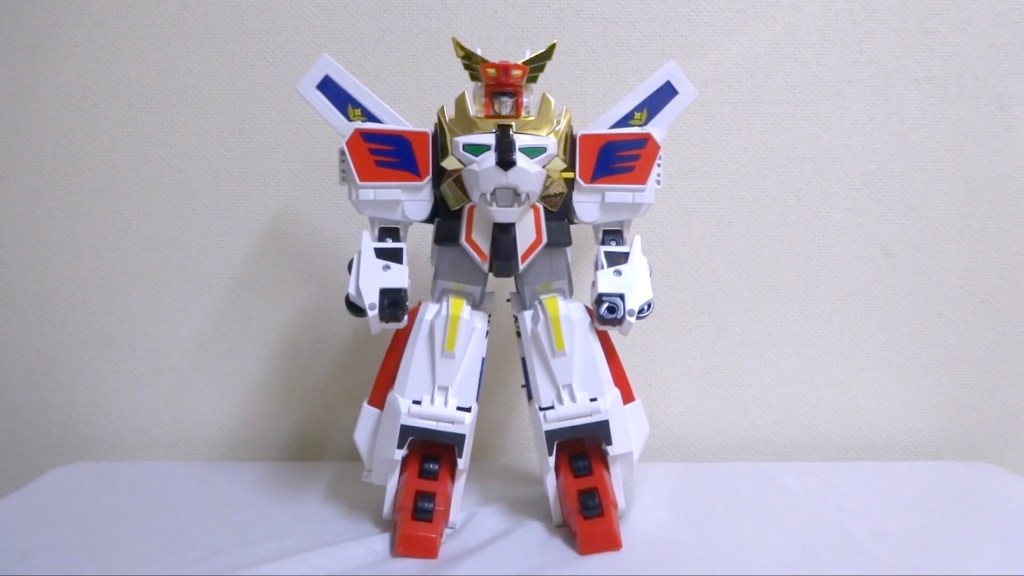
Earlier this month, the Soul of Chogokin King Exkizer (from the anime Brave Fighter Exkizer, aka Brave Exkaiser) went up for pre-order, over a decade after the line’s release of King of Braves Gaogaigar. Given the clever engineering that always goes into these figures, I assumed there would be some fun discussion about where it falls on the “toy fidelity” vs. “anime faithfulness” spectrum. But what I’ve since learned is that trying to achieve that balance is remarkably difficult, and the question of what to prioritize in an Exkizer figure is actually a point of contention among fans.
As someone who’s never watched Brave Fighter Exkizer outside of a handful of episodes, I don’t have any real personal skin in the game. My interest in this, aside from a general love of mecha, is mostly because the struggles of translating imagination into physical reality is something I can explore forever. With that in mind, I decided to write about this for a couple reasons. First, I want to prevent these conversations from simply being lost to fleeting social media. Second, I want to convey all this to an audience who might not be familiar with Exkizer, and thus wouldn’t easily understand why there’s a bit of a controversy in the first place.
So let’s begin!
The Myriad Inconsistencies of King Exkizer
Generally speaking, shows about giant robots take creative freedoms when adapting designs. Limbs bend in angles impossible for toys, parts pop out of nowhere or disappear, proportions are made to look less silly, and there’s just a bit of “cartoon magic” applied overall. Combattler V the toy has tank treads on its back that are always visible, but Combattler V the anime robot sees its treads pop in and out of view depending on what the show needs. Devastator from Transformers will have a different head design depending on the episode. Deluxe versions that try to thread the needle of toy vs. show will do things like “make the tank treads removable” or “provide both heads and allow the owner to choose.”
However, King Exkizer presents a number of major challenges.
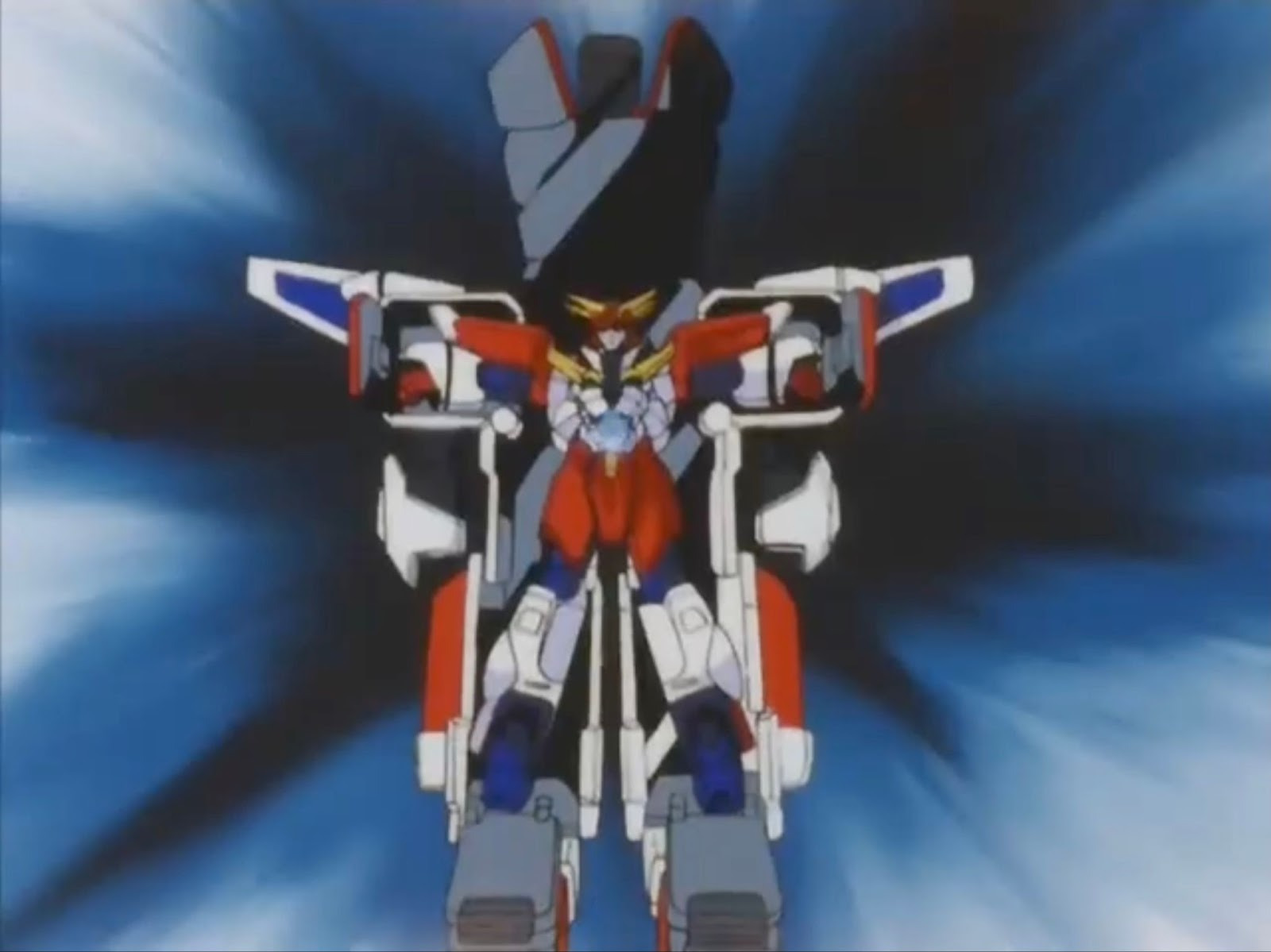
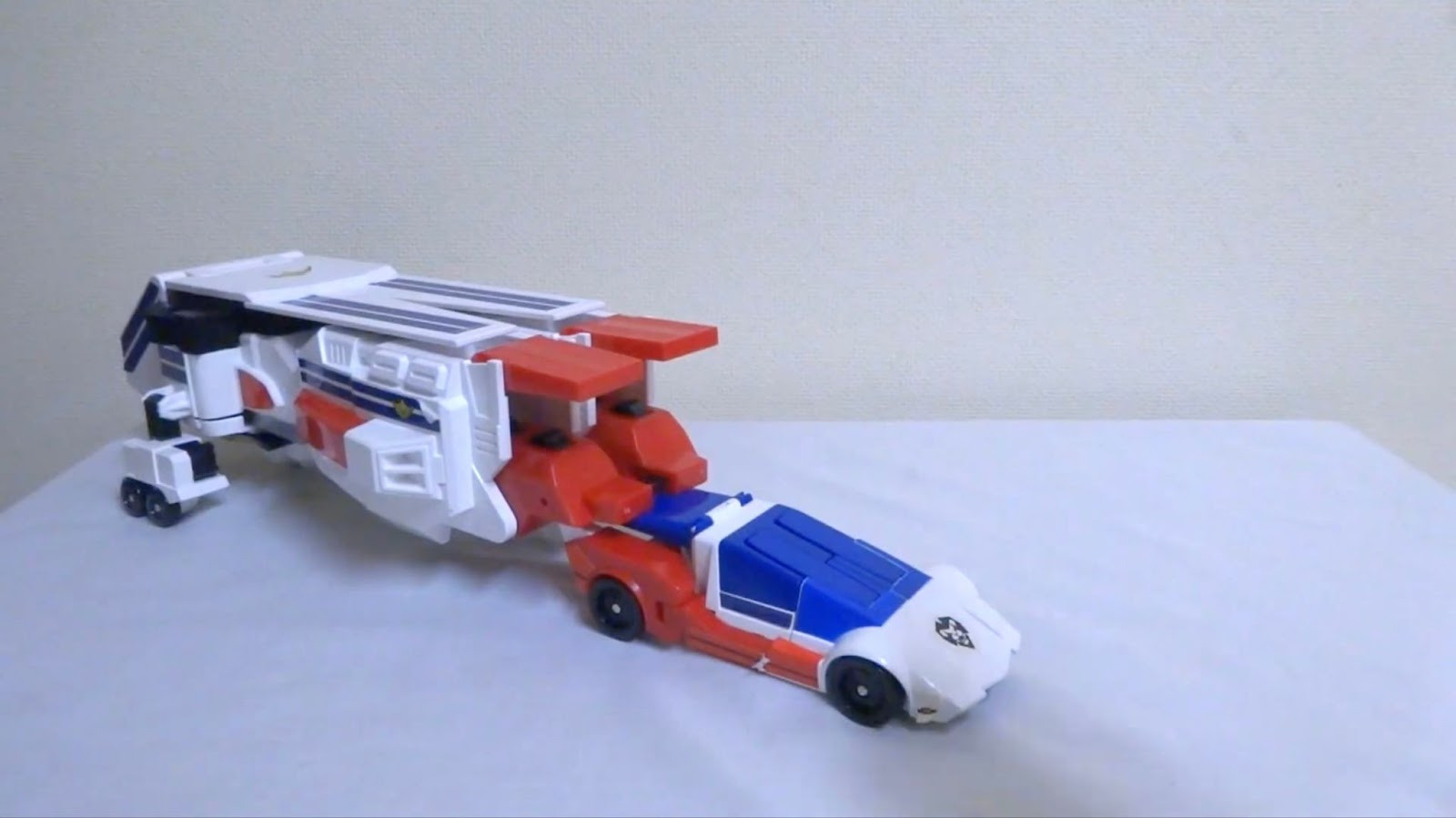
In the anime, Exkizer is a large robot who can turn into a car. To fight greater threats, he summons King Roder, a bigger vehicle that transforms into a humanoid frame which Exkizer can enter to become King Exkizer. It’s essentially a matryoshka-esque combination reminiscent of Gordian and Baikanfu.
Not surprisingly, there are differences between the original toy and the animated representation of the robot. But within the show Brave Fighter Exkizer itself, the size relationship between Exkizer and King Roder is also wildly inconsistent.
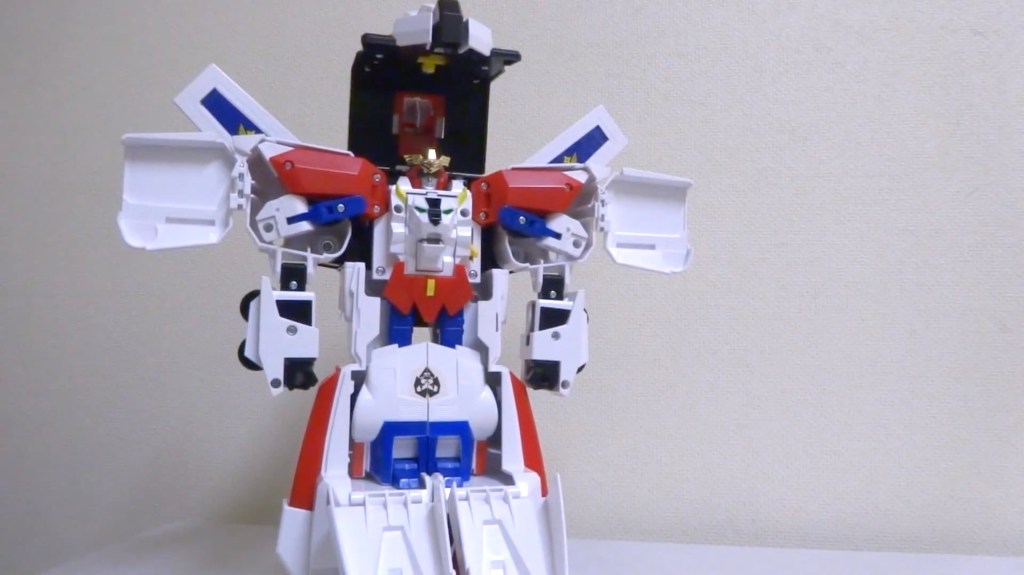
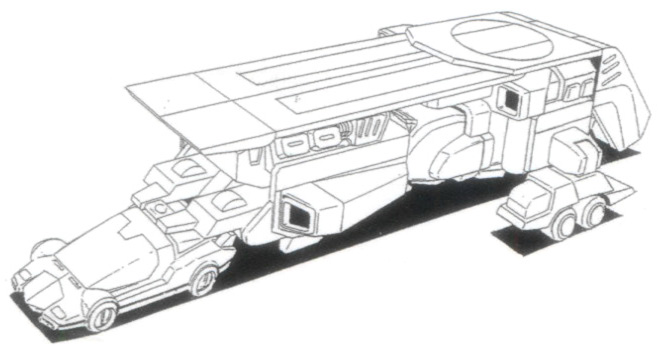
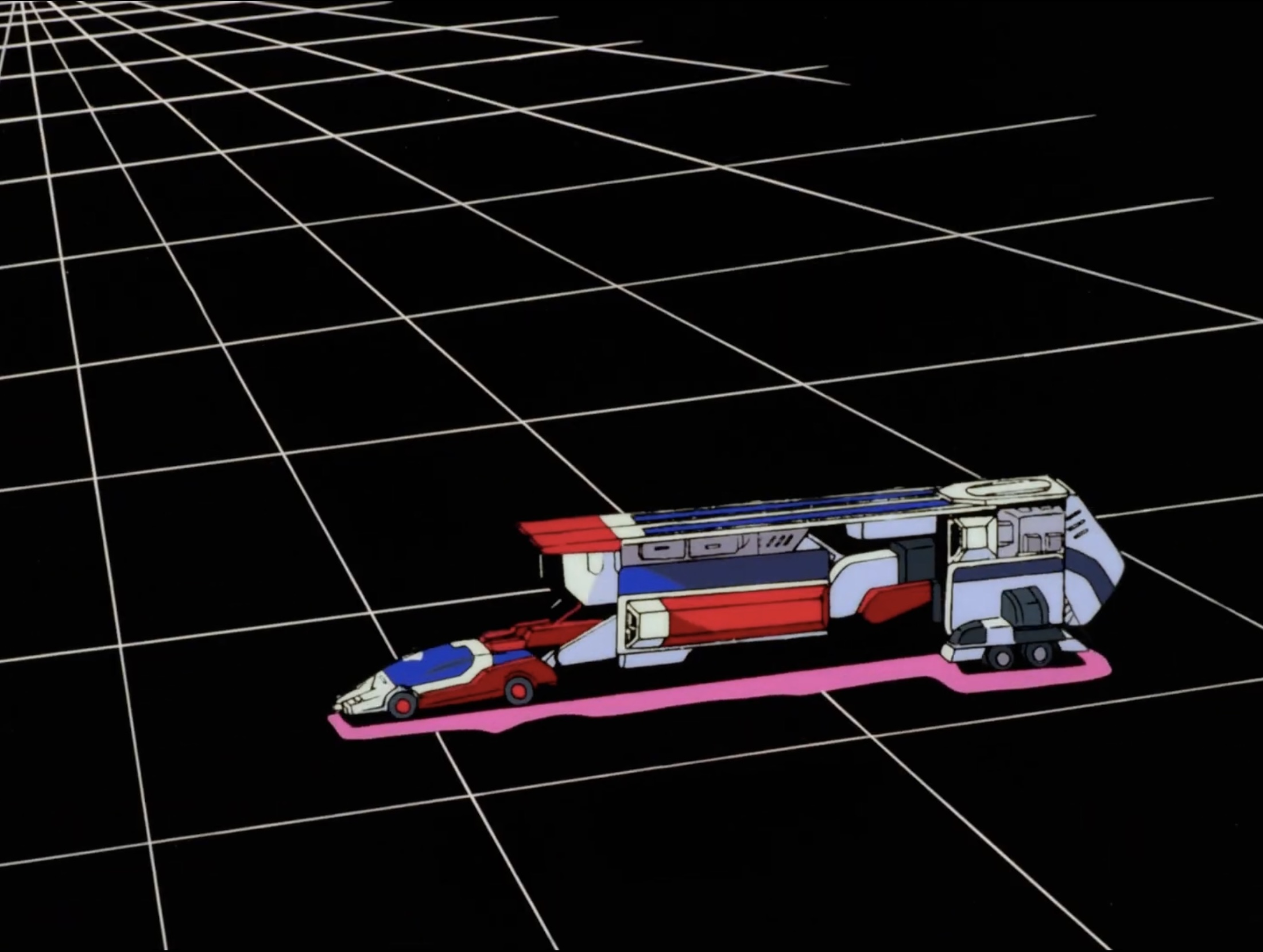
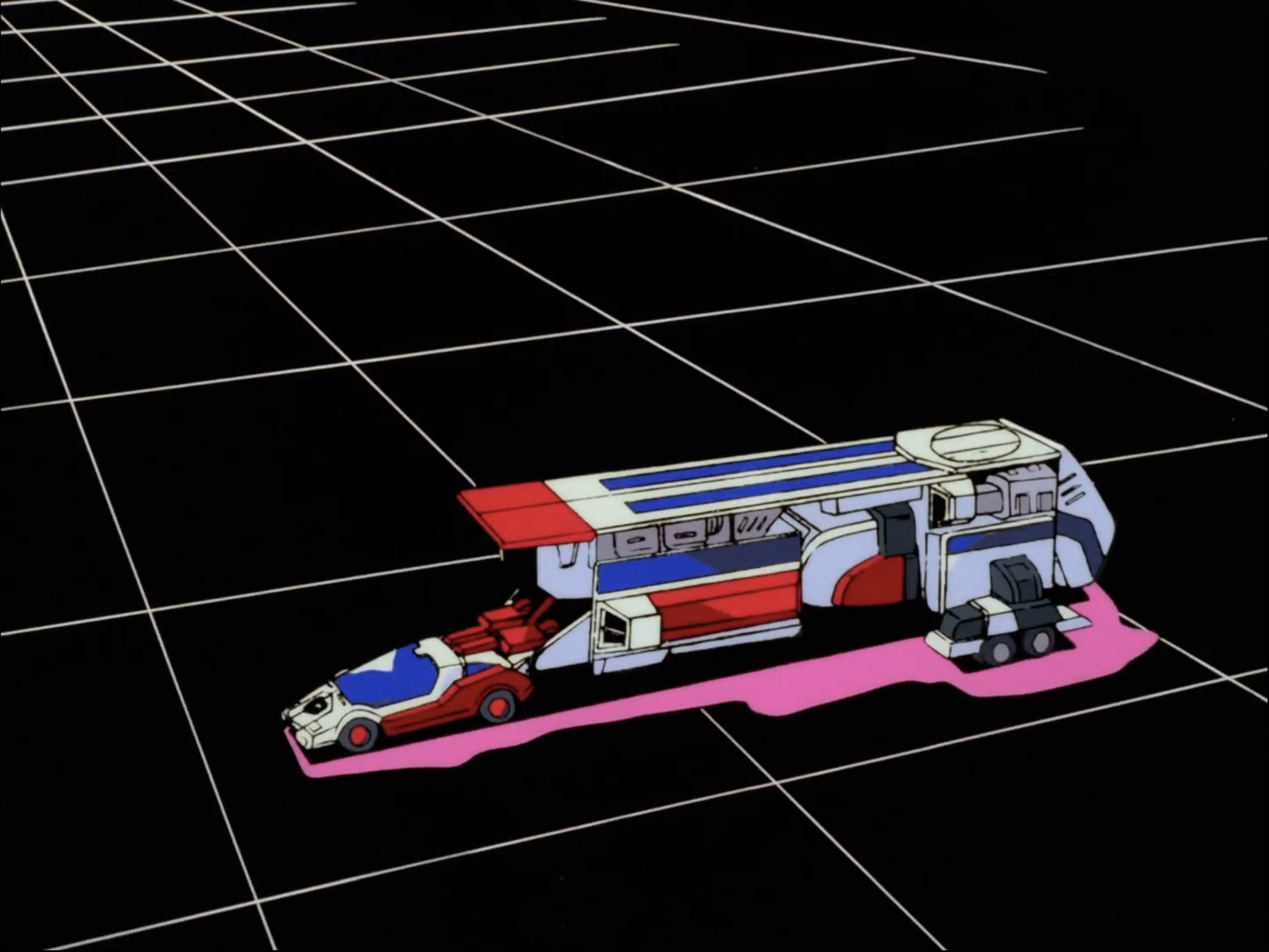
When Exkizer executes his “Form Up” to become King Exkizer, King Roder is portrayed as a kind of power armor relative to Exkizer’s size. If the shots in this combination sequence are to be trusted, the vehicle form of King Roder should be a little less than 1.5 times as long as Exkizer’s car form, which is the case with the original toy. But the official data says King Roder is over four times longer than Exkizer (22.4 meters vs. 5.5 meters), and no amount of reconfiguration or bending of parts can reconcile this incongruity. To add to the headache, the official lineart shows King Roder to be about 2.5 times the length of Exkizer as automobile, and the anime can’t keep this consistent, even within a single shot in the opening!
Exkizer in car mode attached to King Roder: Original toy vs. Anime production lineartvs. Anime opening
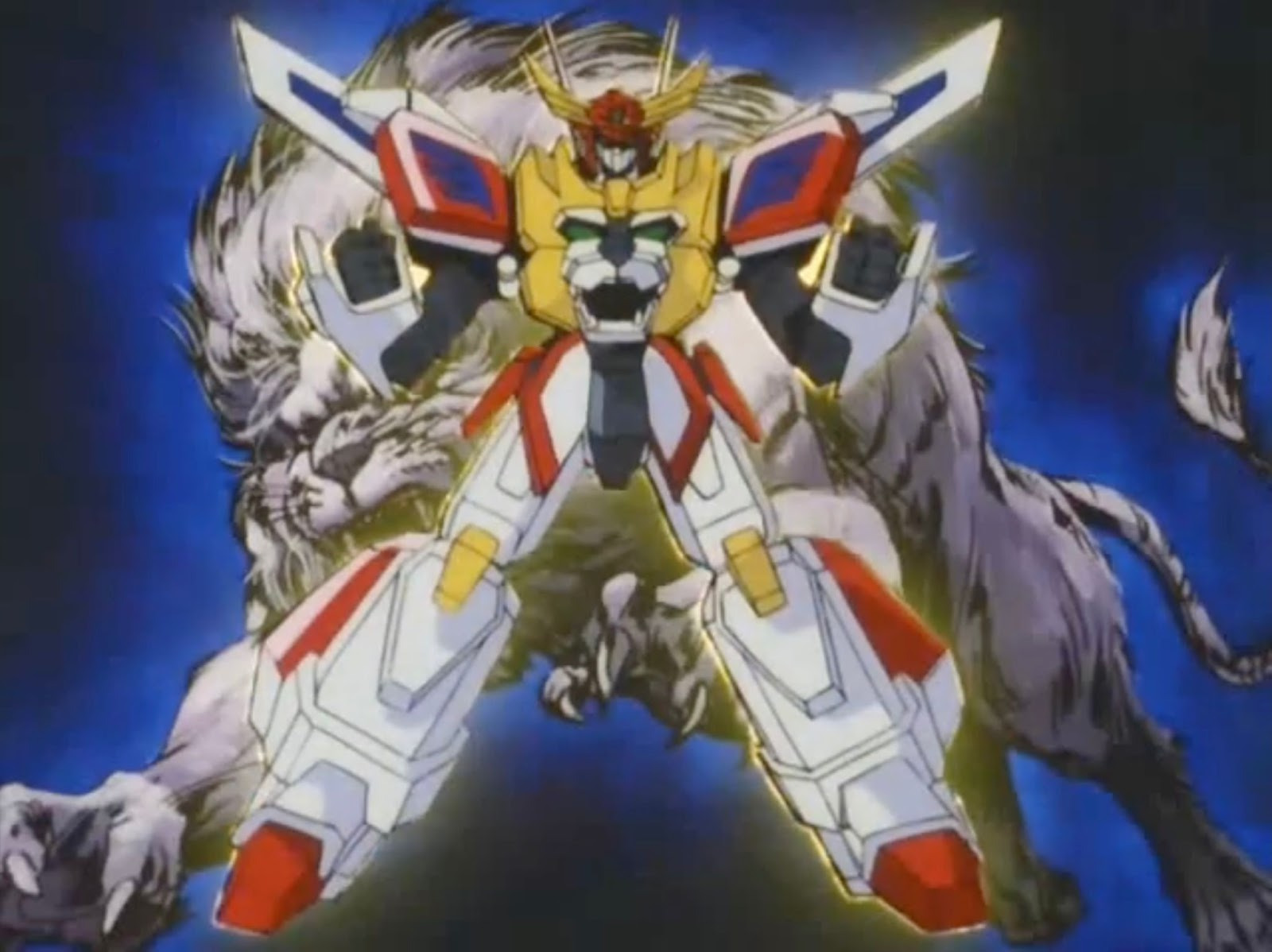
Now, it’s incredibly common for giant robots to not match their official sizes in all shots. That’s just part of anime. Are they taller than the buildings or are they shorter? Depends on the shot! And there are plenty of instances of robots magically changing size as part of the lore, like when Megatron in Transformers turns into a gun, or how the car in Braiger grows bigger for no reason when becoming the robot. The tricky thing in King Exkizer’s case is the fact that the relative sizes of the two robots affect how they’re supposed to join up. As a result, the conflicting info about size ratio between the component pieces can’t be squared away or easily ignored; it’s basically impossible to make all of them work in one toy. And even if you hand-wave away every one of those problems, even the appearance of King Exkizer changes from one shot to the next during his combination, and then those don’t necessarily match up with how he looks when posing for his special attacks.
These issues are so significant that Bandai Spirits released a 12-minute video recounting some of the struggles the designers went through in creating it. That is unprecedented!
Did you know the project actually started eight years ago, and that multiple people in charge of it tried to figure out a solution but failed? A young designer named Fujiki Yuuya (who was a fan of the Brave series born in 1999, after the franchise had essentially been over) was eventually assigned to make a version of King Exkizer for the Metal Build line, only for him to hit a dead end as well because the toy’s mechanisms became increasingly complex. It took advice from the SoC Gaogaigar lead Terano Akira to keep playability in mind and look at the SoC Tryon 3 for inspiration, as well as suggestions from the Tryon 3 project’s Mizuno Masahiro, to help bring it to the finish line.
So, presented with these design roadblocks, how does the Soul of Chogokin King Exkizer strive to overcome them and reach a solid compromise?
The Answer, According to Bandai Spirits
First, rather than try to match the animation depicting the Form Up sequence, they decided to make the scale and proportions relatively accurate to official stats for both the vehicle forms and the combined King Exkizer (Exkizer in car mode might even be a bit too small). However, rather than abandoning the combination concept entirely, Exkizer is still made to nestle into King Roder, albeit in a way that looks different from the anime. The result is something reminiscent of Arc Guren-Lagann inside Super Galaxy Guren-Lagann.
Exkizer Combining with King Roder (Soul of Chogokin)
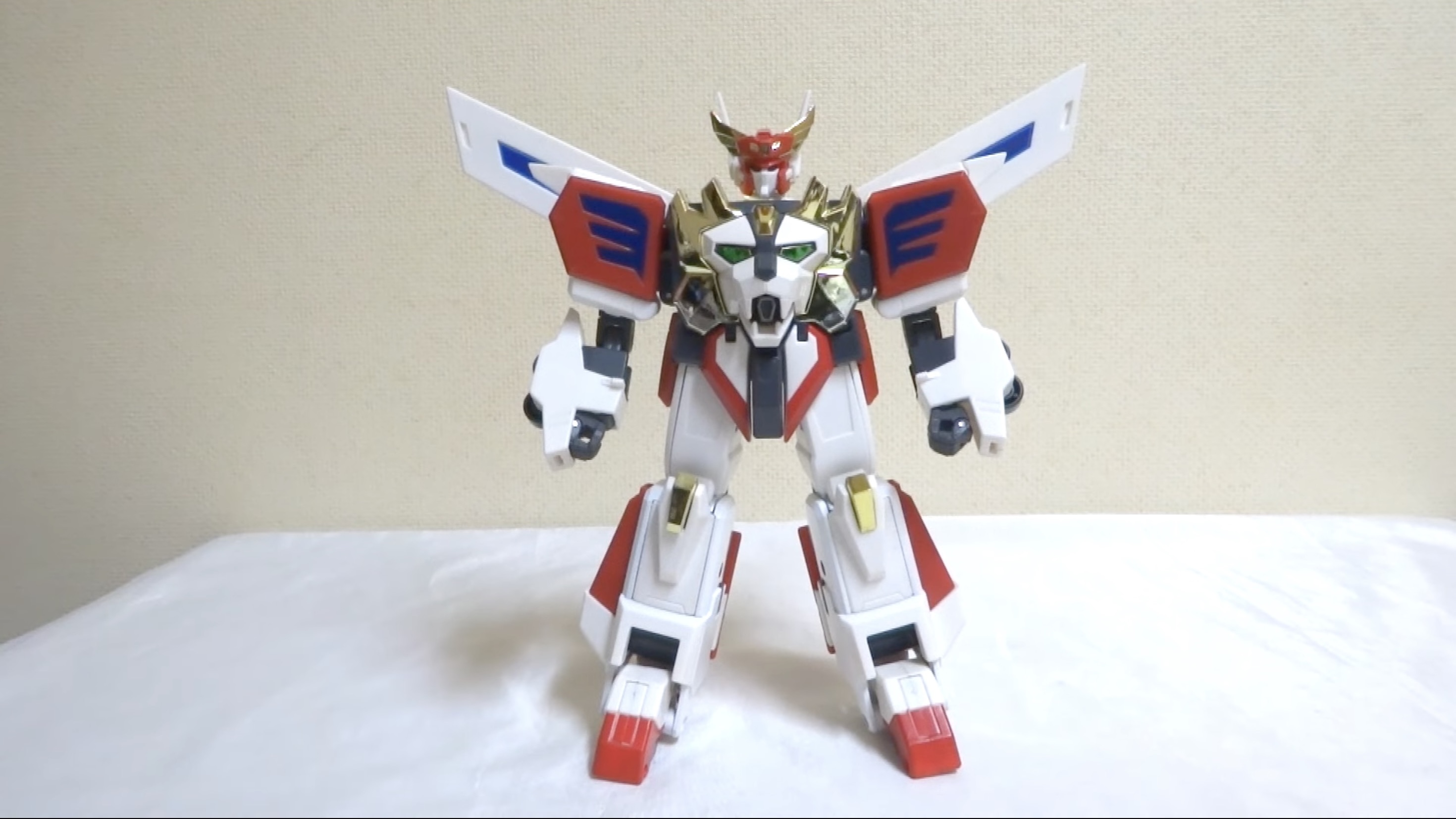
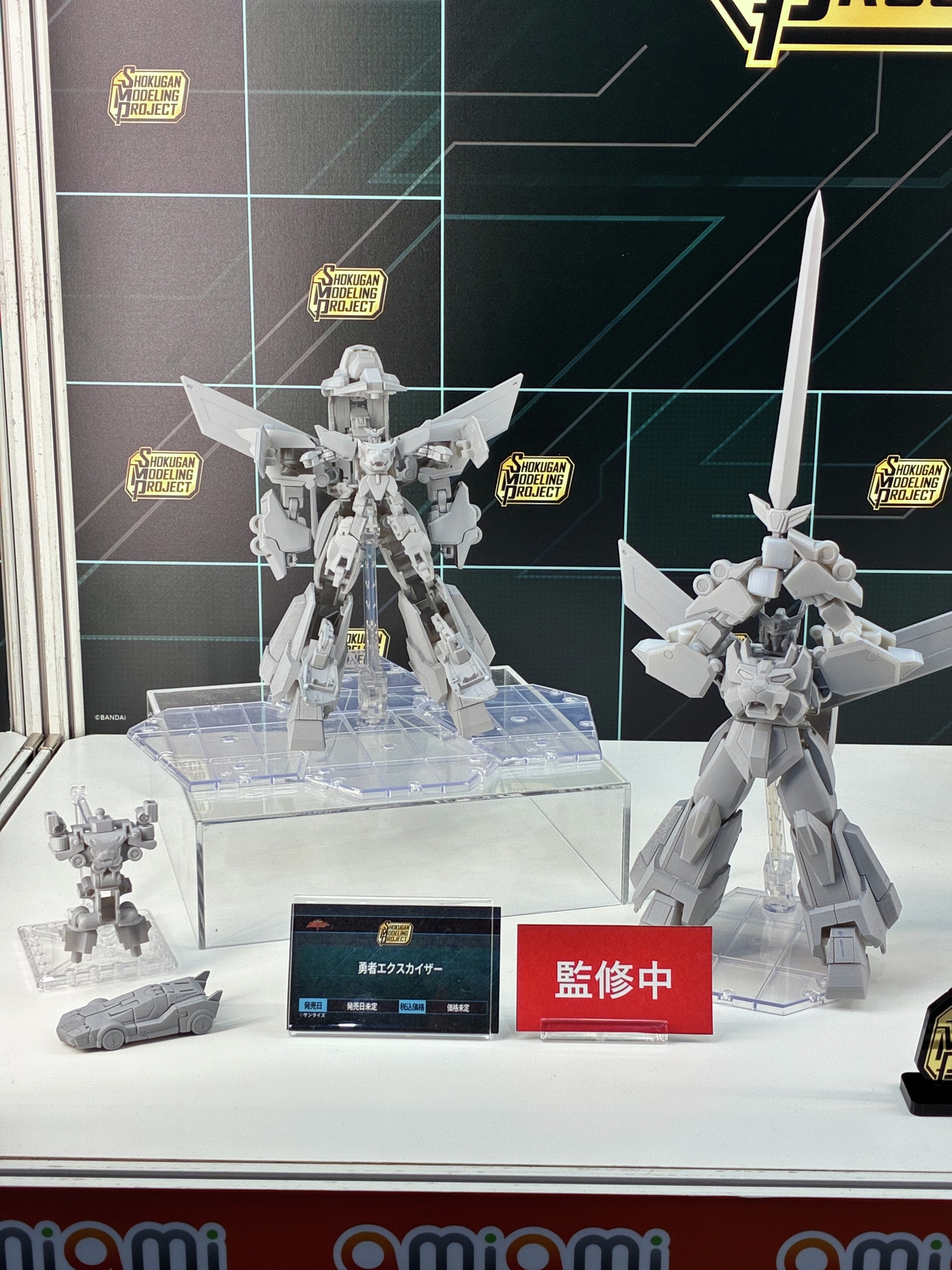
In contrast, a previous King Exkizer figure from the company Toyrise did not even attempt to make this work, instead opting for Exkizer to enter King Roder from the back as a solid block. An even earlier toy, the Masterpiece King Exkizer, somewhat more faithfully captures the combination sequence proportions at the expense of the vehicle size ratios and overall body proportions of King Exkizer, and the Exkizer inside is still noticeably smaller than the anime’s. The same can be said of another upcoming version of King Exkizer, from Shokugan Modeling Project.
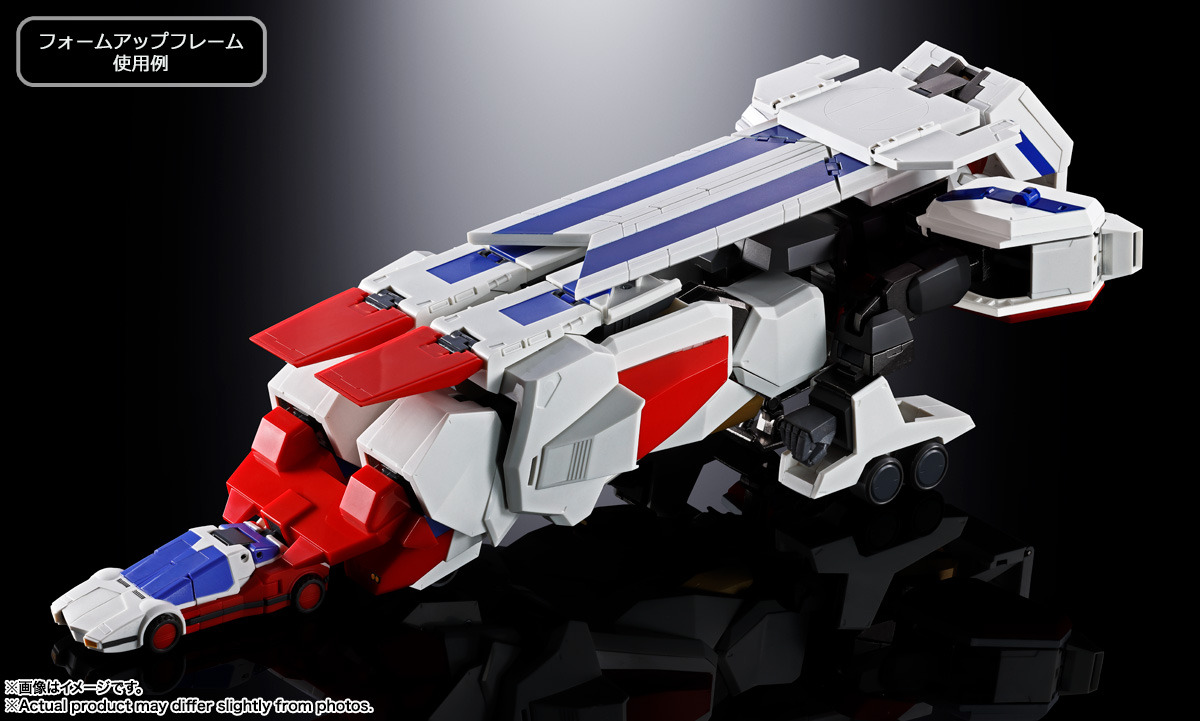
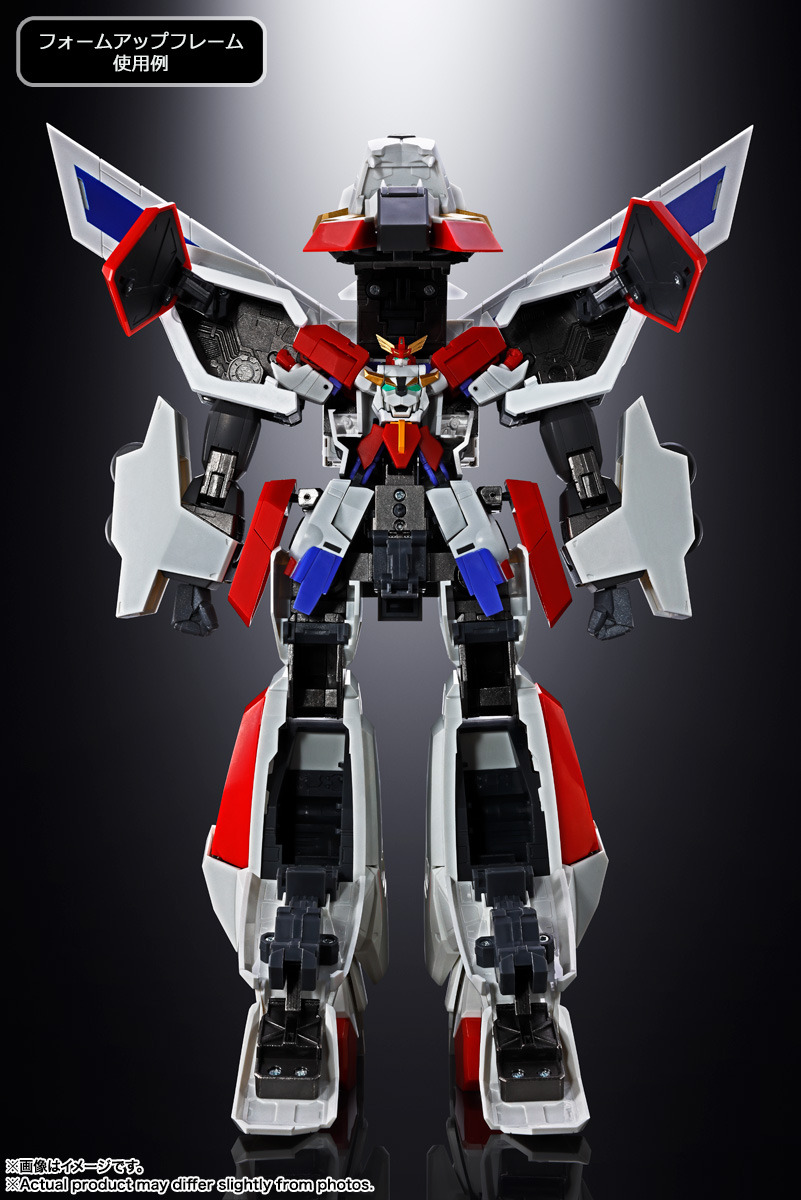
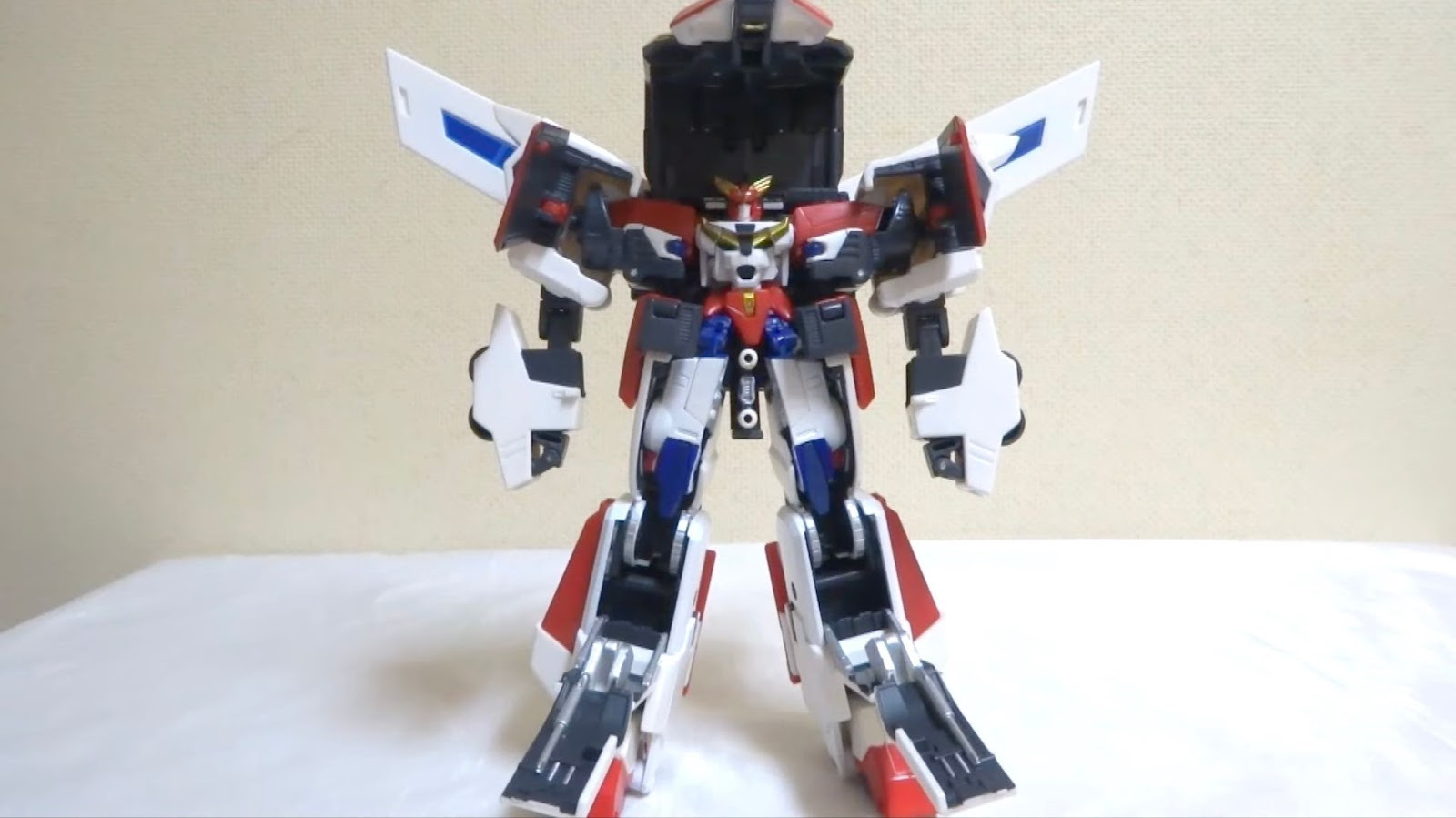
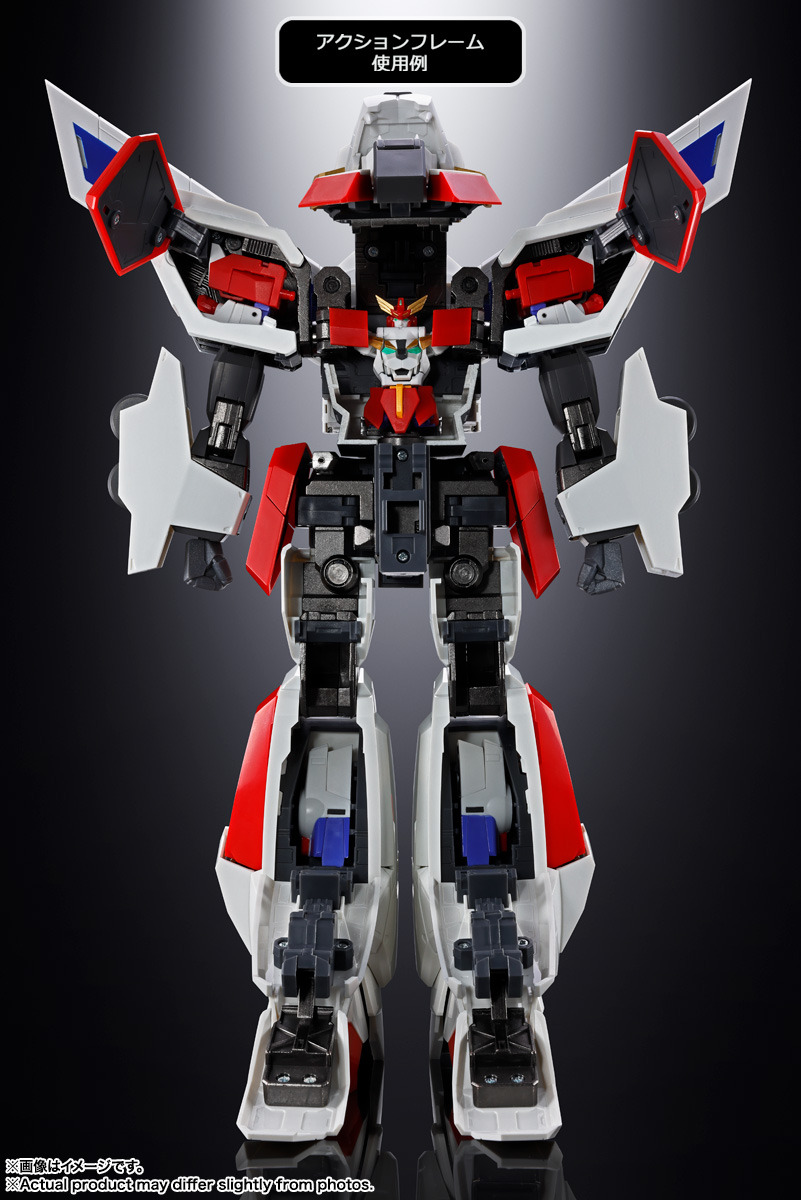
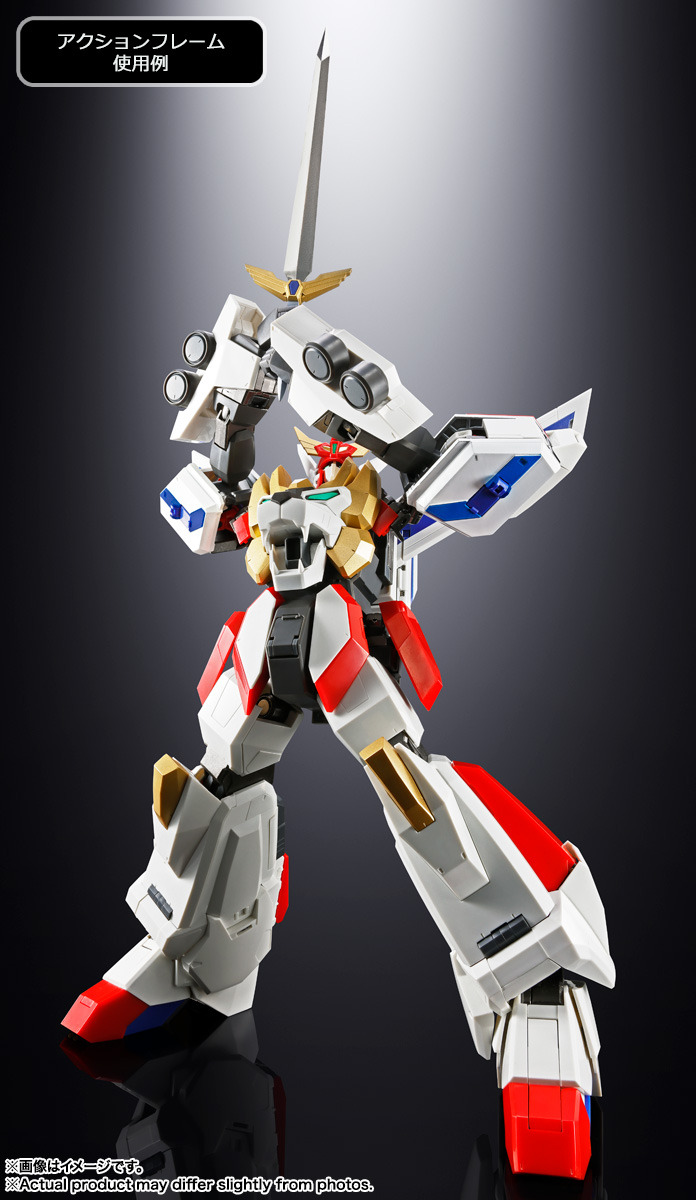
Second, King Exkizer actually has a couple of swappable inner parts: a “form-up” frame that more faithfully lets Exkizer enter King Roder fully intact, and an “action” frame that allows for greater poseability. A lot of previous entries in the SoC line were made to go in one direction or the other, but in the case of Brave Fighter Exkizer, the combination sequence and the Obari Masami–esque poses are such iconic parts of the anime that they both appear to have been deemed necessary. This is accomplished by having the limbs of Exkizer split up and stored in different parts of King Exkizer’s body when using the action frame.
Form Up Frame vs. Action Frame
Fan Reaction
The actual final form of the figure looks good and seems to generally have the polish and articulation one expects out of the SoC line. Social media shows plenty of positive feedback too. The reason this figure is the subject of debate comes down to the fact that fans disagree about the most important aspects of King Exkizer to preserve.
They might consider the “power armor” aesthetic (and the proportions needed for it) more important than keeping the official sizes of Exkizer and King Roder. Or they might find that the use of different frames to prioritize different types of play over-complicates things. Or they might even deem the Obari-faithful poseability and limbs to not be worth the other sacrifices. Ultimately, it seems impossible to please everyone, and the fact that it feels like a damned if you, damned if you don’t scenario makes me wonder if that was a factor in delaying the project.
It’s tempting to point to fellow Brave Robot Gaogaigar and ask why they couldn’t do something similar to its SoC. Yet one has to remember that not only is the King of Braves just a bulkier design in general with fewer displays of extreme poseability, but the extremely intricate Final Fusion combination is such a defining part of Gaogaigar that it has to be the #1 priority. King Exkizer’s Form Up doesn’t compare.
The Devil in the Details
In thinking about all the hurdles Soul of Chogokin King Exkizer encountered, one thing that comes to mind is that most classic of combiners: the original Getter Robo. In its anime, the vehicles form the main robot in a manner that is literally impossible to replicate with physical materials. Body parts just magically appear out of nowhere, and the overall shape shifts like a blob to accommodate things. The Soul of Chogokin line never even bothered with making combining toys of Getter Robo, and attempts to create one have been awkward at best.
While King Exkizer seemingly shows none of those Play-Doh qualities, it’s not that far off. In isolation, each depiction of an exciting mechanical detail trick viewers into thinking that it all makes sense, but when you take the whole of it in, you realize it’s basically tossing aside overall consistency in favor of Rule of Cool. That works just fine in animation, but it’s clearly a conundrum for toy makers.
In essence, King Exkizer in animation is like having incomplete versions of 10 jigsaw puzzles, all of which are depicting the same general image while also having subtle differences in size, number of pieces, and other finer details. The premium toys and figures are, in turn, attempts to combine them into one cohesive image that can satisfy everyone. It’s an impossible task, and yet the fans and designers alike keep hoping that a real solution is out there. Whether the Soul of Chogokin rendition is the right move really is in the eye of the beholder.
There’s something I find really funny about the current state of shounen anime and manga fandom.
On the one hand, you have an online fandom that loves battles and action scenes. “Who comes out on top in a 1v1?” is a perennially popular question, and I understand the appeal. You have all these powerful warriors around, be they awe-inspiring heroes or dreadful villains or something in between, and you want to either support your favorites or genuinely think through the question of who’s superior. Beyond the immediate domain of Shounen battle manga, there’s an entire cottage nerd industry built around exploring this idea: Who would win a Death Battle?
On the one hand, a lot of the big series in recent years, particularly the ones that have been finishing up, have emphasized themes surrounding group effort. While “the power of friendship and teamwork” is a longstanding staple of shounen anime and manga, titles like Demon Slayerand My Hero Academiafeel more about collective action and understanding that even if you’re not the strongest, your contributions matter. What makes someone the greatest isn’t how hard they hit or how many foes they can take down single-handedly, but conviction and a desire to help.
You end up having this combination of fans who care a lot about who’s the biggest badass around trying to mine stories where that’s of diminished importance. It would sometimes make more sense to ask who wins in a 1v1 between romance manga heroines. Certainly not all shounen fans think this way, and even those who love the big fights aren’t necessarily obsessed with ranking characters in a tier list. But just the fact that these two aspects exist, and they are almost in direct conflict with each other, both amuses and frustrates me.
PS: Who wins in a fight between Sawako from Kimi ni Todoke and Hachi from Nana?
I feel like all my hobbies have been very enjoyable lately. Great shows are airing, cool streams are happening, and creativity in all its forms needs to be cherished and fostered. At the same time, I feel like the world is falling apart, or at the very least revealed to be a house of cards encouraged to collapse at the whims and mania of the powerful. I think I have to remember that the arts alone do not change the world, but they can empower and inspire people to imagine a better world that we can all strive towards.
I feel incredibly proud of all the regular people who refuse to be bullied by people with the frailest egos imaginable.
On to the blog-specific things!
Thank you to my Patreon members, and a particularly big thanks to the folks below:
Kio responding to a person who considers Haraguchi from Genshiken their “#1 oshi,” and asks whether the character has a full name. Kio’s answer: He never came up with one.
Precure has been the juggernaut of girls’ anime for the past 20+ years, and the most common way for others to compete has been by making shows focused on music idols. So when You and Idol Precure was announced as the first entry to also incorporate this popular motif, I wondered how it might try to differentiate itself from the rest of the pack.
You and Idol Precure is a return to the beams-and-brawls style that had long defined the franchise but was minimized in the most recent predecessor, Wonderful Precure! In this way, You and Idol Precure is also a series that speaks to the legacy of both “magical girl as idol” (Creamy Mami, Looking for the Full Moon) and “magical girl as fighter” (Cutie Honey, Sailor Moon). I had high hopes that this season could combine the two sides in an interesting fashion, and while I think it overall turned out decently, I can’t help but feel that there was some wasted potential.
The building blocks are excellent: The premise of bringing joy and defeating doubt as idol magical girls is fun. The heroines are vivid and memorable in terms of personality and presentation. The animation, while at times inconsistent, can really shine, such as during big battles and transformation sequences. Side characters, be they allies or enemies, have a nice balance between seriousness and silliness. And the show tries to basically say that people have both light and darkness in them, and celebrating the former shouldn’t mean denying the presence of the latter.
But the series falters for me in two ways. The first is that its approach to the idol side feels both a little too conventional, and like it doesn’t lean into that side enough. The second is that the show doesn’t give its more interesting stories and themes enough room to really breathe and develop.
In regard to point #1, part of me hoped that the series would be them going around and having to live their careers as idols while taking down the bad guys. While this is not far off from what actually happens, I really think it could be more exciting. Similarly, every heroine in the series does a special song and dance as their finishing move highlighting their unique qualities: Cure Idol loves to sing, Cure Wink has a classic western music background, and Cure Kyunkyun is a dancer. Naturally, they eventually get group performances as combination attacks, but it ends up being the same ones on repeat, and the emphasis on what makes each Precure special falls to the wayside. If they had changed up the center based on who is the focus in an episode, they could have maintained this aspect.
As for point #2, there are a number of characters introduced that help give some depth and dimension to the world. There are narratives that involve dealing with sacrificing your greatest desires to help save the ones you love, ones about getting consumed by negative emotions, and even ones about guilt over succeeding where your friends and peers have failed. All of these have the potential to guide plotlines in ways that reward viewers over a longer period, but they are almost all resolved in one or two episodes. One story—involving a famous male idol who befriends the main heroine Uta and his desire to reconcile with an old friend—is probably the best executed of them, but I would have liked to see even more in that vein.
I know I’m not the target audience in most ways. I’m not a little girl or even much of an idol fan (despite my ever-growing interest in VTubers). In fact, seeing as I’ve now been watching Precure for over two decades, the gulf only gets wider with time. I’m aware of all this, and understand that what I want out of an anime is not necessarily what a 9-year-old wants.
But I’ve seen when Precure can make something for its core audience and still present something with greater substance. I don’t think this is a case of Precure failing to respect the intelligence of its young audience, as I really believe it’s trying to help them understand and process complex and conflicting emotions while providing great role models to admire and emulate. Rather, I believe You and Idol Precure could have been a more cohesive work that more deftly sews together all its best qualities to create something truly fantastic.



 OGIUE MANIAX