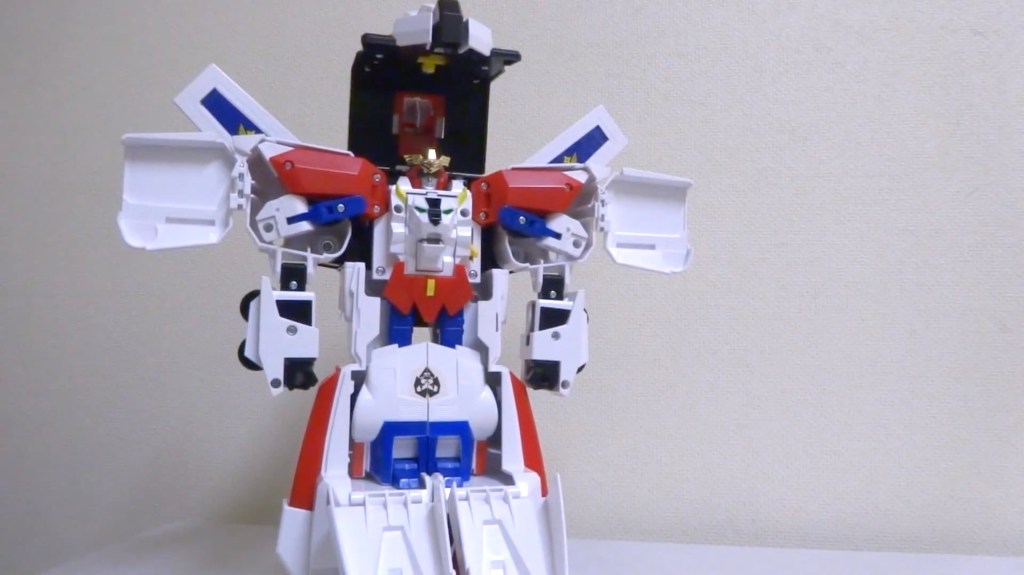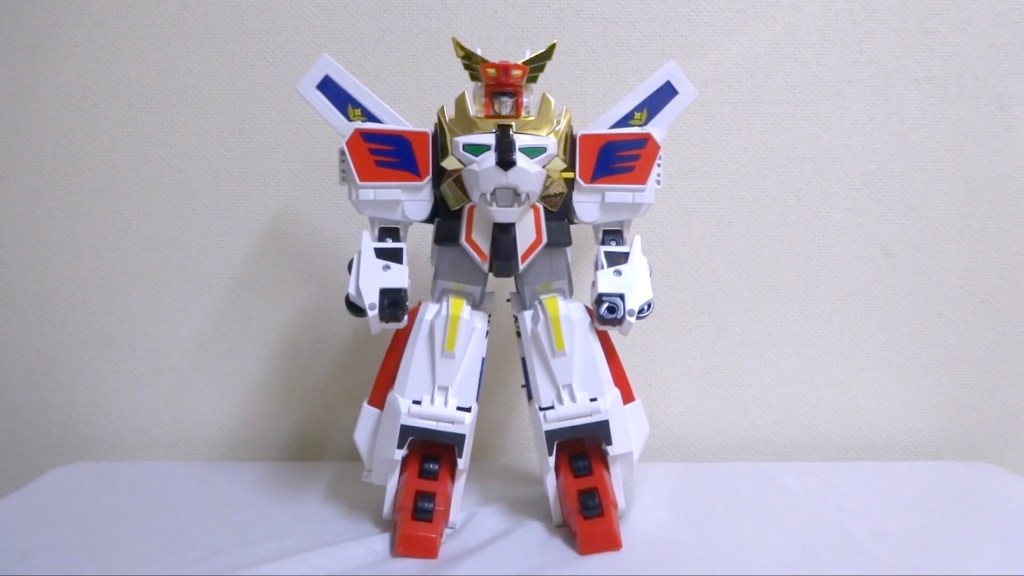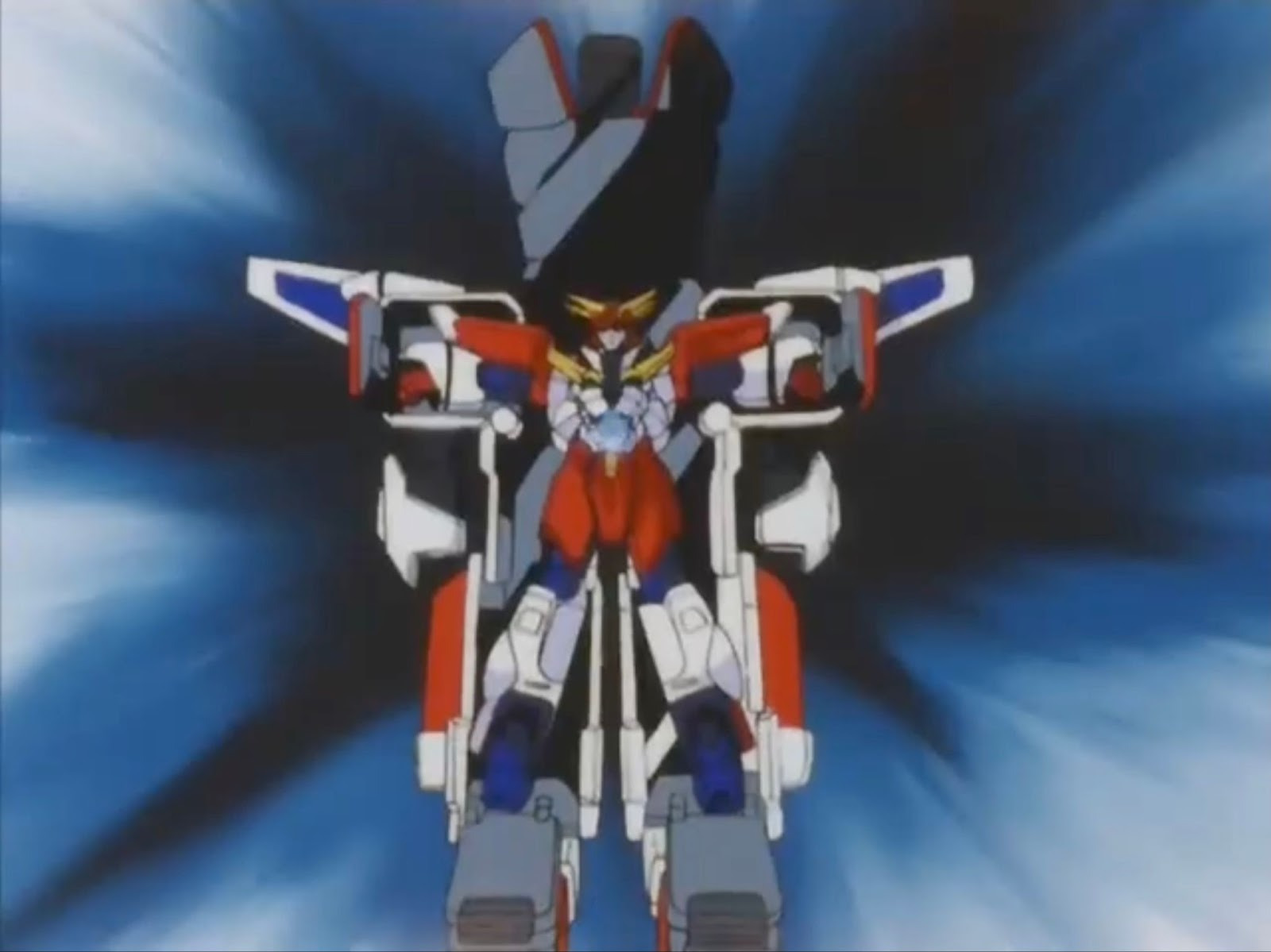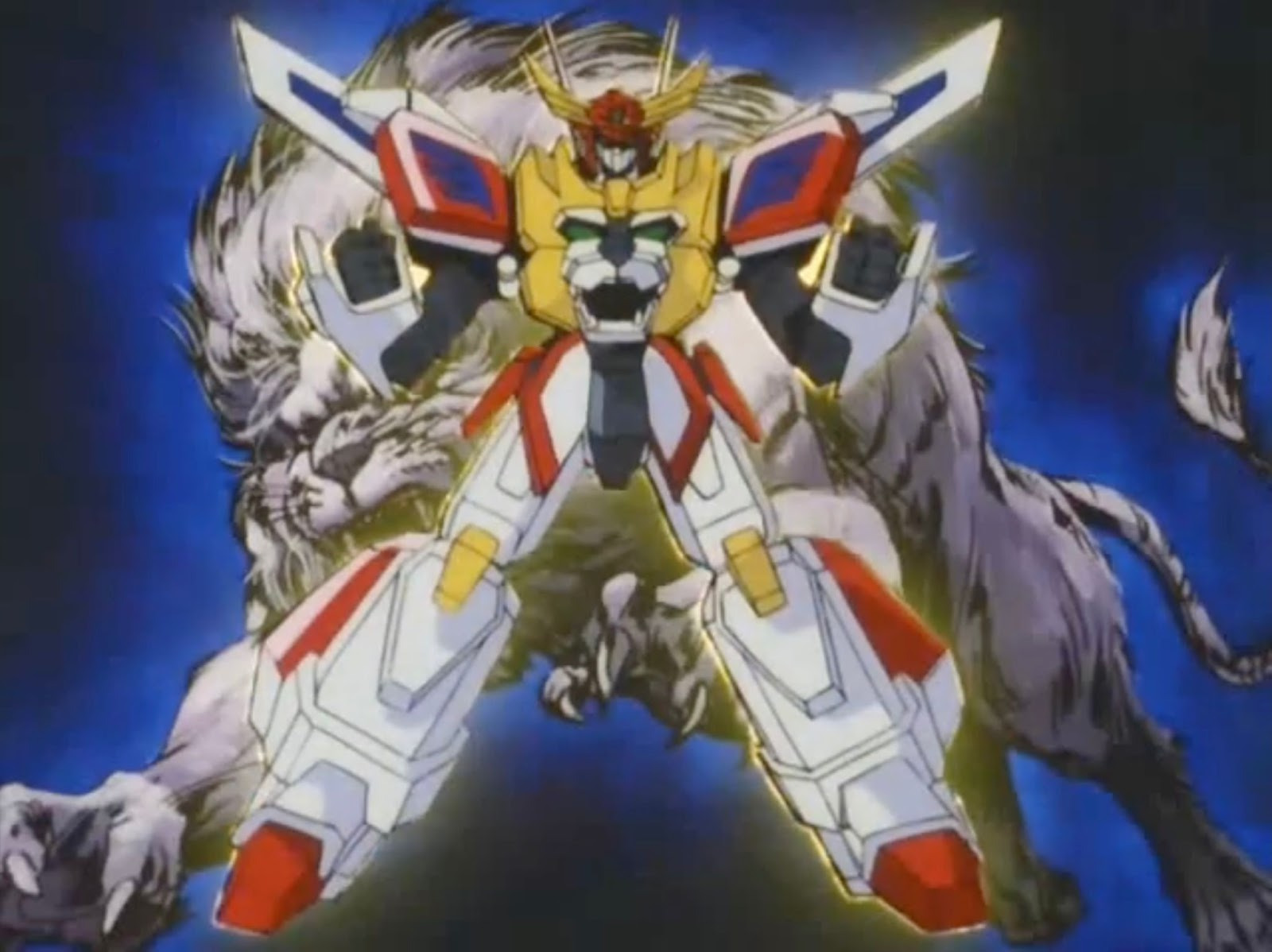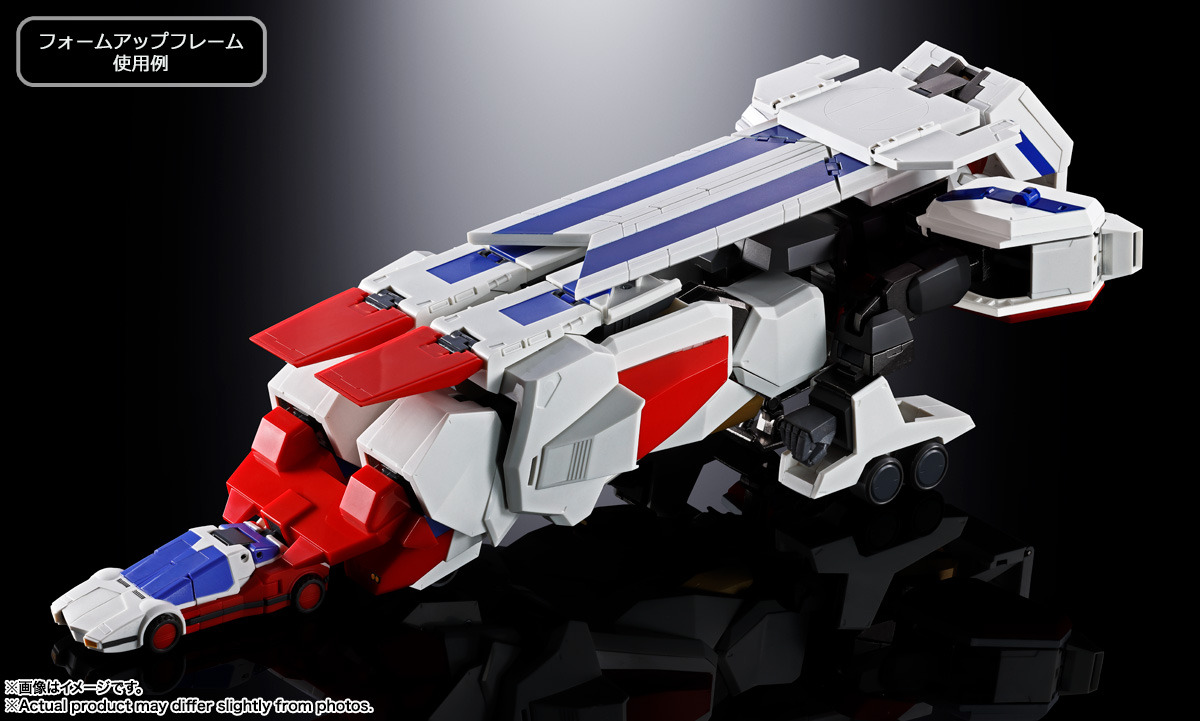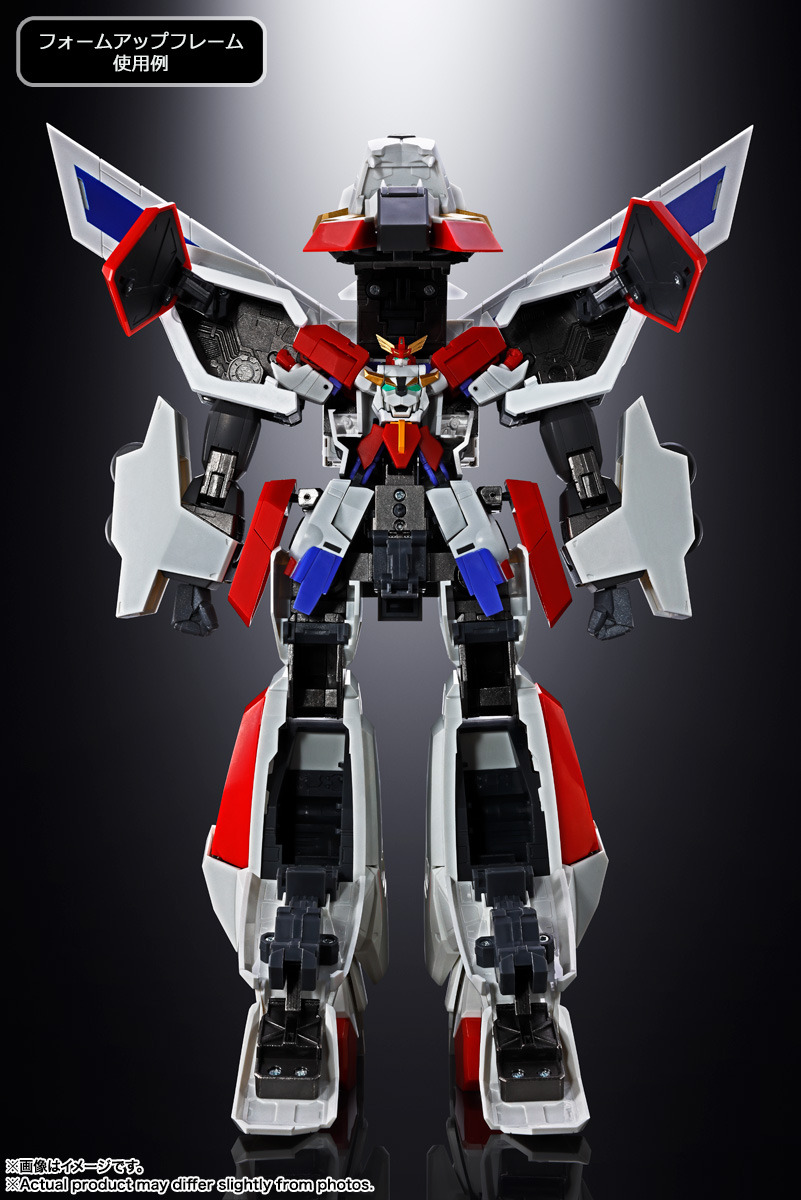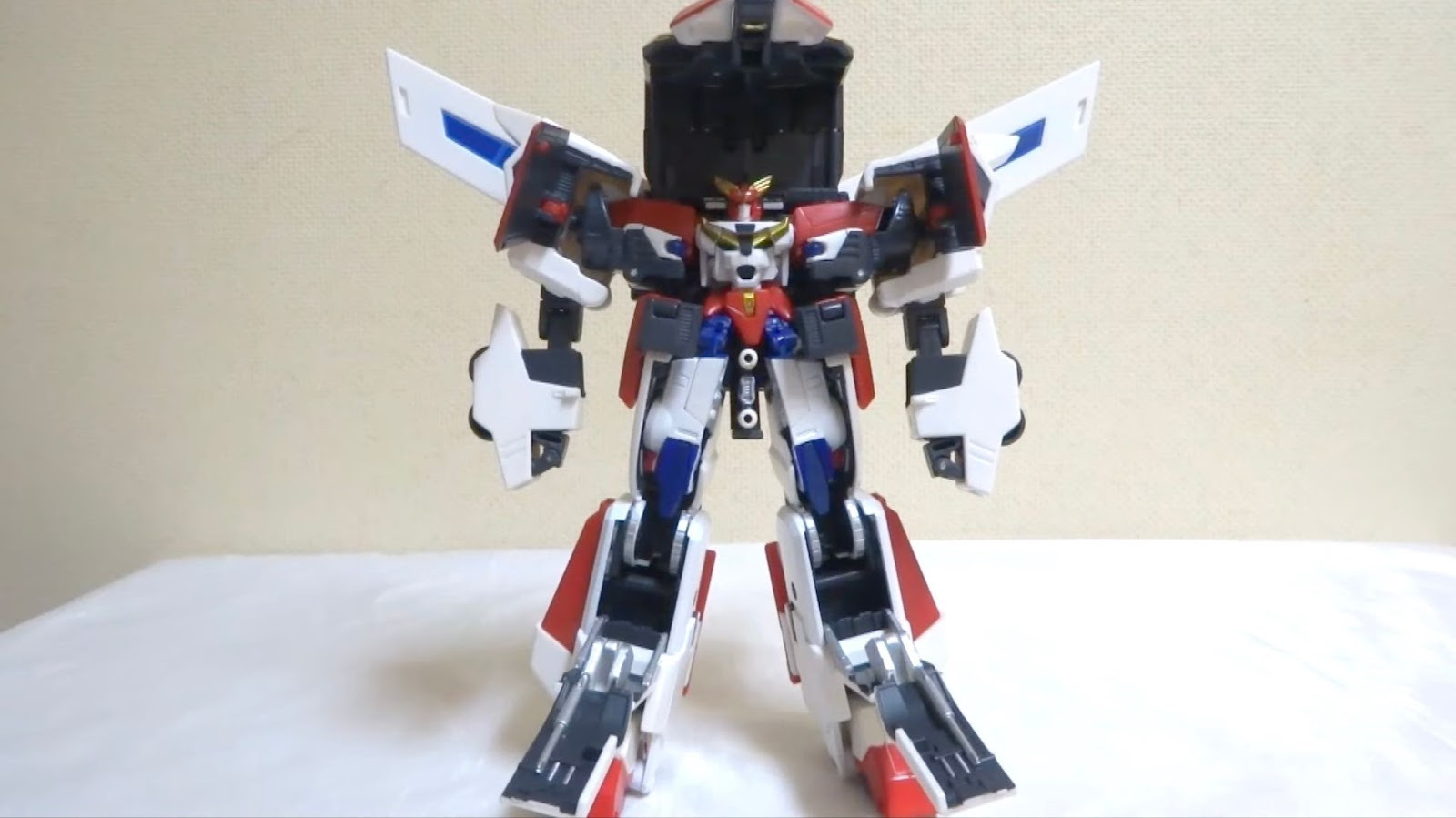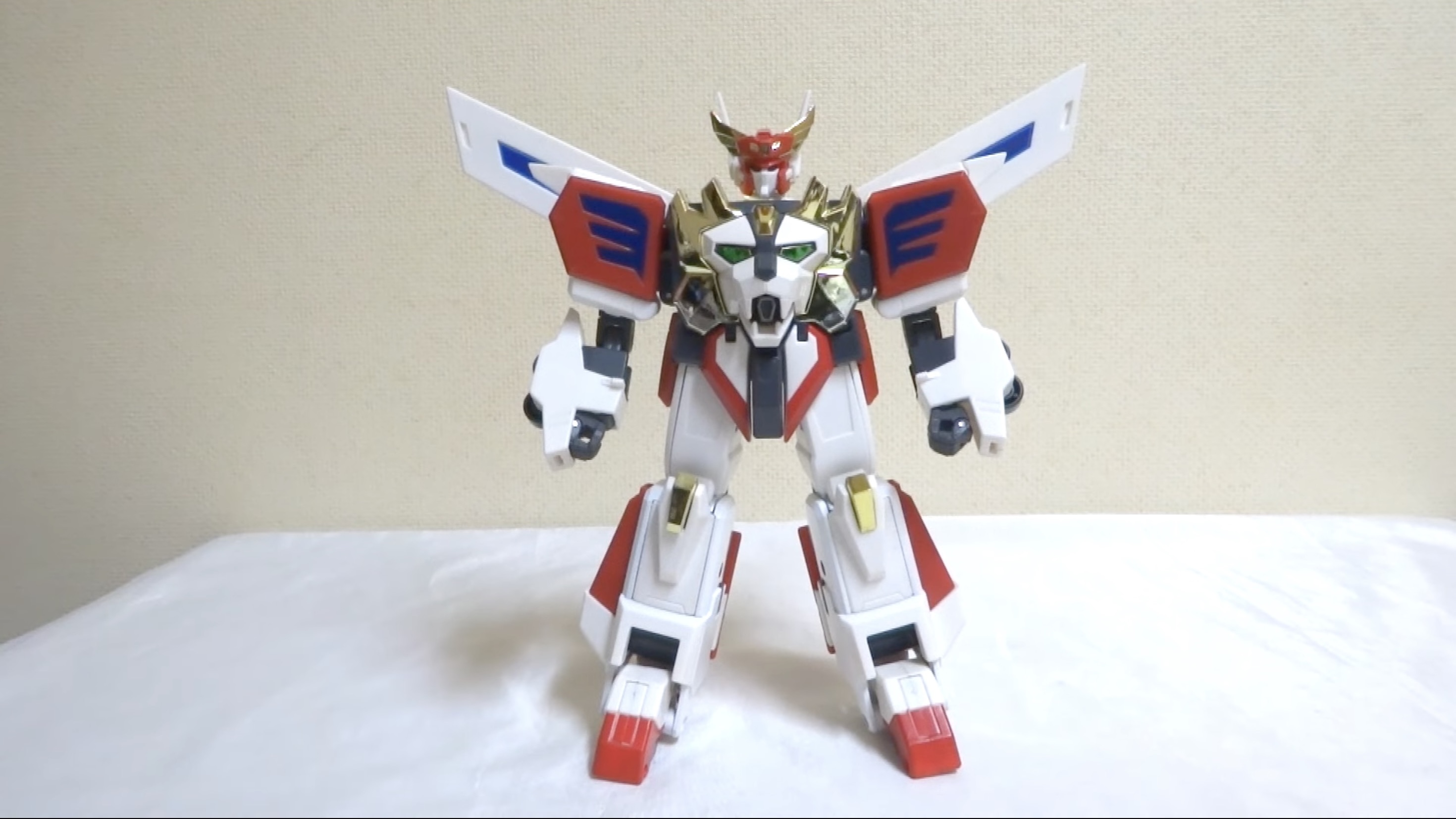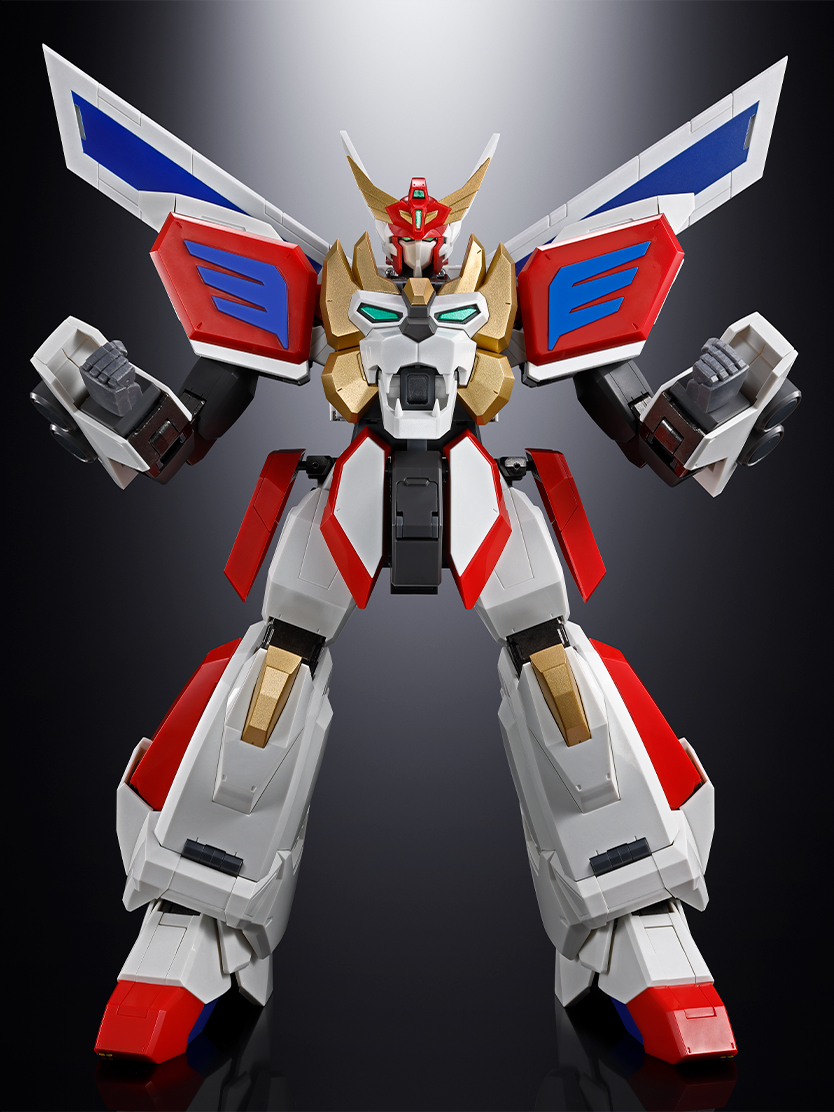
Gundam GQuuuuuuX is a work that has a lot to potentially talk about, especially because it both utilizes and deviates from a lot of established Gundam lore. This is a followup to my overall review of the series, where I now want to take the time to put forth what I consider my biggest GQuuuuuuX theory as a result of the show’s final episode: The Gundam QuuuuuuX mobile suit is possessed by the spirit of the original Amuro Ray. And by original, I mean original.
Before I elaborate, I want to make two notes. First, there will be MASSIVE SPOILERS.
Second, I’ll be discussing the actor Furuya Toru, the original voice of Gundam protagonist Amuro Ray, someone who’s become persona non grata due to revelations of adultery and domestic abuse. While I myself have soured on him because of this and am deeply disappointed by his actions, he still played a role in the finale that I think is meant to have greater implications than just being a fun callback. Thus, the analysis below takes into account what I believe is the effect of his inclusion.
With that, let’s begin.
In the final episode, as Machu in the GQuuuuuuX is fighting Shuji in the original-design RX-78-2 Gundam, the GQuuuuuX unlocks the true form of its Omega Psycommu. Within the rush of the kaleidoscopic “kira kira” Newtype space, the voice of Furuya Toru speaks to Machu and Shuji and says, “I can’t bear to see the Gundam taking Lalah’s life again.”
One would assume that this is the Amuro from “Rose of Sharon” Lalah’s universe, but here’s the catch: Lalah never died there. While extremely similar, the Lalah we see in the Elmeth is established to be different from the Lalah in the original 1979 anime and the film trilogy. In her world, Char dies instead of her, and the shock causes her to slip into alternate timelines where he survives. In fact, according to Shuji, more often than not it’s Char who dies instead.
This is why I believe that this is “our” Amuro Ray, the one we saw go through Mobile Suit Gundam and on. And on top of that, I think this was his fate after the end of Char’s Counterattack.
Additionally, while not a direct reinforcement of the above point, I want to point out the significance of the true name of the Omega Psycommu that’s inside the GQuuuuuuX. Challia Bull reveals that it’s actually called the Endymion Unit, and those familiar with Furuya’s voice roles might find that it sounds familiar. This is because Prince Endymion is the original name of Tuxedo Mask in Sailor Moon before he reincarnated as Chiba Mamoru, and Furuya plays this character in the 1990s anime. In other words, the Endymion Unit is a reference to a character played by Amuro Ray’s actor—one who failed to save his lover and was reborn into a watchful protector who helps guide Sailor Moon. Even if only meant to be a fun reference, the thematic parallels are hard to ignore.
Also, the way the GQuuuuuX looks when the Endymion Unit is unleashed is very reminiscent of Neon Genesis Evangelion, where the EVAs themselves contain the souls of other characters who (for the most part) watch over their pilots.
One thing that GQuuuuuX also does is imply that the vaunted esper-like abilities of Newtypes are quantum in nature, in that they can see multiple possibilities and choose the right one, somewhat like the Doctor in Doctor Who. Perhaps Char’s Counterattack Amuro ascended to a higher level of this, and in spirit form traversed alternate universes to find the Rose of Sharon.
If all this were to be true, that leaves me to wonder about something else: If the GQuuuuuuX houses the spirit of the original Amuro Ray, where is the original Char Aznable? Could it be that the Red Gundam, i.e. the RX-78-2 of the GQuuuuuuX world, is actually possessed by Char? When the GQuuuuuuX Char pilots it, does that mean we’re getting Double Char? Were that to be the case, this would mean Amuro and Char have decided to work together to save this Lalah from living through endless tragedy.
I prefer to review shows after they’ve finished, so my plan has always been to wait until the end of the TV series to give my more complete thoughts. However, the way Mobile Suit Gundam GQuuuuuuX fueled speculation every week with every reveal means that it’s hard to separate it from the hype train surrounding its broadcast. One question I have to ask myself is simply, to what extent do I judge the show removed from the moment when that energy was so important to its release?
Complicating all this is the fact that I can’t pretend that all the nudges and winks at the fandom weren’t up my alley. To that end, this ends up being less of a review and more the ramblings of a long-time Gundam fan who tries not to care too much about the nitty gritty of lore but still gets excited about it nevertheless, especially when GQuuuuuuX is built heavily around that world building.
The Beginning (Literally)
My introduction to GQuuuuuuX was through the movie from earlier in the year. I went in knowing nothing beyond a few promotional images and one curious spoiler that had me more confused than anything, and I figured Gundam GQuuuuuuX: The Beginning was some new franchise entry. Then an all-too-familiar narration began accompanied by an iconic colony drop deliberately made to evoke a simplistic cel animation, and by the time Char Aznable stole the Gundam, it was clear that we were not working with an alternate universe so much as an alternate timeline.
Coming out of the theater, my #1 thought was “The world’s biggest Challia Bull fan must have waited decades to pull this off.” The Beginning actually takes a one-off character from the original TV series and turns him into one of the biggest badasses around, a decision that could only come from some incredibly hardcore fans at the helm. To then also make it a show that establishes an alternate history where a Zeon victory during the One-Year-War creates a whole host of different consequences in the lives of characters both new and old, both famous and obscure? That’s some kind of fever dream only a complete nerd could create, and I mean that in a good way.
With GQuuuuuuX, you have a work that clearly anticipated the whole spectrum of Gundam fandom as an audience. Its what-if nature is catnip for old-school Gundam fans, the female protagonist and other setting elements resemble the wildly popular Witch from Mercury in some ways, and it would only be natural to assume at least some new viewers curious about this Gundam thing or who are perhaps drawn in by the characters and aesthetics. My own love for the franchise runs nearly the full gamut, and this bringing together of generations only made things better in my eyes, especially because that clash of eras is also reflected in the characters themselves.
A Gathering of Generations
When I say the characters are of different generations, it’s not just about some being older than others, or a reference to the fact that the character designs suddenly take on the classic Yoshikazu Yashuko aesthetic when the story jumps from the year UC 0085 back to 0079 and the One Year War. The younger characters feel reflective of our current times in the year 2025, and they behave differently from not just the older vets surrounding them but also the teenage characters of past Gundam series. The main heroine Amate “Machu” Yuzuriha looks for meaning and self worth through illegal mobile suit matches (“Clan Battles”), starts a close yet adversarial friendship with the other major heroine Nyaan (a refugee on the run from the law for illegal entry), navigates a complex love triangle she wants desperately to believe her supernatural psychic connection to the boy Shuji is unique to her, and desperately hopes other characters she meets won’t be trapped by her circumstances. I can’t fully describe why, but the way she takes to the unfamiliar world of mobile suits and Newtypes, excelling in some areas and being frustrated by others, just reminds me of modern-day teenagers and the challenges they face.
The alternate history helped propel a lot of the speculation that accompanied GQuuuuuuX. Every week, more and more characters from Gundam history would make appearances and get people abuzz. Some are fairly well known side characters, like the Black Tri-Stars (fighting in Clan Battles), Basque Ohm (still formidable but with less power and influence), and Sayla Mass (who seems to have become the ace of the Federation in the absence of Amuro). But then you have extremely minor faces show up, like Cameron Bloom (Mirai Yashima’s fiancee) and Gates Capa (a Zeta Newtype), and even figures who are original to GQuuuuuuX but have threads connecting to other figures, like ace pilot (and popular mom character) Shiiko Sugai and Cyber Newtype Deux Murasame. Additionally, undergirding all this is the persistent presence of the distinct refrain of “La…la…” heard whenever Newtype characters experience a psychedelic vision. This sound is all too familiar to old Gundam fans, and the very possibility that this is a series connected to Lalah Sune, the tragic Newtype girl who loses her life trying to protect both Amuro and Char from each other, is uniquely appealing. GQuuuuuuX is brimming with fanservice, and it’s the kind where the fans they’re servicing are often those Gundam otaku running the entire ship.
Overflow
So here we have an anime packed so tightly with storylines and character threads that it can be difficult to see how all this can all fit into 12 episodes. The answer is that it kind of doesn’t, and that there are potentially many untold or unfinished stories that could spring out of GQuuuuuuX. Also, the shifting emphasis between new and old characters could make it difficult to figure out who the audience should concentrate on the most. Amate, Shuji, and Nyaan are clearly the main trio, but their story gets partly subsumed in the end by the focus on the “Rose of Sharon” and the older characters. The result is that Amate and the others feel as much observers of a greater world as they do individuals with their own agency.
I do feel that the increasing emphasis on old Gundam lore is less surprising to me because I first watched the movie, since it front loads all the flashbacks to the One Year War. I suspect that starting with the TV series might have made this more jarring. Nevertheless, the speculation was fun and allowed imaginations to run wild. And I don’t mind that the anime ended differently from everyone’s expectations, including my own.
Conclusion
I struggled a lot writing this review (if you can even call it that), but I have come to think of this as a good thing. GQuuuuuuX is a messy work: a 5000-piece jigsaw puzzle where the manufacturer made a few pieces too big, a few too small, and threw in a handful from another box entirely. It doesn’t quite fit together to create a picture-perfect image, but that incongruity is beautiful in its own way. If they ever decide to make more, that’s fine, but I’d be quite happy if they just left it alone and allowed us fans to keep speculating.
Stay tuned for a future follow-up to this review, where I get into all the spoilers and nerd out over all my GQuuuuuuX theories.
When I first saw the opening of Blue Comet SPT Layzner, I was blown away. The music, the animation, the dramatic flair, the giant robots—it all worked together to make me want to see the show for real someday.
This was my introduction to Layzner, and it would be a long time before I was able to watch the series. Now that I have, I’ve come away feeling that this Cold War relic is not only an excellent work despite major setbacks, but actually more relevant than ever, for better or worse.
Before actually watching it, I continued to encounter Layzner in different forms. In the first TV series of my beloved Genshiken, there’s an episode preview narration where the characters are talking about anime that got their runs cut short. The character Madarame (i.e. the nerdiest of the nerds) posits the curious notion that it’s not so much that great shows often get canceled but that getting canceled is the very sign of a great show. One of the series he mentions is the thinly veiled title Dizner, which taught me that Layzner was an anime that got kneecapped.
Was this abrupt end a case of a show burning bright and then fizzling out? Or maybe the merch simply didn’t sell; that happens all the time. But the truth is more bizarre, and tells the story of a series cursed by circumstances beyond its control—a faulty kerosene heater made by the primary sponsor of Layzner, Sanyo Electronics,meant funding ended up being pulled.
Later, I would command the characters of Layzner through my import copy of Super Robot Wars GC, but because my Japanese was not all that great at the time, my understanding of the story was limited, as was my awareness of how exactly it was rushed. (Having Shin Getter Robo and Mazinkaiser show up doesn’t exactly reflect the story of Layzner with great accuracy either.)
But now, in 2025, I can say I have watched all 38 episodes of Blue Comet SPT Layzner, plus the three OVAs made to give the series some semblance of a real conclusion. But before I get to the end, I need to talk about the beginning and all the potential this anime held and indeed lived up to, until things went sideways.
Watching Layzner
In the future year of 1996, the Cold War between the US and USSR has expanded into the stars. During a visit to a space station by a youth culture club, a mysterious figure appears. His name is Eiji Asuka, and he has come to warn the Earth of an impending invasion by his home planet, Grados. Eiji is half Earthling, and he does not want his father’s world destroyed by war. The advanced giant robots known as SPTs are far superior to anything humankind has created, but luckily, Eiji has an SPT of his own: the powerful Layzner. However, his abhorrence towards killing weighs heavily on him when he might have to turn his weapons on the very people from his home planet. This is made doubly troublesome because the A.I. of Layzner seems to hold a dangerous secret that makes it much less merciful than Eiji himself.
Layzner drew me in instantly with its compelling story, its characters’ political and philosophical conflicts, and its overall animation and style—80s “real robot” anime at its finest. Every episode brims with drama and intensity, and the action is consistently exciting. Central to it all is Eiji himself, who definitely has a place in the Mecha Angst Hall of Fame. Unlike the stoic Chirico Cuvie from director Takahashi Ryousuke’s Armored Trooper VOTOMS, Eiji is deeply passionate about his love for both Grados and Earth, and the determination he must hold while his heart aches makes for one of the finest (and indeed angstiest) protagonists ever. His compassion also helps win over some of the more skeptical Earthlings, who go from mistrusting him to being some of his closest allies. One of those humans, a 14-year-old girl named Anna Stephanie, acts as the narrator for the series.
The Mid-Series Tonal Shift
Like with so many anime that are set to run for an entire year, the “halfway” point for Layzner comes with a massive shift and changing of the status quo. Whereas the first 26 episodes are about Eiji trying to reach the Earth in the hopes of preventing or at least slowing down war, the second part sees the plot jump forward a few years to a time when the Earth is dealing with a brutally regime that is trying to stamp out all nearly aspects of human culture, including books and art. Given our current political climate—where right-wing leaders who are largely fascists, racists, and grifters who are trying to force their backwards view of humanity onto the world and bilk us for all we’re worth—I found myself taking a bit of psychological damage. Seeing the main New York Public Library being set on fire hits a little too close to home, and it makes me all too aware of the fact that I might have viewed this series differently if I had watched it even 10 years earlier.
Eiji himself changes during this time, abandoning some of his more pacifist tendencies in favor of outright opposition against the powers that be. He also goes from that angsty young man with a thinner build to a brooding and brawny freedom fighter. While he isn’t Fist of the North Star Kenshiro levels of being a barrel-chested Greek god, the difference is noticeable.
However, the biggest transformation goes to Anna Stephanie, who grows into a strong 17-year-old girl and has basically learned what it means to fight in the face of oppression from her time with Eiji. Anna might be a sticking point for viewers, as her younger self seems designed to appeal to lolicon fans, and they set up a burgeoning romance towards the end of the first 26 episodes that’s made more blatant after the timeskip (including an ending theme talking about love and longing). While Eiji is supposed to be 16 (later 19), his design is such that he looks much more mature than Anna, and I have to wonder if the timeskip designs are meant to make the pairing more generally palatable.
The Early Finish
It’s fairly clear around when the sponsorship got pulled because the show begins to make giant leaps forward in time with only the briefest explanations as to what has changed. The final episode answers next to nothing, functioning like a canceled manga’s non-conclusion. The third and final OVA episode basically replaces Episode 38 and gives a greater sense of closure to Layzner as a whole, but still has to suffer from the fact that the series was originally forced to rush through its story by the end. That said, it’s truly fascinating to see what a work of fiction prioritizes when it suddenly doesn’t have enough time left, and Layzner chooses to up the political and emotional drama of its characters.
If there’s a significant flaw of the series that is not wholly related to having its year-long run cut short, it’s that Lazyner sometimes doesn’t seem to know what to do with certain characters. For example, the initial image of Eiji’s sister comes from the ending sequence, where it implies that she is some kind of gentle soul draped in a white dress. However, when we finally meet her in the series, she is a focused warrior intent on revenge. Then, after the timeskip, she becomes more like a messianic religious leader whose pacifism gives hope to the people. Another character whose purpose seems to change over time is Le Cain, the talented and powerful son of the Gradosian commander who is leading the assault on Earth. Introduced later in the series, he swings from arrogant and brutal antagonist to honorable rival to naive noble desperate for his father’s approval, with some romantic sparks between him and Eiji’s sister. I get the sense that Le Cain ended up being a popular character, and that the show tried to lean into this.
Final Thoughts
Hobbled by aspects outside of the production’s control, Blue Comet SPT Layzner is nevertheless an all-time great that tragically could have been even better if it was allowed to tell its full story. It has the characters, the story, and the thematic messages to be a timeless classic, and unfortunately for us, it is perhaps more relevant than ever before. I’m very glad I watched Layzner after all these years. While it might have taken forever, the timing might have been perfect: In the world we live in now, Lazyner makes me feel more invigorated to stand up for human dignity.
There’s a lot I want to write about Mobile Suit Gundam GQuuuuuuX: The Beginning. It’s a film version of the early episodes of the upcoming anime TV series, and it carries an interesting pedigree as the first Gundam by Studio Khara of Rebuild of Evangelion fame. But I really don’t want to spoil anything, and this post is mainly to nudge people to avoid information and check it out themselves if they can.
What I will say is that GQuuuuuuX feels like it’s trying to appeal to every type of Gundam fan, and it might very well be capable of accomplishing this feat. Whether they’re old school diehards for Universal Century–style stories, newcomers who fell in love with The Witch from Mercury, or part of the crew that prefers alternate universes with quirky rules like G Gundam, there’s just a lot to chew on and enjoy. The way GQuuuuuuX incorporates these nods to the history of the franchise as a whole also stands out to me in a manner reminiscent of Anno Hideaki’s Shin movies (Shin Godzilla, Shin Kamen Rider, etc.).
So I recommend watching this, whether you’re a relative Gundam newbie or a longtime fan, and whether in movie format or the TV series coming in April (though one thing that’ll be missing from the latter is an insert song by hololive’s Hoshimachi Suisei). I hope to see you back here in a few months, where I’ll be ready to talk GQuuuuuuX again—just without holding back my thoughts.
Kio recently had a talk at Umeda Lateral, an Osaka-based live music house and talk venue, to celebrate the release of his new artbook. Below are my notes from watching it.
(Unfortunately, the VOD is no longer available. Also, screenshots are not allowed.)
There are three people: the host, Kio, and his editorial manager Moteki.
For the event, Kio drew special signboards featuring the Genshiken characters, one per character: Ogiue, Madarame, Sue, Ohno, and Saki.
Apparently, it’s normal for the hosts and speaker to drink on stage at this venue. Kio’s first order was draft beer.
He has been to Osaka before, for work and for sightseeing. Was on the train for 9 hours to get there.
The artbook was not his idea. It was Moteki’s, who brought it up because it’s Kio’s 30th anniversary. Kodansha wouldn’t do it themselves? Moteki actually reached out to him through Pixiv.
Kio wanted to reply, and he got motivated to actually make the book happen.
There were cases where Kio was looking through his old work and thought, “Did I draw this?”
Starting doing digital after Genshiken, starting with Jigopuri. At the time, he still scanned in his pencils, though.
Works prior to that transition were newly scanned for the artbook. He had a bit of experience doing it for the Shinsouban (the special edition that has new covers and changes the nine volumes of the original into five).
Kio admitted that he doesn’t actually remember much of his works before Genshiken. Moteki jokingly expresses concern that this pre-Genshiken period was eight years.
Moteki: Ogiue is a character who really takes the story places, but is there anyone from before Genshiken like that?
Kio: Nope, I don’t think so.
Kio actually doesn’t think Ogiue is that much of a driving force. Madarame was originally planned to be there from the start in some form.
Kio showed early concept notes about Genshiken. At the time, it was still written in kanji.
The original 3 characters were early versions of what would become Saki, Kohsaka, Madarame.
Saki (or her prototype) was the original protagonist. Prototype Kohsaka’s gender hadn’t been determined yet—the character was labeled “Hero (Heroine?)” One note mentions that he maybe looks like Squall from Final Fantasy VIII.
The school setting was based on Chuo University, just like in the actual Genshiken.
Kio wanted to make the series focused on character gags.
Prototype Madarame looked very different. Labeled as the “Rival.” Second-Year, otaku.
All the characters are listed with a specialized otaku genre. Proto-Kohsaka and Proto-Mada are both labeled as being into “everything.”
All the characters are labeled as virgins.
Prototype Kugayama was labeled as being a third-year, having a good personality, and also being a lolicon. Otaku genre: anime.
Another character with glasses specialized in games, and another shorter character has manga.
One unused design was a girl who was a second-year. She was a little unattractive, but with big boobs. (This might be the prototype for Ohno, but they look quite different.)
Kio does not actually particularly like kujibiki lotteries. But it is funny that Kujibiki becomes a plot device in Nidaime when all the girls are drawing straws for the order in which each girl has their date with Madarame.
Kio ordered octopus karaage next.
The first gunpla he built was probably the Guncannon. He built it right before the Gundam boom, when he was in elementary school. He has an older brother who was buying gunpla before him. Actually, it might not have been the Guncannon. Kio mentioned not having a good memory.
Did Kio have an inscrutable senpai like the original club chairman? He had senpai, but he wasn’t sure if they were quite like that. But Tanaka was based on someone Kio knew—a person who loved plastic model kits.
Kio used to build a lot of gunpla and kits, and broke them at the joints all the time. But with more recent models, he remarked that they really don’t break easily. He also compared the old days of gunplay that used polycaps to the improvements of modern kits.
For the scene in Genshiken with the gunpla, Kio tried to break the hip joint of a real model for reference, but it wouldn’t snap. But he wanted to do the scene, so he had to force a break.
He checked with Bandai if showing a busted gunpla would be okay, and they said as long as the break was shown to be by accident and not on purpose, it was okay.
Kujibiki Unbalance was made to be an original parody series because getting permissions for actual things was difficult.
Host mentions that he wasn’t a pure otaku, and it’s because of Genshiken’s numerous reference lines that he got to be one. Chapter titles are references, and Kio had to constantly rack his brain for them. Kio does not consider himself a high-information-retention otaku.
He had a desire to draw and write about the old-style 90s-era otaku of his own generation.
When Kio got Genshiken serialized, it made him feel like a real pro. When it got an anime he was ecstatic. “It felt like I had won at life.”
Kio was worried that if he tried to make a manga about the newest things, it would quickly feel dated, so that’s why the otaku stuff was more 1990s.
In that time, video tapes were still the standard, and official recordings of the anime were still done on tapes. He was okay with the work, but saw the struggles of the anime’s production in the anime, accepting that those are kind of inevitable.
The host asked about the OVA, believing that Kio wrote it himself, but Kio himself didn’t remember if that’s the case. He did work closely with Genshiken 2, as well as the original Kujibiki Unbalance anime.
Kio mentioned being involved with a scene involving Tanaka and Ohno, and the host instantly guessed correctly that it’s the spicy scene of them getting together. In response, Kio asked, “Why did you know what I was talking about?” It was later that he realized the scenes he drew for the fictional eroge Ohno made Tanaka play were just used straight-up in the anime.
Kio showed his actual old notebooks.
“It’s not your dark history.”
Kio: But it is.
Kio loved Famicom Detective Club, and made his own story based on Famicom Detective Club II.
He wanted to make a manga of Ghibli’s Laputa in middle school, so he drew one. Here, he showed it to the audience, page by page. He even did the title logo. However, as he turned each page, he would have his eyes closed because he didn’t want to look at them.
(It actually looks really well drawn for a middle schooler.)
Kio actually wanted to change the story partway through in a way that would make it more interesting, but he couldn’t quite decide on where to take things after they get to the fortress, so he stopped drawing it.
Another notebook is filled with his attempts to draw like Miyazaki, clearly copying famous Nausicaa images. He also feels embarrassed about these.
He also showed that he made lots of drawings of Elpe Ple from Gundam ZZ.
He didn’t watch Gundam as it aired, but he did keep up with Dunbine and L-Gaim in elementary school (4th grade, 6th grade, thereabouts).
Also showed a piece of fanart for Metal Armor Dragonar in there, along with a drawing of the Queen Mansa from Gundam ZZ.
Because Kio was clearly into fantasy-like settings as a kid, the host asks if he ever wanted to make manga along those lines. Kio says that he actually worked on a real manuscript from high school to college. “Any plans to announce it?” “None.”
After the break, Kio got a lemon sour. Host a highball. Moteki got another draft beer.
Host talked about how some people considered Nidaime to be like a fan sequel. After the first series ended, everyone tried to imagine what would come next.
Kio got back to drawing Genshiken after doing the art for a budget edition box set of the anime (the ones with the white cases), which led to the one-shot, and then he was asked by Kodansha if he could come back for a short run, like a single volume. (Nidaime ended up running for 11.)
Kio hadn’t planned to resolve Madarame and Saki. Couldn’t it have just ended at the school culture festival?
The second half of the talk was Kio answering questions they had received from fans.
Will Spotted Flower get an anime?
Kio: That’s not up to me.
There are also challenges to getting a story like that made into anime. If he had to say whether he’d want one or not, he’d say yes.
What was a gathering spot for otaku in your days?
Kio was only in a circle for half a year. But there had to have been a place where people gathered to draw.
Kio was in the art club in high school, but it didn’t have an otaku feel. Same for middle school. But the otaku in middle school did meet up after school.
Kio actually bought his own Neo-Geo machine! They reminisced about the massive cartridges.
What works are you into recently?
Manga: A current work in Harta magazine by the author of Hinamatsuri, Ohtake Masao, called J⇔M.
Doesn’t watch dramas. Closest is taiga historical dramas like Kimi Hikaru e.
Couldn’t decide for anime or movies (mainly watches anime movies).
If you drew Genshiken now, what would the characters be into?
VTubers, not that he knows much about them.
Moteki mentioned that Kio must have done research about fujoshi circles and slang for Nidaime, but Kio said he was doing it since the first series. He got some things wrong, though. In college, Kio was surprised to discover fan-derivative works and 18+ doujinshi in college (much like Sasahara).
How did you decide who Madarame would end up with?
Kio didn’t even know who it would be as he was drawing it. He was thinking of having it conclude with Madarame alone, but he actually said to himself, “Are you really going to end it this way?” Even he as the author couldn’t accept that.
Moteki: When it comes to The Fifth-Year and Genshiken with Ogiue, these characters realized about the kind of people they are, and it helped them decide on their feelings. But Madarame even to the very end did not have that self-awareness.
Also, lots of people thought it’d be Sasahara’s sister, because she’s so similar to Saki.
Kio: Yeah, even now. When you mention it, that pairing could’ve worked. But I wasn’t thinking about Saki (or Keiko’s similarities to Saki).
Kio-sensei switched to tablet in Nidaime. How was it?
Actually, Kio switched during Jigopuri. Back then, he still drew the manuscripts on paper and scanned them in before doing digital drawing over them. Eventually, he switched to all digital.
Is there something you feel about the Otaku of the 2010s and 2020s?
Based on what he sees with his daughter and her classmates, it’s almost like there’s not really a distinction between otaku and non-otaku.
Host: Even gyaru are into Frieren.
Kio: Maybe there’s no need for a series like Genshiken anymore.
Kio wanted to do Nidaime as a series where there were more members of the club who were like Ogiue and Ohno along with one new male character. However, he actually thought up a version with a more typically masculine guy, but thought it felt a little too normal.
Host: It’s like the barrier between otaku and non-otaku is gone.
What’s important to remember while making works?
Kio: I can’t really think of anything. Maybe, if you think of it too much like work, you’ll lose what makes it unique. Don’t try too hard to make a “manga-like manga.” Don’t focus on how things are supposed to go at the expense of making it interesting.
Genshiken wasn’t intended to capture the zeitgeist, but it ended up doing so.
Did you see the online reaction to Genshiken or the doujinshi during serialization?
Kio did not look at comments. The people at Kodansha looked at it though.
Kio bought all the doujinshi of Genshiken he saw. Didn’t have any problems with any content, knowing that it’s up to the doujin creators. He might occasionally check out the website of one of the artists.
He got some of them for the Genshiken 8.5 doujin project.
What was it like working for Afternoon?
Thought of Shounen Sunday first for Kodansha, but Kio remembers Parasyte being a big title. Minor no Pride, Major no something (a cooking manga).
In response to Ogiue is drawing for Afternoon in the manga: “It’s meta.”
What do you think of making H-manga?
Kio always wants to do it. He’s working on Part 2 of his doujinshi project, and the manuscript has gotten to 134 pages.
Moteki: What was the reaction to you announcing an 18+ doujinshi? Was it like, “Here we go!!!”
Not a particularly strong response, but when Kio posted it on Fanza (an adult site), some people who were fans asked him if it’s okay to do this at his age (he’s 50).
Can you do a live drawing?
He was unsure of his live drawing ability. Before the talk, Kio ended up putting a lot of time into the five signboard drawings at the talk, as well as the 30 that were included in specific copies of the artbook.
Host and Moteki tried to convince him, but no go.
Will there be more Genshiken merch?
It’s not up to him.
A lot of questions about how Kio decided who Madarame would be with, actually.
Are there any characters who acted in ways you didn’t intend?
All of them.
During the nose hair chapter (with Saki and Madarame), Kio planned to have a story about that, but went at it by thinking “What would the characters do in this situation?”
Before a manuscript, he’ll draw freely. For Genshiken, it’s like the ideas would just readily come. When drawing the characters, he would think about how they would behave. He compares figuring character’s lines to taking a dust cloth and wringing it tightly until the exact words drip out.
Moteki: In terms of characters moving on their own, Ogiue is a well-known example, right?
Kio had considered sticking her with Kuchiki as a kind of “mutually cringe couple.”
Kio is unsure of what he needs to do in serializations. With one-shots, in contrast, it’s harder to play around. He’s still not sure what to do.
At first, Kio didn’t use any assistants. But that’s when he was young. Now he’s 50 and he can’t do the same anymore.
Weekly serialization is the “territory of monsters.” Knowing what weeklies are like, he understands the need for assistants there. But if someone came to him asking if he could do one, he’d consider it and try to figure out a way it could work.
Kio worked as Takano Fumiko-sensei’s assistant, but for only one day.
What otaku works or genres have you been into recently?
He watched some of Usada Pekora playing Elden Ring. He’d have her on as background noise while working on manga.
He also listens to music while thinking up ideas and working on manga. When he’s doing tasks with not a lot of information, he uses ambient noise. When doing the initial drawings, he listens to stuff like J-Pop. After that, more editorial/critical Youtube channels.
What have you enjoyed recently?
Kio has a hard time thinking of anything, but he did travel to Gunma recently. He went to Ninja Gakkai, a ninja education camp.
Among your works, are there any scenes that stick out most in your memory?
The first thing that came to mind is the nose hair story, particularly when Madarame leaves the clubroom and is looking back at it from the outside across the courtyard, and you can see the light in the clubroom still on.
Moteki: Which character is your type?
Ohno, in terms of sexiness. The scene when she first appears in a mask is an example of her heroine appeal. Though Kio’s been told that the shifting heroine focus for Genshiken is unusual: from Saki to Ohno to Ogiue.
Ever since the original Mobile Suit Gundam, works in the Gundam franchisehave tended to end in space. Whether it’s a sequel or an alternate universe, they typically leave the confines of Earth for a big battle among the stars. But Gundam: Reconguista in G is different: It starts on Earth, has its characters venture into space, and then returns home for the final battle. This is where we find the characters in the fifth and final movie, Crossing the Line Between Life and Death, and I think the decision to conclude the series there ends up emphasizing all the messages laid through G-Reco from the beginning. Whether those messages are clearly conveyed is another matter.
Bellri Zenam and the rest of the main cast have been to the far-off Venus Globe, the collection of space colonies near Venus. They saw a society far removed from the ravages of Earth, where people are taught that war is barbaric, but who sometimes fail to see the latent barbarism in themselves. Having gone back through Towasanga on the far side of the moon, they now are in Earth’s orbit where, once again, the different terrestrial supernations are all vying for control of resources. At this point, characters and groups have switched sides so many times that it can be difficult to keep track of who’s fighting for what, but that’s less important than the simple reality that factionalism still persists. Bellri, Aida, and the others aim to head their own direction and fight their own way, neither entirely separate nor fully entrenched in any one side.
There’s one scene in particular that I think encapsulates the final film and the series as a whole: As the various forces battle in Earth’s orbit, they’re forced to undergo atmospheric entry. It’s a return to one of the more iconic scenes from the original Gundam, where rival character Char Aznable has to give the unfortunate news to one of his troops that the poor guy and his ill-equipped mecha have gotten too close to the planet and their death is inevitable. We see history repeat itself as various characters have to decide what to prioritize (attempting a safe landing, trying to get an upper hand in battle, retreating, etc.), and it feels like the folly and hope of humanity both never die.
Speaking of death, there is no shortage of lives lost. Some are more fascinating to me, like a certain character who might have actually been a Newtype. The important thing is that this person is also a dumbass, as if to say that we shouldn’t worship Newtypes or anyone who’s supposedly the next evolution of humanity and its savior. The biggest death is also so unceremonious and kind of random that it feels very fitting—a warmonger hoisted by his own petard.
One major change from the TV series is the actual epilogue, which has been expanded greatly. The new scenes emphasize the fact that changes come only in bits and pieces. Human beings, whether born on Earth or in space, seem to adapt to their circumstances, and beliefs don’t just change overnight. On top of that, many of the characters are young, so while they may have fought in many life-or-death battles, that doesn’t have to fully define who they are or will be. The ultimate message might be that people, but especially those still possessing youth, can break through all the entrenched barriers that previous generations have erected.
In looking at the Gundam: Reconguista in G movies in total, it’s safe to say that they should be the definitive way to experience the series. It clarifies and expands on the TV anime, is better paced, and just conveys more of the world and its complexities. G-Reco is able to show itself in the best light, and for those who dismissed it the first time, I think this is a great opportunity to experience one of the most unique entries in Gundam.
It’s been over two years since my last review of a Gundam Reconguista in G movie. In Part IV: The Love That Cries Out in Battle, the series continues to gain new life as a more cohesive work compared to the original TV series.
G-Reco is about a world centuries after the Universal Century era of the original Gundam. Humanity has crawled back from the brink of extinction, leading to a ban on the old UC technologies and a rationing of energy. However, conflicts still remain, and people are cut into various factions.
At the end of Part III, protagonist Bellri Zenam inadvertently activates the Crescent-Moon Ship, a space-faring vessel that’s meant to lead them to Venus Globe, where the batteries that are meant to provide power to Earth. However, right as Part IV begins, Bellri and those traveling with him are confronted by a group from the G-IT Laboratory, a technology research facility that views the war-prone Earth-born with disdain, and wants to take both the Crescent-Moon Ship and Bellri’s mobile suit, the G-Self, for their own. From there, the film continues and amplifies many of the trends of the previous film, like the importance of understanding individual characters’ motivations, as well as the ways that people’s environments can affect their views on society and civilization. It sees the furthest reaches of humankind before drawing the characters back towards Earth and juxtaposing all these different ways of thinking.
A recurring lesson emphasized throughout is that people can have different blindspots depending on their proximity to Earth and its issues:
The character Aida Surugan (newly discovered to be Bellri’s sister, to his chagrin) questions why energy has to be rationed when so many people suffer, but other characters point out that she’s been affected by “Amerian” indoctrination that fetishizes “freedom.”
The mobile suit pilots of the G-IT Laboratory are quick to judge those from Earth for their legacy of war and death, but they also imagine themselves as glorious fighters who just haven’t had the chance to really show their stuff, and they incorrectly assume that the weapons they wield indiscriminately won’t cause the same problems. (Their similarity to Gym Ghingham in Turn A Gundam is probably no coincidence).
The inhabitants of Venus Globe appear to live in peace while faithfully honoring the heights of Earth’s civilization, but they are largely ignorant of what happens on Earth, and their abundant luxury masks greater health issues that come with both living in space and seeing themselves as the far-off arbiters of Earth’s ability to sustain itself.
Capital Army leader Cumpa Rusita (the closest thing the series has to a main antagonist) is motivated by his disgust at the physical deterioration of the space-born, and this has led him into being a Social Darwinist who believes conflict is the key to restoring humanity’s greatness.
It’s as if the goal of G-Reco is to highlight how people often think that they now see the big picture, but their perspective is far more narrow than they realize. Or even if they don’t miss the forest for the trees, their failure to also account for the trees is in itself a flaw.
I think I give the impression that G-Reco and this film in particular are very serious with all the political and speculative philosophizing, but the series can also be refreshingly lighthearted at times. There are many scenes devoted to daily or mundane activities, like running to sweat out any toxins that come from space travel, or stepping on a robotic scale to check weight. Noredo Nug and Manny Ambassada have an almost “Scooby and Shaggy”-like presence with their antics that’s more understandable rather than annoying. All this actually adds a lot to conveying the idea that these are individuals with lives of their own, and adds a touch of joy to the worldbuilding of this series.
As for Bellri, he seems to embody both the silly and the serious, which might be why he’s the main character. In the same movie, you see him continuously calming his libido by remembering that the girl he’s into is actually his flesh-and-blood sister, and then showing incredible frustration at how many of the people he fights can’t see beyond their own nose. When he uses a new weapon to try and slow down conflict only to unleash a never-before-seen power that leaves all sides horrified and bewildered, Bellri immediately reacts with genuine disgust.
With the original G-Reco TV series, a good part of my overall positive review of the series had to do with how the last few episodes play out. The final film, Part V, is next—I get the feeling I’m going to enjoy this finale even more.
Elden Ring completed! Kio is a little sad that there was no last dungeon after the boss rush, though (Note: Let me know if there is one, and I’m totally off in understanding this.)
Spotted Flower Chapter 45 is out in the physical edition of Rakuen (digital is end of March). Kio also shows off all the issues of Rakuen he’s collected.
Kio retweeted a previous tweet of his showing an old model kit of the L-Gaim MK-II that he tried to rework and improve. It’s not quite to his liking yet.
The adult video version of Kio’s 18+ doujinshi was on sale (ended 3/11). The tweet includes one old drawing, and I believe one that’s entirely new (on the right).
Kio reacts to the death of Toriyama Akira. “Ever since I discovered Dr. Slump in my boyhood days, I was happy to have the art of Toriyama Akira with me through life. May your soul find happiness.”
Kio finally finished reading through the 7th The Five Star Stories Designs book. He especially likes the character 剣聖ヴェイデリ・コーダンテ (Sword Saint Veidery Codante? I can’t find an official English spelling).
Responding to the death of Tarako, the voice of the main character of Chibi Maruko-chan (also the second voice of Monokuma in Danganronpa). “Whoa, whoa, whoa. Hold on…”
Kio tries out a Five Star Stories Shindanmaker, and the site decides that he would be part of the Magic Kingdom Buchtgma, his Motorhead would be Batsch the Black Knight, and he would be compatible with the Fatima Harper.
Kio has apparently been shadowbanned on Twitter for the past year. When someone replies that he should consider bluesky, he’s hesitant because of how long it took him to get on Twitter.
Kio reacts to the death of Inomata Mutsumi, character designer on the Tales RPG series. “Inomata Mutsumu-sensei…I feel so sad…May your soul find peace in the afterlife.”
Reacting to the manga artist Kusada drawing the Jamru-Fin from Gundam ZZ, Kio joins in on talking about how awesome the design is. Kio remembers seeing it in a plastic modeling magazine back then.
Kio is surprised to discover there are Gundam model kits that are Real Grade Ver.2. He remembers having trouble with the fine details of the Version 1 Real Grades due to his aging eyes, but now he has Hazuki Loupe magnifying glasses, so it should be okay
On my recent trip to Japan, I did the expected thing and went to Akihabara. While there, I spotted a Love Live! collaboration cafe at the arcade GiGO Akihabara Building 3, and decided that I had to go. Not only was it Love Live!-related, but it was actually focused on the OG μ’s girls!
I followed the signs, which led me all the way to the top floor. Curiously, the setup is such that you can’t take escalators all the way.
Upon entering, I found myself in a small room covered in Love Live! paraphernalia, including posters, gashapon machines, and display cases. As a video played with scenes from the anime, Love Live! Songs could also be heard at the same time, dividing my attention a bit. The actual cafe was hidden behind a door, making it impossible to actually see what it’s like without registering with the cashier there.
In addition to registering a time slot for the cafe, the cashier has another role: accepting payments for even more merch. The goods weren’t limited to the original girls but included all generations, though the only things that weren’t blindbox items were the acrylic stands featuring μ’s in pink outfits. I decided to play the odds a little bit, but as someone who much prefers a guaranteed thing, I also bought the acrylic stand for my all-time fave, Hanayo. Because I bought a couple things, I hit a threshold to also receive a free plastic mini poster with the other eight girls included.
There just so happened to be a time slot available shortly after I arrived, so I decided to put my name down.
The actual cafe was brightly lit and covered in μ’s art on the walls and the tables. A couple of the voices, Uchida Aya (Minami) and Iida Riho (Rin), had autographed some of the displays.
The only other collabo cafe/restaurant I’d attended had been for Legend of the Galactic Heroes, which is aesthetically and thematically quite far-removed from Love Live! However, one thing it had in common with the Love Live! cafe is that you could also get merch by ordering food and drinks. In this case, the items consisted of coasters selected at random (of course), with drinks and desserts netting patrons one coaster and main courses two.
I already had meal plans for later, so I decided to go with just a single Hanayo-themed beverage, which was a soft drink consisting of apple juice and muscat grape jelly (Side note: I learned through this trip that muscat grape is ridiculously delicious). I did not win a Hanayo coaster, but rather one for “START:DASH!!,” which in the anime is the first song performed by Honoka, Umi, and Minami.
In contrast to my conservative order, other patrons went quite hard. I saw one person end up with around five drinks, two main courses, and I recall at least one dessert (though my memory might be off). Other individuals were similar. However, as someone who never, ever whaled in gacha in mobile form, I was hesitant to do the IRL version any more than I already had. I understand the desire, though.
You can see everything I ended up with (plus a canvas badge of Yugiri Tsuzuri from Hasunora I purchased elsewhere). While nothing there is really mind blowing, I’m glad I got to have this experience, and I’m happy I got to share it today, on Hanayo’s birthday.