There are plenty of manga about a boy and a girl growing closer, but I only know of one where the relationship centers around escape games—Watashi to Dasshutsu Shimasenka, or Won’t You Escape with Me?
A school boy named Tsunami Kousuke has a problem where people think he’s a creep because he tends to think about and analyze things very quietly and intensely, creating all sorts of misunderstandings. One day, he finds a mysterious school notebook with a code on the front, and after cracking it, realizes that it’s from the meek girl who sits next to him in class, Tojino Aika. It turns out that she’s obsessed with puzzles, and she left that notebook around to see who could be her partner in tackling her favorite type of challenge: escape games. She loves them not just for the problem-solving but also the atmosphere, even being willing to play the damsel just to add to the flavor.
Aika is what I refer to as a “safe yandere”: a character with the intense, obsessive look of a yandere, but targeted at something harmless or only indirectly related to people. She has a very magnetic design and personality as a result, somewhat reminiscent of one of my favorite girls, Hanayo from Love Live! Even skimming the manga can be entertaining, as you get to see all sorts of fun expressions from Aika.
If you can/do read it, though, all the puzzles are meant to be solvable by the reader to a certain degree. Unfortunately, knowing Japanese decently is not enough. I’ve done escape games, and I can read Japanese well enough to understand what’s going on, but I don’t think I could solve these puzzles on my own. There’s a certain degree of familiarity one has to have with a language to begin to decode some of the abstract requirements of the puzzles, and that’s simply not where I am. It’s like why I can never figure out the answers to Professor Agasa’s puns in Detective Conan.
While some series based on similar premises might have the characters progress towards tournaments or something else shounen-like, I don’t think that’s what’ll happen here. Rather, comparable series would be something like Dagashi Kashi or Mysterious Girlfriend X: Boy-girl bonding centered around a specific gimmick. If you like it, you like it.
Four collected volumes are currently out, and I wonder what kind of readership it has built up. Whatever the future of this series might be, though, I actually think it would make for a really good anime. The three-dimensional spaces and the sense of urgency could translate well to animation, and I think Aika herself would be a very popular character.
20 years of Precure is an astounding milestone, so it‘s only appropriate for this magical girl franchise to celebrate hard. To wit, we’ve seen a sequel where characters are all grown up, gallery exhibitions, a concert, and of course, the latest main entry: Soaring Sky! Precure.
Known in Japan as Hirogaru Sky! Precure—hirogaru meaning “expand or spread,” and also being a pun on “hero girl”—the series stars Sora Harewataru, an aspiring hero and a resident of a magical world called Skyland. When the king and queen’s baby, Ellee, is kidnapped by an agent of the Undergu Empire, Sora uses her superhuman athleticism to chase down the culprit, but a mishap causes them to all end up in the human world. Sora needs the power to protect Ellee, and she soon discovers it: Ellee has the latent ability to help create fighting magical girls called Precure.
In many ways, this isn’t unusual for Precure, but there is one immediate difference that is crucial: Sora Harewataru is blue.
To those unfamiliar with Precure as a whole, that might not seem like a big deal. However, throughout its long history, pink has been the dominant motif of all but one protagonist: the original from 2004, Cure Black, and even she has pink highlights. Chalk it up to marketing or heteronormativity or whatever, but that’s the standard Sora Harewataru, aka Cure Sky, defies just through character color alone.
Along with her athletic tomboy personality and her desire to become a hero who fights to protect others, Sora feels like both a return to the roots of Precure but also a pivot into uncharted territory. Her presence is a signal that Soaring Sky! breaks all the rules of what Precure is supposed to be like, and as more Precures join the team, other “expected standards” start to fall like dominos. Why does the pink-haired girl have to be the lead? Why can’t a boy become a Precure? Why can’t an adult? This habit of asking itself and the audience “Why?” becomes a central thread of the series.
Soaring Sky! is conceptually one of the strongest series in the franchise, and it largely succeeds in its execution. The characters all feel very distinct and memorable, and not just because they depart from established norms. Whether it’s the gorgeous and personality-filled transformation sequences or the interactions, they feel realized as unique individuals. One of my favorite early moments comes from when Sora is attending school in Japan for the first time and shouts with gusto, “YES! I AM VERY SHY!” despite being a very straightforward person who also happened to break every school athletic record (and can shatter boulders with her fists untransformed).
The villains also end up having a lot more depth to them than many past entries, with some of the most interesting arcs for them across Precure. Even the final boss is given more development than usual. And one of the potential biggest drawbacks, the constant presence of a baby, turns out to be one of the show’s strengths.
That said, it can sometimes feel like certain characters just aren’t getting enough attention. The way the show portrays the aforementioned adult-age Precure, Cure Butterfly, often comes across like the creators weren’t entirely sure how they wanted to convey her relative maturity to a young audience. In her better moments, she’s shown providing a perspective her younger teammates lack, but she often seems kind of distant. Compared to The Power of Hope: Precure Full Bloom, Butterfly ends up feeling a little flat, though I wonder if that’s the difference between trying to write sa mature character for children vs. writing one for adults.
The highs of Soarin’ Sky Precure are (appropriately) very high, but the show can get a little overly meandering, and it doesn’t live up to its potential in every instance. However, the show is trying to do a lot, and it still works by refusing to confine the possibilities of what Precure can be. As the series moves from start to finish, the series asks why “the way things are” can’t change for the better, and why can’t we be the ones to accept the possibility of a brighter future.
Godzilla is practically a genre unto itself. With a 70-year history, the movies featuring the world’s most famous reptilian titan have run the gamut, from thought-provoking to spine-tingling, and silly to somber. Now, the franchise has entered the Reiwa era with one of its most unique entries in Godzilla Minus One, winner of the 2024 Academy Award for Best Visual Effects.
The actual title of the movie piqued my curiosity upon seeing it—what does “Minus One” even mean? The answer is a work that has decided to go the opposite direction of most remakes. Rather than asking what would it be like if Godzilla emerged in [insert modern era here], Godzilla Minus One moves the clock back and explores what it would have been like had Godzilla arrived at the end of World War II. Specifically, the story is about Shikishima Koichi, a would-be kamikaze pilot who ran away from the grim fate set out for him, and whose encounter with Godzilla instills an additional level of trauma in him.
The most powerful thing about the film is the complex emotions that not just Koichi but everyone around him are processing in the aftermath of World War II. An old neighbor looks at him as a traitorous coward, but dire poverty forces them to make a connection. Koichi forms an erstwhile family with a woman named Noriko and a young orphan named Akiko, but his desire to provide for them is tinged with a refusal to see a happy future with them out of guilt for all the soldiers who couldn’t make it back to their families.
The version of the film I watched was called Godzilla Minus One/Minus Color, meaning it was done in black and white. Going in, I wondered if it was just novelty, but the fact that it takes place in a time before the original Godzilla’s release makes the aesthetic decision very appropriate for the period.
In a way, Godzilla Minus One and Koichi serve as another perspective of a feeling present in another Japanese film about the wartime era: In This Corner of the World. That film shows how the constant message of “sacrifice yourself for the war effort” affects the civilians in ways they don’t even realize until everything comes tumbling down, and Godzilla Minus One looks at how a soldier is affected by the same propaganda. On the surface, there are times when the film seems like it might be saying something worrisome about bringing back the glory of Japan, but it’s ultimately much more complex and anything but jingoistic.
Koichi’s actor, Kamiki Ryunosuke, delivers an amazing performance that tears at the heart and soul. Incidentally, I had recently watched him in the live-action movie adaptation of JoJo’s Bizarre Adventure: Diamond Is Unbreakable Part 1, where he plays another character named Koichi. In that work, Kamiki is far and away the best actor despite being in a supporting role. I later found out that he’s actually been a voice actor since childhood, appearing in multiple big animated films from Miyazaki Hayao and Hosoda Mamoru. Out of this illustrious career, Godzilla Minus One might be his finest work ever.
I applaud the makers for going this hard with a franchise film that’s meant to transition into a new era in Japan. It could have been all too easy to play it safe, but this one looks just as inward at Japan’s history and problems as Shin Godzilla and even the original. Let the Universal films bring the action—Minus One encompasses the other end of the grand Godzilla spectrum.
When the Virtual Youtuber group “hololive English Advent” debuted last summer, something in particular caught my eye: The twin demon guard dogs known as FUWAMOCO listed Genshikenas one of their favorite anime. As a fan of the series (in case you haven’t noticed), it was exciting to know there were a couple of VTubers with a fondness for Genshiken. But it left me wondering, who is their favorite character?
Last month, Fuwawa and Mococo did one of their popular karaoke streams—one that later turned out to be a special stream to announce their move to Japan. As if to call back to some possible younger days as otaku,, lot of the song selections were from the 2000s, including “Soul Taker” and “DANZEN! Futari wa Pretty Cure.” Then, they said the magic words: “Kujibiki Unbalance.”
While regular readers of Ogiue Maniax probably already know this, Kujibiki Unbalance is the name of the fictional series-within-a-series in Genshiken, as well as the title of its opening by Under17. As FUWAMOCO began to sing the theme song, I sent a superchat asking about their favorite character, knowing there was always a possibility that they wouldn’t notice. To my pleasant surprise, they responded.
The answer: Madarame. As arguably the most iconic character of Genshiken, he deserves it.
The only caveat is that only Mococo answered, so I don’t know if it’s Madarame for both of them or just her. If I ever get the full answer, I’ll be sure to make an update.
On a recent trip to Japan, I walked past a shrine. Next to that shrine were statues of Dragon Quest monsters. Seeing them reminded me of the sheer impact of those games and the artist whose memorable designs helped to entrench the series in Japan’s popular imagination.
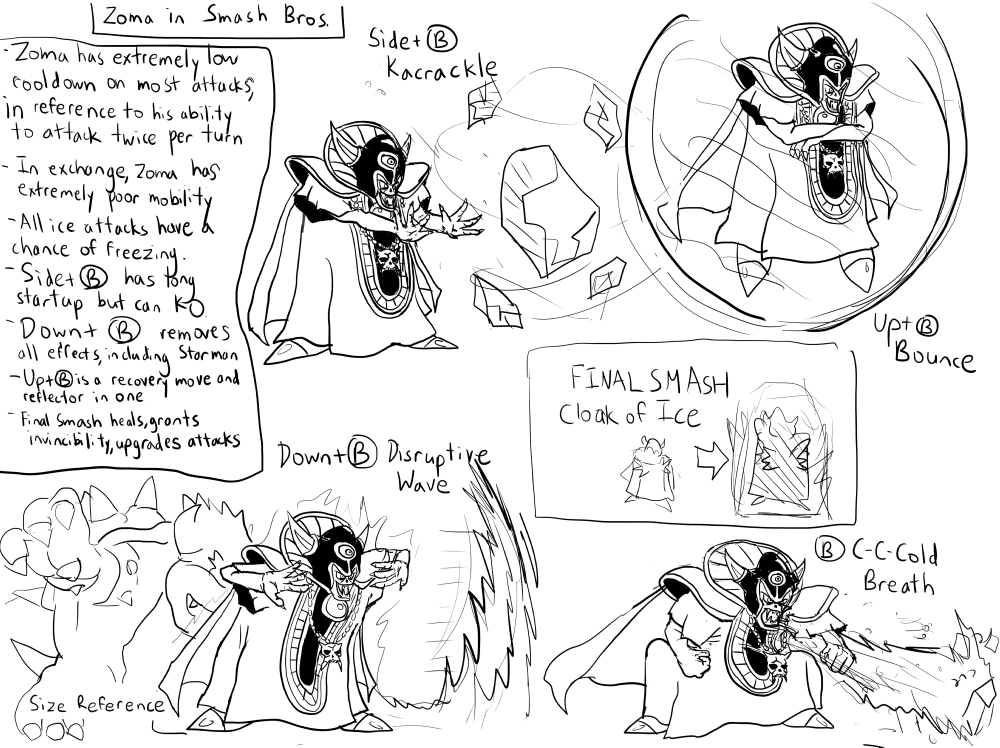
We now live in an age where Toriyama Akira is no longer with us. As the creator of Dragon Ball and Dr. Slump, as well as the iconic artist of Dragon Quest and Chrono Trigger, his influence is nigh-unmatched. There are maybe two or three other series that are as pivotal to shounen manga as Dragon Ball, and Toriyama even casts an enormous shadow on the isekai and fantasy genres: The Dragon Quest series is what established the “Hero” (Yuusha), the “Demon Lord” (Maou), and the “weak Slime” as archetypes in Japan’s popular imagination, and it’s Toriyama’s designs that inform the aesthetic of all successors.
In light of Toriyama’s tragic death at only 68 years old, I’d like to just talk about how my life has been touched by his work. My story is nothing special compared to the millions of voices mourning Toriyama, but I wanted to at least personally add to the well wishes pouring out.
Dragon Ball
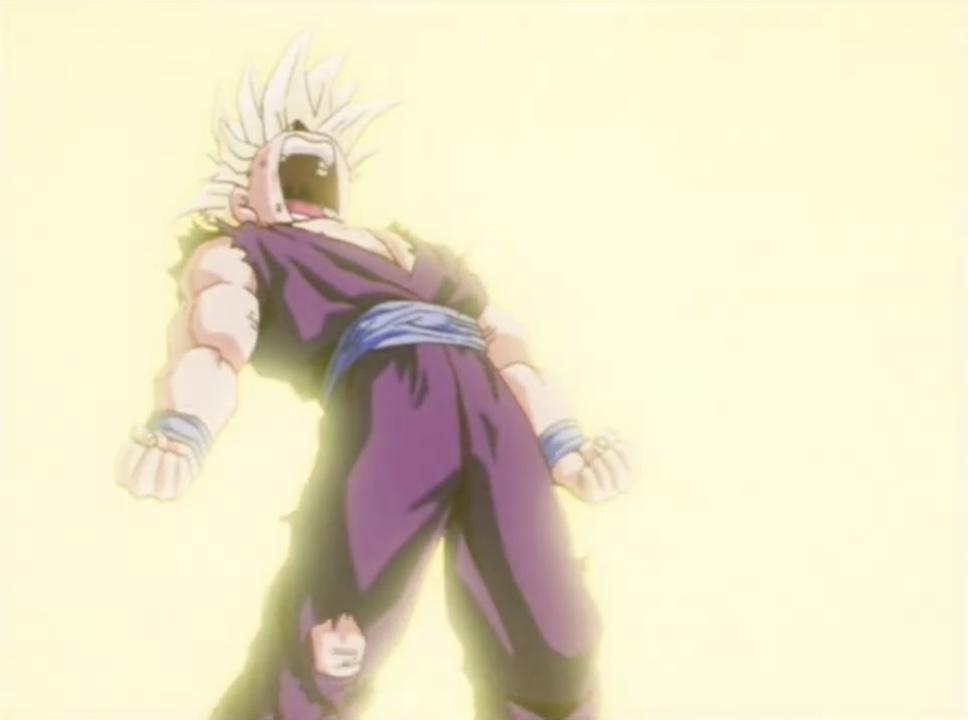
Dragon Ball Z was the very first anime that I knew to be “anime.” While I had loved things like Voltron, they were still just “cartoons” to me. But when a relative started bringing home tapes of DBZ, it was a sight unlike any other. I remember just being amazed at the rapidfire punches, the zooming around, the ki blasts—I’d never realized animation could be this way! I cheered for Piccolo, watched characters (gasp) die, saw Son Goku turn Super Saiyan, and witnessed his son step up and defeat Cell. I wondered if anything could ever top this story. I wanted to be Gohan.
It was also a time when I got to play the first two fighting games for the Super Famicom, and when I’d re-read over and over a small guide to the first game that showcased all the playable characters. “What does Jinzoningen (“Android”) mean?” I recall wondering.
So when I first found out that DBZ was coming to US airwaves (for real, and not just finding a random channel that sometimes had Korean episodes of the original Dragon Ball), I was elated at the prospect of Dragon Ball Z getting big. Imagine: more American DBZ fans! While the English adaptations have had their differences with the original (as well as the non-English dub I first watched), Goku ultimately succeeded in reaching into the hearts of countless viewers. (I still wish those early US viewers got the chance to hear “Chala Head Chala,” though.)
Ironically, I was one of those people who’d go on to poo-poo the Dragon Ball franchise. As I got more into anime and manga, I viewed the series as a thing you’re into when you’re just a “beginner,” or obsessed with just macho violence and watching muscle-bound dudes power up endlessly, and I felt good that I knew there was more out there. It took a number of years to get through that embarrassing phase, but I’d eventually come back around to appreciate Dragon Ball for its outsize influence on culture, as well as for just being a work of art in itself. More recently, it’s been great seeing Dragon Ball Superbe a thing, and for Toriyama to have worked to bring back the essence of Goku—as well as the balance of action and humor that Dragon Ball and Toriyama himself had been known for.
Dragon Quest
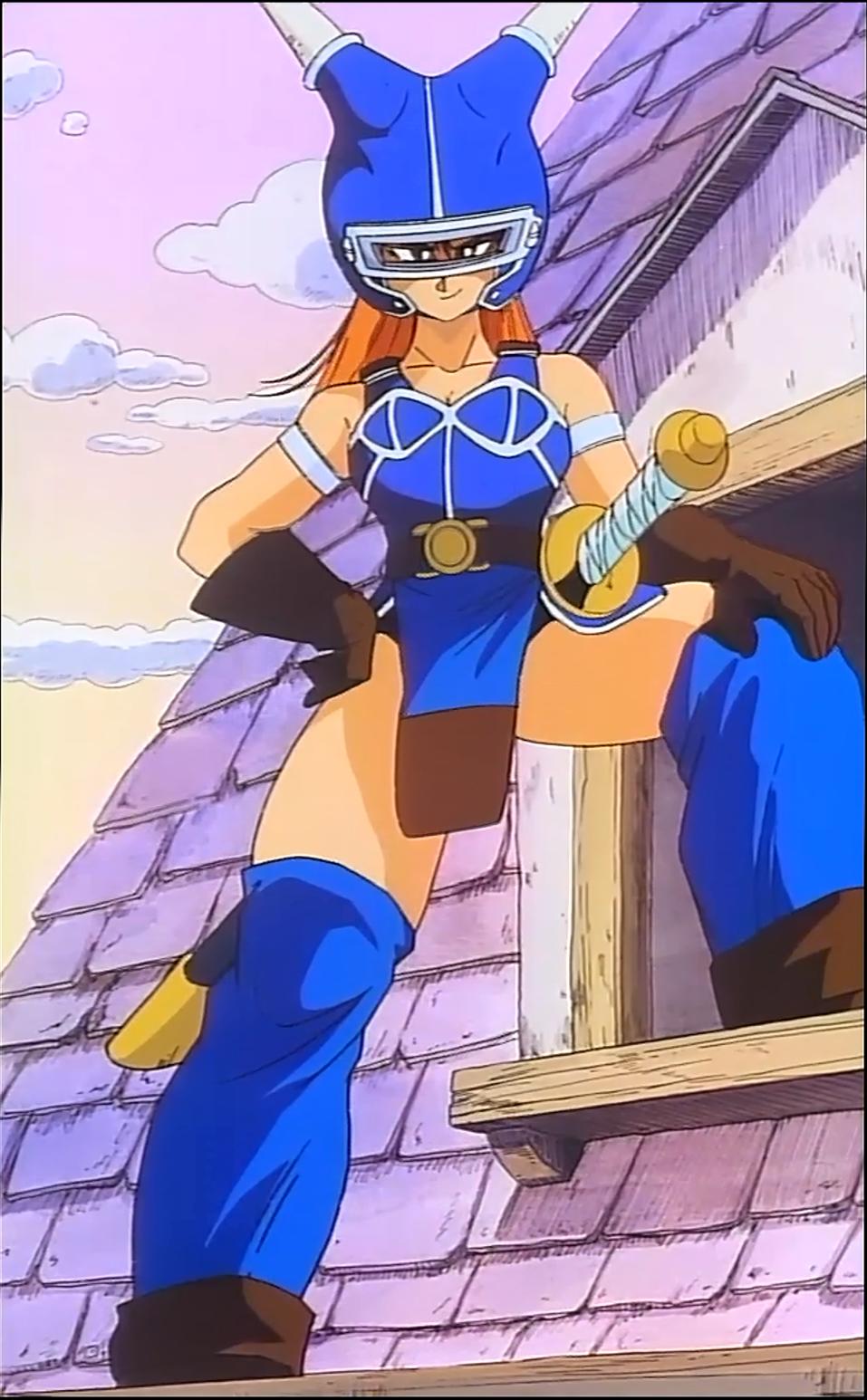
Dragon Ball Z was actually not my first encounter with Toriyama, and not even the first anime from Toriyama that I had seen. I was one of the kids who watched Dragon Warrior (aka the English dub of the anime Dragon Quest: Legend of the Hero Abel) as it aired. I remember having to wake up very early—around 5:30 or 6am on weekends. I don’t think about it very often, but in hindsight, the show was likely very formative for me, and I wouldn’t be surprised if Daisy (the girl in blue armor) ended up influencing my taste in characters.
My family also subscribed to Nintendo Power, and we received a free copy of Dragon Warrior (aka the first Dragon Quest) as a result. Today, RPGs are a popular and beloved genre of video game, but back then, they were entirely new territory to most kids, and pretty unapproachable. However, the same relative who brought home DBZ tapes had decided that they were going to beat Dragon Warrior, and spent hours getting through the game as a young me would watch along. In the final battle, the evil Dragonlord reveals his true form as a giant bipedal dragon, and I remember just being in awe.
This was at a time when the Super NES had already come out, and I thought the Dragonlord looked almost on par with the graphics I saw there. The fact that his foot covered part of the dialogue box, and the way the screen froze instead of shaking every time he landed a blow made it feel like this was the ultimate adversary. It wasn’t until at least a decade later that I got to see Toriyama’s drawing of the Dragonlord that I realized just how closely the sprite graphic matched his original art, and I appreciated that memory all the more.
If Dragon Warrior was the game that pushed the boundaries of what an NES game could look like, then Chrono Trigger was a revelation. The 16-bit graphics and the greater color palette of the Super NES really brought Toriyama’s designs to life, and the game conveyed an intensity to RPG battles unlike any I’d seen up to that point. The only thing they paled in comparison to was Toriyama’s actual drawings of Chrono, Frog, Magus, and the others. While Chrono very obviously looked like a redheaded Goku, he was still unbelievably cool. And just as the Dragonlord was a mindblowing antagonist, so too was Lavos. The eeriness of music and visuals in the climactic confrontation with him is hard to match even to this day.
Years down the line, Dragon Warrior finally became known as Dragon Quest just like in Japan, and I was one of the folks who bought Dragon Quest VIII. It wound up being one of my favorite RPGs ever. In addition to its classic feel (Dragon Quest is famous for not trying to reinvent the wheel), the game really felt like stepping into the world of Toriyama’s art. It was a triumph of the PlayStation 2, but also a treat for those who always wanted to see an interactive environment that embodied his imagination and aesthetic.
A Farewell
Toriyama Akira’s life was a spark that inspired creators to bring their ideas to life, bridged culture gaps through the sheer power of his work, and even pushed people to exercise and train so that they could be like Goku. His name is synonymous with anime, manga, video games, and even indirectly light novels. And while I can’t call myself the most diehard Toriyama fan, he clearly took my life on a course that would embrace the wonders of Japanese popular culture—a path I still pursue to this day. Rest well, King. To say you deserve all your praise and accolades is the understatement of a lifetime.
Continuing my visit to train and train-adjacent locales in Japan, here are my thoughts on two eateries in and around Tokyo: Platinum Fish Cafe and Curry Niagara.
Platinum Fish Cafe
Located in Chiyoda-ku, Tokyo, Platinum Fish Cafe is actually inside of an old decommissioned train station. It has some standard food options, like curry, pasta, and cakes, but also drinks named after different train lines. I got the Yamanote (the loop that goes through Tokyo, Akihabara, Ikebukuro, and other stops), which was actually double muscat grape flavor. Between this, the Love Live! cafe, and other places, muscat grapes seem to be popular.
The real appeal of the cafe, however, is the view. Platinum Fish is situated between two train tracks, and you can see them zooming past on both sides pretty regularly. For those coming from NYC or elsewhere in the US, this might sound like torture you inflict on your worst enemies. In Japan, though, the trains are smooth and relatively quiet. It actually makes for a relaxing experience, if you like urban ambience and a nice cityscape.
Curry Station Niagara
This place has been on my bucket list for many years now: a curry restaurant run by a huge train enthusiast.
The inside is covered wall to wall in rail travel memorabilia and paraphernalia, including some Galaxy Express 999 merch. Right outside the door are a couple gashapon machines with replica train station signs, specifically branded for Curry Station Niagara. Close by is a play area for kids featuring model trains and other toys.
Almost everyone in line was parents accompanying their train-loving little kids, and it was downright adorable. There’s a track not far from the restaurant, and as one passed, I could hear a kid identifying a passing train’s line as “Yokohama navy blue”—the rail system is indeed color-coded. As someone with younger relatives, I could see parallels, and wondered if those relatives would have also become train fans if they lived in Japan.
If you get a seat at the tables, a miniature train delivers your food straight to you. Because the space is very small and there were lots of kids, my group opted to sit at the counter and not deprive the young ones of that experience.
The menu is mostly pretty typical, with different toppings like tonkatsu and such, but there are also a few curve balls: extra spicy options for a premium price, curry spaghetti, and so on. I went with the Hamburg steak curry, which did not disappoint. It had a bit of a kick, but nothing overwhelming. However, one person I was with seemed to have gotten their curry cold by accident. After our meal, we got commemorative replica train tickets.
Overall Thoughts
I love restaurants just run by some person with a passion. This includes Platinum Fish and Niagara, but they’re relatively common in Japan. While making money is important, these places feel like they’re humbly dedicated to a craft or a desire to share something with their customers. I really wish more places like this existed in the US, but with real estate prices and rent being what they are, I sadly don’t see it happening anytime soon. One can hope, though…
I broke an internal rule this month, which was that I try not to post about VTubers more than twice in a month. However, extenuating circumstances resulted in me doing three posts. One was because of the unprecedented events surrounding the termination of Selen Tatsuki, aka Dokibird. Another was the fact that the La+ Darknesss Waku Waku Dark Nightmare Solo Live was available only until March 1. And the last was the post I had actually planned all along: a celebration of Hakos Baelz for her rare Leap Year birthday. How rare is it that three of my absolute favorites would end up having something big in the same February?
And that’s not even considering that hololive 5th fes is in a couple weeks.
I’ve started to think about a Venn diagram between VTubers, pro wrestling, soap operas, and superhero comics. The concepts of loose continuity, neverending stories, kayfabe, and more make for a fascinating thought exercise. I don’t know when or even if this’ll become a real post, but I keep thinking about it.
Thanks to my Patreon subscribers below for this month:
Spotted Flower has a voiced manga version now! …Unfortunately, I can’t seem to register for the site no matter how many times I try. If anyone has better luck, let me know!
Kio decided to try drawing with a physical pencil again, but it’s a lot more difficult than he remembers. He feels like he’s gotten too used to drawing digitally.
Kio left a comment on the A-Koe page for the Spotted Flower voice comic, talking about how shocked he was to hear the spicy lines he wrote being brought to life. He wonders how powerful it’d be if it were ever animated.
February 29 is the birthday of Hakos Baelz, the red-headed rat Virtual Youtuber. Because it falls on a leap year, 2024 is technically her first “official” birthday, and so Bae has turned this past month into an all-out celebration dubbed “Febaerary.” In the spirit of the occasion, I’ve decided to wax poetic about why she’s one of my favorite VTubers and just great in general.
Who is Hakos Baelz?
Hakos Baelz is an English VTuber who debuted in 2021 with the largest VTuber agency, hololive. According to her official backstory, she is the literal embodiment of primordial chaos in the form of a rat girl. On stream, among the things she’s known for are her Australian accent, her outstanding dancing ability, and her strong foreign language skills. Currently, she is a member of the English generation “hololive Promise,” along with four other VTubers.
The Talent of Hard Work
I think the best way to start talking about what makes Bae special is to describe a recent event in her life: She is the first member of hololive English to move to Japan after joining the company. While there are other members who live or have lived in Japan, they were there prior to starting in hololive. But Bae actually made the decision to move away from her caring family and venture out on her own after establishing herself. It’s a hell of a thing for anyone to do, and one that speaks to how serious she is about her VTuber career.
Bae has a ridiculously strong work ethic (to a somewhat concerning degree), and the sheer number of things she can do well often leaves me in awe. She’s an amazing dancer, easily top 3 or higher in all of hololive, with a level of dynamic, yet subtle body control that is literally the best in the company. When I watch her perform, it’s like she moves muscles most others don’t even know exist.
In response to the prospect of Bae joining Hoshimatic Project—a hololive feature that follows a number of talents as they train for some big group routines—its founder (Hoshimachi Suisei) teased that Bae is “too good” and might be overqualified. Given that a few of the members who participated in Hoshimatic Project are generally considered some of hololive’s strongest dancers, this is high praise.
Bae’s singing, while not the very best in hololive, is still magnetic, and one of her original songs, “Psycho” is among my favorites. And when she brings song and dance together on stage, Bae is just captivating. Her 3D debut onstage at hololive 4th fes was a turning point for her popularity and visibility, as everyone (myself included) got to see her conquer the stage, and things have only increasingly looked up since. Between Bae’s 3D Showcase and numerous other virtual performances, she’s always one of the top highlights of hololive’s concerts.
Bae is also multilingual, being remarkably fluent in Japanese (she’s JLPT N1 and able to converse and banter with Japanese talents), good at Korean through study, and conversational in Cantonese thanks to her family’s background. If that’s not enough, she can even play guitar—and all this at a relatively young age! Multi-talented doesn’t adequately describe Hakos Baelz, and that’s partly because many of those “talents” are clearly born from hard work.
While Bae doesn’t know any martial arts, I can’t help but think about the actual original meaning of kung fu, which is basically “continuous and sustained effort.” It fits her well.
Developing HerApproach
When it comes to finding the right on-screen persona, it can often take time for a VTuber to figure out what works best for them. In the case of Bae, she started off trying to lean into her lore as the embodiment of chaos by acting as frenetic as possible, but eventually mellowed out into a different and more sustainable approach. The early “character” has receded, and the result is a kind of subdued chaos with peaks and valleys. You never know when her relaxed Aussie accent will transition into a tense ramble or a thrilled squeal, and it makes those moments of excitement that much more special. She also used to hide her Cantonese background, but has more recently been more open about it, and that’s something I appreciate.
Bae is at her most dazzling performing in concerts, but she shines almost as brightly when collaborating with others. This is especially the case when it comes to her fellow Promise members, and doubly so with IRyS, with whom she jokingly goes through a constant cycle of marriage and divorce—a symbol of their close friendship and competitive rivalry. I once described their interactions as combining coffee and soda together, not only because those are Bae and IRyS’s favorite beverages respectively, but because watching and listening to them is akin to just piling on caffeine highs and crashes.
This is why adding Calliope Mori to the mix to tone them down works so well for their three-person streams, the CHaDcast. Beyond those two, Bae’s banter with Kureiji Ollie (her “mom” due to their similar appearances), Yukoku Roberu (of holostars), and Miori Celesta (her non-hololive VTuber friend) are also memorable and hilarious.
For all her efforts to increase the spotlight on herself, she’ll put in just as much effort to draw attention to her fellow hololive members. After winning 1 million yen through a special hololive raffle, she put all that money towards commissioning the very first all–hololive EN cover song; that includes not only the music itself but also the accompanying artwork.
Being a Fan
When I watch Bae, I feel a funny combination of admiration, envy, and desire to support. Her accomplishments and her goals make me want to better myself and also see what heights she will reach next. Bae makes her supporters feel like we’re all on a major voyage with her, and as she plants her roots in Japan, I hope we can see her grow and find happiness in her journey.
Happy “thirteenth” birthday. Looking forward to your 3D Live.
A lot of cool music-related things have happened in hololive land over the past few months, so I just wanted to give some brief, unorganized thoughts about them.
La+ Darknesss Solo Live: Waku Waku Nightmare
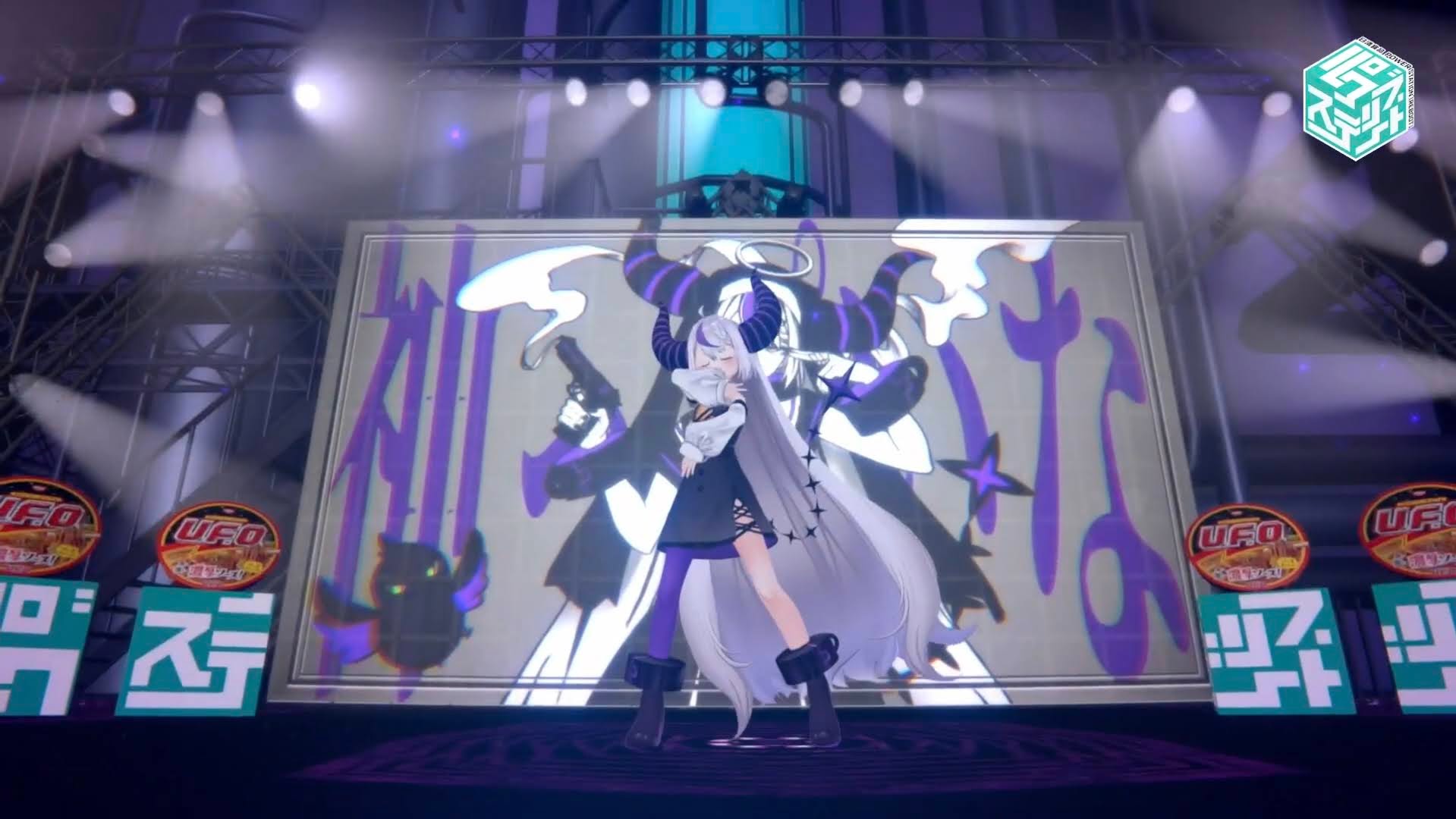
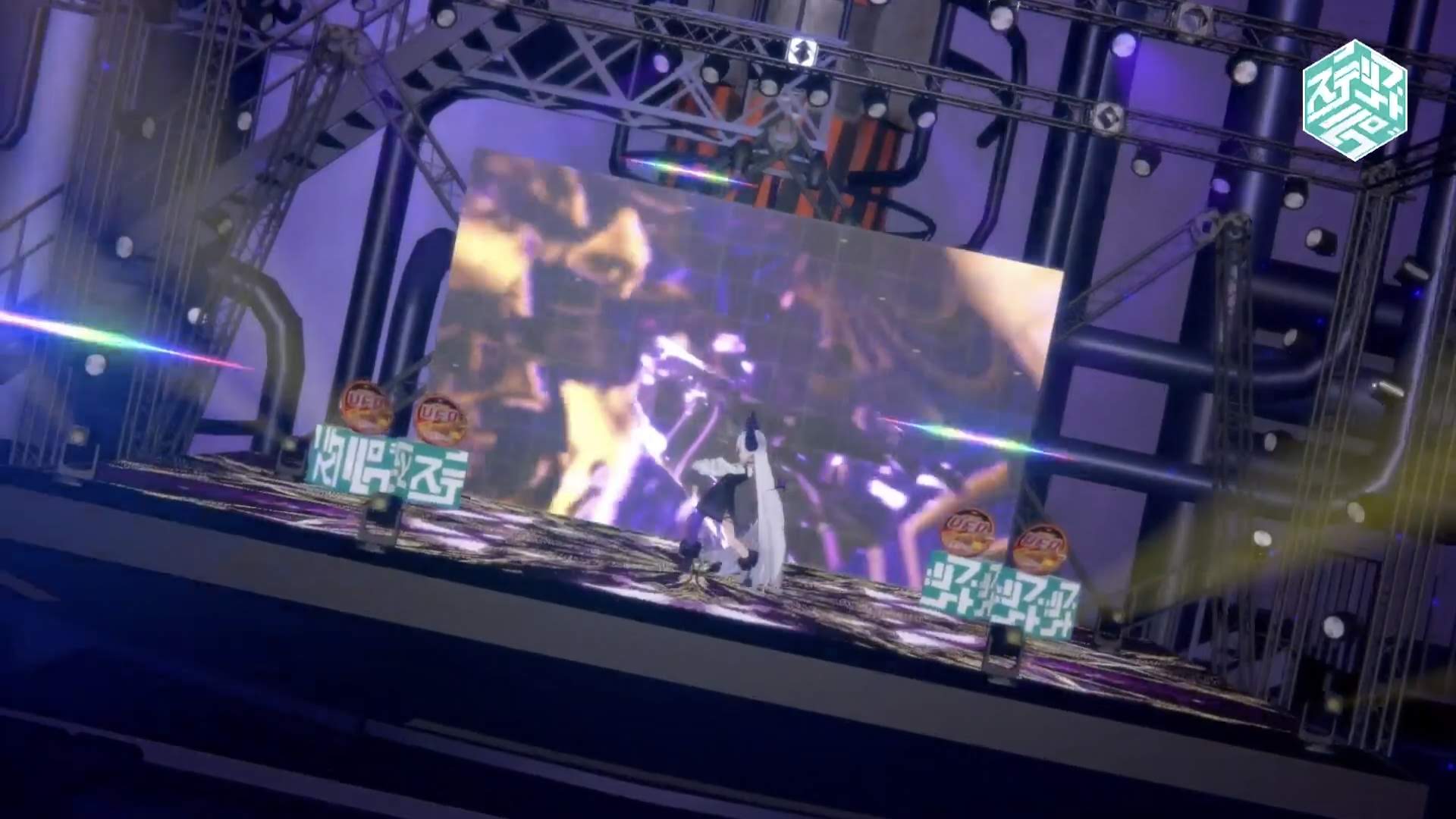
La+ had her first solo concert a few days ago, and the paid VOD (3300 yen) is still available until March 1, JST. The event was sponsored by Nissin, the original instant noodle company, and La+ recently became a spokesperson for their U.F.O. brand of yakisoba. Note that the site is Japanese-only, and that when registering, you can put all 0s as your phone number. (Also, there’s a Koyori solo live on April 7, JST.)
As a La+ fan, I’d been hoping for something like this for a while now. While I could talk endlessly about this event (check out her final song, “Kurai”), I just want to highlight a couple things that stood out to me.
La+ actually started off with “Kamippoi Na,” which was her very first cover song back when she debuted, and she decided to sing with a deeper voice in contrast to the the whispiness of her recorded version. The choreography was also completely different from the time she covered it with Murasaki Shion. What’s really fascinating, though, is comparing her dance to that of Hakos Baelz. Both are among the very best dancers in hololive, and you can see how their respective styles come through on the same song: La+ is smooth, while Bae is dynamic.
Towards the end, La+ performed “Aien Jihen,” her first original song, and something she hadn’t pulled out since her original 3D debut. Back then, she had decided to perform the dance against a pre-recorded vocal track because of the challenging choreography. This time, however, La+ did both the song and dance, showing the progress she’s made, but also how she’s worked through a collarbone fracture from her COVID cough, a hiatus for her mental health, and throat issues, among other setbacks.
One thing I noticed during this performance of “Aien Jihen” is that the choreography has changed in some ways since she last showed it. These might be adjustments designed to make it easier to perform while singing, but I also suspect that she actually modifies her dances depending on whether or not she’s wearing her massive coat. Note in the above images (during the line “Nothing bad happened”) how La+ is leaning forward in her 3D debut but is leaning back during her solo live. I feel like the silhouette in the first image wouldn’t be quite as strong without the coat.
Ray (covered by Generation 0)
Recently, I was trying to decide which generation is the strongest musically…and then the Japan Generation 0 cover of “Ray” came out. Suisei, Sora, and AZKi are in the top echelon of Holo singers. Roboco’s sound has this haunting quality, and Miko pulls off “cute idol” while maintaining her signature voice. The closest second is probably Indonesia Gen 1.
Mind Craft (covered by hololive English)
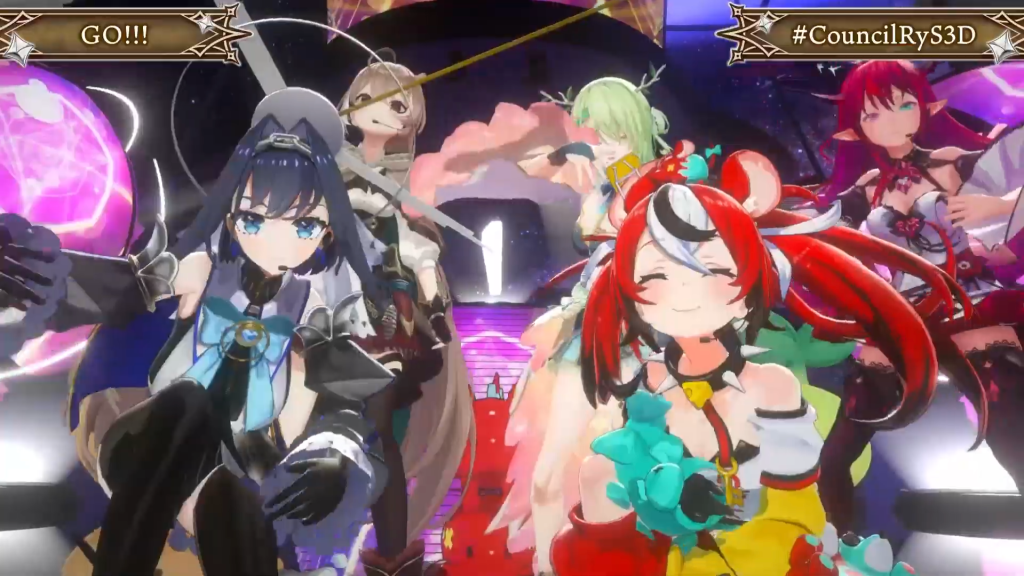
Hakos Baelz organized a cover of “Mind Craft” with the entirety of hololive EN, and everything about it is amazing. The balance between giving the fans familiar combinations of individuals and unexpected ones really makes it a journey of a song. My highlights are IRyS + Nerissa, and how Bae herself is presented as a modest “leader” of the whole thing, both in how she has only a few solo parts but at pivotal moments, and her literal outfit looking like a ringmaster’s. Speaking of which, the character art is some of my favorite ever for hololive, and I hope there’s a way to own it someday.
Bae also did a stream where she talked in detail about getting the song and music video produced, and I think it’s worth a listen.
2023 to 2024 Countdown
The New Year’s countdown was fun just like last year, and I’m glad to have seen new girls get in on the Shuffle Medley fun. Naturally, La+ as Kiara performing “Do U” stole the show for me.
But I wanted to look more at the fact that the hololive and holostars streams had different performances of the same songs, with distinct choreographies. Specifically, it was “Idol” from [Oshi no Ko] and “Dai Zero Kan” from The First Slam Dunk.
The guy versions are more “masculine” in approach (like the basketball-themed dance moves in “Dai Zero Kan”), and it makes me think of something I read in the dance manga Wandance: It tends to be the case that guys don’t learn “girly” moves. Issues of heteronormativity aside, it’s still fun to see different interpretations of the same songs.
hololive KDA
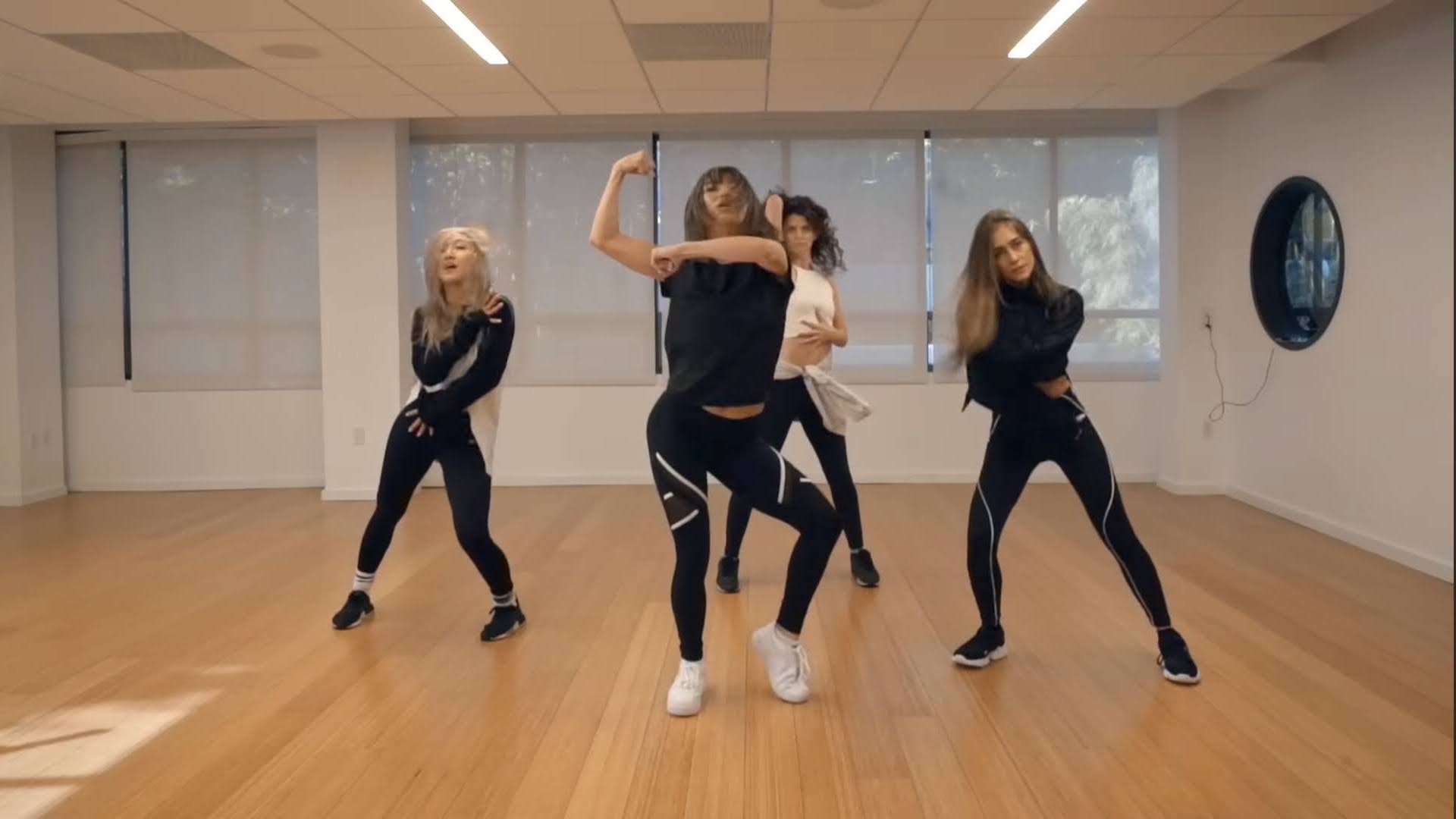
I wrote about the Riot Games One 2023 KDA cover performances previously, but I’m bringing it up again because I’ve been thinking about something in particular: The hololive version shows some of the limits of the 3D technology, and where it has room to improve.
Putting aside the skill difference between the hololive girls and full-on professional dancers, there are definitely moments where the 3D can’t quite capture certain subtleties, or where certain moves don’t quite read correctly. For example, during “POP/STARS,” one of the performers is supposed to be a bicep flex, but this just doesn’t get conveyed when La+ does it.
That’s it for now! Who knows if I’ll do one of these again?










 OGIUE MANIAX