World Connectooo!: Ogiue Maniax Status Update for July 2023

July is a packed month. Not only do I have Otakon at the end of the year, but I’m also in LA this weekend for Anime Expo and to see today the first HololiveEN live concert, Connect the World! Back when tickets became available, I almost missed them entirely, but I got lucky that there was some available after the initial prerelease sale. I fully intend on writing a review of the experience.

I won’t be lying when I say that I’m nervous about attending large events after just getting over COVID a month ago, but I will be masked as much as humanly possible for my sake and others’. I hope everyone else treats others attending these big gatherings with respect and compassion.

Thank you to my Patreon subscribers at the start of this summer season!

General:

Ko Ransom

Diogo Prado

Alex

Dsy

Sue Hopkins fans:

Serxeid

Philippe Nguyen

Hato Kenjirou fans:

Elizabeth

Yajima Mirei fans:

Machi-Kurada

Blog highlights from June:

Larger than Life—Body Diversity in Gundam: The Witch from Mercury

My most popular post in a long time!

Anime Central 2023 Interview: Animator Tabata Hisayuki

I got to conduct an extensive interview with a 20-year veteran of the industry. Tabata goes into detail and working with the late, great Kimura Takahiro.

Anime Central 2023 Interview: Kubo Yurika and Ichinose Kana

Another interview, this time with the voices of Hanayo and Suletta—mostly focused on the visual novel A Light in the Dark.

Kio Shimoku

Kio’s been working on some risque material.

Apartment 507

Thoughts on Soaring Sky! Precure!

Closing

Anime Expo and Connect the World has many powerful individuals I’m interested in, but Otakon has Iwao Junko: the voice of Tomoyo from Cardcaptor Sakura. Here’s to hoping I can get an interview with her! It would be a dream come true.

Kio Shimoku Twitter Highlights June 2023

This month, Kio talks a lot about Elden Ring and drawing smut.

Gundam manga artist Tokita Kouichi shares a photo of a first-era Gundam model kit. Kio reacts by saying that the instructions are from before they changed how joints work on Gunpla models.

Kio’s tortoise has been walking quickly around in their home, being hyper. Kio comments that outdoor spaces would be good for it, but the actual outdoor space available right now isn’t all that big, so this is the best he can do right now.

The reason it’s so hyper is because the warm summery weather is affected it as a cold-blooded creature.

Kio has started doing the rough manuscript for his next horny doujinshi.

Lazy tortoise.

Watching more How Do You Like Wednesday?

Kio visited actual sites from some How Do You Like Wednesday? Specials. The first tweet shows one of 12 bridges featured, and the second is Suigou Sawara Ayame Park.

Kio got to use a line from How Do You Like Wednesday? on someone who was unfamiliar with the show. 

Kio thanks a fan for sharing a Monthly Newtype video about manga in 2008, the height of one of the host’s teen years. Genshiken and Spotted Flower both get mentioned briefly. (See 23m45s in the video below.)

Kio later tweets about the video separately, commenting that he likes how writer and host Mafia Kajita says that Spotted Flower has had one hell of a development.

As Kio sees artists tweeting about whether they got into Comiket or not, he is working on his (unrelated) erotic doujinshi. He’s been drawing but also cutting content out, so even though he’s drawn 30 pages, it feels like only the beginning.

Art from the first anime’s DVD box set; this one is for Volume 2. Lots of comments about Kitagawa from fans.

Kio responds to a commenter pointing out Kitagawa approaching from the rear by saying that she would definitely not be walking lightly.

Kio also feels some sympathy for Kitagawa being called “Athlete’s Foot Senpai” by the fans.

“You! Genshiken!” is a common refrain in the Genshiken anime from Kitagawa.

Kio also comments to a person wishing for tons of Genshiken spin-offs that such a thing might’ve happened if Genshiken came out today.

A few comments about how good Ohno looks too.

Kio telling everyone who watched the Newtype special above that the newest Spotted Flower chapter is available in Rakuen magazine.

Kio says that the daughter in Spotted Flower being named Saki kind of solidifies it as being a different world from Genshiken.

Working on his new ero doujinshi seems to be an endless task. It includes things like fretting over which erotic sound effects to use, like “guchu” vs “gucho.”

The horny work has also gone from 50 pages to 100. (I sometimes think about how Ogiue’s workrate is probably a reference to Kio’s own.)

Kio also restored some pages that were previously cut, specifically about a mom getting embarrassed.

Kio’s tablet pen broke, and then when he got a new one, he realized it was the wrong kind.

While a new pen was in the mail, Kio broke out the PS5.

Kio has been playing Elden Ring and primarily sneaking around. He comments that despite appearances, he is in fact not playing the ninja game Tenchu.

Kio enjoyed Spider-Man: Across the Spider-Verse despite having not seen Into the Spider-Verse. He thanks a fan for sending a link to the prequel.

The new tablet pen arrived, but Kio is still playing Elden Ring.

Kio got picked for a live viewing of the newest How Do You Like Wednesday? DVD.

Tenchu is one of his favorite games from the PlayStation era, and the movement in Elden Ring reminds him a lot of it.

Kio, after getting his ass kicked by the boss Margit in Elden Ring, goes back to drawing ero manga. He likes how he can just skip bosses and explore elsewhere in an open world game.

Komaki from Kujibiki Unbalance on the back cover of Genshiken Volume 5.

Kio comments that his characters tend to have some plumpness to them.

Kio defeated Flying Dragon Agheel in Elden Ring with the help of a strategy site. He didn’t realize you had to fight it on horseback.

Kio got through 63 pages of his ero manga manuscript, but is setting it aside to get some of his professional work done. Apparently, the next part is the climax.

He also keeps adding hearts to the end of dialogue in his regular work out of habit due to spending all that time creating smut.

The Real Diversity of Street Fighter 6 and Across the Spider-Verse

WARNING: SPOILERS FOR SPIDER-MAN: ACROSS THE SPIDER-VERSE (and I guess Street Fighter 6?)

I’ve had the pleasure lately of experiencing two of the finest works of media this year: Street Fighter 6 and Spider-Man: Across the Spider-Verse. Both are at the pinnacle of their respective genres (fighting games and superhero movies) and seem to draw all the right lessons from the past. But one thing both titles really have in common—and which I think is so indicative of their approach—is strong character designs that are profoundly respectful of their casts’ diversity in terms of culture, background, and circumstances. 

The idea of an international roster far predates both works and even their respective origin points, i.e. Street Fighter the arcade game and the Spider-Man comics. Often, these past portrayals end up being flawed, if well-intentioned. Be it a manga like Kinnikuman featuring heroic wrestlers built entirely on stereotypes or having the brilliant detective Charlie Chan played by an actor in yellowface, it’s historically a mixed bag. These instances frequently betray a lack of exposure to other cultures by ones that consider themselves the default.

SF6 and AtSV know that their audiences aren’t limited mainly to one ethnic group anymore, and either have people from more diverse cultures on staff, or at least people eager to listen to people from other groups. Both SF6 and AtSV had to meet the challenge of revamping many existing designs—the former because many returning characters are supposed to be older, and the latter because it draws from so many different portrayals of Spider-Man. In this regard, both succeed in spades.

Here are a few examples:

In SF6, Chun-Li’s update conveys through her mannerisms and outfit that she has matured while still being undoubtedly recognizable as the queen of fighting games. Her clothes draw directly from Chinese culture without bordering on parody, and some of her animations have been changed to draw from actual Chinese kung fu styles. Her new standing medium kick, for example, is actually the Separation Kick from tai chi.

Zangief still looks like a hulking wrestler, but they actually changed his body type. In previous games, Zangief has more of a body builder’s physique—extremely chiseled all around—but in SF6, he exchanges that appearance for one with a bit more fat around his massive muscles. In other words, he looks more like he trains for practical strength, and the fact that the developers did this actually goes a decent way in diversifying the bodies in the game while remaining true to Zangief’s character.

Similarly, AtSV had Pavitr Prabhakar, an Indian Spider-Man whose costume feel less like symbols of India added to Spider-Man and more like what a Spider-themed superhero might look like if they grew organically out of Indian culture. Moreover, the writers of AtSV actually consulted with Indian and Indian American writers as well as Pavitr’s voice actor, Karan Soni, because they wanted greater cultural specificity and authenticity.

And even with all of this consideration for ethnicity, gender, sexuality, etc., all these characters are attractive in their own right. People like to see good-looking characters, but there’s no one standard of beauty. Both creative teams seem to understand that.  

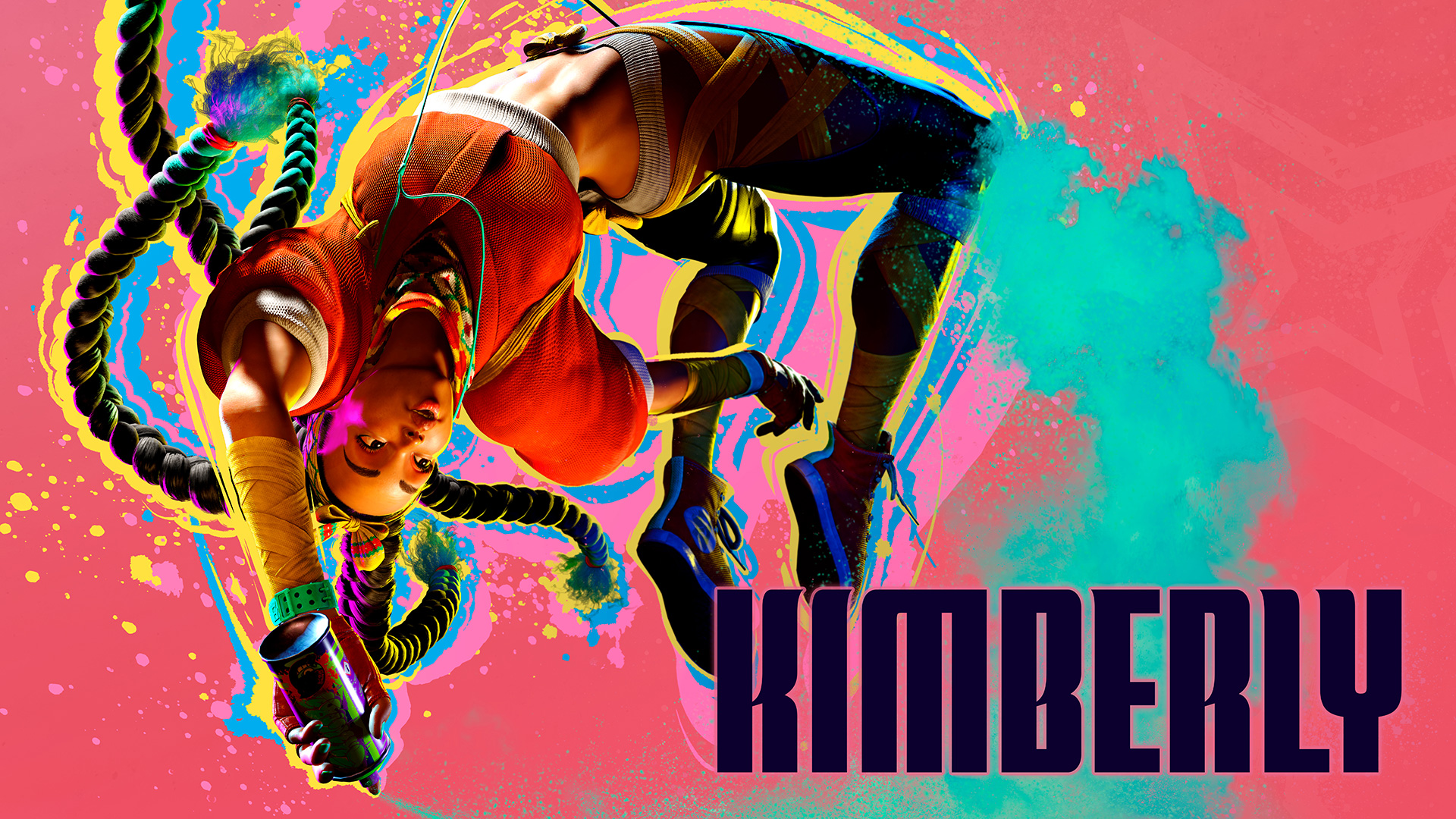
A major factor in both works’ success is starting from the understanding that not just one group of people are going to enjoy it. Kimberly Jackson in SF6 is black and one of the three most prominent heroes, and the only one with a story that ties directly to the main antagonist. The protagonist of the Spider-Verse movies, Miles Morales, is Black and Puerto Rican—and he reflects many of the aspirations and anxieties of those who grow up in non-White households in the US.

It can be easy to forget that the first Miles Morales film, Into the Spider-Verse, came out in 2018—before the murder of George Floyd and the increased mainstream awareness of the deeply rooted problems with police in the US. In 2023, however, I couldn’t help but notice the views expressed on that topic in AtSV. Both Miles and another character, the Spider-Woman Gwen Stacy, have dads who are on the force. They’re officers of the law who honor and respect the people, and having them be positive role models is part of the Spider-Man lore, but making the police and unalloyed good would never be compatible with the lived experience of so many black and brown people, not to mention other groups.

At one point, Stacy (a white girl) outright states that the reason her dad took on the role of captain is because he would inevitably be replaced by someone worse than him. In other words, contrary to the idea that cops like the one who murdered George Floyd are simply “bad apples,” it is the tree itself that is rotten, and the occasional good apple is the exception rather than the rule. While perhaps the film could have stated it more directly, it goes to show just how much AtSV is trying to express perspectives beyond what is comfortable. 

The greatest strength of Street Fighter 6 and Across the Spider-Verse is that both works come across as genuinely wanting to engage with as many cultures as possible from all sides. They’re not just paying lip service to the notion of diversity but actually making it happen in a satisfying way. I hope that both Capcom and Marvel continue to draw inspiration from the world in all its glory and shame, and in turn, encourage others to do the same.

I Started Reading Hunter x Hunter

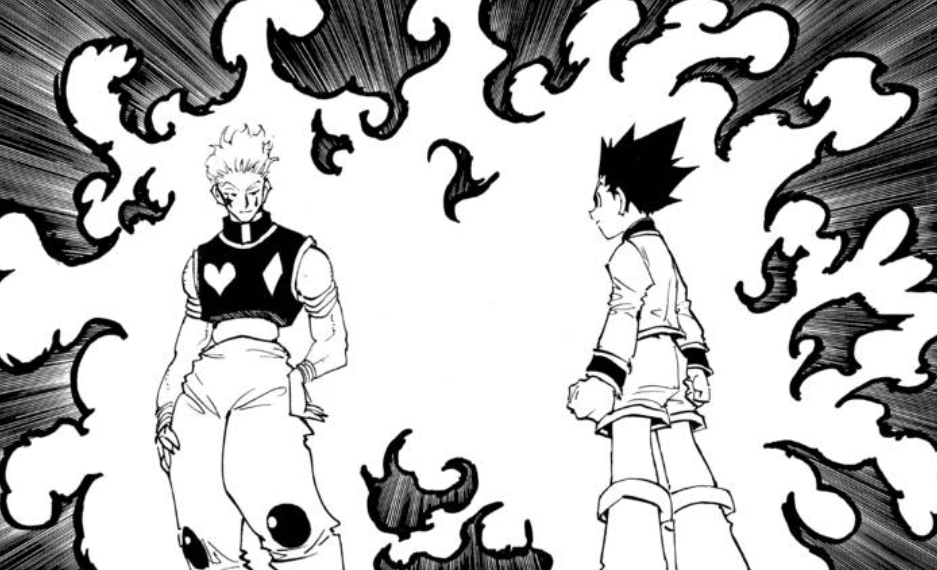
Hunter x Hunter has long been one of those series that I defined by the enthusiasm of its fans. Without knowing much about the series, I would often see it regarded as one of the best shounen action manga ever, and arguably a cut above author Togashi Yoshihiro’s other major work, YuYu Hakusho. The only thing that seemed to stifle its relentless charge was the fact that Togashi has very serious medical issues that have inevitably resulted in numerous stops and starts. But with the series getting some new chapters last year and VIZ putting all previous chapters on their Shonen Jump app to read for free, I’ve decided to jump on board this bumpy ride called Hunter x Hunter and see what the hype is all about.

The world of Hunter x Hunter is one where the most revered but challenging career is that of a “hunter.” A hunter of what? The answer is “anything and everything.” Gourmet foods, cultural artifacts, criminals—everything is fair game. Our hero, a boy named Gon, has long heard that the father he never knew was actually a hunter, and he seeks to follow in his footsteps so that he can meet his dad. Few are able to pass the arduous and deadly test, but Gon’s combination of kindness, cleverness, athleticism, and perseverance that friends and rivals alike take notice of.

I have read around 70 chapters of Hunter x Hunter, which for all I know is only scratching the surface of what makes it so renowned. From this limited experience, though, I can begin to understand why fans of shounen fight manga love it so much, even if it hasn’t captivated me in quite the same way. This is because Hunter x Hunter feels both more advanced than the typical formula but well within its boundaries.

There are two common action formulas for what I call “structured” shounen fighting, that is to say battles that have some sort of in-story framework governing it. The first is the tournament arc, where everyone ostensibly fights to figure out who’s #1. The second is the Bruce Lee’s Game of Death–style fight to the top, where the heroes must vanquish one “boss” after the next before being able to reach the goal, like in a video game. Hunter x Hunter, at least from what I’ve read, is the formulas distilled down to their essences and mixed together so that everything is one or the other or both. But working off a formula doesn’t necessarily mean it’s formulaic, and where Hunter x Hunter shines is by emphasizing that the solution to fights isn’t always sheer strength or a passionate heart. It’s cleverness that often wins the day.

At the same time, I feel like anyone who isn’t in love with shounen fighting might have a difficult time with the series, unless they’re maybe really dedicated to shipping the characters. I think the most helpful comparison might be to JoJo’s Bizarre Adventure, which has a similar focus on fights that require wits and ingenuity, but the highly eccentric and over-the-top nature of JoJo’s gives it a level of spectacle I haven’t seen in Hunter x Hunter. It’s like JoJo’s loves to break rules while Hunter x Hunter prefers to at most bend them.

It’s very possible that I’m on the cusp of the series getting turned on its head, and that I’m just one step away from the series transforming into something I love rather than merely enjoy. It’s happened before, but I can’t say I’m there yet.

Larger than Life—Body Diversity in Gundam: The Witch from Mercury

Fatphobia is still prevalent in Japanese culture. While there will be the occasional piece of media that pushes against it (sometimes in flawed, yet well-meaning ways), Japan is still predominantly a place where “thin” is in. That’s what makes the presence of fat characters in Gundam: The Witch from Mercury noteworthy; it features multiple characters who are portrayed not as comic relief or even fetishes, but as just cool and admirable in their own right.

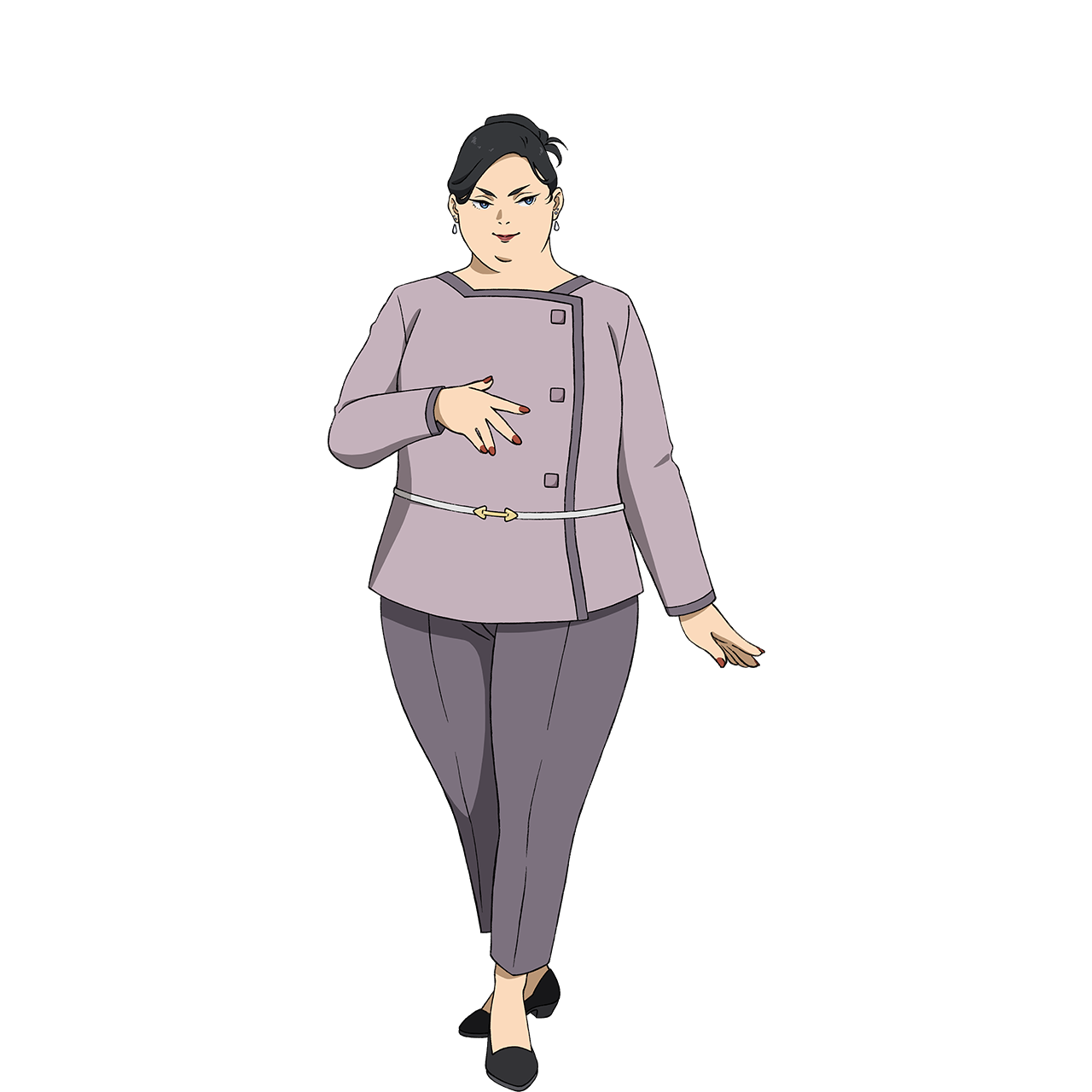
The first is Feng Jun, a woman who on the surface is a smuggler but is in actuality an agent of the Space Assembly League, a governing organization in The Witch from Mercury. She’s cunning, savvy, and capable in a rather matter-of-fact way, and her body is never shown as a hindrance. As the show progresses, it becomes clear that she cannot be pigeonholed based on any expectations.

The second is Kennanji Avery, a veteran mobile suit pilot renowned for his skills in battle. Seen as a thinner fellow in the prologue, by the time of the main story, he’s put on some pounds. But while he doesn’t look the same as he did in his younger days, his subordinates all look up to and trust him, and he’s shown to possess a sharp mind and an athletic body even if it doesn’t appear to be the case. He fights against the notion that “fat” automatically means “physically unfit.”

The third is Lilique Kadoka Lipati, a first-year and fellow classmate of the heroine, Suletta Mercury. Defying conventional thinking about girls her size, Lilique is described in her official profile as being quite popular. One episode even has another girl start trouble with Lilique because her boyfriend tried to ask Lilique out. It is incredibly rare to have even a few characters have a thing for the “fat girl,” let alone giving her a popular reputation for making people fall left and right. 

What’s notable about the way The Witch from Mercury portrays these three is that their size is neither diminished nor put out as some kind of circus display. While there’s certainly nothing wrong with being really into larger people, what this anime does is push their attractiveness beyond the boundaries of fetish territory. They’re all charismatic in different ways, as if they’re all unique people with different personalities and histories, even if they have similar body types. It’s ultimately about respect, and I can truly sense that from how Feng, Kennanji, and Lilique make such powerful impressions.

Anime Central 2023 Interview: Animator Tabata Hisayuki

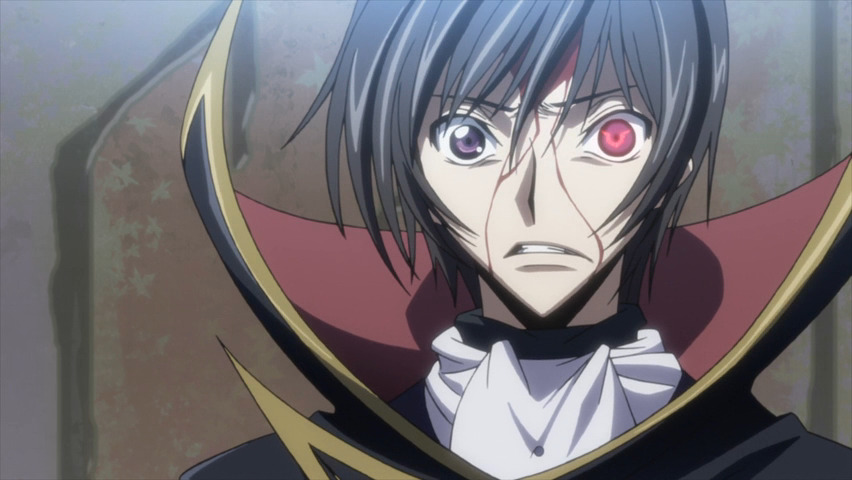
Lelouch from Code Geass, a slender and dark-haired teenager who has a single glowing eye. He's wearing a high collar cape, and blood is running down his face.

Tabata Hisayuki is an animator and animation director with over 20 years of experience in the industry. He’s best known for his work on anime from the Fate franchise, as well as being involved with works such as Code Geass. 

What was supposed to be a group press conference at Anime Central ended up being a one-on-one session, which resulted in a longer interview than is typical.

You started working in anime during a time when the transition from cel to digital, as well as to widescreen, was occurring. Looking back on that period, what do you think about it now?

For me, the digital media was actually much better. All the frustrations I had with analog were solved by digital. So I think I transitioned to digital much quicker than most other people.

In your career, you’ve worked on multiple projects involving Kimura Takahiro, namely Godannar, Code Geass, and Gun x Sword. In light of his unfortunate passing this year, do you have any stories you’d like to share about working with him?

Kimura was a lot older than me—by 12 years—so I wouldn’t dare say he was my friend, but during Code Geass, our desks were next to each other. He was always a great mentor to me, and he treated me as an equal colleague. As for all the memories I have of him, there’s so much that I don’t know if I have enough time to talk about it here.

As director on Warm, Winter Canada, did you work closely with the Canadian Tourism office? What kind of feedback did you receive from them?

Let’s start by saying that they brought me to all the cities they wanted me to promote, and that made a huge difference because it meant I could incorporate all my personal experiences into the videos. 

What do you think are your strengths as an artist and animator?

That would be my attitude towards work, but as for my actual professional skill, it would be subtle character acting. I like to put acting into my characters, and I do believe I am considered for those kinds of skills.

There aren’t too many animators who are interested or capable in animating characters according to their personalities rather than giving them flashy actions, so I think that’s a selling point that I can give.

What motivated you to get into animation? Were there any works that really influenced you and your style?

I’m just one Japanese otaku, and for my generation there is just one influential show, and that would be Evangelion and all the other GAINAX shows. So I think my influences are the same as everyone else’s. 

And this is hard to say in the open, but I got to know Kimura Takahiro’s work not through his anime, but rather one of his pervy games.

Between being an animator and an animation director, which do you prefer and why?

Animator. 

Are there any projects, specific scenes, or any other work that you feel most proud of?

I think all the projects went well, and it’s hard to single out just one. But when I talk to overseas fans, they always bring up Fate and Code Geass, so I’m glad I worked on those two shows.

Being an animator in Japan can be a very difficult and laborious job. What do you think would help make “animator” a more stable profession?

I do think the working conditions of animators have improved a lot over the years. But if you look at the general flow of capital, it’s structured so that those at the top of the rights pyramid take all the pay, and it’s up to us production staff to make it with the spillover from that. And so without fundamental change in that structure, I don’t think there would be any big change. Recently, though, I do think there have been some moves towards changing that structure as well.

For example, individual animators don’t have any rights, so even if I want to draw Tohsaka Rin or Saber for someone at Anime Central, I wouldn’t be able to do that. So even if it were just free permission for a visiting animator to draw these IP characters for the public, I think that would be a big change.

I deeply regret that even though I might be the character designer, I can’t draw these characters that I’ve designed, for fans at locations like Anime Central. If I draw these IP characters without permission, Crunchyroll might get upset.

Are there any upcoming projects of yours that you think anime fans should know about?

There was supposed to be a project I could have announced here. Two months ago, it was permanently canceled. 

But the next project I’m involved in should be due for announcement soon. I’m not the character designer for it, but I am the animation director, and it’s a wonderful project. So I look forward to it being announced.

It seems we have more time than expected, so would you be able to talk a bit more about your experiences with Kimura-sensei? 

As an example of how we got along, we would exchange New Year’s greeting cards every single year, and the sketches on both of our cards would be very pervy. Would you like to see some examples?

Sure! [Note: Image cannot be shown]

(Chuckles) I don’t have the ones that I drew for him.

In my fond memories, since I was in charge of all the pervy scenes in Code Geass, Kimura would be grinning and correcting all my work next to me. 

And since our desks were so close, I would always see how hard Kimura worked. I worried for his health, but he kept assuring me that he would be okay. He did leave us early, though. But I can’t forget all the times I had with him back then. I learned everything from him, and I enjoyed all those times. My attitude as an animator, as well as my skills, are things that I learned from him. 

I know that I’m going to just start tearing up if I recall everything in a proper perspective. 

You said you’re a fan of Evangelion. Did you have a favorite character?

Asuka. Back in the old theatrical release, the one from way back, the presale tickets would come with a prepaid telephone card. So I started lining up the day before to get it. 

So I really am a living example of an otaku who went professional.

Have you been able to see the recent Shin Evangelion movies? What did you think of them?

I think the remakes of Evangelion have really mellowed out. Personally, I’m much more fond of the original films that were much less mellow. 

You just described yourself as one of the otaku who became animators. I think lots of people have aspirations to become animators—what do you think made you different?

Well, I don’t know if I was “successful,” but I have been able to continue for 23 years, and I think it’s because I’ve been able to deliver and gain trust. This is the same as any professional job.

You mentioned being in charge of pervy scenes in Code Geass, and you also mentioned being very good at character acting. Are these two things related? 

Yes and no, but technically speaking, they’re not related because those are different modes. But I gave my best to both.

Before, you preferred being an animator over being an animation director. Why is that?

As an animator, I don’t have to correct other people’s works.

As you said, people know you for your work on the Fate franchise. What is it like seeing it get so big over the past 10 years?

I do feel lucky that I was involved with Fate. But after Fate/Stay night, Unlimited Blade Works, and Heaven’s Feel, I haven’t really followed up on the franchise, and I’m not so familiar with the game’s expansions such as the mobile game, but I just think it’s impressive. 

Do you have a favorite route of those three?

Of course, it’s Unlimited Blade Works.

Are there any anime or manga from growing up that you would like to see revived—maybe even with you work on it?

I’m not so interested in revivals, so I’m stuck for an answer.

Is there any anime genre that you haven’t been able to work on that you would love to be involved with?

There may not be so many missed opportunities for me, since if there was a genre I wanted in on, I could always find a friend to refer me to it.

Having noticed that Code Geass and Fate are popular among fans outside of Japan, have you noticed any differences in tastes and preferences between fans in Japan and fans abroad?

For me, the reaction from overseas fans is limited to occasions such as conventions. But seeing the fan reaction to Code Geass, I don’t see much of a difference. Is that something you feel is different?

I find Code Geass was popular both in Japan and especially here a few years ago. Fate has become very popular over time here as well, very much thanks to the mobile game, Fate/Grand Order

I do think it’s very much the same between Japan and overseas because the lack of time lag due to streaming has brought things to the same place. 

Speaking of that, there’s talk these days about how anime production is increasingly international, involving Crunchyroll, Netflix, etc. Do you feel there is a difference between creating anime that is primarily targeted towards Japan vs. a more international audience?

This is a question best answered by a producer rather than a line animator, but for the Japan-side shows, I do think there is much more emphasis or interest in hitting ratings for the Japanese domestic market. That might be the sole focus.

Do you have any advice for aspiring animators?

To become an animator in Japan?

Let’s say yes.

There are a lot of animators who work overseas remotely with Japanese studios, so borders are starting to become irrelevant. There are issues about this, but time will solve them. Perseverance is the best advice.

Was this remote work because of the pandemic or was it even before that?

This was a trend that started before the pandemic, but I do think the pandemic accelerated it.

Are there any other workflow/production changes that have occurred because of the pandemic as well?

Digital production has really accelerated. Or rather, COVID really separated it into two layers: the ones who succeeded in digitizing their workflows and those studios that were left behind.

You don’t have to name names, but for the studios left behind, does that mean that they are no longer around or that they’re just having to catch up?

This really depends on the sense of urgency at each studio. Some will be able to catch up and others will end up disappearing just because the digital workflow is inevitable, and everyone needs to move on.

Going back to the topic of Canada, the Tourism office sent you to a lot of places. Did you have a favorite?

I like cold climates, so there are plenty of favorites, but I ended up liking Yellowknife. Since this was my first visit to Canada, I liked it so much that I went there again two years later for a personal visit. For that trip, I revisited Vancouver, and also Banff and Yellowknife.

Did you grow up in a cold area in Japan?

Not at all!

Haha, I see. 

Thank you so much for the interview!

The Initial D Life Lesson I Often Think About

A black-and-white car racing a smaller red one.

There are many unforgettable moments in Initial D. Whether it’s seeing the AE86 drift for the first time, the battle against Ryousuke, the Trueno vs. Levin battles, or many other examples, the races are often showcases of protagonist Takumi’s unbelievable feats. But there’s one battle that often sticks out in my mind—the 86 vs. the Suzuki Cappuccino—because it features an important lesson about not limiting your self-perception.

Throughout Initial D, Takumi is very familiar with being the underdog due to his car being much older and weaker compared to his opponents’. The result is that he has to use various tricks (as well as an intuitive understanding of his own vehicle) to topple one Goliath after another. But the Cappuccino presents a different challenge: It’s actually smaller and lighter than the 86, and can pretty much outdo Takumi’s car at what it does best. Ultimately, though, Takumi prevails by doing what has not come naturally to him: He overpowers the weaker vehicle, even using the relatively larger frame of the 86 to block the Cappuccino.

Often, we think about our strengths in absolutes: “I’m good/bad/mediocre at this.” However, this is all relative. Maybe you’d normally be considered undersized, and have patterned your life to compensate for that, but there could be times where you are the bigger individual and have to use that to your advantage. If you get too stuck on who you’re “supposed” to be and how your actions should reflect your identity, you might lose out on opportunities. 

Avoiding tunnel vision about your own attributes is the key—all too fitting for a series about racing.

Calliope Mori and the Courage to Step Outside Your Comfort Zone

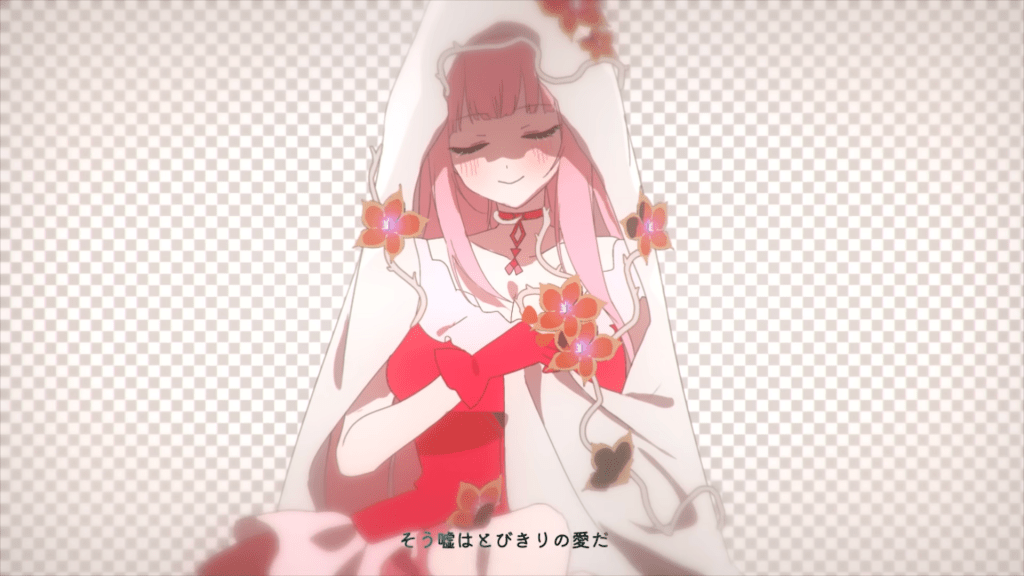
A pink-haired girl in a white dress with a hood, covered with flowers. The background is a gray and white checkerboard pattern referencing transparent backgrounds in computer images.

How much should we do what we’re good at vs. to what extent should we try to work on our weaker areas? And to what end? I’ve been contemplating these questions because of the Virtual Youtuber Calliope Mori.

There used to be an ad campaign in the 2000s for the beer Dos Equis featuring a charismatic older gentleman described as “The Most Interesting Man in the World.” The commercials would boast about his accomplishments, and even occasionally have him wittily comment on various topics. In one case, his advice on careers was “Find out what it is in life that you don’t do well, and don’t do that thing.” It‘s a statement that can be taken as “know your strengths and play to them,” but this and similar sentiments have me contemplating the ways in which we as people navigate the notion of self-improvement. 

That’s where Calliope Mori comes in. One of the most popular VTubers in the world, the central theme of her persona is that she is a “rapping reaper”—a death god who has bars for days while also presenting a very anime aesthetic. A lot of her early success was built on her rap skills, and it’s given her both fame and fortune, including a major deal with Universal Music Japan. Yet, rather than stick to the image of the “hip-hop anime girl,” Calli has more recently delved into two areas she feels less experienced in: cuteness and singing.

Among VTubers, being adorable and singing well are certainly not uncommon traits. Her genmate Gawr Gura (featured in the above collaboration, “Q”) is a prime example, and Calli going this route means being compared to the Guras of the world. But while Calli’s qualities (especially her rap skills) are much rarer and help her to stand out among the crowd, she’s also mentioned a desire to work on both cuteness and singing ability. For example, she originally asked if she could have a character model that was short and flat-chested, closer to her ideal image of cuteness. Calli has also been doing covers of cute songs like  “Kawaikute Gomen” and “Idol,” the opening for Oshi no Ko. It’s a move that has gotten both positive and negative feedback, some of which has been on the extreme side.

The worst comments seem to stem from the idea that one shouldn’t be putting content like this out unless they match a very high and often gatekeeping standard, and I find it sad and awfully pathetic to attack someone who is trying to do what they want while aware that they’re not the best at it, rather than just be mature and ignore what you don’t like.

Certainly, Calli could only try to operate outside her wheelhouse because she’s had financial success through Hololive and the support of a fanbase that wants to see her do well. It’s a far cry from telling someone barely scraping by to just “do what you feel like, even if you’re not necessarily going to be great at it.” But while Calli has a fairly privileged position, the fact that she’s willing to learn and experiment in the public eye, all while doing things that don’t come as easily to her, is admirable. It would be a terrible thing if people are discouraged from trying unusual things because of the backlash Calli receives. My hope is that everyone, Calli included, does not lose heart.

The Kids Are All Right—Batman and Superman: Battle of the Super Sons

Recently, I did something I haven’t done in a long time: I watched an in-flight movie. I used to love using my time traveling to check out the new and unfamiliar, and it was refreshing to experience that again. Given a short flight time, there was only so much I could fit in, and the movie I landed on was Batman and Superman: Battle of the Super Sons

Somewhat reflecting developments in DC Comics over the past few years, it’s an animated feature film about Superman’s son, Jon Kent, teaming up with Batman’s son, Damian Wayne. How this compares and contrasts with the comics is convoluted in ways I don’t fully understand myself, so I’m treating this mostly as a standalone thing. In that regard, it’s probably fine to watch on its own as long as you’re familiar with Superman and Batman in a general sense. Maybe the fact Robin (Damian) is a pint-sized assassin who calls Batman “father” might throw some people off.

The story: Jon thinks he’s a regular kid with boring parents who are both journalists. Soon, though, he discovers the truth about his dad, and his entire perspective changes. When the starfish-like alien conqueror Starro begins to take over the adult superheroes, it’s up to him and Damian, whom he befriends (?) after meeting Batman, to save the world.

There’s something about the past decade of fiction that has brought to the forefront the challenge of heroes having to raise their own children. While plenty of comparisons can be made between Jon and Son Gohan from Dragon Ball, I think it’s more apt to look at other works, like Boruto, the Star Wars sequel trilogy, and even Avatar: The Legend of Korra to some extent. The gap between the stories focused on the parents and those focused on the children can vary from a few years to many decades, but they all land in the same space, wherein the legacies of the old heroes still persist in the hearts of the fans. 

Because of this, portraying these adults as loving but flawed parents can be a tricky balancing act, and a common source of conflict in these stories is the struggle between maintaining one’s duty and being there for their kids. What’s more, these works are often meant to have the old good guys step out of the limelight and allow their kids to take center stage, which can create complicated feelings among fans.

In that regard, it’s actually kind of comforting to see the literal most perfect superhero, Superman, have trouble with this. If even the Last Son of Krypton has days where it’s hard to be a dad, then who wouldn’t? Sure, he’s ultimately the Best Dad Ever (and Lois an equally amazing mom in her own right), but Battle of the Super Sons successfully conveys the idea that we can have faith in the next generation to do things their way if we communicate to them the importance of love and justice. 

Anime Central 2023 Interview: Kubo Yurika and Ichinose Kana

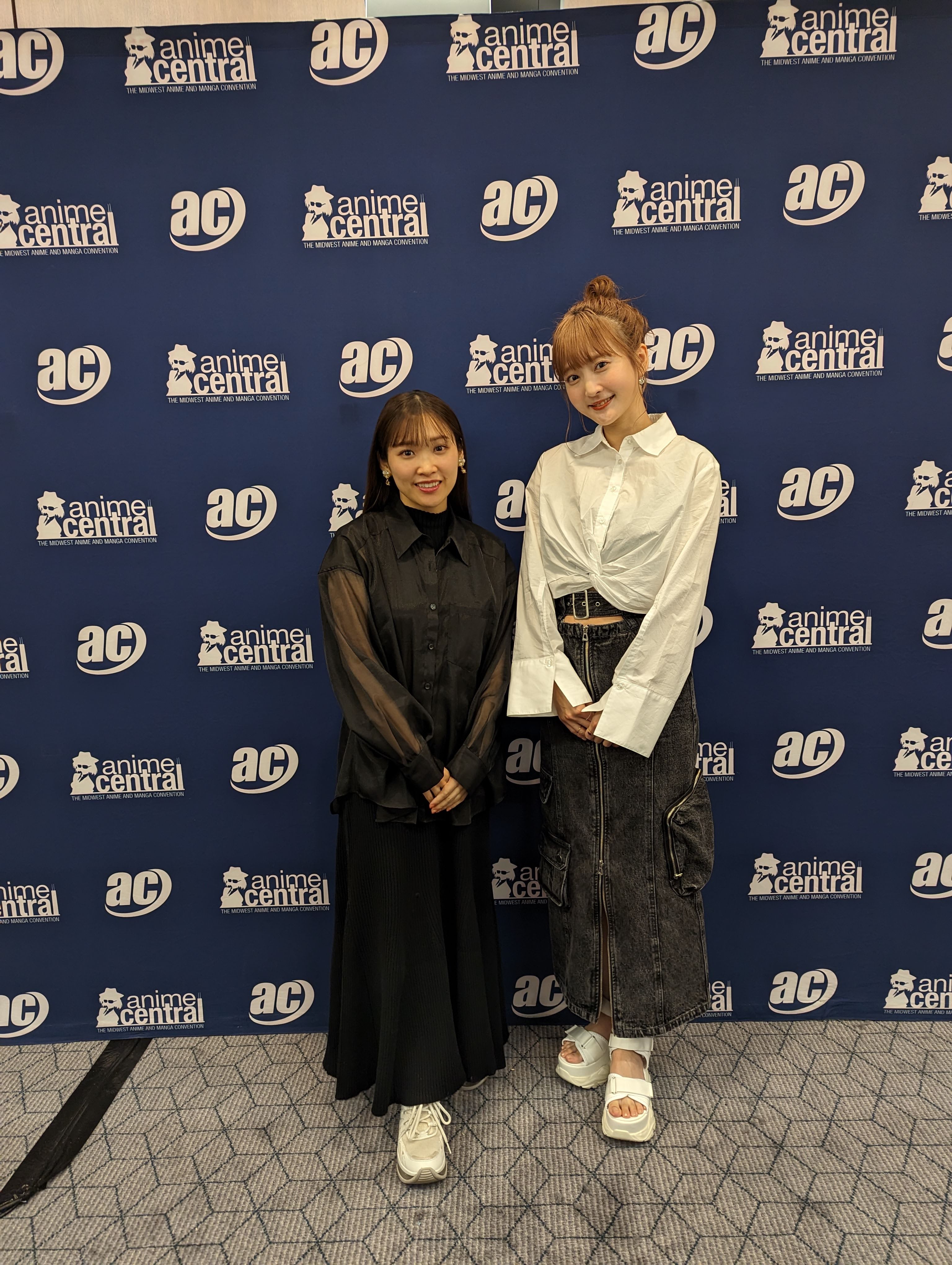
Kubo Yurika and Ichinose Kana were at Anime Central 2023 to promote the game A Light in the Dark. Kubo is best known for her role as Koizumi Hanayo in Love Live!, and Ichinose is currently voicing Suletta Mercury, the protagonist of Mobile Suit Gundam: The Witch from Mercury.

I also had the chance to ask Kubo a question specific to Love Live! during her fan panel, which I’ve included at the end of the main interview. 

You’re both here at ACen because of your role in the visual novel A Light in the Dark. What are your most memorable experiences being involved with this game?

Do you mean during the recording?

Yes.

Kubo: Personally, this was during a time when I had a lot to record, so my sessions went on for days. My character, Mysterious Girl, goes through a lot of difficulties, and I was going through a lot of difficulties in my real life as well. So that overlapped, and I really realized that my life can be so easily influenced during recording.

Ichinose: By the roles you play?

Kubo: Yes, yes! That’s it! There’s a part of me that can be hurt quite a bit.

Ichinose: Oh, wow.

Kubo: So my memorable experiences tend to be about the heaviness of the role I play.

Ichinose: For me, I like playing serious roles, and my role hit close to heart. My character starts off very reticent, but there was still a lot of emoting involved. I do like heavy roles—and it was still heavy—but I still enjoyed it.

-How have your experiences playing characters such as Hanayo from Love Live! and Ichigo from Darling in the Franxx influenced the way you play your characters in A Light in the Dark

Kubo: So for both of us, it probably wouldn’t just be the roles from the works you mentioned—they’re all opportunities for growth as actors.

Ichinose: These are genuine experiences that contributed to our breadth of expression.

How do you balance playing multiple characters at once and keeping track of them?

Kubo: As for keeping track of roles, I think all the characters we’ve played so far don’t necessarily influence who we play in the moment. We just get into the role and do it that way. 

Ichinose: And since all the roles are so heavy in A Light in the Dark, resetting the emotions and getting out of the characters tends to be a bit of a challenge. But at the same time, as we work professionally, we do get ingrained with an emotional switch, or an acting switch, where we switch between roles in a very natural way.

Kubo: Yes, you’re right!

How does recording for a visual novel compare with other types of voice work?

Ichinose: Compared to recording for other types of video games, in other games, it’s more typical to do small voices like “Yah!”

Kubo: And “Hah!”

Ichinose: Yeah, and “Hah!” But there is a much longer story in A Light in the Dark, and there is much more emotional continuity. Depending on the recording, we might be skipping chapters, so we have to keep track of the continuity of the story and also the emotions. 

Kubo: But there are also branching paths in the story where the user has to select which path to go, and we have to be aware of the pre-selection emotion as well as which path the user chose.

Ichinose: One dialogue path would end, and then we’d have to do a different dialogue path.

Kubo: The level of tension and excitement would have to change too. It’s one of the fun and interesting things about the project.

Ichinose: I would sometimes have to rewind the emotional state of the character and go back. 

Kubo: Right!

That general area is part of the difficulty.

What inspired you to become a voice actor, or get into the entertainment industry in general?

Kubo: I started as a model for teenage magazines, but even before then, I was always watching anime and reading manga. While modeling, I was starting to wonder if I was unfit for the job, whereas I could always enjoy anime and manga. So I always wanted to take on the challenge if I ever had the opportunity. I did tell my agency that’s what I wanted to do, but they told me off that it’s not such an easy thing. They didn’t outright oppose what I said, but they said it’s not easy. When I got the role for Love Live!, though, that was my foot in the door into a career as a voice actor.

Ichinose: When I was in grade school and kindergarten I always loved watching anime, and my life more or less involved watching anime. I did play with my friends, but if I were at home, I’d spend pretty much the whole day watching anime. As I watched anime and loved anime, my thoughts turned towards the casts in anime, towards the voice actors, and eventually I would think that I wanted to get involved in the world of these various animation stories. So when it came time to choose a future for myself, one day I went to an open campus at a voice acting school, where I got my determination to go into voice acting.

For my three years in high school, I worked part-time and saved so I would have the money to pay for my own tuition for voice acting school. I paid my way through, did my audition, and got a role. So I started from a love of anime, refined my voice, and tried it out. I have the person who encouraged me to go into voice acting back then, who told me I had a chance, to thank.

Is there anything about your performances as Mysterious Girl and Young Girl that you’re especially proud of? 

Ichinose: What do you mean by that?

In the sense of, did you think you felt you had performed well, and can look back and say “I did a really good job here?”

Kubo: For my role as Mysterious GIrl, there is a portion in the latter half of the game where she goes through an emotional explosion. I played that part thinking, “I could lose my voice tomorrow, but I’ll go through with it.” If you can experience that scene, I would be very happy.

Ichinose: My character gets a little bit closer to the main character in the middle of the story, and she begins to open up and start talking about her dreams and aspirations—like how she would like to eat sweets. Normally, that’s the kind of dream that’s easily realizable if you have the money for it, but the girls grew up in an environment where that’s not something they could afford.

How is it to play a character who didn’t have something that was so ordinary and common for normal people? That was my challenge. So this is a serious title, but there are these small slivers of hope that my character can aspire towards, and if that kind of nuance gets through to the player, I think my acting will be rewarded.

Thank you!


Bonus: Extra Question for Kubo Yurika from the Previous Day’s Fan Panel

I love the way that you portray Hanayo’s shyness and intensity. My question is: I noticed your performance of her evolved over time; what changes did you make to playing Hanayo over the years?

Kubo: It wasn’t like I really changed my approach to Hanayo—more like as the years went by, Hanayo saw more of her character, experienced more, as did I personally. I think that’s kind of what led to that natural evolution. I wasn’t very conscious of it at all.