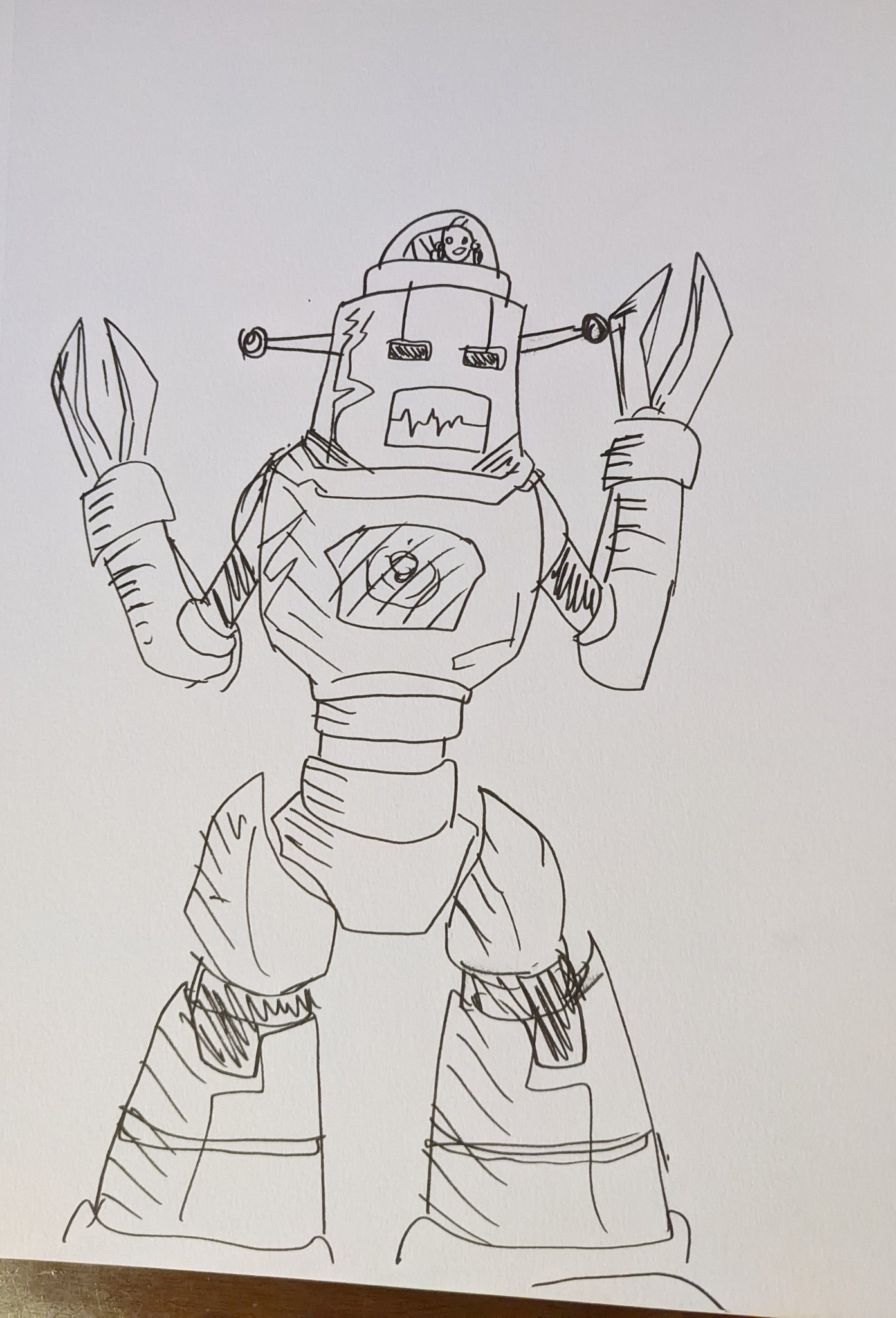
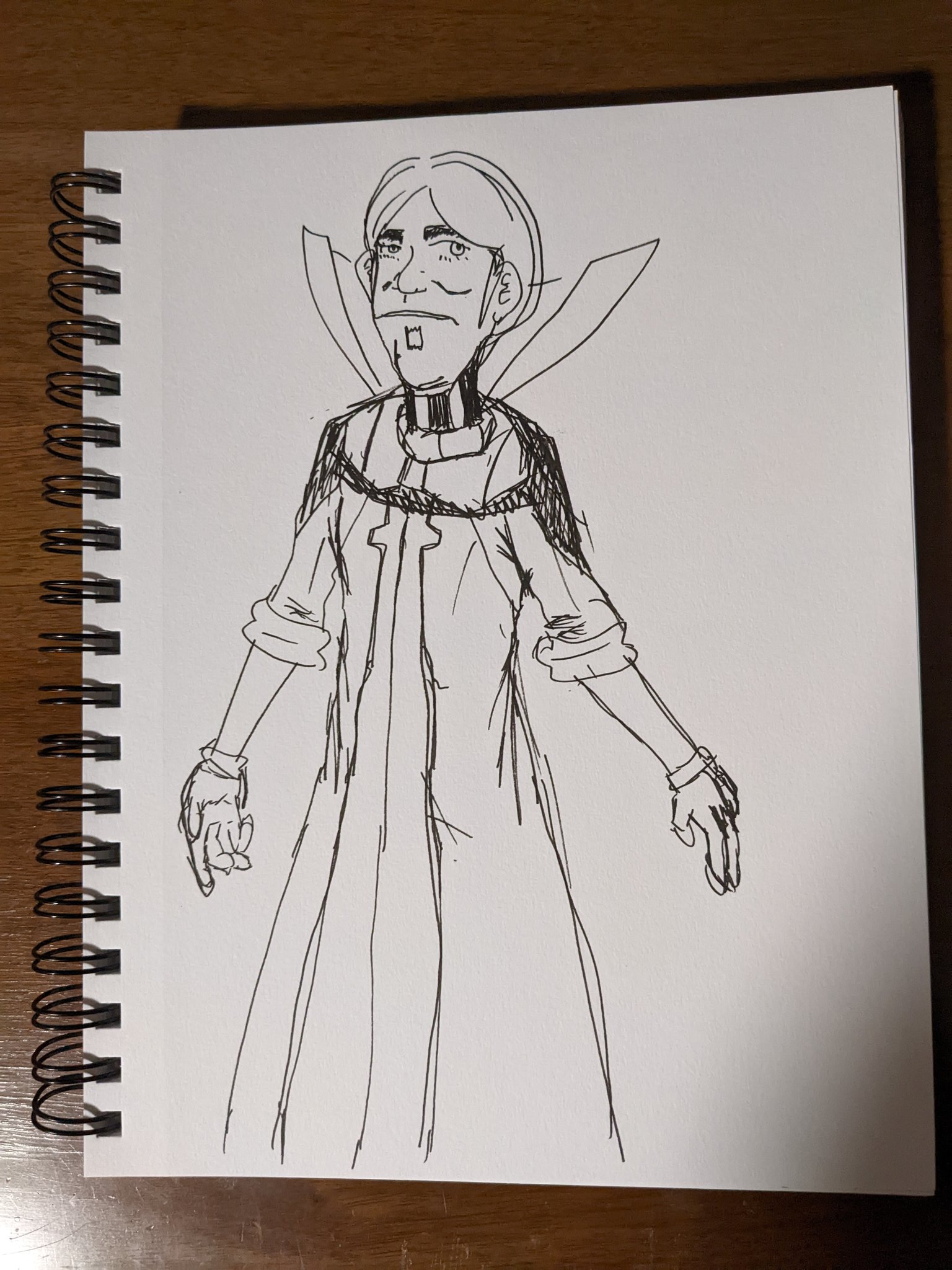
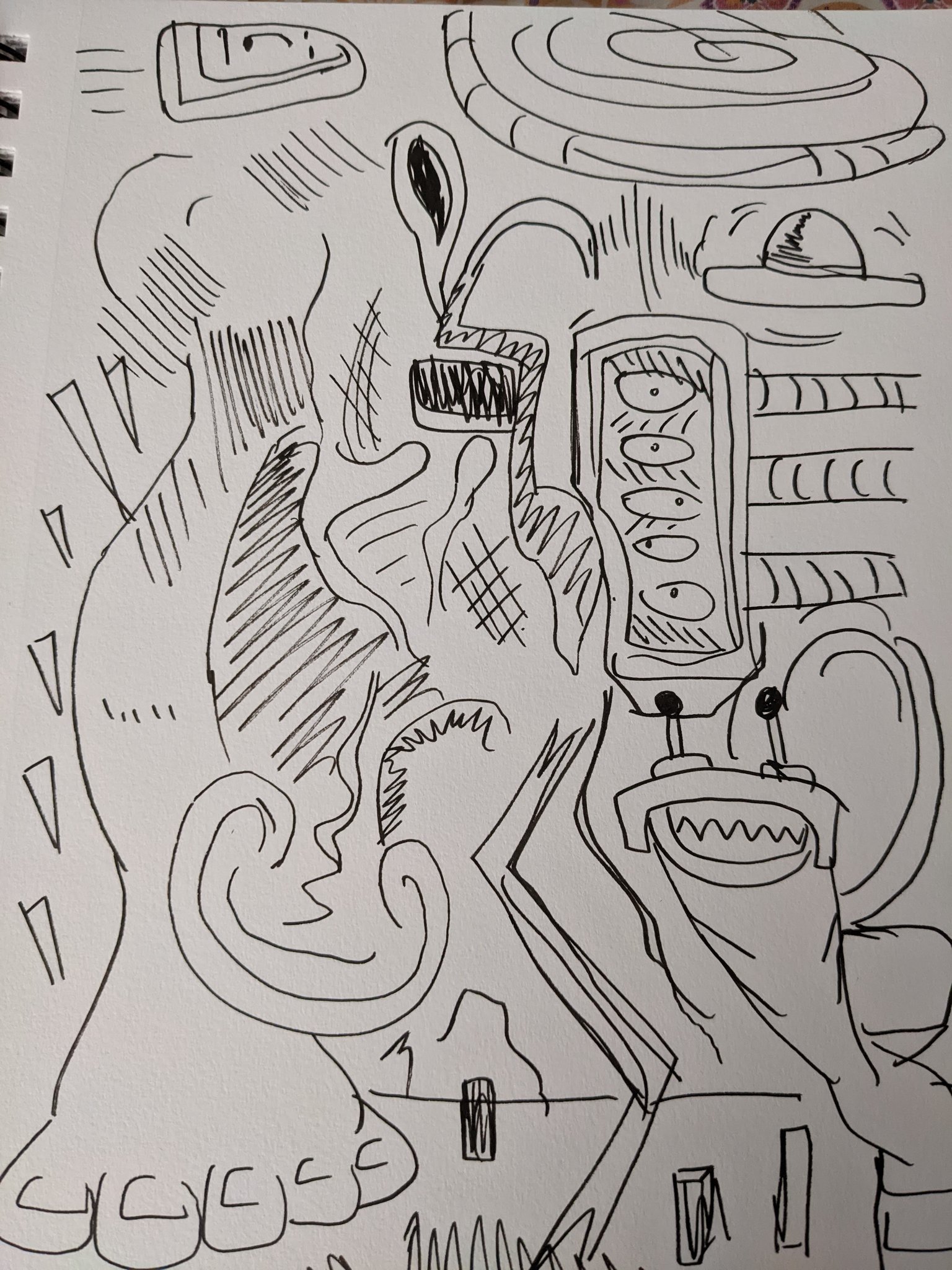
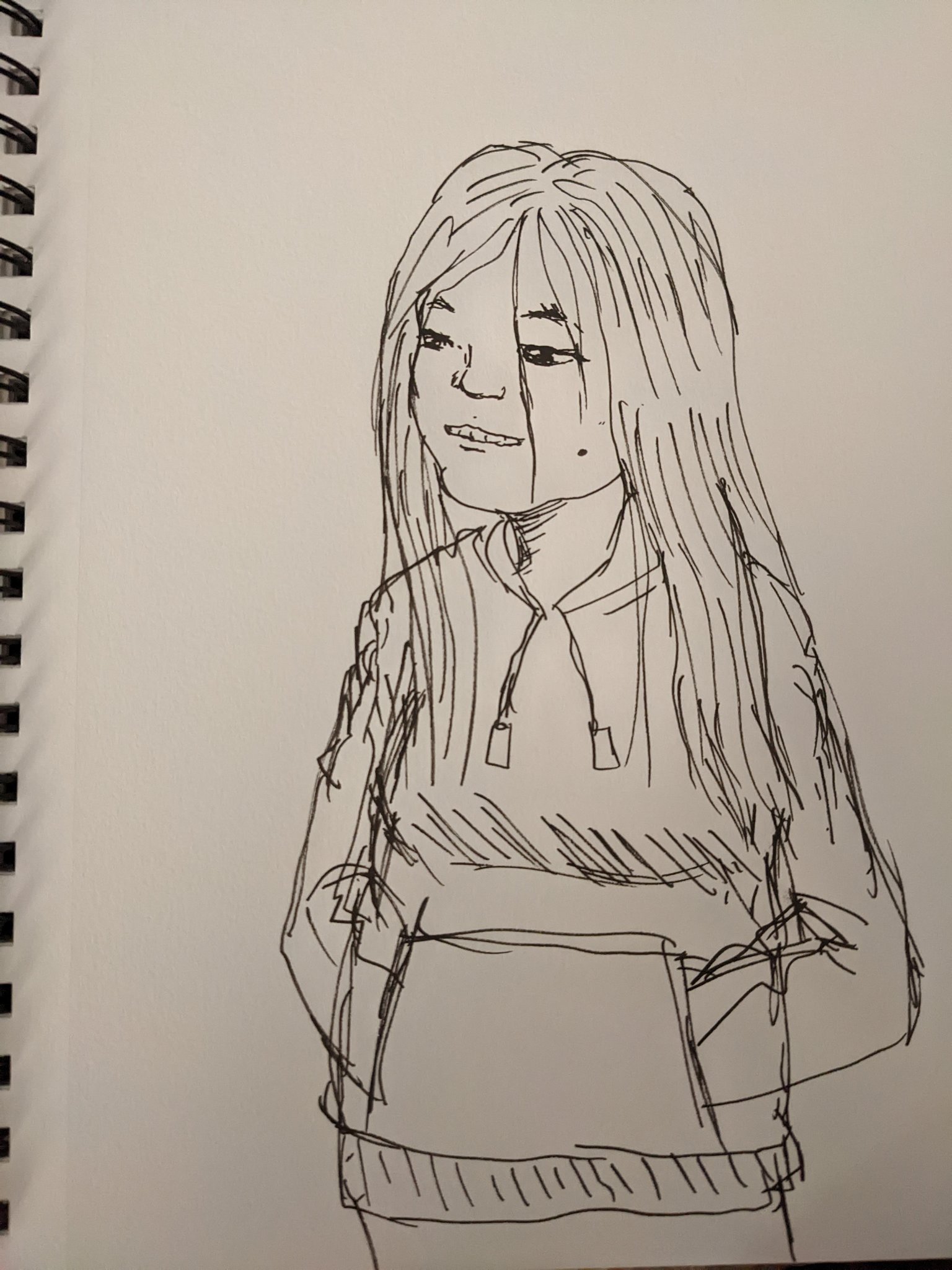
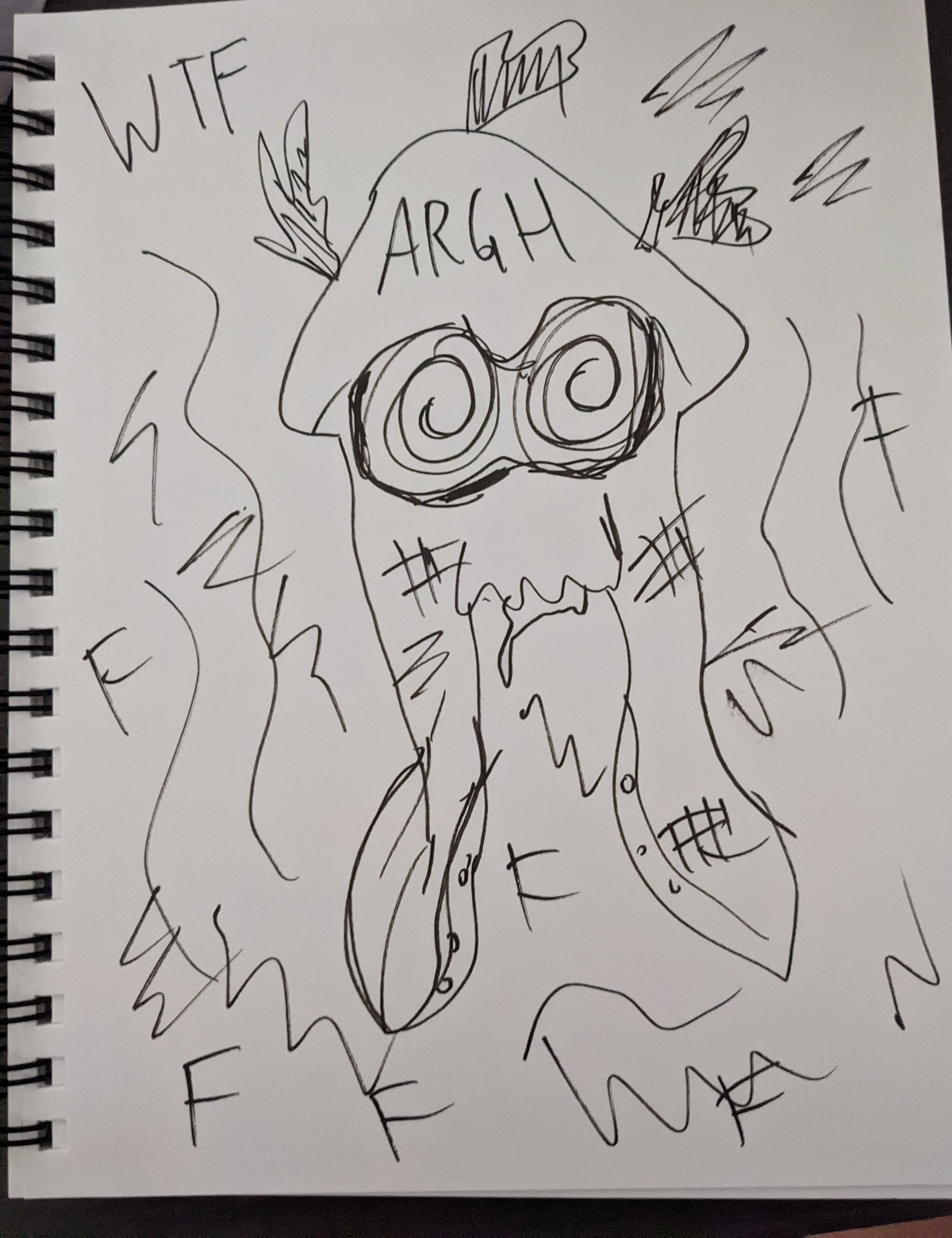
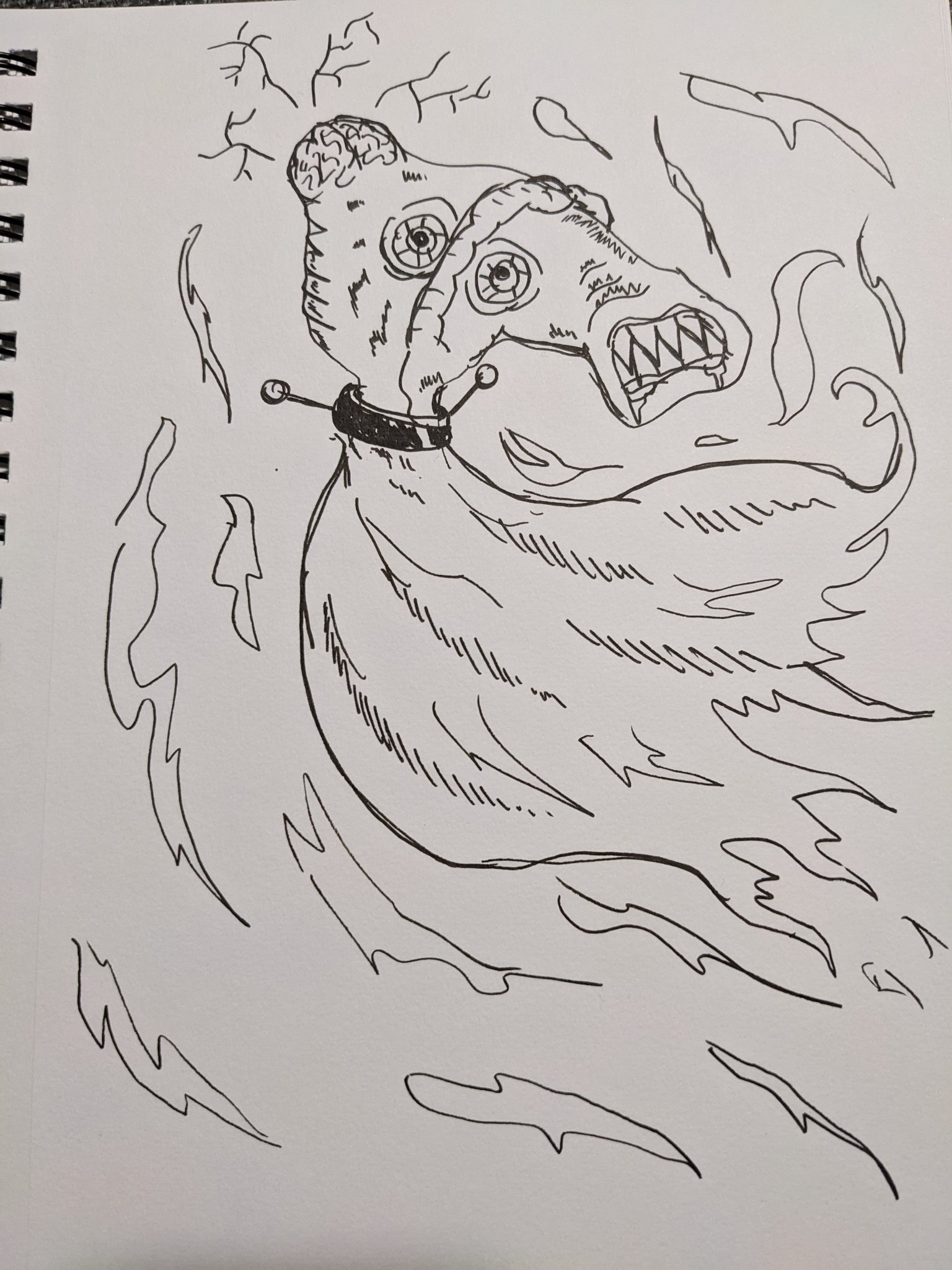
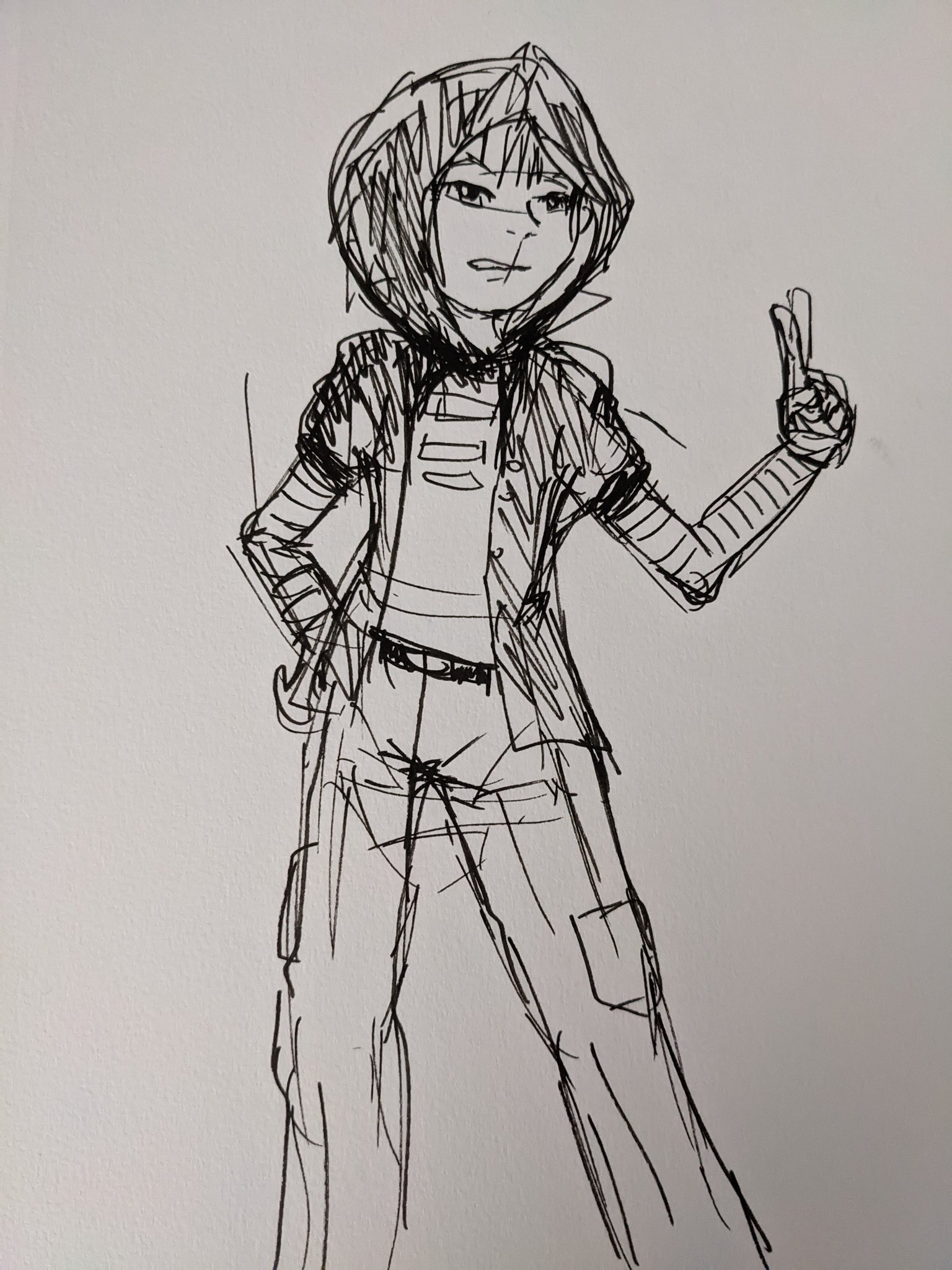
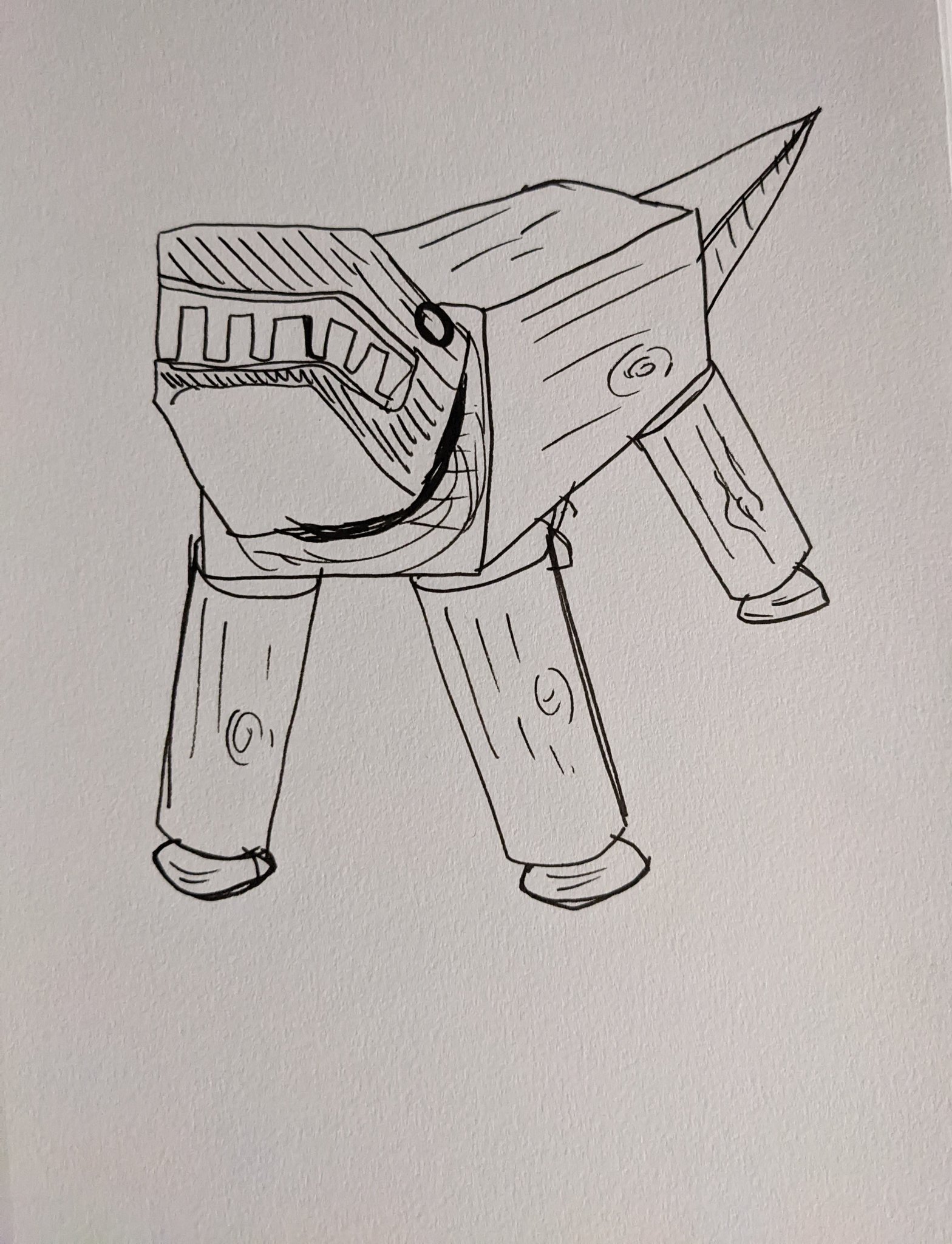
Kio Shimoku Twitter Highlights September 2025

For Kio, summer hasn’t ended (at least as of August 31).

Rough draft of Spotted Flower’s husband.

Volume 8 of Spotted Flower was announced. (Release date was September 30.)

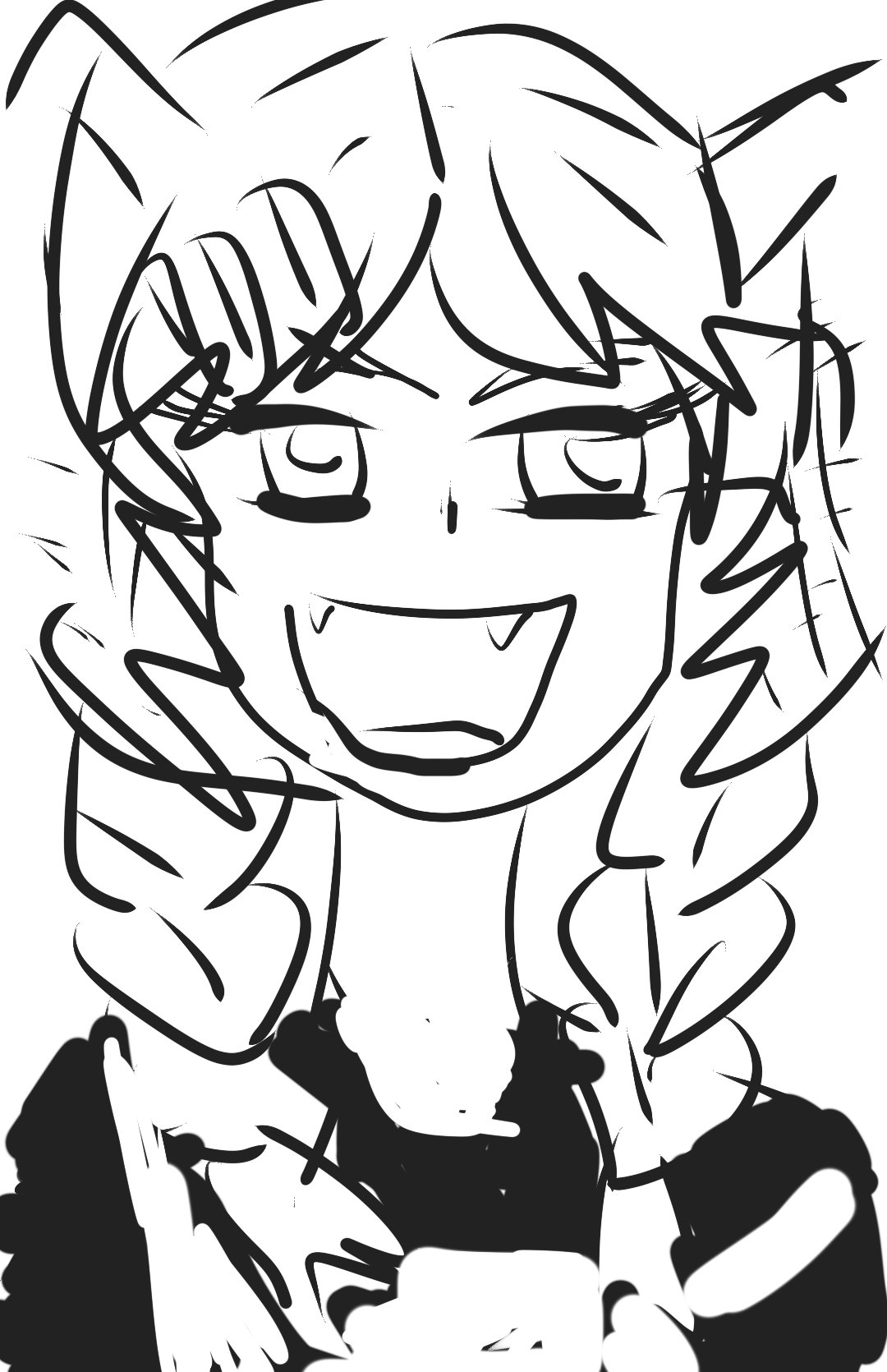
Another rough draft from Spotted Flower’s wife.

A thought creeps up in Ogino’s mind.

Kio recommends everyone read the manga Zutto Seishun poi Desuyo (or We Are in the Spring of Life) by Yatera Keita.

Kio claims this Madarame-looking guy is from Spotted Flower.

Sounds like Chapter 50 of Spotted Flower will have a hell of a finale. It’s not clear whether this means the end of the series, or it’s just the final scene of the chapter that’s a big deal.

Different stores in Japan have different purchase bonuses for Volume 8 of Spotted Flower! Almost all of them are basically different girls in skimpy swimsuits.

It also seems like Kio will be including something like a doujinshi with Volume 8.

Like every volume, this Spotted Flower will also have underjacket art that has the characters in less clothing.

There will be a live action adaptation of Kio’s erotic doujinshi sequel, It’s All Your Fault, Sensei. 2. Here’s an NSFW tweet with a barely censored picture of the actors.

Big booby female knights are right up Kio’s alley, and it just so happens that here’s a manga specifically about that.

Kio saw Chainsaw Man – The Movie: Reze Arc, and was really impressed by the scene when the bomb goes flying.

While visiting Obata Castle in Ibaraki Prefecture, Kio heard a loud roar coming from the south. Then he remembered that the JSDF’s Hyakuri Base is there.

Kio saw the animated film Hyakuemu. He really liked the linework in the drawings.

Chainsaw Man as Self-Reflective Edgelord Media

Video essayist F.D Signifier has made various videos about what he calls edgelord movies—media featuring cool lone-wolf heroes—and the way they interact with the portion of their fanbase that consist of a male, mostly white viewers drawn to their depiction of masculinity. Fight Club, The Matrix, Joker, and even something like Attack on Titan all count towards this. They’re fascinating watches, and well worth checking out.

At the end of his most recent video (see above), he comes to a striking conclusion: Attempts to address edgelords through edgelord media are probably in vain because there will always be a part of that audience who will just remember the badass stuff and ignore (or not even notice) the criticism. To make an edgelord movie, you need edgelord moments, and that is what a particular type will gravitate towards. If you make violence look cool, that’s what some people will remember above all else.

I can definitely see where F.D Signifier is coming from. But despite my sense that he might very well be right, I’m going to toss in my suggestion for an edgelord title that I think is the most likely to reach that audience and drive its criticisms home: Chainsaw Man.

Fujimoto Tatsuki’s manga Chainsaw Man centers around Denji, a destitute boy who does menial tasks for gangsters and dreams of 1) losing his virginity 2) eating bread with jam. Through an odd confluence of events, he gains the power of the Chainsaw Devil and becomes Chainsaw Man, with a chainsaw for a head and chainsaws on his arms…and also he can just make chainsaws come out of his body. The series is crass and ultra violent, and Denji acts as this powerful hero who breaks all the rules.

Except, where other edgelord fiction might leave any revealing commentary about its protagonist to the end (Fight Club, Attack on Titan), or couch its transgressive politics in imagery and metaphor (The Matrix), Chainsaw Man constantly juxtaposes the “sigma male” qualities of Denji with his own pathetic nature. Rarely does a badass scene or arc take place that isn’t immediately cut at the knees while the series questions that badassery in the first place. While it’s still possible to ignore Denji’s sadder qualities, Chainsaw Man really throws it in the audience’s face over and over again. There are even times where Denji himself explicitly expresses frustration over how shallow he can be, and how he often wishes he wasn’t that way.

I don’t have any empirical evidence that Chainsaw Man has reached anyone in the manner I’ve described. In fact, I often see the opposite, as parts of the Chainsaw Man fandom concentrate on refracted pieces instead of the whole: the brutal violence, the character Makima’s domme aesthetic, general wackiness, etc. But while at least a chunk of that audience might never learn, the series itself continuously pulls apart its own power fantasy only to put it back together and then tear it up again in a continuous cycle. It never relents, and I think that persistence could pay off.

Look Back vs. Chainsaw Man

Look Back is a one-shot manga by Fujimoto Tatsuki, author of Chainsaw Man. It’s an excellent work about a young girl driven by a love of drawing and petty jealousy, and it was recently adapted into a beautiful film that does the source material justice. I’d rather not spoil Look Back, so I highly recommend anyone go check it out, but I also think it’s a very accessible work that can help those who are skeptical towards or hesitant to look at Chainsaw Man in understanding Fujimoto as a creator.

I find Chainsaw Man to be one of the best things to come out of manga in the past five or so years, but I understand well that its reputation and image can be off-putting. Between the less-than-noble hero, the gore, and the amount of fans who want to call Makima “Mommy,” Chainsaw Man can appear on the surface to be rather paper-thin and rely too much on gratuitous violence and sex appeal.

But Look Back is about as far removed from that kind of content as you can get, and consequently makes it crystal clear that Fujimoto is a very capable and compelling storyteller. While Chainsaw Man is indeed generally grotesque in a variety of ways, it doesn’t use those things to cover up other deficiencies. What both works have in common is interesting characters with a lot of actual mottled grayness and depth to the their shallowness (and vice versa), as well as the continuous upheaval of expectations. It’s just that Look Back is something of a cleaner package that feels more down-to-Earth.

So if you’re someone who’s felt like Chainsaw Man isn’t for you, you might very well be right. But even if you are, I think Look Back can help to clear up some of the misconceptions about Fujimoto’s work in general, and can provide a path to appreciating the author’s violent mega-hit as well.

Best Anime Characters of 2023

BEST MALE CHARACTER

Pluto (Pluto)

In a series full of excellent characters who are each a master class in storytelling, the one who stands out to me the most is Pluto himself.

The main antagonistic force in his series, Pluto is presented in myriad ways over the course of the story. First, he’s known only by the aftermath of his destructive powers. Then, we see glimpses of him within mighty whirlwinds, like a monster straight out of a suspenseful horror film. But then more facets of Pluto are revealed that show him to be far more complex and conflicted than what we’re initially led to believe. 

He barely gets any screen time in the grand scheme of things, but by the time everything comes to a head, it’s amazing that what stands before us is the same being as the enigmatic harbinger of death from Episode 1. The most seemingly inhuman of robots turns out to be among the most human of all.

BEST FEMALE CHARACTER

Suletta Mercury (Mobile Suit Gundam: The Witch from Mercury)

After decades, we finally have our first true female Gundam protagonist. While there have been predecessors of sorts, like Fumina in Build Fighters TRY and Christina Mackenzie in War in the Pocket, Suletta is both the Gundam pilot and the heroine in a main Gundam anime. 

Being such a major milestone is a pretty big deal in itself. However, what we also have in Suletta is an incredibly interesting main character whose story and growth anchor her series—all while being incredibly unique among Gundam heroes. She begins the series as a sheltered girl whose anxiousness and constant second-guessing are endearing and hint at her eventual development. Thrust into unfamiliar environments and forced to confront difficult questions about who she is and where she came from, Suletta gradually grows into her own person, struggling and breaking free of the shackles imposed on her by others, including her own mother. 
Suletta might not even be my favorite character in Witch from Mercury, but her significance to Gundam and anime, combined with the brilliant job the creators and the actor have done to bring Suletta to life makes her the best in my eyes. She is so very human, and the way she is shaped by—and, in turn, shapes—her world resonates emotionally.

BEST MAGICAL BOY

Yuunagi Tsubasa (Soarin’ Sky Precure)

Precure is a magical girl franchise, so it generally makes sense that each series would feature girls as the heroes, with male characters occupying supporting roles. And over the years, there would be dalliances with the possibility that boys could be magical in their own ways, whether by utilizing different abilities (Black Pepper, Rio), through imagination and gags (Cure Fire, Cure Gorilla), or as one-offs (Cure Infini). But in Soarin’ Sky Precure, an anime that’s all about defying the trends off its predecessors, Yuunagi Tsubasa stands proud as the first true male Precure.

Tsubasa is a bird who cannot fly—his species, native to a magical fantasy land, sacrificed the natural ability for greater intelligence. But rather than give up on the possibility, he used his smarts to study and follow in the footsteps of the Wright Brothers. And when he gains the magic to travel the skies as a Precure, he utilizes his knowledge of physics and aerodynamics to aid in battle. The way Tsubasa takes advantage of his strengths and refuses to let his weaknesses limit him is inspirational.

I think a special shout-out has to be given to Cure Wing’s design, as it does a great job of feeling boyish while matching the general Precure aesthetic. It threads a very fine line indeed. 

FINAL THOUGHTS

This year’s characters represent long overdue achievements. Pluto is the antagonist of a work for an anime adaptation for a manga from 20 years ago. Suletta and Tsubasa, in turn, have shattered gender norms of their respective decades-old mega franchises. They’re also anything but one-dimensional—especially Pluto and Suletta, who come out of their respective works very different from how they began. The pioneering aspect of these characters indicate a slow but steady march of progress that I hope won’t be the high point, but the beginning of greater things.

Chainsaw Man’s Quarterlife Crisis

WARNING: CHAINSAW MAN MANGA PART 2 SPOILERS

I recently read the book Quarterlife: The Search for Self in Early Adulthood by therapist Satya Doyle Byock, which talks about the concept of the “quarterlife crisis.” According to Doyle, it is when someone in early adulthood feels a sense of dissatisfaction from a certain imbalance—in the pursuit of either meaning or stability, the other is never developed. People typically tend toward one side, and if they fail to teach a degree of balance, it can eventually turn into a midlife crisis. While the book is primarily aimed towards actual flesh-and-blood people, that struggle between meaning and stability also made me think of the hero of a current popular manga: Denji from Chainsaw Man.
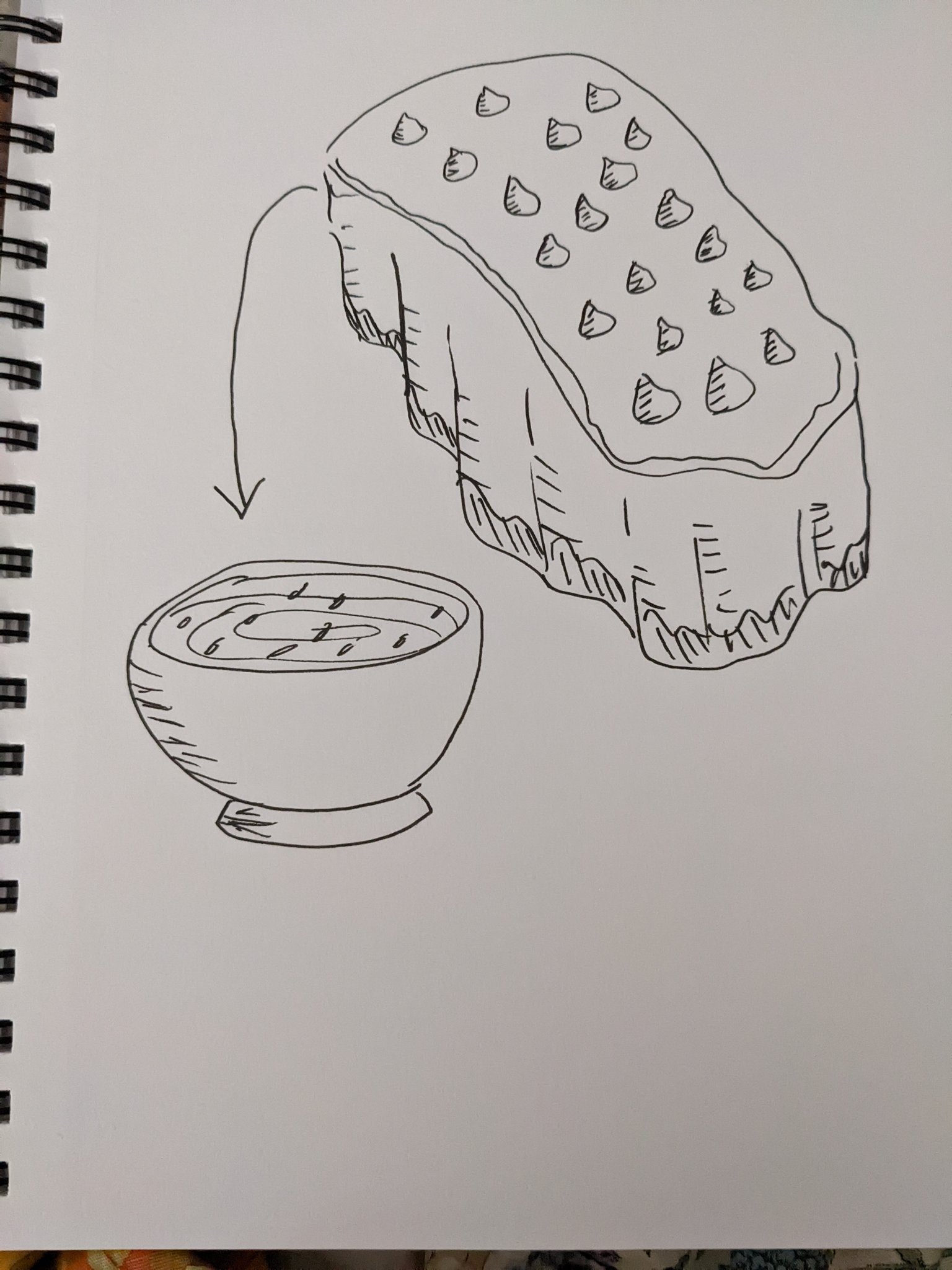
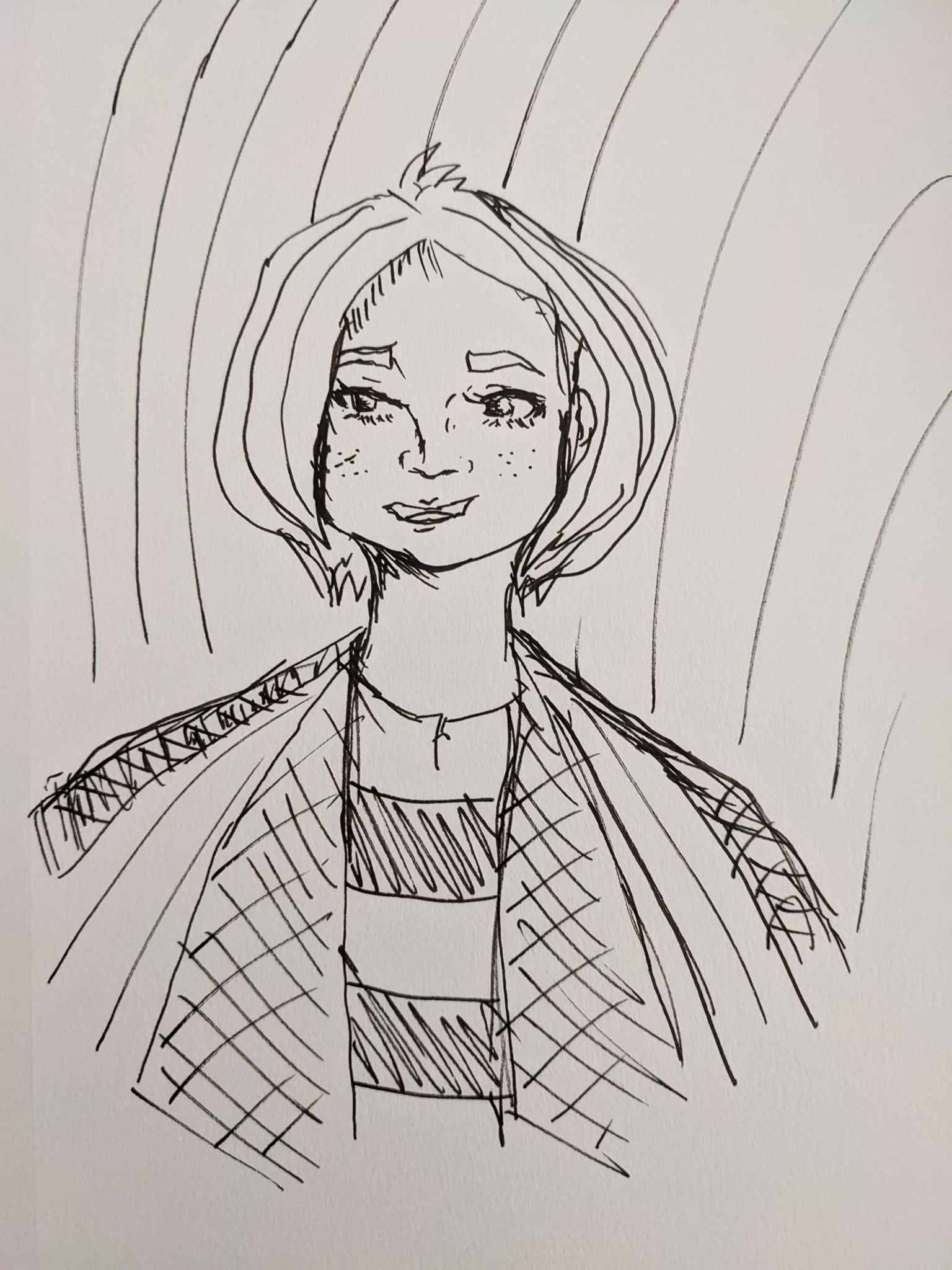
From the start, what we know of Denji is that he basically has nothing, and even his highest aspirations come from scarcity: He wants to eat jam on toast, and he wants to touch a boob. While he comes across as shallow and horny (and he is both), this is Denji seeking the stability he’s never had, symbolized in the freedom to eat whatever he wants and to be with a girl. Thanks to his Chainsaw Devil powers, he starts to get that life, but it’s also clear that things aren’t hitting quite right. “This isn’t what I expected it to be” is a common thought by Denji, as if all that stability brings him is a search for meaning.

However, when Denji pursues meaning, including embracing the public image of Chainsaw Man as a dark hero, he instead starts to wonder, “Is this really all there is?” The comfort of stability calls to him—a life where he doesn’t have to be Chainsaw Man anymore. Even as others try to force a sense of meaning onto Denji, he resists because he’s trying to see how he really feels.

This vacillating between stability and meaning occurs across Part 1 of the manga. It also extends into Part 2, where I find Denji’s to be even more intense. The addition of the character Nayuta shows a side of him we had only barely glimpsed before—now a big brother/dad of sorts, he tries to provide for her a comfortable life full of opportunities that he himself never had. My heart actually feels joy when I see Nayuta take after Denji’s odd mannerisms, or when she enthusiastically and aggressively participates in class. I suspect there might be an answer for him in their relationship.

Denji is not an “early adult,” but rather a teen. What he experiences is not that period in which society tells us that people are supposed to be in their prime. However, I do think Denji’s plight in this area is part of why Chainsaw Man has been such a phenomenon. The typical shounen hero does not have anything resembling a quarterlife crisis. They usually have an ambition that drives them, and is the presumed end goal of the story. The fact that Denji struggles as much as he does, on top of being both vapid and profound at once, is eminently relatable.

Of course, I highly doubt that the author Fujimoto has been thinking specifically of quarterlife crisis. Even if he was, there’s a good chance Denji just ends up in a worse place by the end. But I now see a painful and at times conflicting search for meaning and stability that is ever present in Chainsaw Man, and I think it gives the series a powerfully profound psychological quality absent in so many of its peers.

Big Brother Denji: Chainsaw Man and Personal Growth

It can sometimes be a struggle to explain why Chainsaw Man is so good, even to those who have become fans of it through the anime. It’s as if they’re eating a peanut butter cup and going, “Wow, this chocolate is good!”

But recent chapters of the manga have shown just how much Denji’s journey has changed him when we see Denji talk about Power, as well as his interactions with the character Nayuta.

MANGA SPOILER WARNING

Part 2 of Chainsaw Man has been fun, especially between having a new perspective character in Asa and the way Denji keeps trying to “accidentally” reveal that he’s Chainsaw Man. The guy is still pretty shallow and dim, but then he starts talking to Asa about a “good friend” he knew, and his words carry a tone both mournful and joyful. Over time, his bond with Power became genuine and full of caring, and the weight that comes with his current maturity can be felt.

Then, when you see him interact with Nayuta (the new Control Devil after Makima), that feeling only multiplies. Denji in Part 1 thinks mostly about himself—a product of his upbringing as an orphan surviving on scraps—but here, he has responsibilities as Nayuta’s guardian. From the little bits we can see of their relationship, he knows full well how dangerous the Control Devil can be, but behaves like a mix of dad and big brother in order to get Nayuta to listen. Hearing “I’ll only revert my transformation of this girl’s psyche into a dog’s if you let me eat ice cream every day” and replying with “Fine, but only if I get to eat some too” sums up how Denji negotiates with her. He’s no paragon of virtue, but he tries to make sure Nayuta does the right thing by treating her practically as a peer. 

Given all of Denji’s trauma before and during the events of the manga, I see his attitude towards Nayuta to be a desire to not repeat the same heartbreaking mistakes, especially for Nayuta’s sake. Flawed as Denji is, including morally, he doesn’t want her to feel the pain of loneliness on the scale that he, and even Makima, knew all too well. Denji’s doing his best to set a good example, and seeing the odd contours of that attempt speaks to a profound personal growth.

RABBIT!: Ogiue Maniax Status Update for January 2023

Yesterday, I watched the Hololive COUNTDOWN LIVE 2022▷2023. It involved 3D concert performances by a variety of members including two of my faves, the currently COVID-stricken Haachama and the on-hiatus La+ Darknesss. I highly recommend it, especially the crossover sections between the girls of Hololive and the boys of Holostars. This clearly takes some inspiration from Japan’s long-standing end-of-year musical event, Kohaku Uta Gassen, but I’ve never actually watched it.

Looking back, it didn’t hit me how long the past year felt until I saw Kio Shimoku mention that Hashikko Ensemble concluded back in January of 2022. At times, it’s like the days move by all too quickly, and other times, it’s like they slow to a crawl. I can’t tell at this point how much of it is the prolonged funk of the pandemic and how much is just me getting older.

But here we are at the start of 2023 and the Year of the Rabbit, at least if we’re going by the solar calendar. Whenever I think about it, I find myself remembering a certain old flash video from the 2000s. Thankfully, someone uploaded it to Youtube, so I can inflict it on a new generation.

January’s Patreon subscribers are looking good. Thank you, everyone, and here’s to another fine (?) year.

General:

Ko Ransom

Diogo Prado

Alex

Dsy

Naledi Ramphele

Sue Hopkins fans:

Serxeid

Hato Kenjirou fans:

Elizabeth

Yajima Mirei fans:

Machi-Kurada

Blog highlights from December:

Elegy of Fire and Metal: A Tribute to Mizuki Ichiro

Paying respects to one of the greatest singers in all of anime who passed away.

Hololive 3D Concerts and Bringing Different Fans Together

This is partly an analysis of how different fans have different expectations for their VTuber faves, and partly an excuse to post more videos of La+ Darkness’s amazing dancing skills.

Prospera Mercury, She Is a Char

How the mom in Gundam: The Witch from Mercury nails that Char Aznable feel.

And normally, I only pick three highlights, but I must mention that I’ve selected my anime characters of the year.

Kio Shimoku

Kio’s tweets mostly show his model-building progress and his thoughts on the 2022 World Cup.

Apartment 507

Chainsaw Man Anime vs. Manga.

Closing

At the start of the year, I feel myself wondering if I should be doing more both with Ogiue Maniax and outside of it. One thing I’ve thought about is starting a Substack, but I have no idea how I might divide my writing. In my head, there’s no real differentiation between “regular” posts and “premium” ones, and I’d probably have to figure out some way to make it worthwhile. One possibility is to break off the VTuber stuff into its own dedicated area in case it’s becoming too intrusive, but I don’t think it’s that bad currently.

I could also do premium posts on Patreon, but that sort of runs into the same issue. If anyone wants to see that sort of content (or if you even hate the idea), feel free to leave a comment. I think I care less about the money at this point and wonder more about how to promote Ogiue Maniax in 2023. All the old ways seem to be vanishing (and Twitter is constantly on the verge of collapse because of its moronic new boss), and I still haven’t caught up.

Whichever ways things go, though, I hope you’ll keep reading.

Best Anime Characters of 2022

BEST MALE CHARACTER

Bojji (Ranking of Kings)

In a massively oversaturated field of boy adventurers and princes with great destinies, it’s easy for a hero to get lost in the shuffle. But that suits that perpetually underestimated Bojji just fine. Deaf and undersized (especially for the son of giants), the hero of Ranking of Kings is one of the finest examples of a protagonist to ever grace the world of anime because of how his combination of cleverness, grit, and a loving heart work as one. What’s most impressive is that while he has a disability, it’s not used as inspiration porn for the able-bodied. Bojji develops himself in specific ways due to the particular challenges he faces, and he is neither wholly defined by them nor portrayed as if they don’t matter. He’s a character who will stand the rest of time.

BEST FEMALE CHARACTER

Power (Chainsaw Man)

There are very few characters that have made as immediate an impact on me in their first appearance, and even fewer who can make me laugh the way Power can. From her slightly archaic manner of speech, to the way she clearly doesn’t think through most things, to her penchant for violence and undeserved self-aggrandizement, Power is a lot to handle. But it’s in the strange yet continuously growing bond between her and Denji that she reveals what can sort of charitably be called a softer side—though it’s more like she’s the type not to care about anything beyond herself until she recognizes it as affecting her emotionally. I love her antics, and I hereby nominate Power for a Nobel Prize in Being Rad.

BEST UNCLE

Uncle (Uncle from Another World)

Here is a character who speaks to me on a deep and powerful level. His love of Sega is second to none, the combination of reclusive awkwardness, gamer brain, and a caring heart (that doesn’t always come across in the best way) makes him an amazing combination of gag character and hero. I’m extremely biased for a variety of reasons, and Uncle was a hair’s breadth away from also being the best male character of the year, but I felt it was more fitting to dedicate a category just to him for 2022.

FINAL THOUGHTS

It was a seriously tough decision picking my two favorite characters of the year. I had to think a lot about the balance between the characters that are closest to my heart vs. those who impressed me the most, and any slight reordering of priorities would have titled the scales in other characters’ favors. In fact, I think 2022 was an unusually strong year for characters in anime, and in some cases, I even held back because I expect them to do amazing things in 2023 as their shows continue. But an entire year is a long time, and I feel like there might be some upsets on the horizon.

Yes My Dork: Ogiue Maniax Status Update for December 2022

I’m riding high off of three things: recent elections defied expectations, the VTubers of holoX have just been celebrating their one-year anniversaries, and it’s been 15 years of Ogiue Maniax! It’s hard to believe each one for somewhat different reasons, but I’m hoping I can carry this joyous monentum through this month and into the eventual new year.

Here are my Patreon subscribers for December 2022! Thank you to everyone.

General:

Ko Ransom

Diogo Prado

Alex

Dsy

Naledi Ramphele

Sue Hopkins fans:

Serxeid

Hato Kenjirou fans:

Elizabeth

Yajima Mirei fans:

Machi-Kurada

Blog highlights from November:

Hope and Chaos Take the Subway: Anime NYC 2022

My con report for this year’s Anime NYC. Note that it has a lot of coverage of Hololive.

I Started Reading the Saint Seiya Manga

And what a ride it is.

Non-Subpar Robot: Astroganger

I reviewed a lesser-known 1970s giant robot anime, now available via Discotek.

Kio Shimoku

If there’s anything to take away from this month’s tweets, it’s that Kio Shimoku loves Royal Space Force: The Wings of Honneamise.

Apartment 507

Looking at Akiba Maid War through the lens of 1999 Akihabara.

Closing

As with every year, I’m going to be rating the anime characters I think are the best of 2022. It is unbelievable how tough this year’s field is. I feel like the top candidates would have won in virtual every other year had they been eligible.

Inktober 2022 Archive: My First Time!

After years of hemming and hawing, I decided to actually do Inktober this past October. The results were, well, results.

Especially with the state of Twitter being extremely abunai, I decided it’d be good to just have a gallery here.