Insane in the Menbre: 22/7 Anime vs. Youtube Thoughts

When the anime for fictional idol group 22/7 was first announced, I wasn’t quite sure what to expect. My only exposure to them was through the Youtube channel of Fujima Sakura, one of the characters in the franchise. Played by Sally Amaki, a Japanese-American who moved to Japan to become an idol, the resulting videos were surprisingly off the wall. Videos like the one about using “menbre” as cutesy shorthand for “mental breakdown” set the tone for 22/7 in my mind as this quirky idol group that wasn’t afraid of gallows humor. Contributing to this was the fact that Sally Amaki herself would express on Twitter some of the challenges of being an idol and talk about her love of Flamin’ Hot Cheetos to the extent that fans threw bags of them onto the stage at Anime Expo. It was like 22/7 and Fujima Sakura peeled back just a layer or two of the idol illusion—enough to entice but not to ruin.

So I jumped into the first few episodes of the 22/7 anime wondering if any of the above would be reflected. To my surprise, the series has taken a completely different approach: a mostly serious show about conflict and self-doubt. Fujima Sakura is a prominent part of the series, but she’s not the main character. Instead, it’s primarily about Takigawa Miu, who’s portrayed as having a crippling lack of confidence stemming from childhood difficulties. There’s tension from the very beginning in ways that I don’t see from many other idol anime. To some extent, the dramatic nature of the 22/7 anime in contrast to the silliness of the Youtube channel feels like when you go between the Love Live! anime vs. the mobile game or the Drama CDs—only that difference is dialed to 11. 

I appreciate the anime’s take on things, partly because Miu is such a different heroine compared to those found in other idol series. Whether it’s Amami Haruka (The iDOLM@STER) or Kosaka Honoka (Love Live!), they tend to fall under this umbrella of “generally optimistic and cheerful girls who are pretty normal but try their best.” Starting with someone who’s struggling internally from the very beginning (and not just in an “I’m too plain” sort of way) is pretty refreshing. The anime also has other eccentricities that at the very least pique my curiosity, such as the mysterious “wall” that gives the members of 22/7 their orders. It reminds me of a similar entity in AKB0048, only it actually seems even more bizarre in the 22/7 anime because of the relatively mundane setting.

I’m not sure if this is the presentation of 22/7 its creators wanted all along, or if maybe it’s intentionally different in order to achieve a different kind of appeal, but it’s an attempt at doing something compelling. I don’t mind it, though one potential consequence is that Sally Amaki’s Twitter seems a lot cleaner and more professional, which might ironically take away from her and Fujima Sakura’s original appeal. Sometimes a diamond in the rough stands out precisely because of its situation.

Dongs of History: Golden Kamuy

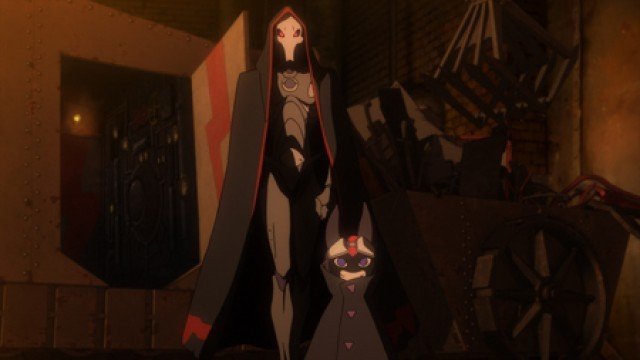
After two seasons of Golden Kamuy, I think I finally have an understanding of how I feel about it. A combination of historical fiction, action/adventure, slapstick comedy, multicultural spotlight, and cooking show, it’s a series that messes with conventional genre boundaries. If Golden Kamuy were a chef, it would be the kind who puts in more lemon juice when you ask for more sugar. Even so, I’ve come to really appreciate that it can be so jarringly disparate, as the work comes across as genuinely passionate and uncompromising.

Golden Kamuy centers on Sugimoto Saichi, a veteran of the Russo-Japanese War, and his pursuit of a hidden Ainu treasure. Having earned the nickname “Immortal Sugimoto” for his military exploits—namely his seeming ability to survive any wound or calamity no matter how severe—he teams up with an Ainu girl named Asirpa. Together, they form a powerful bond that takes the two through layers of conspiracy, eccentric enemies and allies alike, and greater understanding of each others’ cultures and customs.

It can sound like a fairly straightforward and serious work, but its mood can swing wildly from one moment to the next. Golden Kamuy can go from showing Sugimoto’s PTSD, to featuring Asirpa’s hilariously wacky faces as she cooks, to displaying a bloody and merciless battle, to presenting a seemingly endless parade of dick jokes, to focusing on a genuine and heartfelt moment between Sugimoto and Asirpa. Combined with an overwhelmingly large cast of characters who are individually memorable but also hard to keep track of due to sheer size, experiencing Golden Kamuy can sometimes feel like whiplash. But when all engines are running at full steam, there are few series that can compare in terms of excitement, comedy, and emotion. You just kind of never quite know what you’re going to get, except maybe “everything.”

As of Season 2 of Golden Kamuy, the stakes are higher than ever, and the series leaves me with a lasting impression of its bizarre charisma. Season 3 can’t come soon enough.

Jyushin Thunder Liger: The Impossible Gimmick

January 6, 2020 marked the end of an era as beloved Japanese wrestler Jyushin Thunder Liger retired. His achievements are many, from innovating the Shooting Star Press (now seen in wrestling matches all over the world) to being perhaps the greatest junior heavyweight ever. One thing that stands out to me in his long career is how insane it is that he managed to embrace his ridiculous gimmick, his outward identity as a wrestler, and elevate it to the point of world-wide recognition.

Jyushin Thunder Liger’s name and look is taken from a manga and anime by Nagai Go, creator of Mazinger Z, Devilman, and Cutie Honey. This by itself isn’t unusual. After all, the wrestling manga character Tiger Mask became a real-life wrestler as well. But Jyushin Liger the fictional work isn’t about wrestling or even athletics—it’s about a boy who can summon and fuse with a “bio-armor” to fight evil. The anime isn’t even considered a memorable classic, and yet, Jyushin Thunder Liger somehow made it not just work, but took it over. Now, when you say the words “Jyushin Liger,” you’re probably more likely to get someone who knows the wrestler than the source material. His entrance theme is just the theme song to the Jyushin Liger anime (and makes zero sense in the context of pro wrestling), but rather than being considered hokey, it brings out raucous cheers.

Imagine if a 90s American wrestler was saddled with a Street Sharks gimmick—not even a big property like Teenage Mutant Ninja Turtles—and still wrestled as a Street Shark thirty years later until his retirement brought literal tears to people’s faces. Picture this guy coming out to “They fight, they bite, chewin’ up evil with all their might!” to a standing ovation. That’s basically what Jyushin Thunder Liger accomplished. The closest real equivalent I can think of is the Undertaker, who has played some form of undead wrestling zombe lord (and briefly a American motorcycle rider in the early 2000s) for the majority of his career. Or maybe if RoboCop’s cameo in WCW saw him transition into a regular wrestler who consistently put on great matches.

So here’s to Jyushin Thunder Liger and his global legend. Now let’s see if any new wrestlers come out as Bang Dream! characters.

Mewtwo vs. Mewtwo: Notable Voices in “The Wonderland”

The Wonderland (Birthday Wonderland in Japanese) is a film packed with whimsy, imagination, and a tale of a young girl finding the strength to keep going. The movie is directed by Hara Keiichi (Miss Hokusai), and I really recommend it. 

But there’s also something about the film that delights me on a much more personal level: it features not one, but two different voice actors who have played the Pokemon Mewtwo.

In the role of Hippocrates the Alchemist is Ichimura Masachika, who voiced Mewtwo in the anime film Mewtwo Strikes Back, Mewtwo Lives (aka Mewtwo Returns), and Super Smash Bros. Melee. He’s known for much more than anime—being the original Japanese Phantom of the Opera—but it’s his performance as the Genetic Pokemon that is nearest and dearest to me. He brings a similar gravitas to his Hippocrates, though The Wonderland also allows a more comedic side as well. 

The antagonist of The Wonderland, Zan Gu, is played by Fujiwara Keiji—Mewtwo in Smash 4 and Super Smash Bros. Ultimate. He’s known for roles such as Maes Hughes in Fullmetal Alchemist and Holland in Eureka Seven. Zan Gu is actually more similar to Mewtwo, but Fujiwara doesn’t give the two the exact same vocal quality.

As an aside, if you want to hear both of them perform dialogue as Mewtwo, switch your copy of Melee and Ultimate to Japanese.

Having two Mewtwos is a rare distinction for any work, and it’s all the better that they give such stellar performances in a strong movie like The Wonderland. I’m not saying you should go see the film just for the acting, but they definitely make it even better.

Nijisanji, Hololive, and the Virtual Youtuber Kayfabe

Since I last wrote about Virtual Youtubers close to two years ago, the scene has grown far beyond any one individual’s ability to keep track. One consequence of this, as I’ve come to learn, is that individual acts have started to form collectives that increase visibility for all. Two of the big ones are Nijisanji and Hololive, both of which utilize a less expensive approach called Live2D that is clearly less robust than whatever it is Kizuna A.I. has. I find the presence of groups like Nijisanji and Hololive to be curious intersections of how people interact with the internet in current times. 

Virtual Youtubers (VTubers) are essentially one part Hatsune Miku, one part livestreamer, and one part idol–the result is a kind of weird unspoken contract between viewers and creators where the notion of “authenticity” is relative rather than being some kind of absolute. One of the complaints that streamers often receive, especially if they’re extremely over the top, is that it’s all an act, and that they’re just playing to the audience in order to get more eyeballs on them. People like streamers with whom they can feel some kind of genuine connection, and a layer of “fakeness” can be a turn-off in that respect. But with characters like Tsukino Mito (Nijisanji) or Haato Akai (Hololive), there’s an obvious understanding that what you’re seeing and getting just isn’t a “real person.” At the same time, there’s still a desire that these characters aren’t fully constructed, and that some of the actual individual behind the anime mask will peek through just a bit sometimes. Fujima Sakura (who isn’t in Nijisanji or Hololive) is a prime example of this, though in that case, the person behind the character (Sally Amaki) is already well known, as is the fact that Sakura as a VTuber is part of a greater project: 22/7.

I mentioned Hatsune Miku here (and in the previous post about VTubers) not just because she’s a cute anime girl mascot who people collectively imbue with a personality and history, but because part of her charm is that her voice doesn’t sound entirely realistic. There’s an artificial quality to her that adds to her appeal, and to some extent, I can see this being the case with Nijisanji and Hololive’s VTubers because Live2D isn’t super-smooth. There’s a kind of choppiness that can drag you out of the illusion pretty easily, so you have to kind of let it work its magic on you. Perhaps it’s closer to pro wrestling in that respect. In a way, the flaws even lend themselves to a greater sense of authenticity, in that these VTubers are not presenting a supremely polished (and arguably overproduced) product. 

However, just the fact that Nijisanji and Hololive are these collectives adds another wrinkle. There’s this kind of understanding that cooperation is of mutual benefit to all those involved, but the fact that prospective VTubers basically earn the opportunity to enter these groups calls to mind the very nature of Youtube as a platform dependent on click-throughs and crossovers as a means to garner more attention. It’s not that different from something like Game Grumps, but the veneer of anime avatars makes VTubers a little more mysterious but also makes me wonder just where they’re all coming from. To what extent are they professionally honed products and to what extent are they amateur endeavors–and for that matter, does Youtube explode that difference?

It might not be such a bad thing that people can so easily become Virtual Youtubers these days. I myself have considered doing more Youtube in the past, but I’m just not a fan of putting my face out there for all to see. The way the members of Nijisanji and Hololive do it, on the other hand, provides an alternative for those who want to be out there without exposing too much of their identities. In a time when the difference between the online self and the offline self is all but disintegrated, doing this Virtual Youtuber thing can be an oasis of anonymity, albeit within a profit and attention-seeking environment.

This post was written based on a request by Patreon sponsor Johnny Trovato. If you’d like to request a topic, check out the Ogiue Maniax Patreon.

Transition and Transience: Weathering with You

WARNING: THIS REVIEW DISCUSSES SPOILERS FOR WEATHERING WITH YOU AND MAGIC KNIGHT RAYEARTH.

Ever since Your Name, the fourth-highest grossing Japanese domestic film of all time, director Shinkai Makoto has gone from critical darling to household name. His latest movie, Weathering with You (aka Tenki no Ko), is a visually brilliant animated work that ends up feeling more like a transitional work—a stepping stone to this next project. As Weathering with You grapples with being the mainstream successor to Your Name, it also presents a vortex of ideas and themes that aren’t necessarily always cohesive but do leave a lasting impression of emotions and frustrations over how society treats its youth.

The story of Weathering with You focuses on Morishima Hodaka, a high schooler who runs away from home to Tokyo but ends up living on the streets, unable to find work, as the weather gets worse and worse by the day. A couple of chance encounters unites him with a girl named Hina, who he later discovers is a “sunny girl” whose prayers can call forth good weather. Hodaka gets the idea to turn Hina’s ability into a profitable venture, unaware that it could come at a price.

The pressure of being the follow-up to one of the biggest Japanese films of all time is all too real, and I could practically feel it in every name-brand sponsor that dots the Tokyo landscape in Weathering with You. Whether it’s Hodaka sitting at a McDonald’s only for Hina to give him the most lovingly animated Big Mac ever, or the many real shopping malls such as Mylord and Parco, this is a movie with real big sponsors who clearly had high expectations. It’s not a surprise, then, that Weathering with You is also a boy meets girl story with supernatural themes connected to the religion and culture of Japan. One big difference, however, is that the teens in Weathering with You feel much more “lost,” like they’re in a foreboding environment that they’re trying to scratch and claw against. There’s a certain sense of powerlessness that feels very sloppy and therefore very real in the process.

That powerlessness and frustration ties into what I believe will be of the most enduring debates about Weathering with You: whether its characters ultimately made the right decision, and how it ties into our current global crisis with respect to climate change.

Hina has the ability to bring about pleasant weather, but every time she prays, it takes a toll on her body. This is part of the “natural order” of sorts, that there will be people who can fix the weather at the expense of their lives. However, at the turning point of the film, Hodaka manages to rescue Hina and prevent her sacrifice, all while exclaiming that he wouldn’t be able to stand a world without her. In many films, this would be considered the heroic move, except we find out in an end-of-movie timeskip that Tokyo is half-submerged in water three years later. In a sense, Hodaka sacrificed an entire city for one girl, instead of the other way around.

There’s a part of me that wants to criticize Hodaka as being selfish. Right now, we live in a world where the actions of one person cannot truly change the losing fight we’re having with saving the Earth’s environment, and it’s tempting to wish we could magic it all away. However, the more I think about it, the more I find myself realizing that Hodaka and Hina aren’t supposed to be heroes. Sure, they’re the main characters of Weathering with You, but they’re just kids who are trying to do what’s right for them, who are struggling against the expectations their world places on them for being young. And while Hina could have solved the issue, is it right for adults to foist all that responsibility onto kids, and to have a system where one gets sacrificed to keep the weather at bay?

There’s a subplot involving a handgun in Weathering with You, and it can feel incongruous with the rest of the movie. Perhaps it ties into the above theme, placing this enormous amount of power into a kid’s hands, and the danger to himself and others that comes with it. At the same time, if that is what the film is saying, it’s not conveyed very cleanly, leading to some of the lack of cohesion. While Your Name is the obvious comparison, this sort of loose meandering reminds me at times of another Shinkai film: Children Who Chase Lost Voices from Deep Below.

After I saw Weathering with You, I made the joke that Zagato from the anime and manga Magic Knight Rayearth would love the film. He’s also a character willing to sacrifice the world for the one he loves—a world that puts all the burden of maintaining peace and order on the prayers of a single unfortunate soul. Hodaka and Zagato essentially make the same decision, but with the differences in setting (Tokyo vs. a faraway fantasy land) and role (protagonist vs. antagonist), I wonder if it changes how we perceive their decisions and their integrity.

“Genshiken Nidaime” Ogiue Chika Voice, Yamamoto Nozomi, Gets Married

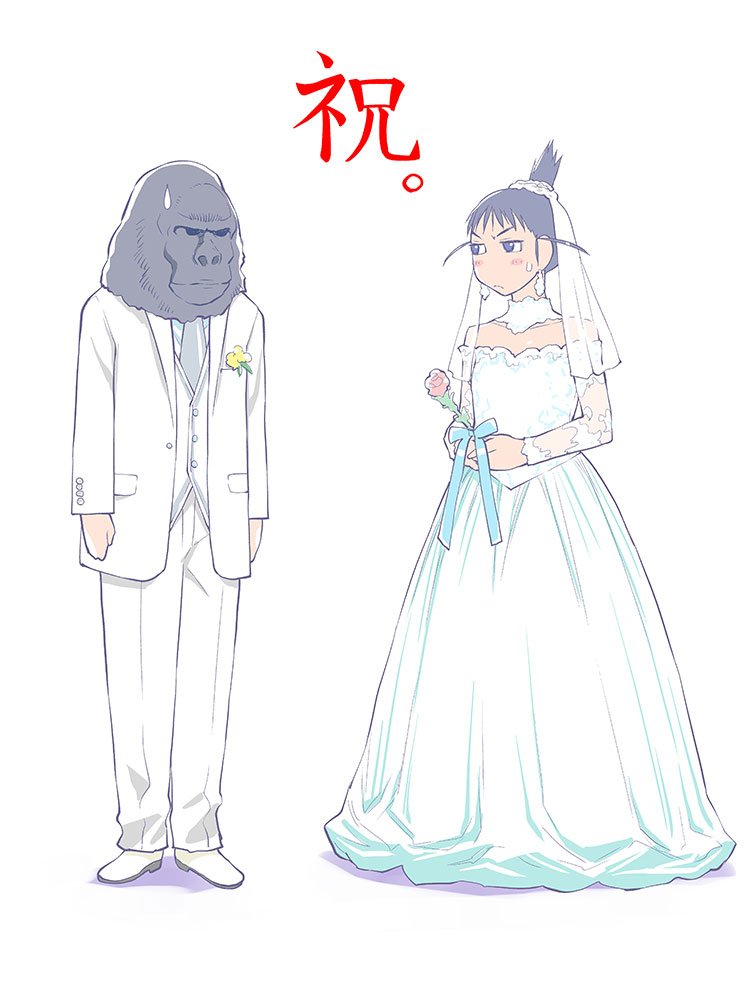
We don’t get much Genshiken news these days, but the Hashikko Ensemble official Twitter account recently tweeted about Yamamoto Nozomi, the voice actor for Ogiue Chika in Genshiken Nidaime, congratulating her on getting married. Accompanying the tweet is the drawing by Kio Shimoku of Ogiue in a wedding dress seen above.

Yamamoto is the second actor to play Ogiue, after Mizuhashi Kaori. Yamamoto’s other notable roles include Jogasaki Rika in The iDOLM@STER Cinderella Girls and Bouhatei Tetora in Joshiraku.

There’s also an interaction in the replies where Yamamoto thanks Kio, only for the account to mention that it’s not Kio but rather his manager (who she’s met before) handling social media. However, the Twitter account did have a message for Yamamoto from Kio:

“You did so, so much for the anime. When I found out you got married, I had to draw something. May you have many years of happiness!” (Kio)

Mashin Hero Wataru Is Available Free and Legally on YouTube

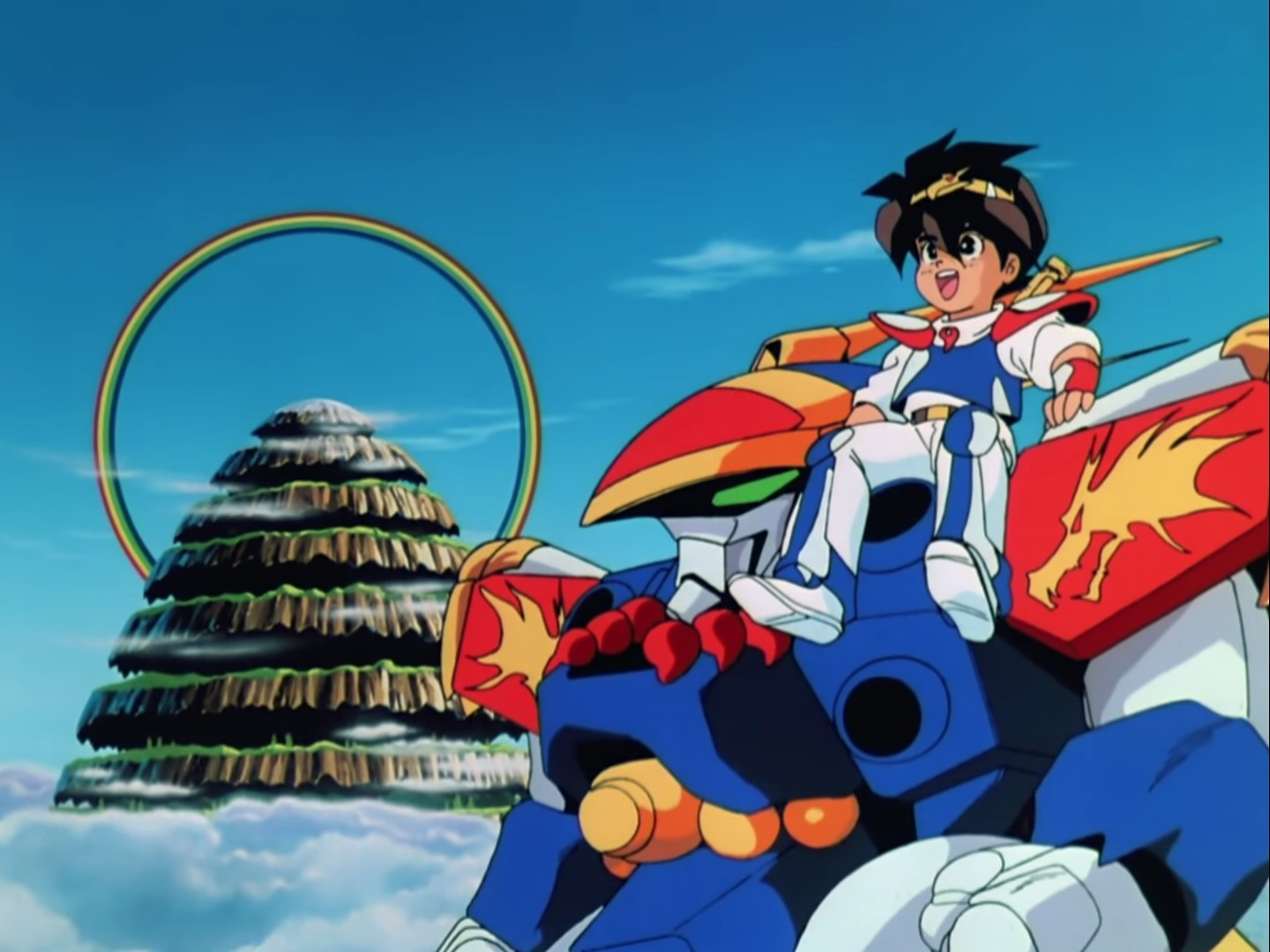
Mashin Eiyuuden Wataru (Mashin Hero Wataru) is a 1989 children’s giant robot anime that still has ardent fans to this day. After appearing in the video game Super Robot Wars X, it’s now getting a new sequel to celebrate its 30th anniversary—along with a new set of toys to collect. In order to promote this new series, the Bandai Spirits YouTube channel has actually been putting up the entire Wataru series with multilanguage subtitles!

The channel uploads one episode a week, and the English translation is very solid. The only hiccups come from the fact that Wataru likes to make Japanese language puns—the bane of all translators.

My early impression is that it’s a fun and entertaining series about an energetic boy who gets transported to a fantasy world and who can summon a giant robot. Wataru is humorous and light-hearted, but actually has a few elements of intrigue that build on one another. In our current age of “good boys” in anime, Ikusabe Wataru doesn’t feel out of place at all.

It’s also worth noting that Wataru and his ninja ally Himiko are both voiced by seiyuu giants: Tanaka Mayumi (Krillin, Luffy) and Hayashibara Megumi (Ayanami Rei, Lina Inverse) respectively. If you want some top-class acting chops, this series of full of them. The main robot, Ryujinmaru is actually played by the Kaiji narrator, Genda Tesshou, and another major character has Yamadera Kouichi (Spike Spiegel) behind him.

There’s no telling how long the episodes will be up, but watching them is a great way to support and enjoy a beloved old anime, even if it’s perhaps your (and my) first time watching it. There’s also no guarantee that they’ll have the entire first Wataru series available either. However, based on the fact that they put up all of Armored Fleet Dairugger XV (aka Vehicle Voltron) up to promote the Soul of Chogokin future, signs are positive. At the very least, I hope to be ready when the 30th anniversary sequel, Mashin Hero Wataru: Ryujinmaru of the Seven Souls hits later this year.

Now, where’s that Keith Courage revival?

2010–2019 Part 4: Best Anime Characters of the Decade

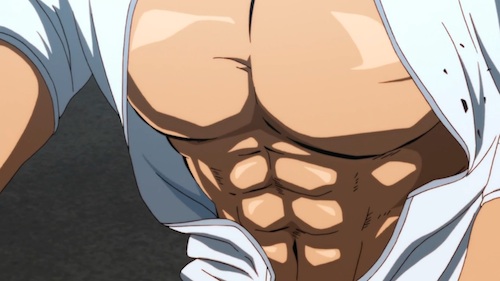
At the end of every year here at Ogiue Maniax, I pick my favorite characters of the year. Usually, it’s one male character and one female character, but exceptions have been made for, say, nonbinary characters or, well, personified abs. So now that I’ve picked characters from 2010 all the way through 2019, it’s time to decide the best characters of the decade!

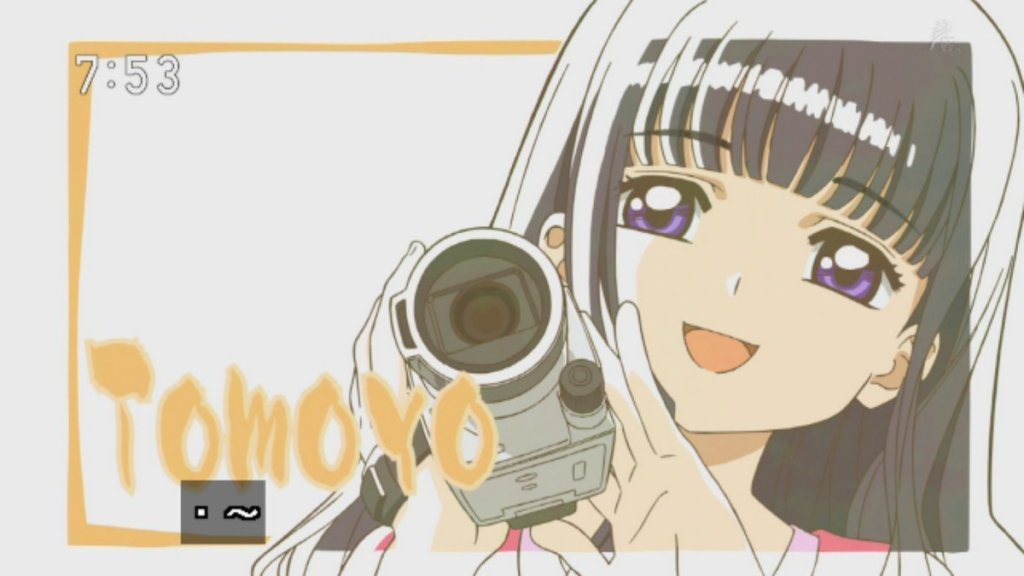
Note that I’ve taken three important characters out of the running—Ogiue Chika from Genshiken Nidaime, Daidouji Tomoyo from Cardcaptor Sakura: Clear Card, and Yang Wen-Li (Legend of the Galactic Heroes: De Neue These). The reason is simple: They are three of my absolute favorite characters of all time, and I would easily pick them if they were available as options. Ogiue, Tomoyo, and Yang deserve their own hall of fame. so to keep this competition fair, they’ve been excluded.

THE FINALISTS

2010

Koibuchi Kuranosuke (Princess Jellyfish)

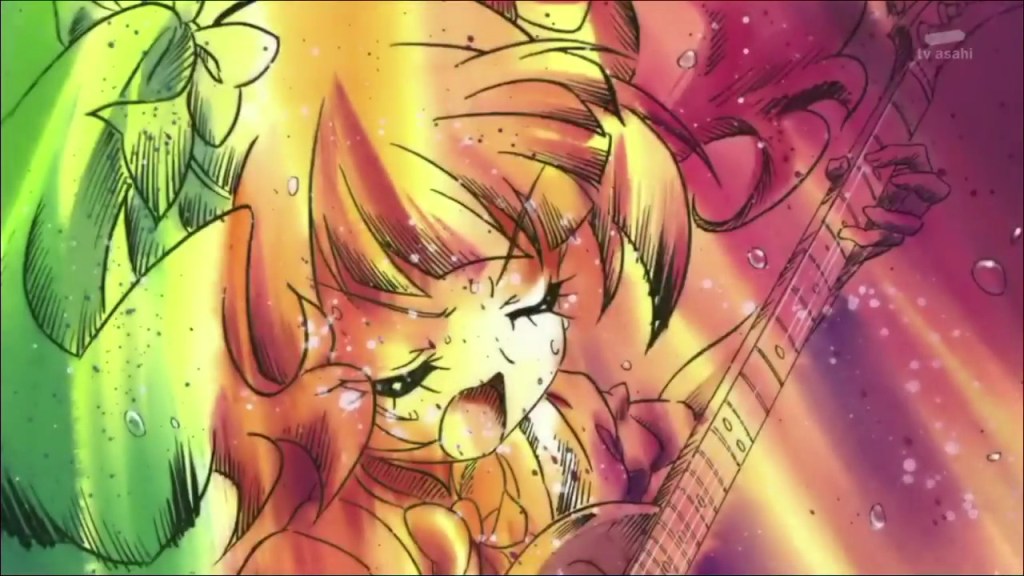
Kurumi Erika, aka Cure Marine (Heartcatch Precure!)

2011

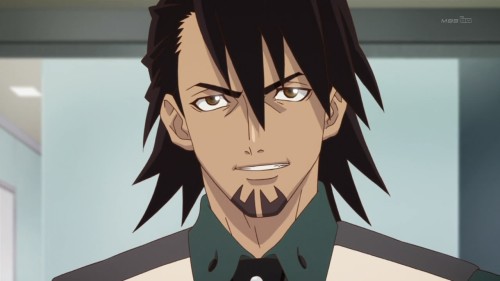
Kaburagi T. Kotetsu, aka Wild Tiger (Tiger & Bunny)

Tsurugi Minko (Hanasaku Iroha)

2012

Nishimi Kaoru (Sakamichi no Apollon: Kids on the Slope)

Yanagin (Daily Lives of High School Boys)

2013

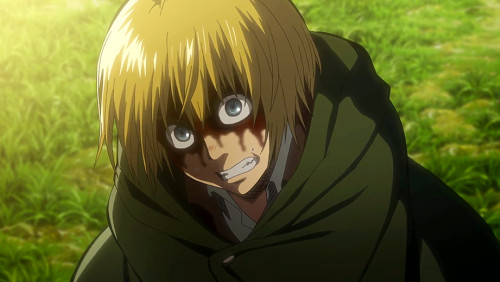
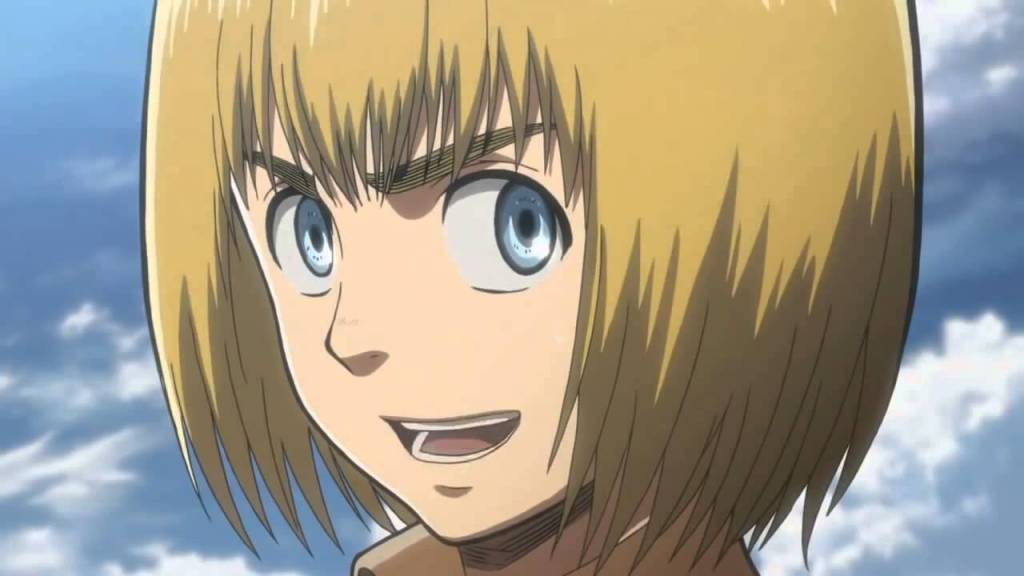
Armin Arlert (Attack on Titan)

Ichinose Hajime (Gatchaman Crowds)

2014

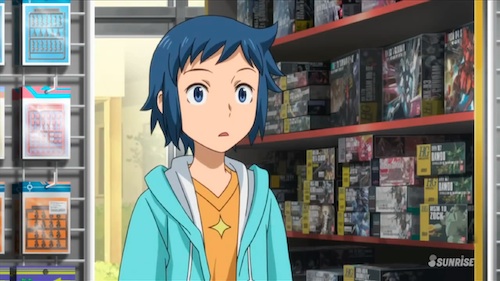
Sei Iori (Gundam Build Fighters)

Kiryuuin Satsuki (Kill la Kill)

Andy and Frank (Yowamushi Pedal)

2015

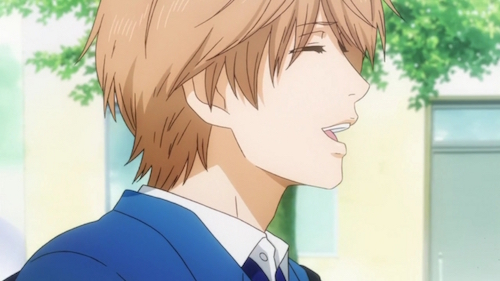
Sunakawa Makoto (My Love Story!!)

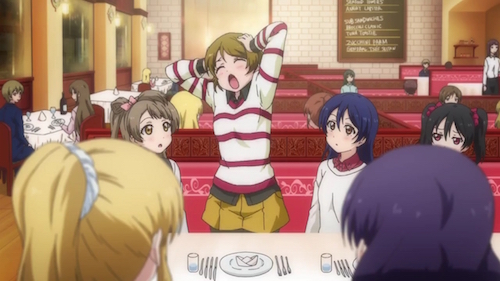
Koizumi Hanayo (Love Live! The School Idol Movie)

2016

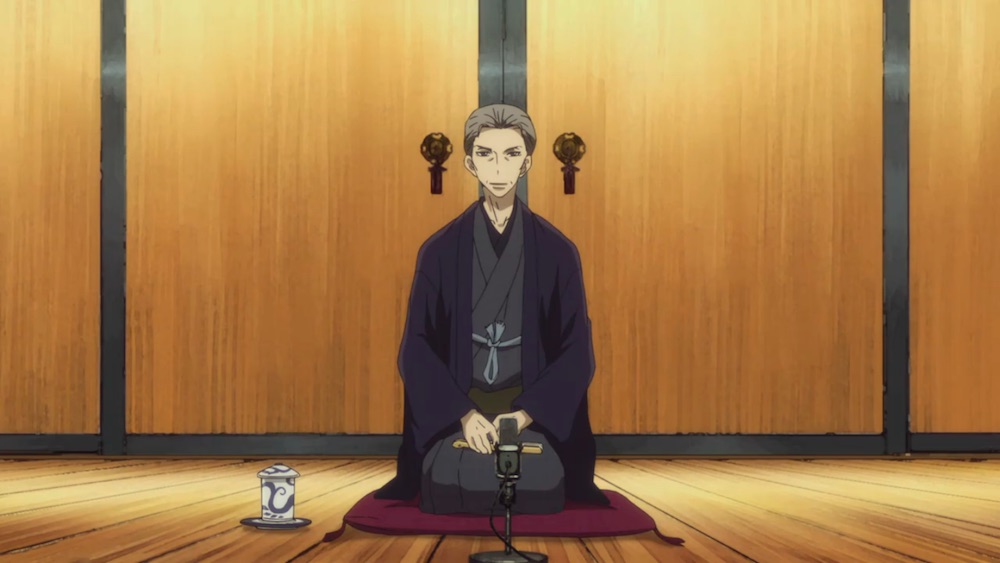
Yurakutei Yakumo (Showa Genroku Rakugo Shinju)

Shidare Hotaru (Dagashi Kashi)

2017

Kevin Anderson (right) (Tiger Mask W)

Mauve (ACCA 13-Territory Inspection Dept.)

2018

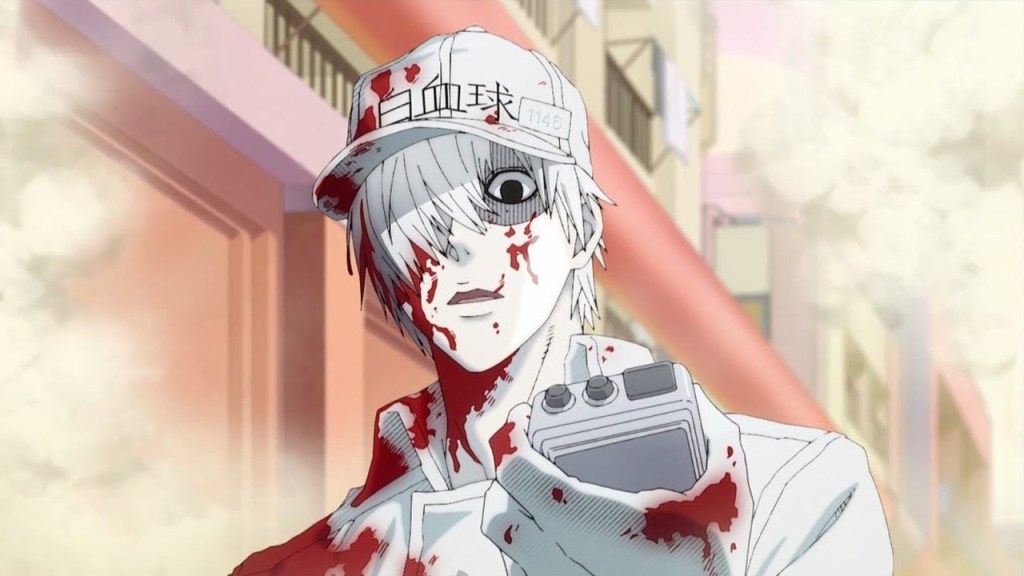
White Blood Cell 1146 (Cells at Work!)

Aisaki Emiru (Hugtto! Precure)

2019

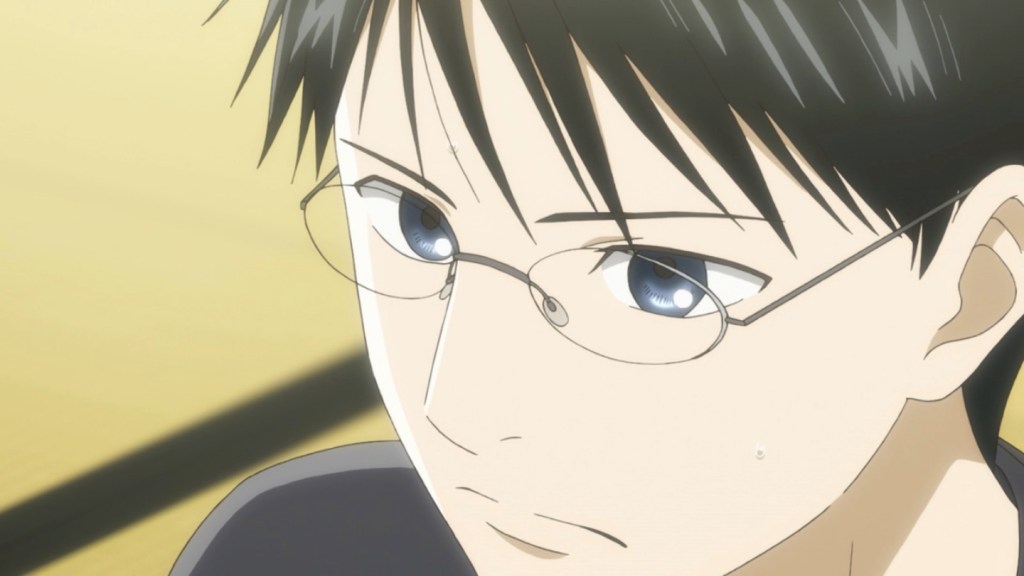
Wataya Arata (Chihayafuru Season 3)

Emma (The Promised Neverland)

And the winners are…

Armin Arlert (Attack on Titan)

Kurumi Erika, aka Cure Marine (Heartcatch Precure!)

Of these two decisions, one was incredibly easy to make and one I mulled over for many hours leading up to this. Kurumi Erika was a no-brainer—her energy, ability to inspire action and positive change, her all-too-human behavior, and her legendary facial expressions all make her an unforgettable character in my eyes. She’s simply amazing in a way few characters are, and it’s clear that many anime fans agree with me, given her ranking as the third most popular Precure in the recent massive NHK poll.

As for Armin, it was a closer call, but what ultimately made me land on him is what he represents in Attack on Titan. The series’s world is one where fear reigns and unthinking violence is often born out of the frustration of not knowing if you’ll survive to the next day. But Armin Arlert shows the value of having a more considerate and broad-minded view of the world, and the way he complements Eren and Mikasa further highlights how important and necessary it is to have individuals like Armin in the world to subtly challenge assumptions. He’s brave without being brash and thoughtful without being hopelessly indecisive.

Erika and Armin are characters who I wish could inspire many more both in media and in people themselves, and I declare them my favorite anime characters of the 2010s.

Best Anime Characters of 2019

BEST MALE CHARACTER

Wataya Arata (Chihayafuru Season 3)

I’ve always liked Arata since the original Chihayafuru, but it’s in Season 3 that he’s really won me over. As the grandson of a former karuta master, Arata has lofty expectations that both positively motivate and burden him. He’s a super-rare talent who combines hard work, natural game sense, and unmatched memorization skills. In a way, this makes him almost too good a character, but it’s this recent season in particular that really builds on his story and shows the challenges that face even someone like him. Before, his setbacks had more to do with trauma and guilt, but here, we can see that even this genius still has struggles in his chosen passion. One of the key points is Arata trying to figure out where his responsibility ends and his dream begins, and that conflict is wonderful. Everyone has their own mountain to climb.

BEST FEMALE CHARACTER

Emma (The Promised Neverland)

In detailing what makes Emma an amazing character, I once wrote that “In a world seemingly made up of constant dichotomies, she strives to find a third, fourth, or even fifth path.” What I mean is, as the heroine in a dark world where pain and trauma are commonplace, Emma stands as a shining example of the strength of compassion. Where others, even her closest friends, see happiness as a zero-sum game, Emma shows empathy and an unwillingness to accept sacrifice as the only way. Rather than holding her back, these qualities allow her to surpass her own limitations and encourage others to do the same. Emma is idealistic but not blinded by it, toeing a line that is supremely difficult.

MOST HONORABLE MENTION

Yang Wen-Li (Legend of the Galactic Heroes: Die Neue These)

Given that much of my impression of Yang’s character comes from the previous anime adaptation of Legend of the Galactic Heroes, I didn’t want to include him in the running. However, I wanted to make sure that Yang gets his much-deserved due as one of the greatest anime characters ever, and a figure almost unparalleled in being both a fascinating individual and a role model par excellence. As the series itself describes Yang, he is the master strategist who hates war—an oxymoron of sorts, but an essential description of a man who sees war as a blight but understands the need to operate within the system to ensure the best outcome. He’s also a staunch defender of the principles of democracy, and will defend it even to the detriment of himself. In a time when democracy around the world is under attack, he is a uniquely aspirational figure.

Final Thoughts

I think this year has been full of characters who are able to rattle the chains of history and who understand the need to think beyond themselves, but also don’t forget themselves in the process—and that includes ones not mentioned here. Whether it’s karuta, fighting a dystopian society built on greed and capitalism, or striving to find a balance between lofty ideals and the reality of a corrupt government, these characters are an inspiration.

Normally, this would be how I end the year, but there’s a bit of a twist this time: a final post deciding the best characters of the decade! Keep an eye out.

Save

Save

Save

Save

Save

Save

Save

Save