As Sentai Filmworks gradually releases the Girls und Panzer das Finale films, I look forward to watching them and following the tank girls on this last endeavor. This time, it’s Part 3, and it continues to bring the things that make the series memorable.
To call them films is perhaps a tad misleading, as they usually have about 60-minute run times, and there isn’t really a complete narrative arc from start to finish. It’s probably better to think of them like hour-long OVAs, or perhaps even old black-and-white serials a la Flash Gordon.
das Finale is surely not meant for anyone but veteran fans of the show: The fact that episodes end in mid-match cliffhangers means they have to quickly establish the situation or rely on the viewers to remember where they are. Here, the movie begins with the heroines of Ooarai Academy engaged in a surprisingly difficult battle with the previously weak Chi-Ha-Tan Academy. As the story progresses, evidence of character growth (mainly in the arena of tank combat, of course) relies on having prior knowledge of how they behaved in the prequel works. Case in point, seeing the first-years team start to come into their own in Part 3 means knowing where they started. And while it’s technically not personal development, seeing Mako in a night battle acting hyper-alert—in contrast to her lethargic daytime self—is something I can appreciate both as a gag and a story element for a fight.
Even more than the TV series or der Film, das Finale focuses on tank battles. The willingness to more or less portray protracted fights and not skip around is appreciated. Although the matches between the non-Ooarai teams naturally get less screen time, the ways they show one school overcoming another (as well as how and why) puts the brain-centric combat of Girls und Panzer on full display.
If there’s one thing to take away from Girls und Panzer das Finale Part 3, it’s the way that it emphasizes the importance of protagonist Nishizumi Miho, whose tactical mind is arguably unmatched in the series. The question it presents in this context is whether the rest of Ooarai can step up to the plate when needed. I expect the later films to make this an increasingly prominent theme as we get closer to the end, and I have faith that the team will shine.
In 2008, the Wachowskis’ Speed Racer movie made its box office debut. At the time, I was eager to make an outing of it, but by the time anyone wanted to go watch it with me, it was already out of theaters in my city. Over the years, I watched its reputation go from “beloved by a select few” to “cult classic” to “criminally underappreciated gem too advanced for its time” in the eyes of the public, yet for whatever reason I never sat down to actually experience the film myself. Now, 14 years later, I decided to right this wrong, and I’ve come out of it wishing I decided to do this sooner.
Speed Racer is based on the 1960s anime of the same name (known in Japan as Mach Go Go Go), and follows a guy (literally) named Speed Racer. Coming from the appropriately named Racer family, Speed loves cars and driving, but his entry into the circuit world comes tinged with memories of his controversial dead brother, the ex-pro Rex Racer. When Speed is propositioned to join an elite racing team under the auspice of one of the top sponsors, it sets him on a moral and literal battle between cynical big business and genuine passion—through racing, of course.
So many articles and reviews have been written about the Speed Racer film at this point that I doubt anyone needs me to convince them to watch it or give it a second chance. That said, as someone who’s watched a lot of anime (enough to blog about it for nearly 15 years!), I found Speed Racer to be entertaining and engaging in multiple ways without a shred of irony. The movie often looks intentionally flat, as if they had taken animation cels and replaced the characters with real people. The races are intensely energetic, but I never found them difficult to follow, and they always served a very clear narrative purpose to convey specific themes about how the characters like Speed see the world or racing. Not surprisingly, the fast pace at which information is integrated into the greater world, combined with its simple but memorable characters, reminds me of a different anime that is without a doubt descended from Speed Racer’s legacy: Redline.
The divisiveness of Speed Racer as either the greatest thing or an unwatchable mess comes down to a number of qualities, but I think characterization is a big bone of contention. If you’re looking for fully fleshed out beings with layers and layers of complexity and moral ambiguity, this film has maybe one or two of those, tops, if I’m being charitable. Otherwise, you have a literal monkey mascot as comic relief that the Wachowskis could have jettisoned Tom Bombadil–style, but they actively chose to keep. What Speed Racer has in spades, however, are characters as embodiments of groupings of emotions, and the film shows how these feelings drive their decisions and their ways of being. Speed has a number of times where he has to make tough moral choices, but they’re always through the lens of “How does it affect the love of racing that is core to his being?” The characters are very intentionally two-dimensional, and not for the worse.
When the film’s ending credits begin to roll, a remixed Speed Racer theme plays that starts with the Japanese lyrics of the Mach Go Go Go opening, and it feels indicative of how much the film seeks to pay homage to its artistically influential original that captured the imagination of so many people. It’s a clear love letter to the original, but stands on its own as a visual spectacle that drives its story through its aesthetics. For those who can take the step forward to meet Speed Racer where it’s at (or are indeed there already), what awaits is one of the best adaptations of an “anime” feeling to a film of flesh-and-blood people.
In a story where the characters are like older, alternate-universe doppelgangers of the cast of Genshiken, not everything fits together perfectly. Characters look a little different in ways that can’t always be explained by changes in age, size, or fashion. So I long figured that the blonde living with Ogino-sensei (Not-Ogiue) was actually an amalgam of Ohno’s two American friends, Sue Hopkins and Angela Burton. After all, this character may have had much of Sue’s demeanor, but her figure and proportions were a lot more like the buxom Angela’s. Turns out, however, that there is a Not-Angela, and she’s more powerful than I could’ve imagined.
Not-Angela’s big change is that she’s somehow gone from being all-in on “boys’ love” to being obsessed with “girls’ love,” as she calls it). According to Not-Sue, she likes any story where you can see the sense of love showing, though the fact that Not-Angela has her stuff adorned with yuri buttons makes it seem like that’s not the whole story.
The Genshiken Angela was implied to be very sexually experienced compared with most, if not all of the other characters—not surprising, given most were socially awkward dorks. Spotted Flower is a different beast, as it’s a story where sex and promiscuity are present in spades. Yet, even here, the aura Not-Angela gives off is still a level above the others, even if not much is actually shown. That said, a very exposed Not-Angela both gets a gratuitous shower scene and also tries to have a threesome with Not-Sue and Not-Ogiue the first night she’s there, so it might just be a matter of time.
Her relationships with the cast seem more or less similar to her Genshiken counterpart’s, including having a thing for Not-Madarame and a long friendship with Not-Ohno. Curiously, Not-Sue seems to have even more of a love-hate relationship with Not-Angela, though no real hints have been given as to what could have changed, or if it’s tied to the fact that both original versions had a thing for Madarame in Genshiken. It’s not a complete about-face from what their Genshiken versions had, but it just seems much more aggressive. Also, she seems to dislike Not-Sasahara, claiming that he’s the type to ask for a threesome, which cuts a little deep with a tinge of irony, given recent developments.
Not-Angela’s last appearance involves her flying back to the US, but not before teasing Not-Madarame by mentioning the striped panties she’s wearing—a personal weakness of his, and one that his wife, Not-Kasukabe, is all too aware of. This suggests that Not-Angela found out about this detail at some point and is taking advantage of it, but given the adultery that Not-Madarame engaged in not long ago when his wife just had their daughter, it feels tinged with a kind of uncomfortableness only Spotted Flower can bring.
I wonder if we’ll end up seeing a meeting between Not-Angela and Not-Kohsaka at some point. They’re probably the most eager to get in people’s pants out of everyone, though I don’t see anything happening between the two.
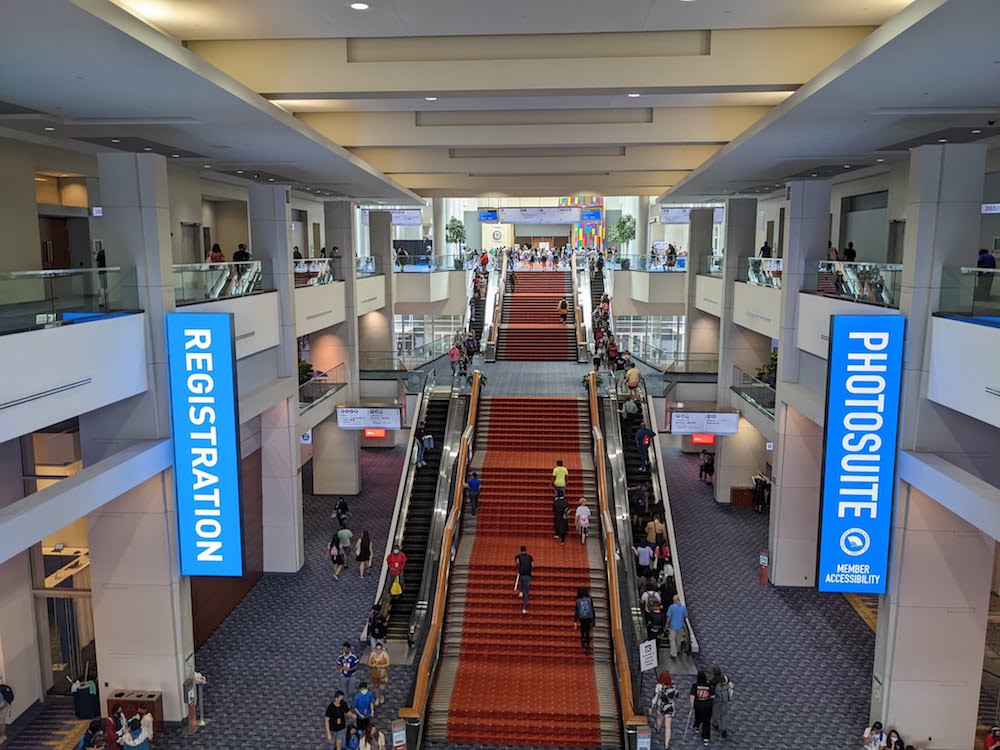
Out of all fan conventions, I consider Otakon the one can’t-miss event. There’s certainly a sentimental component, as I’ve been attending for about 15 years at this point, but I think their approach to the concept of the anime con is vitally important: a celebration of anime fandom that’s not for profit and also gives respect to both the creators of the works and the fans themselves. This year, Otakon 2022 shattered its attendance record with a whopping 40,000+ (roughly 6,000 more than the previous record), and I’m glad to see it thrive after a combination of a risky move to Washington DC saw an attendance drop and the arrival of a global pandemic threatened its very existence.
COVID-19 Measures
Anyone who follows Ogiue Maniax knows that I do not take COVID-19 lightly. I’m a firm believer in the science that says vaccinations provide significant protection against severe disease and death, and that good-quality masks are an important tool for mitigating spread. I’m also not so naive as to think COVID couldn’t possibly be at the convention. So why did I still decide to attend, especially with the Omicron variants being so infectious? There are multiple reasons.
First, above all else, is that Otakon’s COVID-19 policy reassured me that they take the pandemic seriously. Much of the US has been opening up in rather unsafe ways (if they had ever closed down at all), and some other notable conventions had tried to roll back their masking and vaccination policies despite the prevalence of the Omicron variants. However, Otakon maintained that attendees must either be vaccinated or present a negative PCR test result, and that masks are mandatory. A few more things could have been done, like requiring vaccinations and boosters, period, but it’s understandable that some people still can’t get vaccinated for reasons other than hesitancy. In my view, Otakon cared more about people than attendance numbers.
Second, the Walter E. Washington Convention Center is quite spacious and has tall ceilings that can help keep air circulating—it’s being in stagnant air in small, enclosed spaces that is especially high-risk, and I could do what I can to avoid those situations and/or make sure I didn’t take my mask off under any circumstances.
Third, I trusted my own risk management. In situations that are too crowded around me or where the mask usage rate is clearly lacking, I could make the decision to change plans or abandon ship and head back to my hotel. Although it might mean not getting to see something or someone I was looking forward to, it was something I was willing to accept. You can’t do everything at Otakon anyway. I did eat out with friends once, but it was on a Sunday when the majority of attendees had already left DC.
Of course, COVID safety only goes as far as whether people actually follow them. In that regard, I was pleasantly surprised to see that the majority of people wore masks of some kind and wore them over their noses like you’re supposed to. It wasn’t perfect, and there were plenty of ineffective cloth masks still being worn, but I think having the firm requirements come from the con itself might have encouraged attendees to follow their example. I also literally saw security go after someone with no vaccination/COVID-negative wristband in a reassuring sign of vigilance. Score one for mandates.
Issues
That’s not to say the con ran 100% smoothly, however.
I enjoy getting autographs from creators, and Otakon is often good at inviting a variety of interesting guests from Japan. However, ever since the move from Baltimore, the autograph area has been in the same space as the Dealer’s Room, resulting in a less-than-ideal situation. Attendees wanting to get their stuff signed have to deal with the massive crowd trying to get into the Dealer’s Room to shop, and I thought about giving up on more than one occasion because I was worried about being surrounded by people and increasing the chances of infection.
Exacerbating this was the fact that there was a major pedestrian traffic jam in the underground tunnel connecting the Marriott to the convention center on Saturday. Normally, this is the ideal way to get to the con if you’re staying at the hotel (as I was), but the huge delays meant I couldn’t return to my room and retrieve something I hoped to get autographed until it was too late. However, that was fairly small potatoes compared with the fact that those trying to make their way through the tunnel could be stuck in there an hour or even longer. There were also lines snaking out from the Marriot and at the convention center, and on a hot summer day too. It seems like the culprit is a confluence of factors, including the gigantic boost in attendance numbers, some confusion over COVID-19 protocols, and some mechanical failures that meant inaccessible escalators. Whatever the case may be, I hope Otakon is prepared to deal with this next year
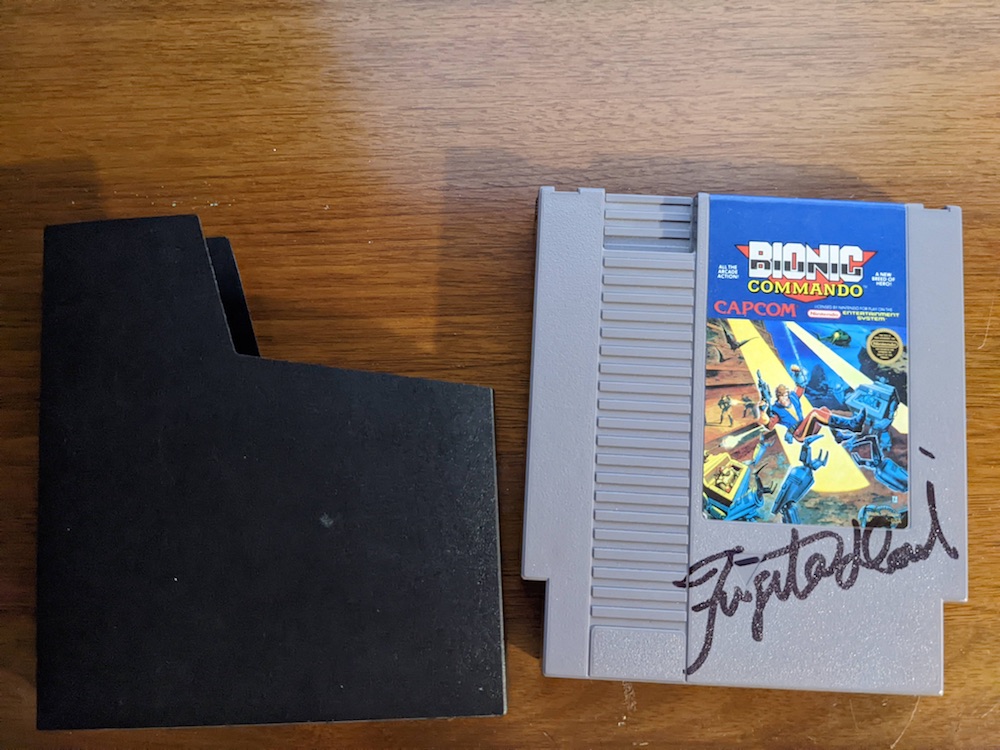
Fortunately, I actually did manage to get a couple of things signed in the end: an old family copy of NES Bionic Commando from back in the 1980s, as well as a special edition of a My Youth Romantic Comedy novel from the author and staff (not pictured).
Interviews
After my hiatus from interviewing last year, I managed to speak with some guests for 2022. Check out the following interviews:
If you ever want to hear from voice actors who love their craft and want to prepare the next generation, it has to be these two industry veterans. Furukawa is famously the voice of Piccolo, Moroboshi Ataru, and Portgas D. Ace. His wife is probably best known as Naru (Molly) from Sailor Moon. Together, this husband-wife voice team provided insight on how they train talents at their school, the ways they introduce emotion to their roles, and how to sound like you’re moving around without actually doing so (because the mic won’t pick everything up). One insightful thing I learned is that COVID-19 has upended the tradition of having everyone in the same room to record a scene (which made for better recordings, in my opinion), though important dialogues might still result in a two-person session.
I actually interviewed them back in 2017, but forgot to ask them about one of my favorite works: Zambot 3, where Furukawa played Shingo. This time, I got the chance to make up for that omission, and Furukawa answered that Tomino had very meticulous instructions and planning for voice actors, and he’d talk with each voice actor one by one. Furukawa said it was a very theatrical experience compared to other roles, though I don’t know if “theatrical” is a euphemism for something else.
Studio Trigger’s Cyberpunk: Edgerunners
While it wasn’t my first choice for aTrigger anime screening, I was still curious to see what they had in store for the first episode of Cyberpunk: Edgerunners. I’ve never played Cyberpunk in any form, but I was glad to see that the studio’s approach emphasized the dystopian qualities of its, well, cyberpunk setting over the “cool factor.” The stark class differences and crushing hand of capitalism make the hero’s anger all the more poignant.
After the screening, the staff showed some of their early character design sketches. The two things that stood out to me were the degree to which they had to revise to match the Cyberpunk video game creator’s vision, as well as the fact that they straight-up said the main girl character (who barely shows up in episode 1) was inspired by Motoko from Ghost in the Shell as they explained the big influence that cyberpunk as a genre had on them as artists.
At the end, they teased the SSSS.Gridman + SSSS.Dynazenon movie, which I’m eagerly awaiting.
Bigwest’s Macross Panel
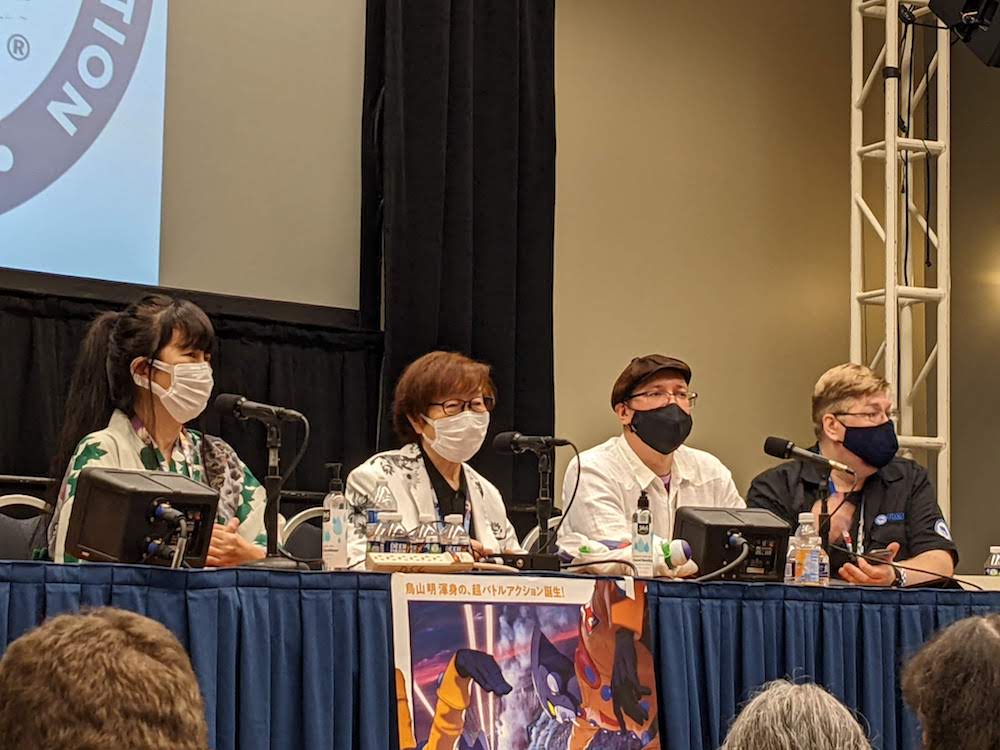
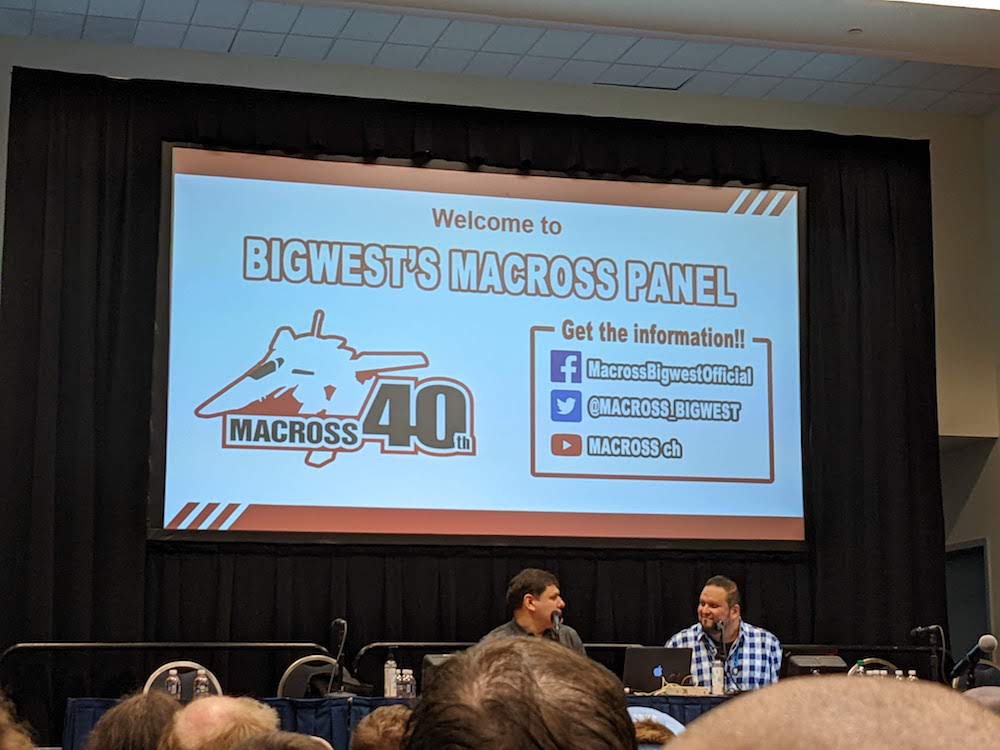
When I found out there was going to be an official Macross panel at Otakon, I felt it was my duty to attend. After all, official Macross panels have never really existed in the US prior to 2022, with the closest being whenever Kawamori Shoji is a guest. One of the biggest moments of the panel was when they showed a video of the various Macross anime (narrated by “Maximillian Jenius” Hayami Sho), and a loud cheer erupted around Macross 7. The panelists mentioned that the title would have induced silence not so long ago—a sign of the changing times. Personally, I think that similar to JoJo’s Bizarre Adventure,anime fandom had to catch up to Nekki Basara instead of the other way around.
This panel has since garnered a bit of controversy due to the fact that Otakon announced that there would be something special. To Macross fans, that can mean all sorts of things because of its unusual history when it comes to licensing and the legal issues with Harmony Gold/Robotech. Speculation ran rampant: Could it be Do You Remember Love? A new Macross? Something completely out of left field?
It turned out to be the very first US screening of Macross Frontier Short Film: The Labyrinth of Time, which was originally shown before the Macross Delta Zettai Live film. It was a treat to see and it was downright gorgeous, though not quite the first thing to come to mind as a special surprise.
Discotek Media
If ever there was a US anime company with a catalog made for me, it would be Discotek. Even when they’re not licensing titles off my wishlist, they’re giving others similar dreams. While Machine Robo: Battle Hackers is not everyone’s first choice for long-sought-after anime, their willingness to put out such obscure works is appreciated.
By far, the two big titles announced here are Space Sheriff Gavan and the complete Urusei Yatsura TV series. Neither hit me on that deep level, but the audience went bananas for both. I’m well aware of the significance both shows have to tokusatsu and anime fandom, and I’m looking forward to checking both out.
At a dinner with friends, I learned that Gavan is such a big deal in Malaysia that it’s become a part of the language itself. Using the word “Gaban” there means to describe something as epic or to evoke an image of bravery. I have to wonder how many works of television and film can make similar claims to fame.
My Panels
I’ve done plenty of panels at Otakons past, but this year is the first time I’ve had to do two back-to-back. I had considered asking for one of them to be moved, but the prospect of getting them both out of the way in one fell swoop was appealing as well. Thankfully, the vast majority of the panel rooms were in close proximity to one another this year, making the transition a relative breeze.
The first panel was “Hong Kong in Anime and Manga.” The idea was to explore different ways in which Hong Kong’s people, culture, and environment are portrayed in anime and manga. There was a technical hiccup at the beginning that delayed the start by five minutes, there were no real issues otherwise. I was surprised that there were very few Cantonese speakers in the audience, but that just meant I had underestimated the need to explain the language aspect of Hong Kong, and could adjust on the fly. I also noticed how big a reaction a clip of Cantonese-speaking VTuber Selen Tatsuki received, which gave me an idea of her extensive reach.
I hope people enjoyed the panel. I managed to briefly talk to a couple of folks who enjoyed the panel (including a longtime reader!) before I had to hoof it out of there. I was also informed that I might have made more than a few people interested in checking out G Gundam—mission accomplished.
The second panel was “Mahjong Club: RIICHI! Ten Years Later.” It was the revival of a panel I last presented in 2012 alongside Kawaiikochans creator Dave, adjusted to take into account the many opportunities English-speaking anime fans have to play Japanese mahjong compared to a decade ago. One big adjustment we made was to deemphasize some of the nitty-gritty of the rules and to better convey the excitement and tension of a game of mahjong. For the most part, the audience was new to the panel (but not necessarily new to mahjong), so I hope we were able to give something for everyone who watched us.
There was an issue with text on our slides getting cut off; it’s something we can fix when we do this again in another 10 years (?).
Fan Panels
A History of Isekai
Isekai is the elephant in the room when it comes to modern anime, and a panel about its history could easily strike a shallow cord. Luckily, this one focused primarily on the works leading up to Sword Art Online, mentioning the mecha isekai of the 1980s, the shoujo isekai of the 1990s, and the outsized influence of The Familiar of Zero. It’s debatable whether something like Urashima Tarou can count, though if it does, then it’d be amusing to show the anime Urashiman. Of course, not every title can be mentioned in an hour, even if it means missing out on the fantastic opening to Mashin Hero Wataru.
Digital Anime Fansubs: 2000 to Now
This panel was about the rise of digital subs around the turn of the millennium, and it focused mainly on the changing formats+file sizes, the brand-new frontier of getting anime straight from Japan within days (as opposed to months or even years), as well as the ways that fansubbers tried to establish their identities through practices like fancy karaoke effects. It was probably a fun introduction to this era for people unfamiliar with it, though I wonder if there would be a way to establish a more detailed history. It wouldn’t be easy by any means, due to the fact that this sort of subject isn’t really recorded, but maybe collecting anecdotes from fellow fans (or fansubbers themselves, if possible) could be cool.
A Sophisticatedly Unsophisticated Look at Fanservice
This was a panel by Gerald from the Anime World Order podcast, and I actually saw a fledgling incarnation of it ten years ago at Otakon. It was interesting to see him tackle the topic again, and there were definitely shows I remembered—namely the infamous Manyuu Hikenchou. This time, the panel had a more concrete idea of what it wanted to show, which is fanservice in terms of being things that are gratuitously superfluous. In that regard, the panel did take things to the next level, though I thought it still didn’t quite hit the mark on what would be considered traditionally “fanservice for girls,” which I think is more rooted in context and relationship dynamics than jiggling bits and crotch shots.
Showings
Otakon 1994 AMVs
One of the pleasant surprises this year was that the con decided to screen the original Anime Music Video Contest from the very first Otakon 28 years ago. It was a window into the past, particularly in terms of the shows that were being used (Riding Bean, Bubblegum Crisis, Detonator Orgun, and so on), and it’s even more impressive when you realize that digital video editing was still in its infancy back then.
There was a particular video that was considered “non-competing” that seemed to grossly revel in detailed depictions of violence against women. While I could see the argument against showing it at all, I do think having it available as a sign of what the fandom was like, warts and all, has at least historical merit. I would say I hope this isn’t a thing anymore, but I don’t typically watch AMVs anyway.
Wada Kaoru and Hayashi Yuki Sunday Concert
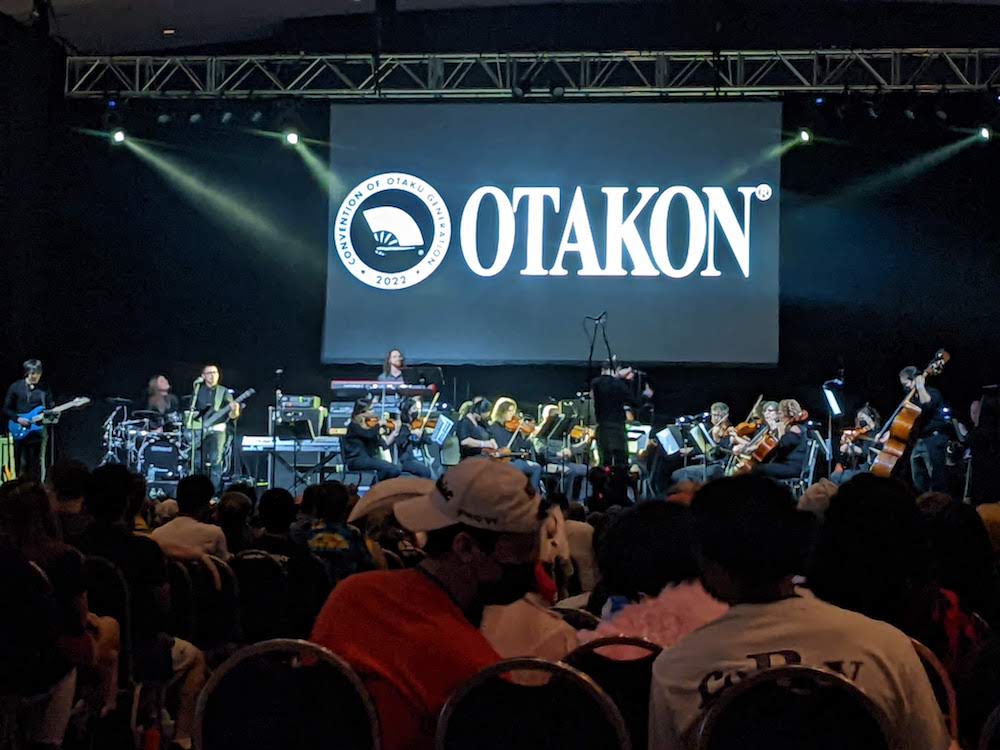
Despite the prominence of K-pop at Otakon this year (enough to have Hangul on the front cover of the physical guidebook for the first (?) time!), the only concert I attended was for the music of composers Wada Kaoru (Inuyasha, Yashahime) and Hayashi Yuki (Haikyu!, My Hero Academia). I wasn’t familiar with a good chunk of the songs, but the contrasting styles between the two made for an interesting experience you usually don’t get when the focus is on a single act. The real treat was during the encore, when they played along with the combination orchestra+rock band.
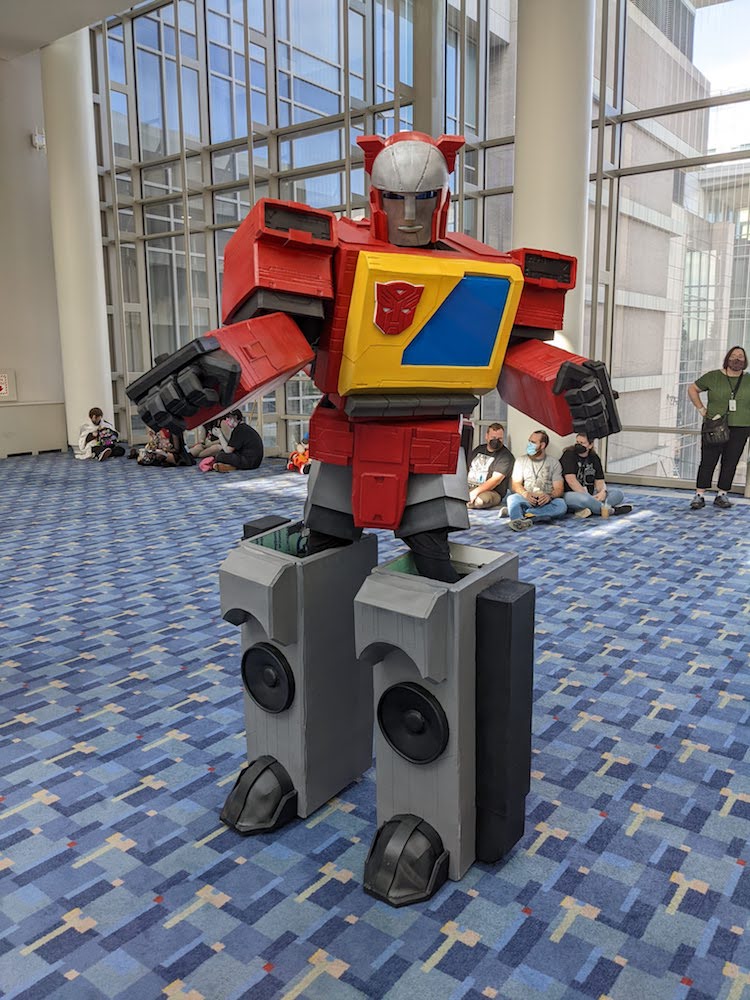
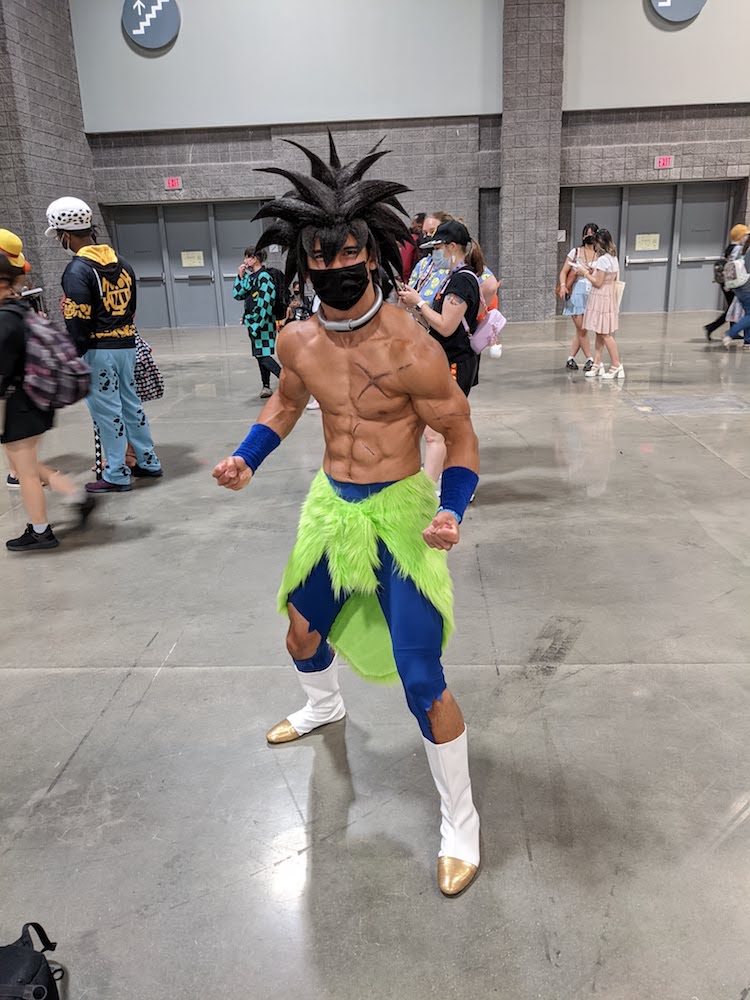
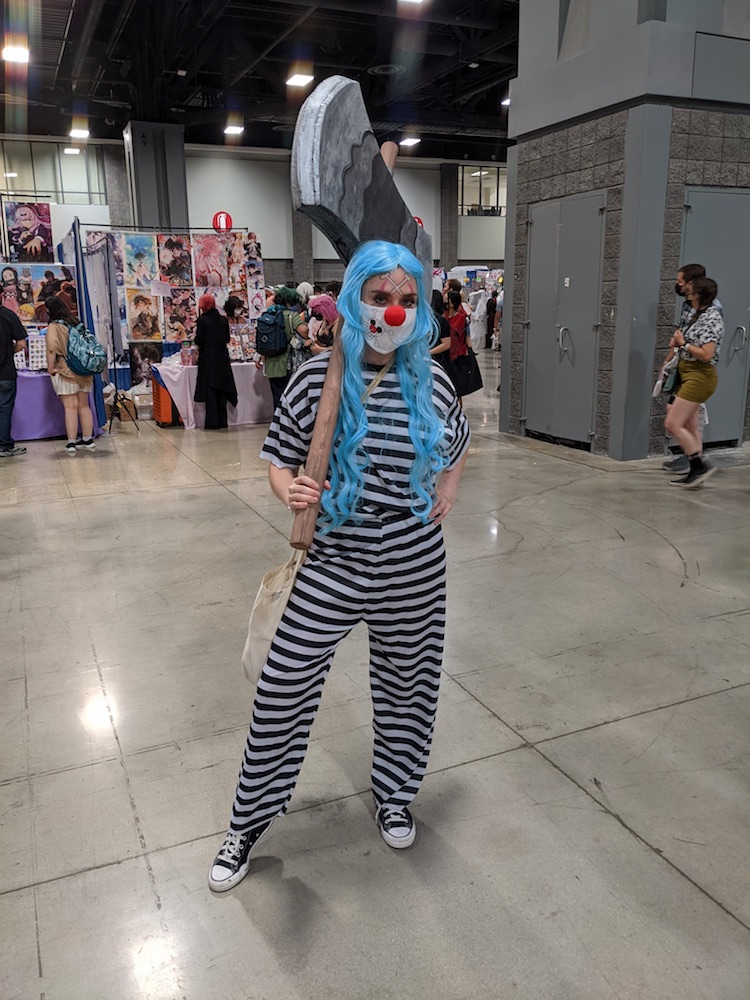
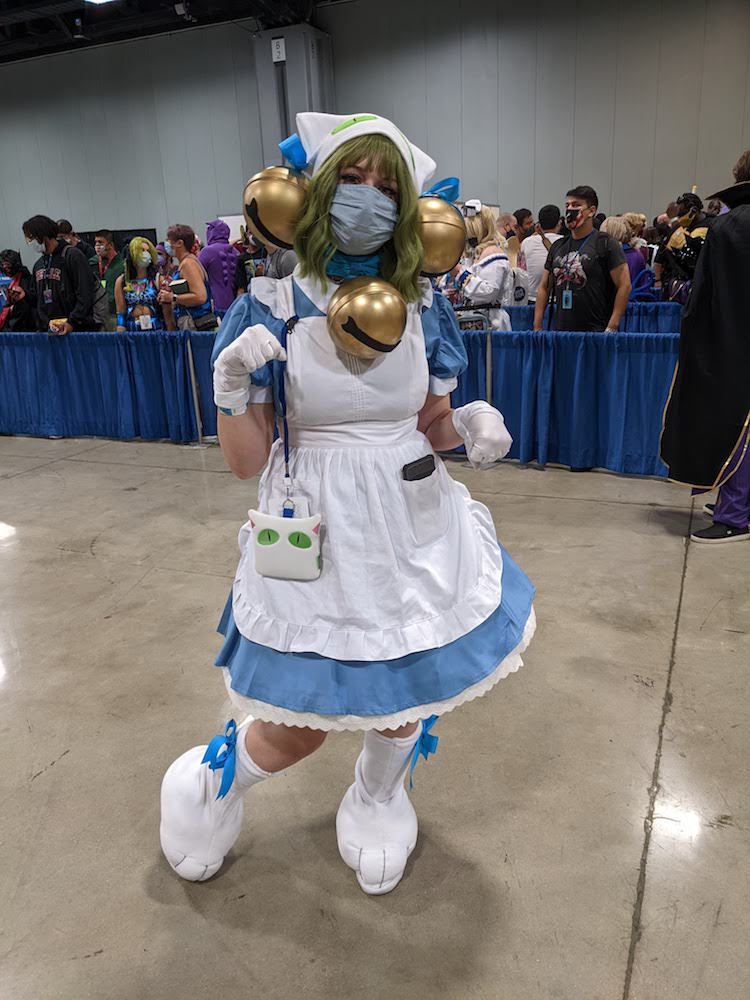
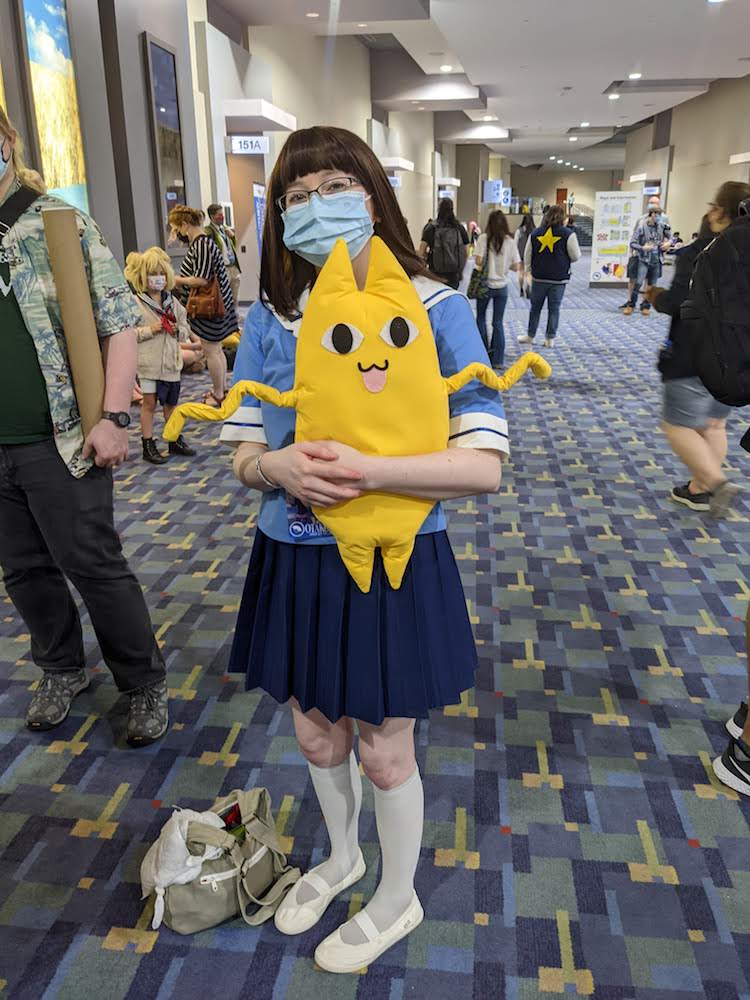
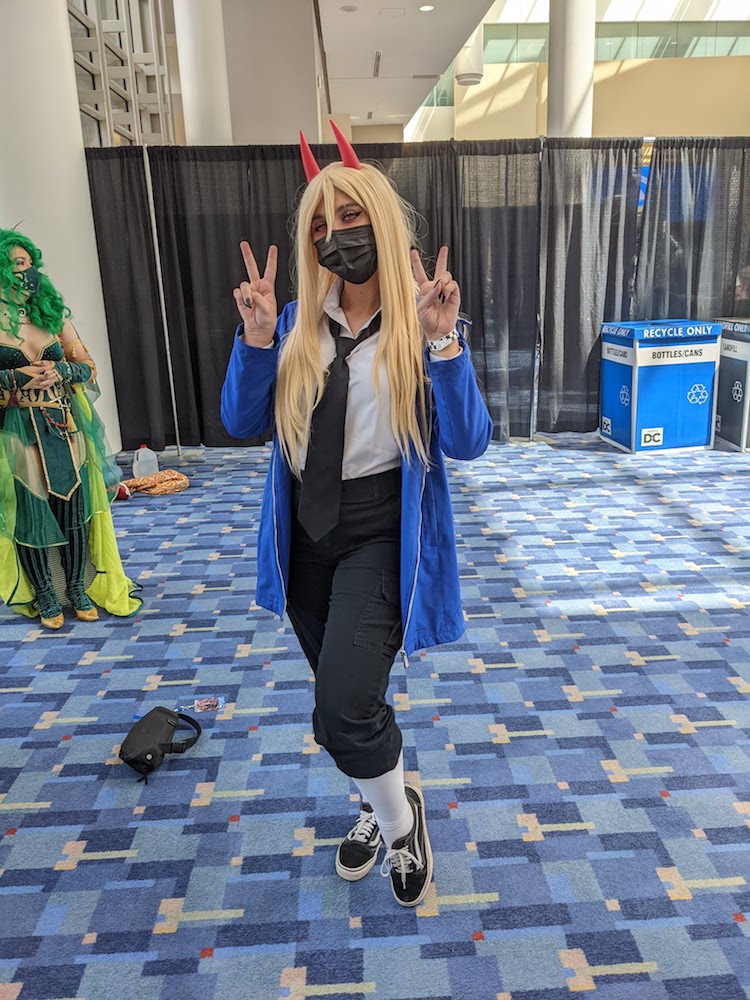
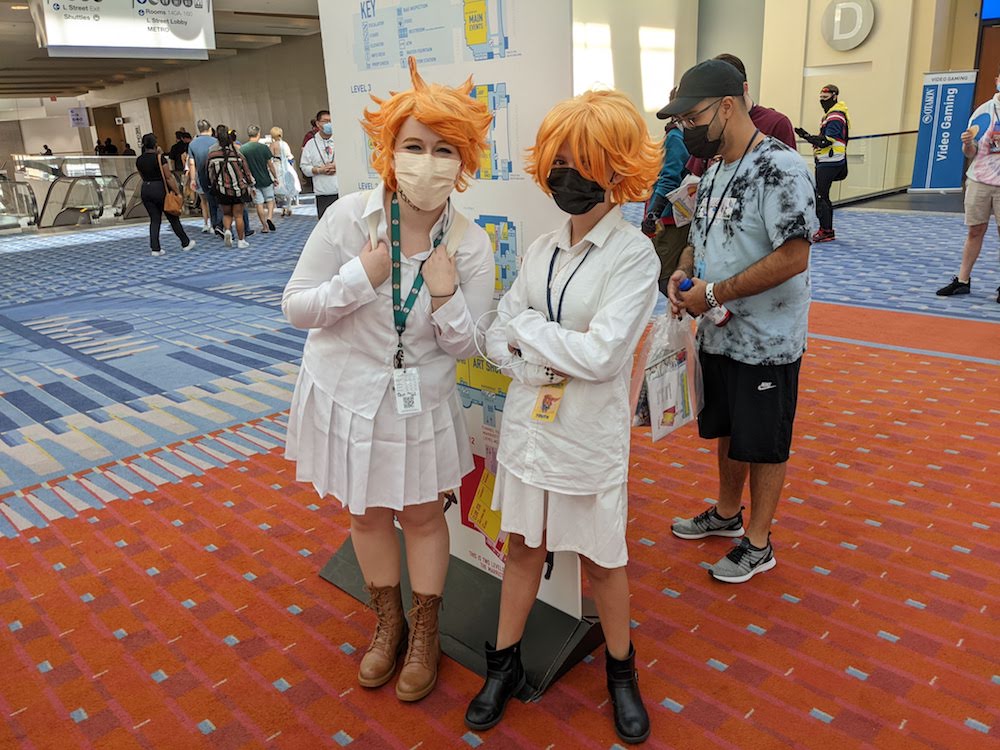
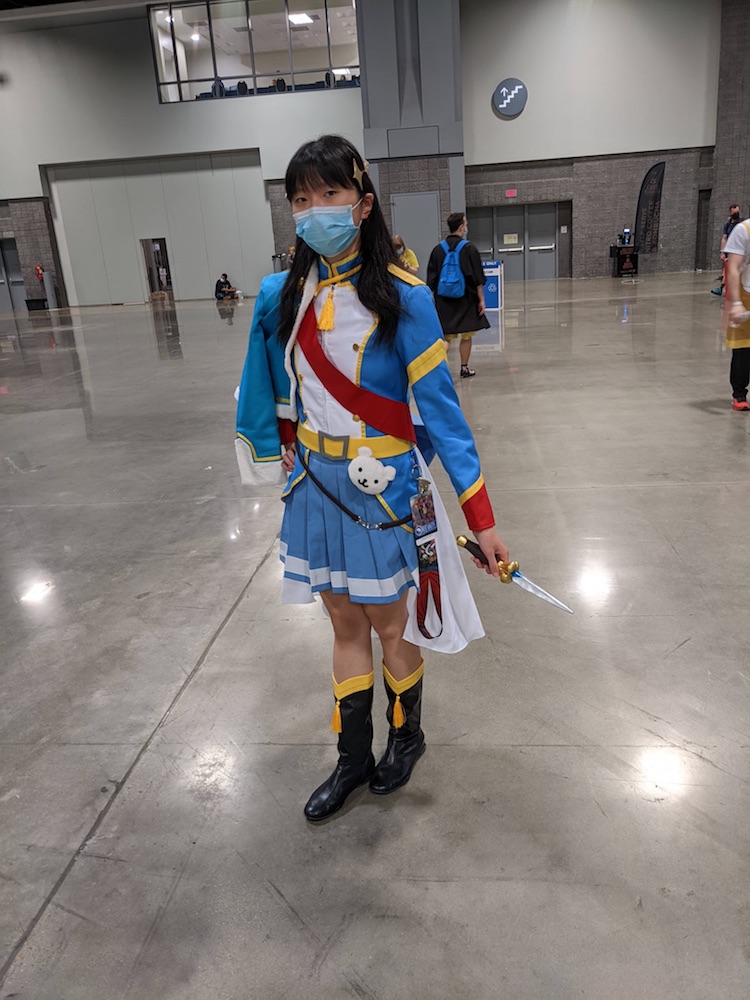
Cosplay
Conclusion
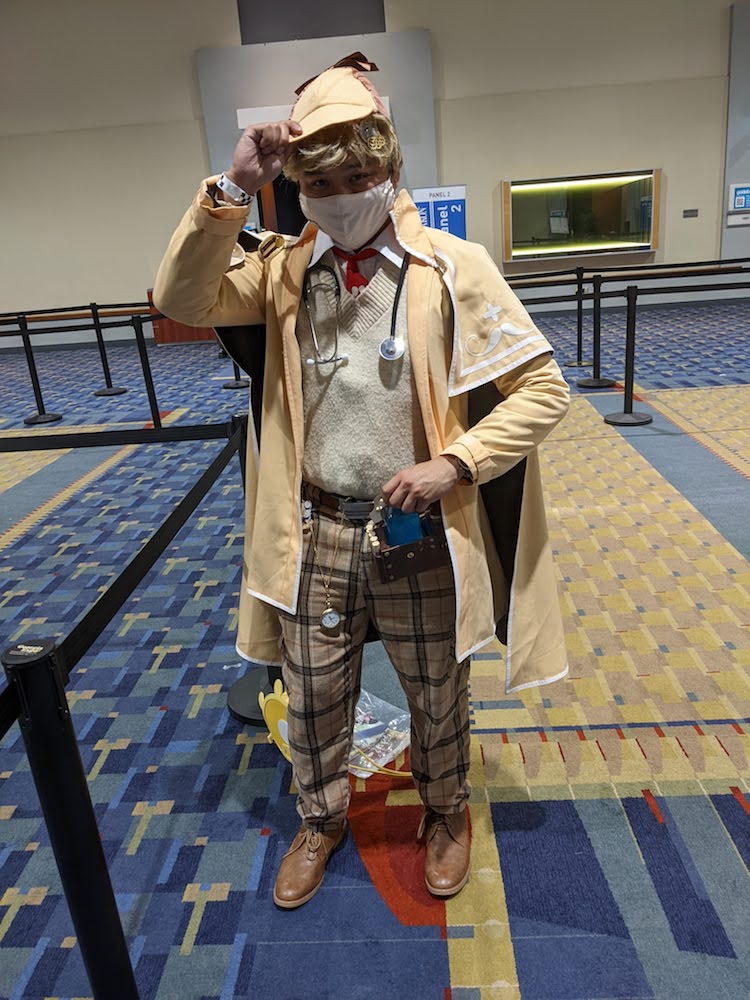
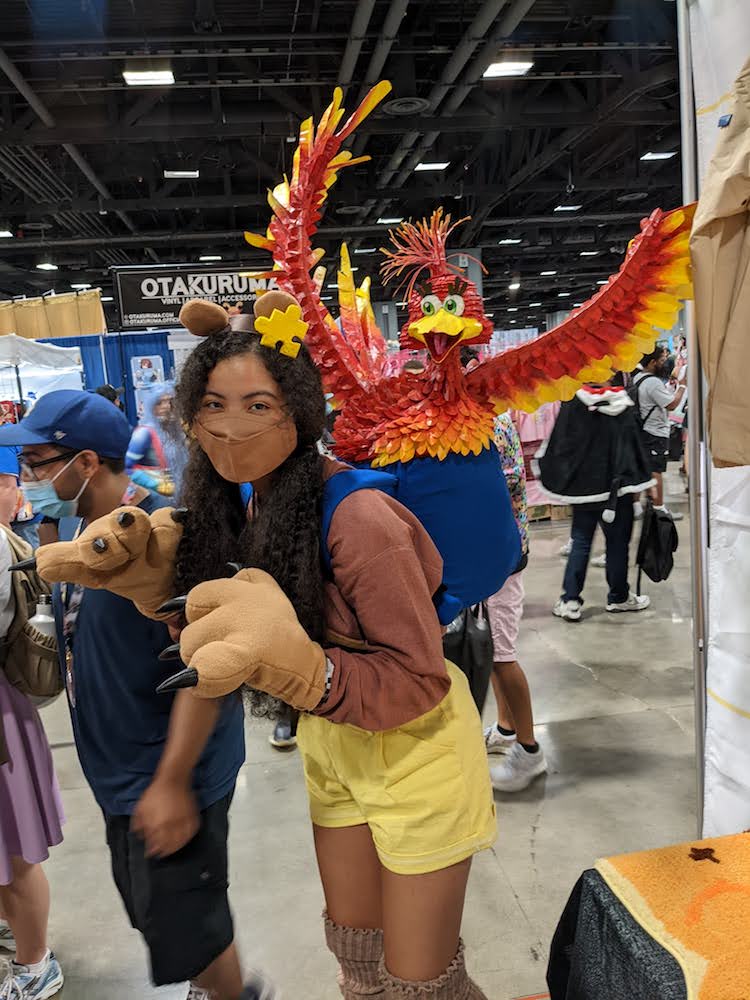
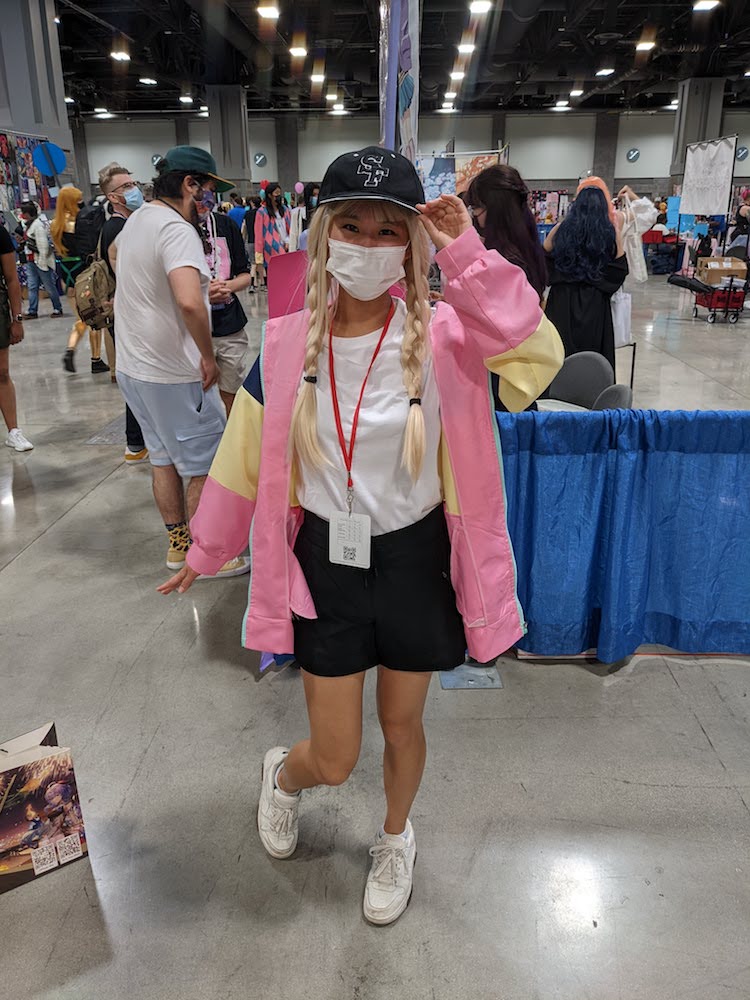
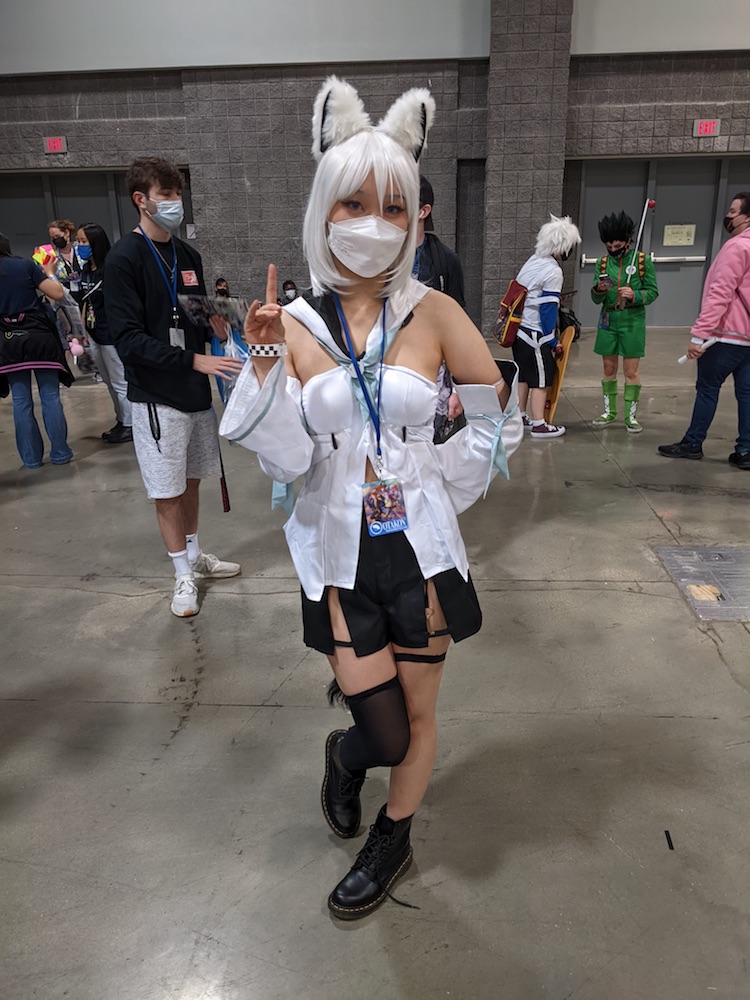
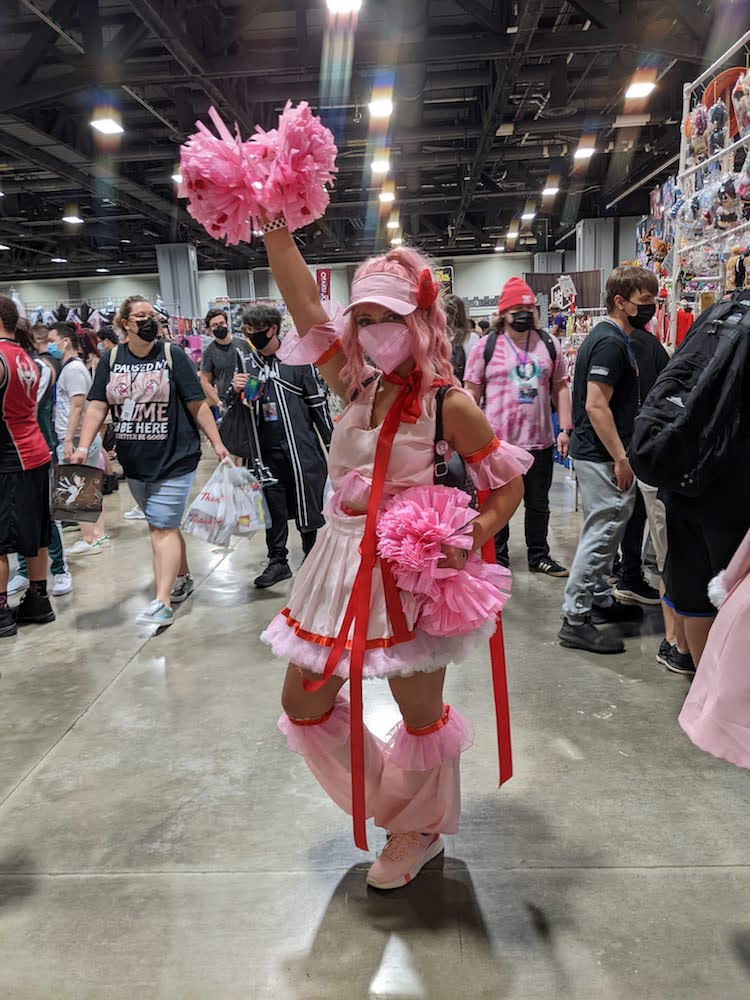
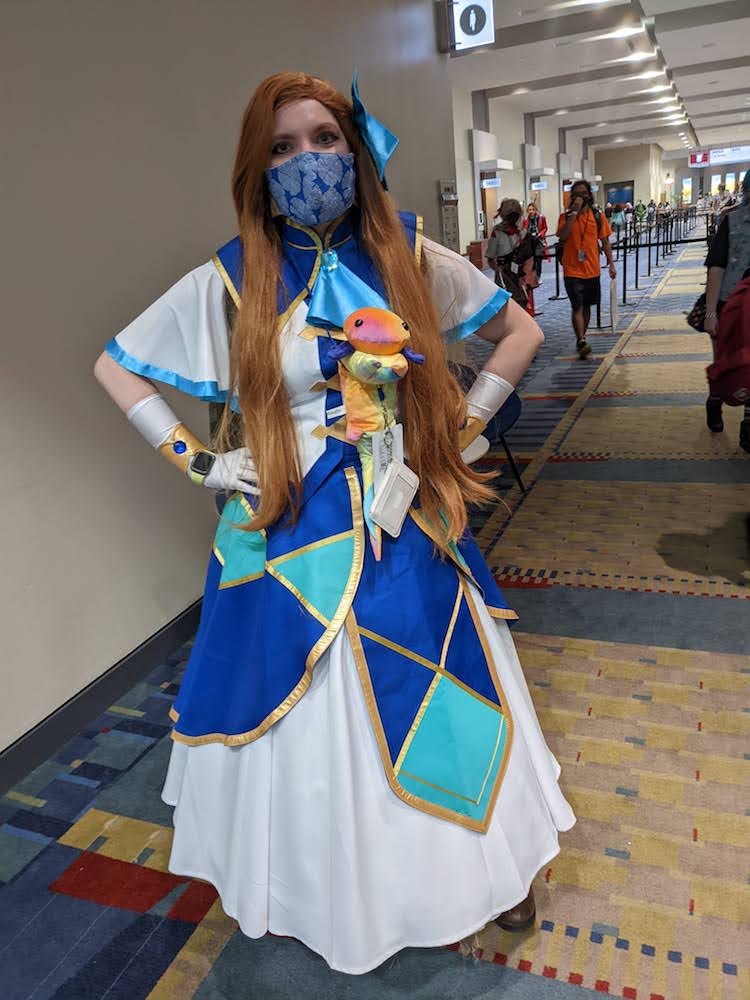
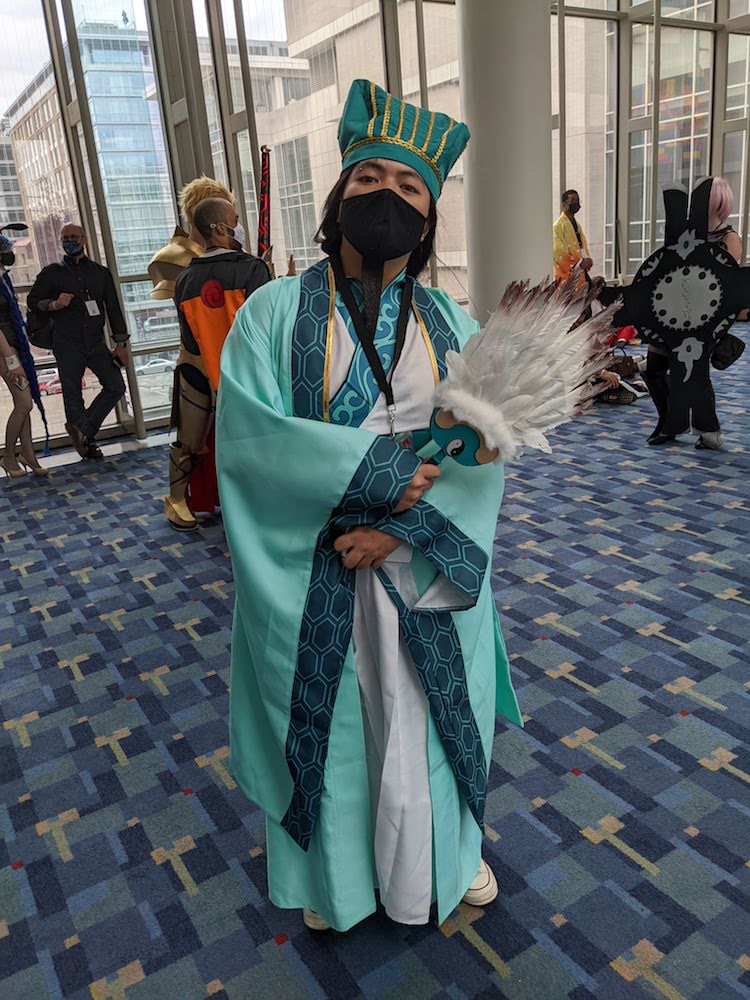
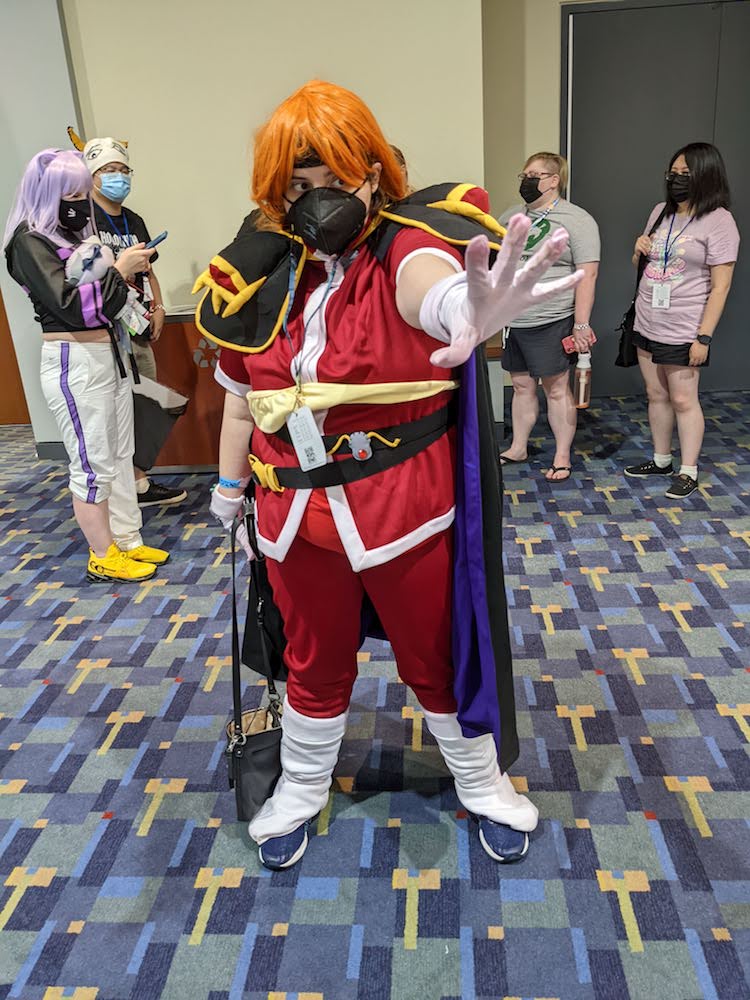
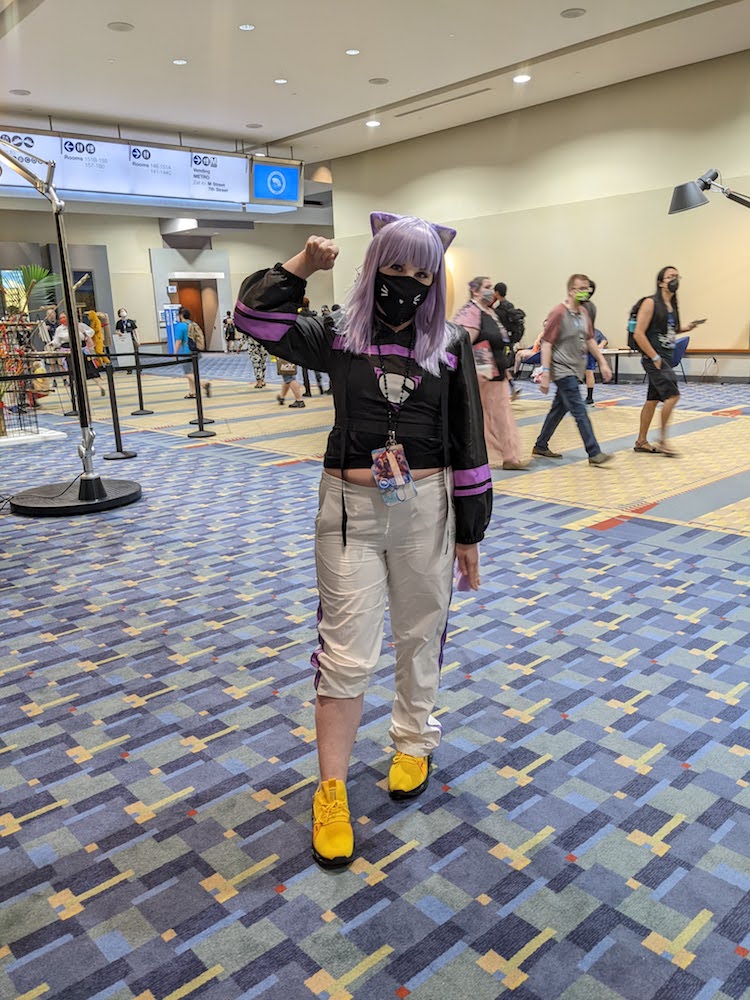
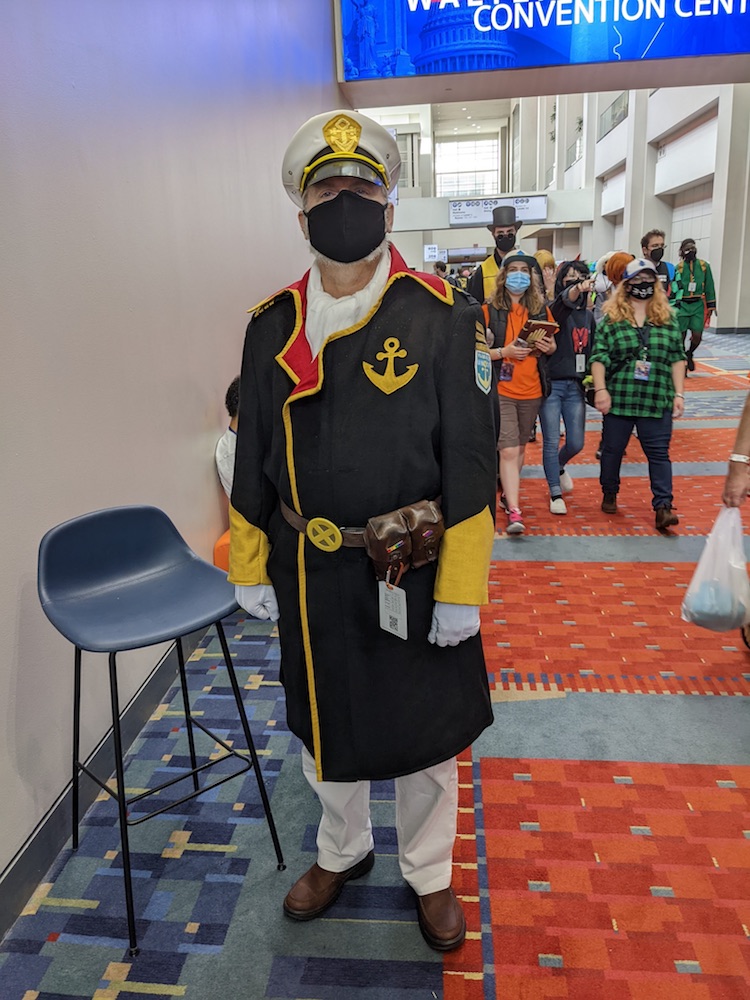
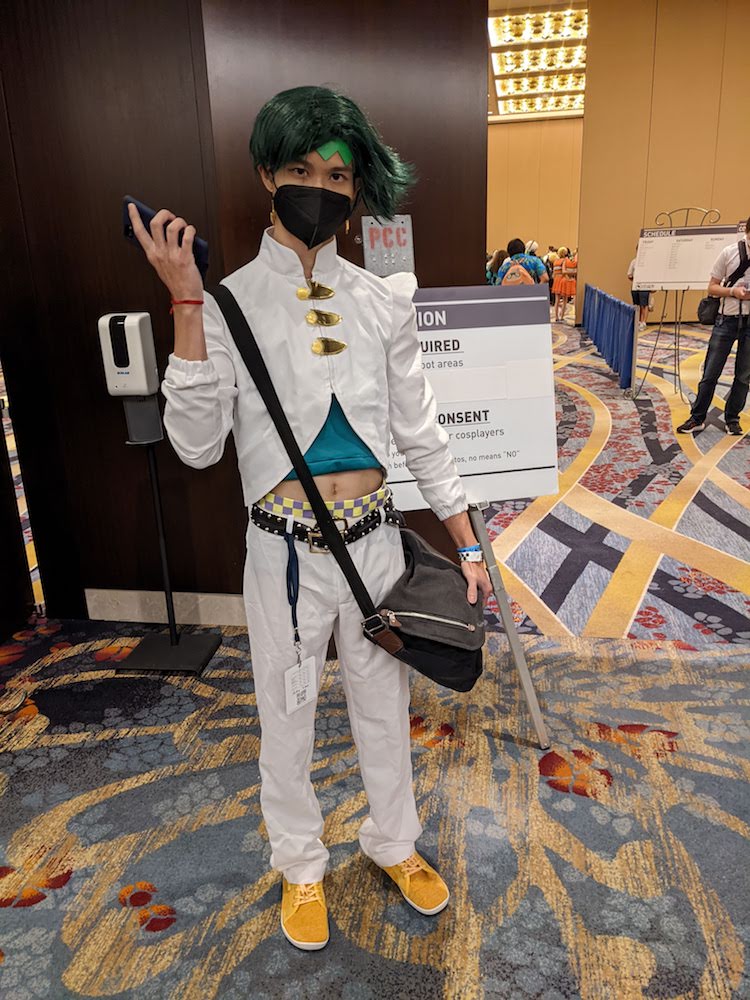
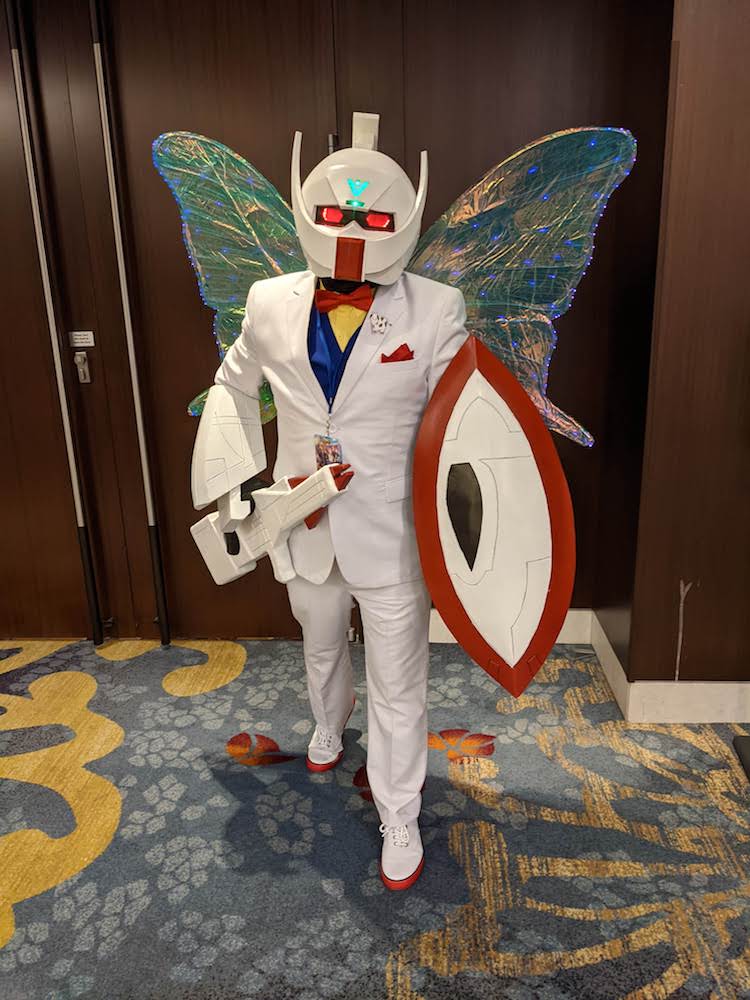
So that was Otakon 2022! It had some hiccups that made me remember that attending a convention is a conscious choice that requires risk assessment, but I definitely had a great time overall. I’ll leave off with a gallery of cosplay photos I took throughout the event. Cheers to another fine year, and I hope all my fellow attendees made it out healthy in the end.
There’s no denying that Beastarsis a very horny series. It centers around a carnivore and herbivore falling for each other despite the kaleidoscope of social and physical taboos, and it’s not afraid to get freaky in all the more predictable ways as well. With respect to this premise, one of the more compelling aspects from Season 1 of the anime is the notion that to fully follow or defy one’s own instincts is faulty, and that a balance is necessary. I did not expect Beastars Season 2 to push that idea to extremes.
At the end of Season 1, Legoshi the wolf has recently rescued Hal the rabbit from the Shishigumi, a lion mafia that was planning to eat her. They aimed to consummate their love, but their instinctual relationship as predator and prey make that impossible. Now back and school as classmates, they’ve gotten closer, but there’s still a palpable awkwardness. On top of that, a killer is still on the loose at school, and Louis the deer (who was the academy’s brightest star) has disappeared. But while Legoshi devotes himself to protecting herbivores and transforms himself so that he can fight like them, Louis re-emerges as the new leader of the Shishigumi. The carnivore has taken the role of the herbivore and vice versa.
Legoshi and Louis are opposites through and through, and nowhere is this clearer than in how they view what it means to be strong. To Louis, carnivores like Legoshi are the epitome of power. They’re aggressive attackers by nature who overwhelm their targets, and there’s just no substituting that with hard work and wishful thinking. To Legoshi, however, Louis’s ability to inspire others and stand tall in spite of his inherent limitations as an herbivore is the very definition of strength.
At the climax of the season, however, the two end up taking their traditional roles, albeit with a twist. In order to defeat a common foe, Louis literally offers his leg to Legoshi to devour as a way to power him up. Louis tries to shift the burden entirely onto himself by saying he’ll declare Legoshi innocent, but Legoshi counters that he won’t let Louis take on all the responsibility of this decision. They both arrive at their “natural” relationship, but instinct is only a part of it. In the face of an enemy who threatens the peace, they find a compromise of sorts. It’s their valuing of the other’s archetype-defying strengths—Legoshi’s kindness and Louis’s boldness—that allows them to arrive at this controversial decision. They do the wrong thing in service of a greater good.
An added layer is that the lower leg Legoshi eats also was the last physical proof of Louis’s darkest secret: He was originally meant to be meat to be illegally sold on the black market. Ironically, by becoming what he desperately sought to avoid, but by doing it on his own terms, he is fully able to break away from that same past. Louis’s actions simultaneously reinforce and challenge the carnivore/herbivore dichotomy.
The way that Beastars and its characters defy the expectations placed on them is what makes the series such an unusual and fascinating work. They refuse to fit neatly into any categories or stereotypes, and any attempt to box them in is met with such vigor that it practically jumps out of the screen. Reason and instinct once again both factor prominently, but their relationship and distinctions are further blurred, just like with carnivores and herbivores.
I was recently a guest on the long-running Anime World Order podcast to discuss this year’s Otakon! Joining me was my friend and mahjong partner-in-crime, Dave of Kawaiikochans fame.
Readers of Ogiue Maniax might remember that I once gave AWO a shout-out as one of the influences that inspired me to start this blog. Sixteen years later, I’ve made the big time.
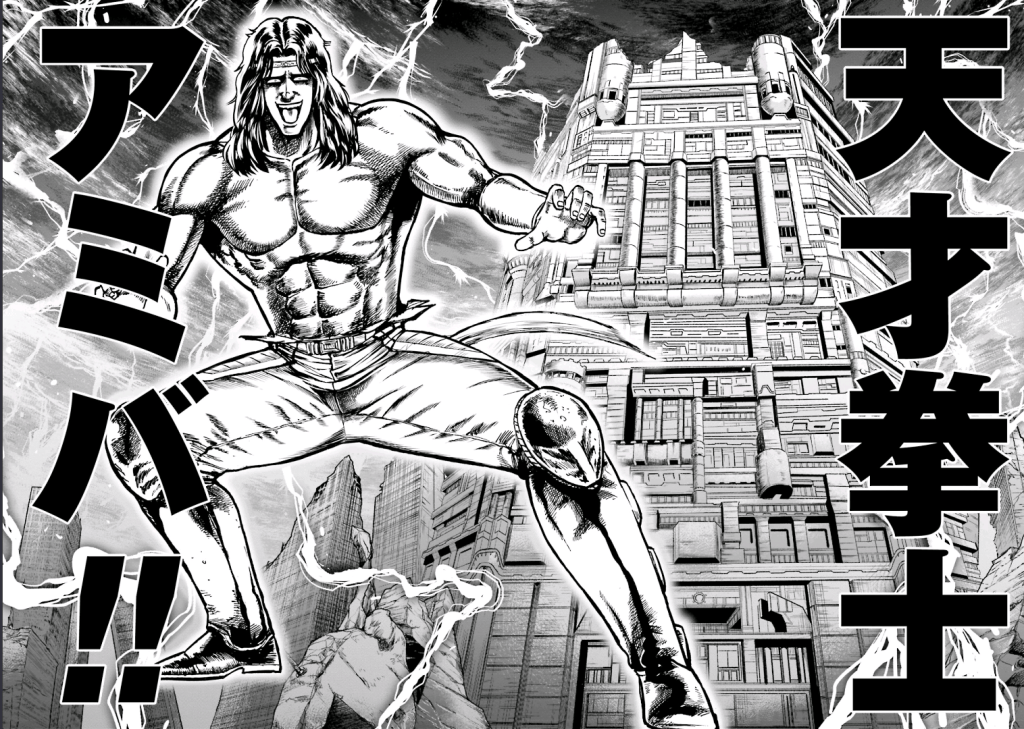
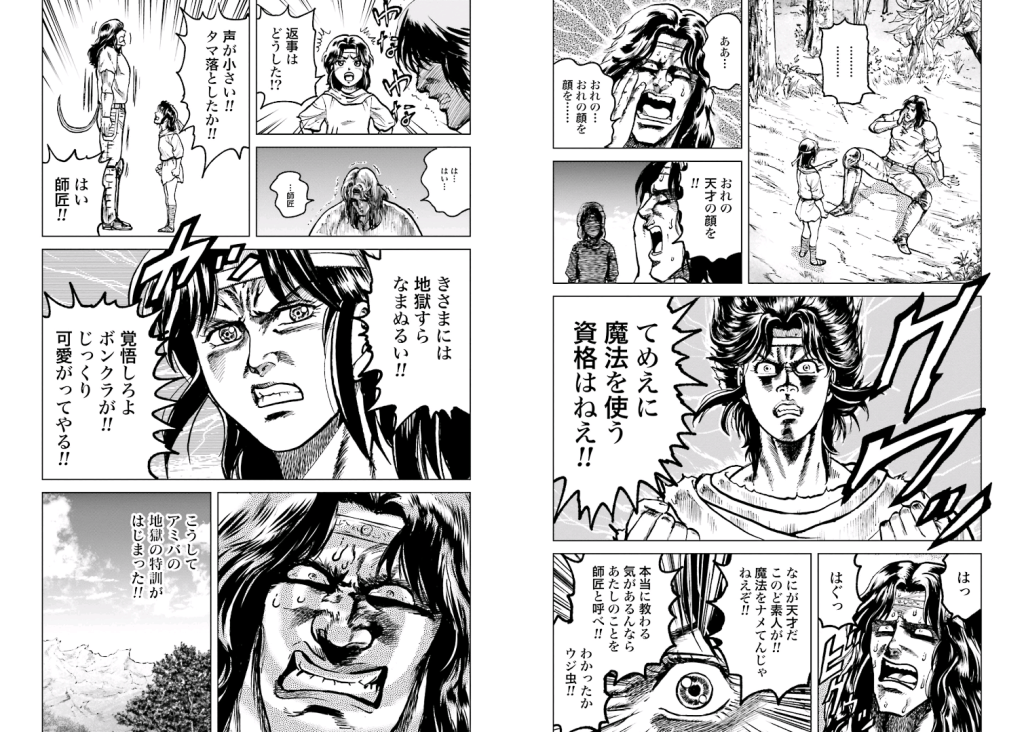
Isekai are so ubiquitous these days that there exist genre parodies of famous properties. Whether it’s being reborn as Yamcha from Dragon Ball Z or Kycilia Zabi from Gundam, we have yet another twist to a familiar gimmick. I generally don’t pay attention to such works, but I made an exception for a recent manga that asks, “What if Amiba (aka Fake Toki) from Fist of the North Star got sent to another world?”
That’s Fist of the North Star Side Story: The Genius Amiba’s Otherworld Conqueror Legend. And upon hearing this premise, it felt so perfect. After all, one common trope is that the characters who get reborn and transported tend to be pitiful “losers” given a second chance, and Amiba is among the most pathetic of Kenshiro’s opponents. He’s also a terrible person, so the story feels ripe for both comedy and the possibility of greater development. For the most part, Amiba’s Otherworld Conqueror Legend does not disappoint.
At the start, the manga reveals that the way Amiba gets isekai’d ties directly into the events of Fist of the North Star: Kenshiro makes Amiba’s hands explode, then uses his pressure-points to force the delusional villain to walk backwards off a precipice. What’s worse, he never even hits the ground before exploding into a puddle of goo. Amiba probably wishes he got killed by a truck.
He then awakens in a new world that looks oddly similar to the post-apocalypse he once called home, but there are some notable differences. Namely, fantasy elements like magic and dragons are fairly common, no one has any clue about “Hokuto Shinken” or other martial arts, and a number of characters resemble established FotNS faces. Unlike Kenshiro’s young companion Lin, the girl Amiba first runs into is Lilin, a foul-tempered mage who reluctantly teaches him magic—which he turns out to be awful at. Amiba, of course, insists that can’t be the case because he’s a genius. He does manage to make effective use of his piddling magic by the end of Volume 1, so maybe there is something to his claims, but the manga makes it clear that Amiba is perennially just as much a dumbass as he is intelligent.
The series is quite good at playing on expectations from both isekai and FotNS. Amiba isn’t a terrible fighter—he’s just hopelessly outclassed in his original world. However, in his new world his combination of fairly extensive knowledge of Hokuto Shinken and its counterpart, Nanto Seiken, makes him a unique presence as per the standard isekai protagonist trope. The manga also shows that he got a power-up after reincarnating in true isekai fashion, though the gag here is that the boost is very minimal.
As mentioned, many of the characters are intentional knock-offs of minor FotNS characters: Lilin, Pat, Devil Reversible, and so on. While their appearances are close, their personalities can differ tremendously, and often the “bad guys” aren’t so bad. A fairly major character’s counterpart even shows up at one point. I appreciate the joke, but wonder if it’s being overused, and if the series could benefit from having more characters who are original.
The idea that this is Amiba’s chance to find glory, and the way his arrogant personality both helps and hinders him, is what makes The Genius Amiba’s Otherworld Conqueror Legend work. Is he going to find an odd sort of redemption? Or is he going to repeat the same mistakes? The fact that he likely will end up doing both makes me want to see where the story goes from here.
Everything Everywhere All at Once is a film that defies tidy categorization. It’s both ostensibly and fundamentally the story of a Chinese family struggling to keep things together, and it adds a hearty helping of what feels like every genre under the sun and moon that nevertheless achieves a bizarre harmonious blend of flavors. There’s a lot worth discussing about EEAO, but where I want to focus is its exploration of a familiar topic: intergenerational trauma. Particularly, I find that centering the story on the mother, Evelyn Wang (played by Michell Yeoh), brings a powerful and challenging perspective to the subject.
When it comes to stories about the Asian diaspora, intergenerational trauma seems to be big on Asian creators’ minds. Turning Redis an animated feature about the pressure a Chinese-Canadian girl feels towards her mother’s expectations. Himawari Houseis a comic about different Asian women moving to Japan to find themselves. Crazy Rich Asiansshows how the decisions of one’s ancestors can ripple forward in time, affecting individual descendants in disparate ways. Messy Rootsis about growing up Wuhanese in a predominantly white American environment. These works tend to describe families that come into conflict over the frustrating combination of expressing familial love through familial structure and obligation, but in every case, it’s the sons and daughters who are the main characters.
Michelle Yeoh also plays a mom of one of the main characters in the Crazy Rich Asians movie. There, she’s a Singaporean mom trying to prevent her son from marrying a Chinese-American girl who comes from outside the vast-yet-insulated world of the ultra wealthy. Like so many of these stories, she as a parent is not necessarily a “villain,” but she and those of her generation are at least a source of stress for their kids as they try to carve out their identities.
EEAO flips the script, with Evelyn being both the figurative and literal hero. On the one hand, she’s a mother struggling with her non-serious husband, her teenage lesbian daughter, her judgmental elderly father, and a tax audit on the family’s laundry business. On the other hand, her endless string of failures apparently have made her the perfect candidate to stop the destruction of the multiverse. To say that it’s rare for a character like Evelyn to be this kind of protagonist is to make the queen of understatements.
Through the metaphor of the multiverse, I find that EEAO explores so many facets of that Asian intergenerational experience. It’s stated that Evelyn made sacrifices to move to the US from China, and that she has a tendency to leave a lot of goals unfinished, giving a sense that she’s, well, trying to be everything everywhere all at once. Similarly, the pressure she puts on her daughter to be better than her through a combination of shame and criticism—well-intended but nevertheless painful—is one of the major sources of conflict in the film.
By having all of this told primarily from the perspective of Evelyn, however, the Asian mom ceases to be a close-yet-distant figure in the story to eventually understand, and becomes the primary conduit through which these conflicting emotions are experienced. And it all comes down to trying to figure out how to deal with the expectations of others while trying to raise a child to exceed all expectations.
There’s actually a lot more I’d like to discuss about Everything Everywhere All at Once, especially the daughter and the husband Waymond, and how they each add to the wonderfully complex milieu that the film provides. But Evelyn is the main character and star, and the stalwart yet wobbly pillar around which the story is built. It’s an uncommon but welcome sight, and it has me wondering if I need to view my own mother a little differently—even if that doesn’t come easily.
I’m a fan of the combination of serious and silly in the anime Sabikui Bisco. Its premise of a post-apocalyptic world that revolves around conflicting views on mushrooms is patently absurd, but the sincerity of its characters is endearing and gives weight to their actions and decisions.
The world of Sabikui Bisco is full of peculiar individuals. There’s Milo, a gentle doctor who experiments with black market mushrooms in the hopes of healing his sister who’s afflicted with the “rust” disease that plagues humanity. The same sister, Pawoo, leads an elite guard in their city using her depth-defying strength. There’s the corrupt leader Kurokawa, who controls the city with an iron fist and goons in mascot heads. And then you have the brash protagonist Bisco, a member of the mushroom tribe who slings mushroom arrows and knows the truth about fungus: While it’s commonly believed to be the cause of rust, the reality is quite different. This here is an eclectic bunch, to say the least—but as ridiculous as they are, they’re all deadly serious about either saving the world or controlling it.
The general energy of the series reminds me a lot of the 1990s anime I grew up with. It’s not so much that Sabikui Bisco traffics in 90s tropes, but rather that it has a particular brand of irreverence combined with a lack of archetypes common to anime made in the 21st century. Had it emerged two or three e decades earlier, I don’t think it would look out of place alongside titles like Slayers or Trigun. In fact, there’s something very Vash the Stampede–esque about Bisco.
The anime thus far only covers part of what is an ongoing light novel series, but it ends in a satisfying place and never loses sight of that balance of earnestness and absurdity. Sabikui Bisco is about heroes going out there and doing things, and that simplicity is welcome.
Since her debut, Hololive’s La+ (pronounced Laplus) Darknesss has become one of my favorite Virtual Youtubers. Her premise states that she’s both a mighty alien (?) demon (?) whose power has been sealed off—as well as the founder of Secret Society HoloX, an organization with designs for world domination. In practice, however, La+ comes across as a cheeky and overconfident brat. It’s within this context that the biggest surprise about her characters was revealed: the fact that she’s actually a fantastic dancer. I find myself re-watching her dancing clips, even though I normally don’t do that—not with VTubers, not with flesh-and-blood performers, and not even with the many anime dances over the years.
To those who are unfamiliar with Hololive and specifically the process by which its Vtubers go from “2D” to “3D,” most start off as flatly animated characters. In this “2DLive” format (named after the program used to rig their animations), La+ and others like her are able to move and tilt their bodies and heads to some degree, but it’s generally not meant to track the entirety of the performer’s physical movements. Over time, a Hololive member receives a 3D polygonal model, and can use more robust motion capturing to match the movement of their entire bodies. In other words, you generally can’t tell how comfortable a VTuber is with physical activity like dancing before they make their so-called 3D debut.
La+ was the last of HoloX to become 3D. Prior to that, she was primarily defined by two things. First, despite being the leader of her clandestine group, she’s actually the smallest; her oversized horns further emphasizing La+ as a relative pipsqueak. Second, she has an extreme amount of ego that swings wildly between being justified and unjustified. So when she started busting a move, I felt a degree of cognitive dissonance. “Wasn’t she supposed to be bad at this sort of thing?” In a later collaborative stream with the rest of HoloX, the sheer contrast in dancing ability between La+ and her subordinates (who are usually her betters in a variety of ways) hammered home that she’s a cut above the rest.
I think the reason this aspect of La+ works so well is that it ends up making her feel even more like a being of contrasts. She has that aforementioned “shortest but most important” quality, but in terms of competence, it’s like you never know if she’ll be a Hellmaster Fibrizo (Slayers) or a Katyusha (Girls und Panzer). If this really were an anime or something, La+’s dance reveal would be that moment where Yoda or Shifu from Kung Fu Panda gets serious. It’s a winning trope, generally speaking.
La+ Darknesss is neither fully an anime character or a fully flesh-and-blood performer, which is why the combination of her character background plus her strength as a dancer shine through. Like other VTubers, she lives in that transitional space between the real and fictional worlds. The fact that she’s so physically talented is inevitably to the credit of the performer, but it’s the surrounding setting that gives La+ the stark contrast to render her moves to be even more unforgettable.




 OGIUE MANIAX