OGIUE MANIAX

Anime & Manga Blog | 50% Anime Analysis, 50% Ogi

The Confrontation: Spotted Flower Reaches a Crucial Point

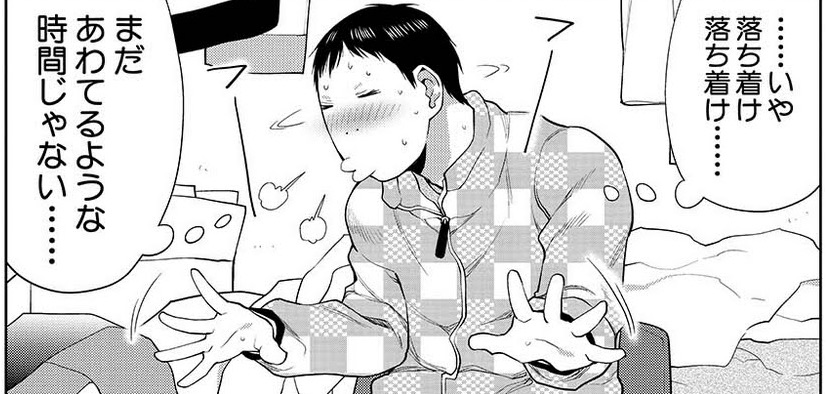
The moment has come in Kio Shimoku’s Spotted Flower: In the most recent chapter first published in June, the Wife (aka Not-Saki) confronts the Husband (Not-Madarame) about his adulterous actions with Asaka-sensei (Not-Hato). With a rather sparse publication schedule consisting of printer chapters and digital-only supplementals, getting to this point has taken many years. Now that we’re here, though, the confrontation really emphasizes the essence of this thinly disguised Genshiken alternate universe.

The Story Thus Far

A lot has happened since I last posted about Spotted Flower, so I think some brief catchup is in order. Note that I might not remember all details correctly because of how convoluted things have become: 

Spotted Flower is about an otaku husband and his normie wife, both of whom were members of the same otaku club in college. At first, the story is about their very different tastes and behaviors, as well as the challenge of having a sex life while she’s pregnant and he suffers from low blood pressure that makes even morning wood difficult to come by. They occasionally meet with and talk with old friends, who are all suspiciously similar to other characters from Genshiken (though they’re not the same).

The Wife eventually gives birth to their daughter, Saki, and one consequence is that the Husband feels inadequate as a partner. Seeing his beautiful wife chatting with her Ex-Boyfriend (Not-Kohsaka), he panics and secretly solicits Asaka-sensei, their old college club junior who once regarded themselves as a crossdressing mane but has since gotten some feminization surgery and whose gender is less clear-cut. The Husband tries to start something, but can’t get it up. No problem, Asaka-sensei declares, and puts their penis up Not-Madarame’s butt.

The Husband is plagued with guilt and shame for cheating on his wife, and Asaka-sensei tries to keep the tryst a secret from everyone they’re close to, including their own partner and manga assistant (aka Not-Yajima). While the two have an open relationship, it’s still big news that Asaka-sensei banged their old senpai. But the truth slowly leaks out little by little, with different people learning at different points from different people. Eventually, the rumor reaches Not-Kohsaka, who decides to look into it on his own.

Of course, the Wife is a sharp and perceptive person, and had naturally suspected that something weird was going on. Eventually, in a moment of weakness, the Wife propositions her ex-boyfriend, but he refuses, despite the fact that he’s actually a serial philanderer. It’s not clear at this point what he’s planning, but we also learn a few things about him as well—namely, that he seems to have hidden feelings for Not-Sasahara, and at one point even kisses Not-Sasahara when he thinks the latter is asleep (He isn’t).  

Speaking of Not-Sasahara, his relationship with Ogino-sensei (Not-Ogiue) takes an unexpected turn as she proposes a polygamous marriage between the two of them and her manga assistant (Not-Sue), with whom she already sleeps with. However, this is unlikely to turn into a threesome situation because Not-Sue hates Not-Sasahara for not letting her monopolize Ogino-sensei. 

Most recently, the old club members have gathered together for a group getaway. And then, two chapters ago, as the guys and girls are hanging out in gendered groups, Not-Kohsaka casually tells all the boys about what happened between the Husband and Asaka-sensei. Not-Kuchiki, shocked by the news, rushes over to the Wife and blurts it out, asking if it’s true. Here, the Wife herself gets a weighty grin on her face and says, “So it’s finally public knowledge, huh?”

And Now…

That’s where things stand before this latest chapter, which starts with everyone in the same room. The Wife asks if being with her was really that awful, the Husband tries to explain that it’s been great, but that he thinks she’s a goddess residing in a realm on high, and he lives crawling in the mud in the world below. She doesn’t understand what this means, so the Ex-Boyfriend explains that this is an otaku self-consciousness thing. The Ex also explains that he couldn’t possibly be with the Wife because she actually hates his guts—a fact that Not-Saki herself didn’t even remember herself.

The Wife grills the Husband about the whole situation with everyone else (especially the fujoshi) listening intently. As the Wife explains, the guy tends to hide his feelings, so she wants him to be honest. From this, they learn that he couldn’t get hard, but that it actually felt kind of good to be on the receiving end (to the thrill of the fujoshi crew). Not-Saki then goes on about what a weird little otaku club they are: Otaku are supposed to be these innocent and naive people who don’t really know what sex is like, but the people here have sex while cosplaying, engage in threesomes (which Sue adamantly denies), and her own husband got it from behind by a crossdresser. They’ve all had the wrong idea about otaku.

The chapter ends with an ultimatum from the Wife to the Husband: He must get an erection for her, or their marriage is over.

What Does This Mean?

We won’t know what happens with the two of them for another few months, but regardless of how it pans out, there’s a lot to ruminate on already.

I think the biggest revelation from this is the fact that the Wife actually hates her Ex. What has previously come across as a fairly cordial “let’s just be friends” might have been something more serious and dramatic. We know that Not-Kohsaka sleeps around more than everyone else in Spotted Flower, but that a part of him feels empty inside. I had wondered if this was him still taking the break-up poorly, but maybe this behavior from the Ex was already a problem. Or perhaps his unrequited feelings for the Editor were there all along, and he wasn’t honest with himself. Whatever the case may be, I really think it changes the assumed dynamics of the characters, and by extension the story as a whole 

I know Spotted Flower is controversial, and that some English-speaking fans of Genshiken have viewed it with derision. While I approach it as a kind of strange alternate universe, the fact that this is the only “new” material is understandably confusing and maybe even frustrating. But the way this latest chapter has played out, I have to wonder if there actually is light at the end of this tunnel for the readers who wanted something a little more wholesome. Granted, the tunnel is still of twists and jagged rocks, and a rock slide might close off the exit, but we’ll just have to see what awaits us.

See Kio Shimoku Talk About His Career!

To celebrate the release of his new artbook, Mata Ashita, Bushitsu de (See You Tomorrow in the Clubroom), Genshiken author Kio Shimoku had a special 2+ hour talk session on September 16, 2024. The venue was Umeda Lateral, a talk and live music club in Osaka, and was title “Gendai Shikaku Bunka Kenkyuukai Umeda Bunshitsu, or “The Society for the Study of Modern Visual Culture Umeda Annex.” 

Fortunately, the entire event was streamed live, and there’s an archived video available on their official site for a limited time! A streaming ticket costs 2,800 yen and lasts until September 30 JST.

While I plan to write about the talk (and the artbook) in more detail, I have not had the chance to watch it in full yet. I did take a brief look, though, and Kio actually appears in person. This is probably going to be the first time many people get to see him. Also, he showed early concept notes about Genshiken!

Sharing screenshots is not allowed, so unfortunately I can’t post his mug or those cool sketches.

I’m happy to see us go from having the man be a complete mystery, to doing an interview with VTuber Luis Cammy, to having him start a Twitter, and now this. 

I Almost Forgot the Power of Tsundere, or “Ogiue and Me”

It’s been many years since the late-2000s peak of the tsundere archetype, when the girls with prickly personalities all but captivated anime and its fandom. I was no exception to this—while I don’t consider myself a huge tsundere enthusiast, many such characters are included among my favorites. But as their novelty has aged into a well-worn trope, I’ve found myself almost forgetting how potent they can be in terms of the emotional force they exert upon fans. What‘s more, the reminder I needed was to realize how much has changed in my own life.

In certain ways, I’m not who I was 15 years ago. Mentally and emotionally, I’m in a different place, no longer constantly doubting whether my social awkwardness would ever keep me from connecting to others. However, I can recall what that felt like, and the crushing fear that it might never be overcome. And I can also recall the amazement and comfort I felt seeing characters who had similar struggles. This is essentially what led me to becoming so fond of Ogiue Chika from Genshiken and naming this blog after her. Her fight with herself felt so very real, even if it wasn’t exactly what I was going through.

It’s arguable whether Ogiue is a tsundere, but one can think of tsundere as characters who face a similar conflict between what they feel inside and how they wish to express themselves, but also boiled down to a powerful essence. There is a difference between the old-school and new-school tsundere (a distinction that’s quite long in the tooth these days), but either way, it is an easily digestible personal trait that can be eminently relatable. To see a tsundere lash out is to see a character fight within in a clear and distinct fashion.

You might hear someone say “I wish I had a tsundere partner,” and they could mean that they want someone straight out of anime—a crystalization of a fetish. But they might instead mean “I want someone who understands me because they face similar challenges.” It’s in the ability to occupy both spaces that the tsundere is strongest.

I originally did not intend to bring up Ogiue, but the more I thought about it, the more it made sense. Not only does she skirt the kind of tsundere, but she’s also been portrayed as growing out of the inner turmoil she carried when she was first introduced. She is no longer the same person, and it’s reflected in her personality and even her visual design, but I still love the heck out of her character. Even though the severity of anger and awkwardness she carries has waned, the struggle was undeniably there, and its marks are noticeable. The tsundere is powerful because of how succinctly they capture a variety of heavy feelings in a digestible fashion, and it would behoove me to keep that in mind.

Spotted Flower and Fusion Characters?

Spotted Flower is Kio Shimoku’s refracted-universe version of his hit manga Genshiken, but as the series goes on, more and more major differences crop up. Recently, I realized that one major change might be that a few characters are, in essence, fused together from different Genshiken characters.

Since her first appearances in Spotted Flower, there has been a certain character who looks and behaves much like Sue Hopkins from Genshiken. Outside of age—Spotted Flower characters are all far into adulthood as opposed to being roughly college age—the major difference between Sue and Not-Sue is that the latter has much wider hips and larger breasts. From the neck down, she’s much closer to Angela Burton, the other Genshiken American character.

I originally chalked up Not-Sue’s physical qualities to just being another way to slightly bend the details of Genshiken to make it “different enough,” but a recent side chapter of Spotted Flower, 35.5, makes me think that the merging of characters might be a recurring aspect of the series.

In it, Not-Sasahara racks his brain over trying to interpret Not-Sue’s signals, and the possibility of a threesome. As he’s trying to shake off the mental image of Ogino-sensei (aka Not-Ogiue) and Not-Sue together nude, he has an expression that is very uncharacteristic of Sasahara but makes him look just like Kuchiki, the annoying guy from Genshiken who has issues with boundaries. The resemblance to Kuchiki is further enhanced by the character’s hairstyle. This leads me to believe that Not-Sasahara might actually be better described as a kind of “Kuchihara,” though mostly dominated by the Sasahara side in terms of personality.

Endou, the “original character” who’s actually closer to Yoshitake than anyone else is probably not a fusion, but she feels like she belongs in a similar territory. In her case, it’s almost like she’s a mix of Yoshitake and a Genshiken character who never made it off the drawing board.

Not every character in Spotted Flower is a mash-up, as plenty map onto their Genshiken characters pretty comfortably. However, I’m keeping my eye out for any potential combos from now on.

Friends with Consequences: Spotted Flower, Volume 4

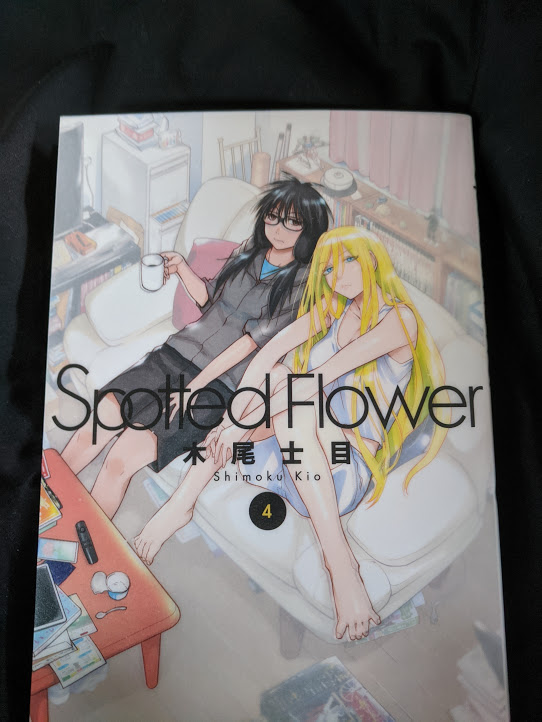
Spotted Flower has always been a difficult series to suss out what the story is trying to say, if anything at all. What once began as a thinly veiled what-if pairing of two Genshiken characters has morphed into a crazy tale of adultery, inadequacy, and a cast of characters where monogamy is rare and polyamory is chaotic and unpredictable. Volume 4 continues this trend, spotlighting all the unusual relationships that have arisen. And while I haven’t consistently reviewed Spotted Flower over the years, this one has a lot of Ogiue—er, Ogino-sensei—so I have an extra reason to write about it.

Last year, I presented a panel at Otakon about Kio Shimoku’s works, and during my research, I came to realize that Genshiken is actually somewhat of an outlier in terms of his catalogue. Most manga Kio makes, including his debut professional manga, involves extremely messy relationships and a whole lot of emotional betrayal—and not in a fetishy way, either. So Spotted Flower is actually a kind of return to the older Kio, and the fact that it hits so hard is because the characters are Genshiken analogues.

Volume 4 has the husband (Not-Madarame) and wife (Not-Kasukabe) returning home with their newborn daughter, Saki. It’s not long after the husband had a one-night stand with Asaka-sensei (Not-Hato), so he’s on-edge the whole time, and literally still feeling it in the ass. The wife doesn’t suspect anything at first, especially because Asaka was very thorough in cleaning up, but the slightest hint of perfume on just one of the husband’s sweaters—as well as some pointed questions later—have her suspecting foul play. The rest of the volume involves the husband and wife reaching out to different friends to express their worries while those friends, in turn, grapple with their own complicated situations. Also, Endou (Asaka’s editor) discovers that Hato has a penis, learns about Asaka sleeping with their beloved senpai, and inadvertently spills the beans to Ogino and Not-Sue.

I think it’s important to lay down just how convoluted the web of relations is in this series. The husband is married to the wife, who just recently had their kid, but the husband slept with Asaka out of a sense of inferiority over the wife’s ex, Not-Kousaka. Asaka is in a relationship with Not-Yajima, who knew well in advance what Asaka was planning and was generally okay with it. Not-Kousaka always really wants to have a threesome, but can’t get any, and it’s probably why he’s no longer with the wife. Ogino is living with Not-Sue and is in a physical relationship with her, but also has a real thing going on with Not-Sasahara, whom she adores. Not-Sue is extremely jealous of Not-Sasahara, and balks at the idea of them in a threesome. Not-Ohno and assumed Not-Tanaka seem to be the only ones exclusive to each other. Whew! What a situation.

One of the biggest gut punches of Volume 4 is when Not-Sasahara explains in clear detail that Madarame’s worries over not matching up to Not-Kousaka are totally unfounded. Specifically, it turns out that the wife’s ex just straight-up left after seeing the baby—which means that he basically gave up, and confirms that the husband fucked up 10,000%. What’s amazing to me is that it’s easy to see where the husband is coming from, but just as easy to acknowledge that he’s garbage.

This also makes me wonder if something like this could’ve happened to the real Madarame and Kasukabe in Genshiken. Fans loved the idea of opposites attracting, but it wouldn’t have been out of the question for Madarame to feel like he could never match up to Kousaka. Madarame and Sue are on similar wavelengths, after all. However, there’s also a lot that’s different about Spotted Flower, and it feels as if this is maybe a symptom of how their world is, instead of the cause. Another notable change is that Endou (who is jokingly implied to be the Yoshitake of this series) never went to the same college as the rest of the cast.

During this volume, Ogino initially tries to suss the truth out of her editor boyfriend, and when he refuses to budge, she lays one hell of a deal out: in exchange for telling her what the husband spoke to him about, she will agree to a threesome with her and her blond girlfriend. The look on his face is one of deep, soul- and libido-igniting conflict, and the fact that he apparently doesn’t give in is testament to this character. Ironically, it probably makes Ogino like him even more. 

It can be difficult to figure out Kio’s intent, but there’s perhaps a clue in the extra story provided in this volume. The wife is talking about how she read Ogino’s new manga, which is more out and out BL. The husband responds, “Isn’t it good that she’s doing what she wants?” The wife follows up and says, “But I think her previous work was better.” Maybe Spotted Flower is just unchecked Kio Shimoku, for better or worse.

Given that Spotted Flower chapters come out at a snail’s pace, it’s wild how far the story has come. It’s really impossible to tell how things will resolve, but the way it portrays the differences between willing unorthodox relationships and those built on deception means things are probably going to get worse before they get better. The fact that a child is involved makes the sting that much more severe.

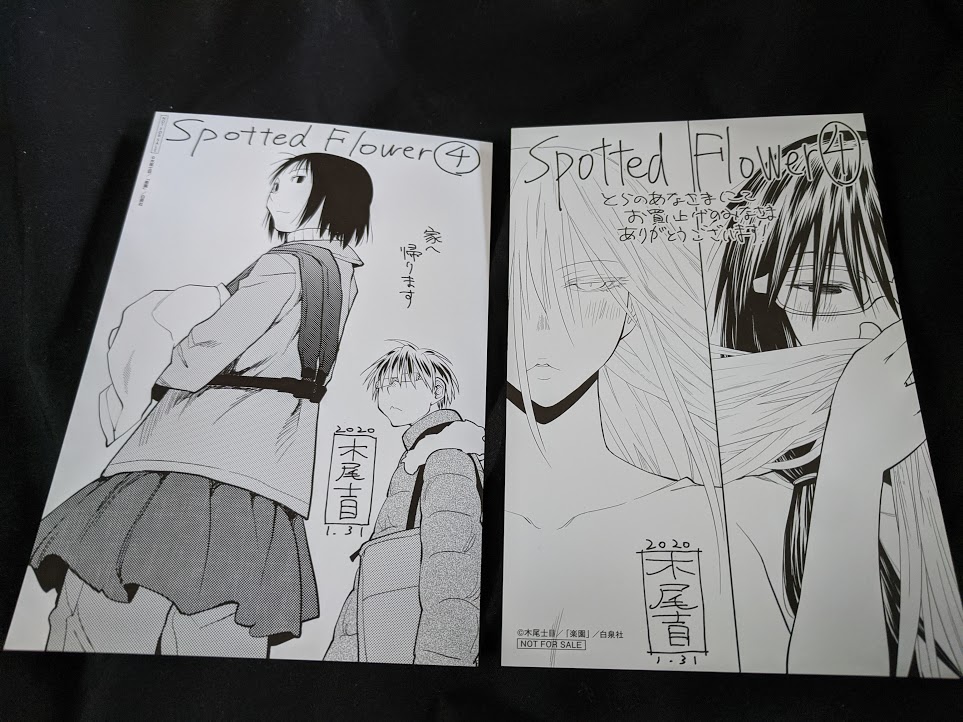
PS: I managed to get both a general purchase bonus, as well as a Toranoana store-exclusive one featuring Ogino and her blonde, Sue-esque roommate. Does it count as Ogiue merchandise when it’s technically not Ogiue?

“Genshiken Nidaime” Ogiue Chika Voice, Yamamoto Nozomi, Gets Married

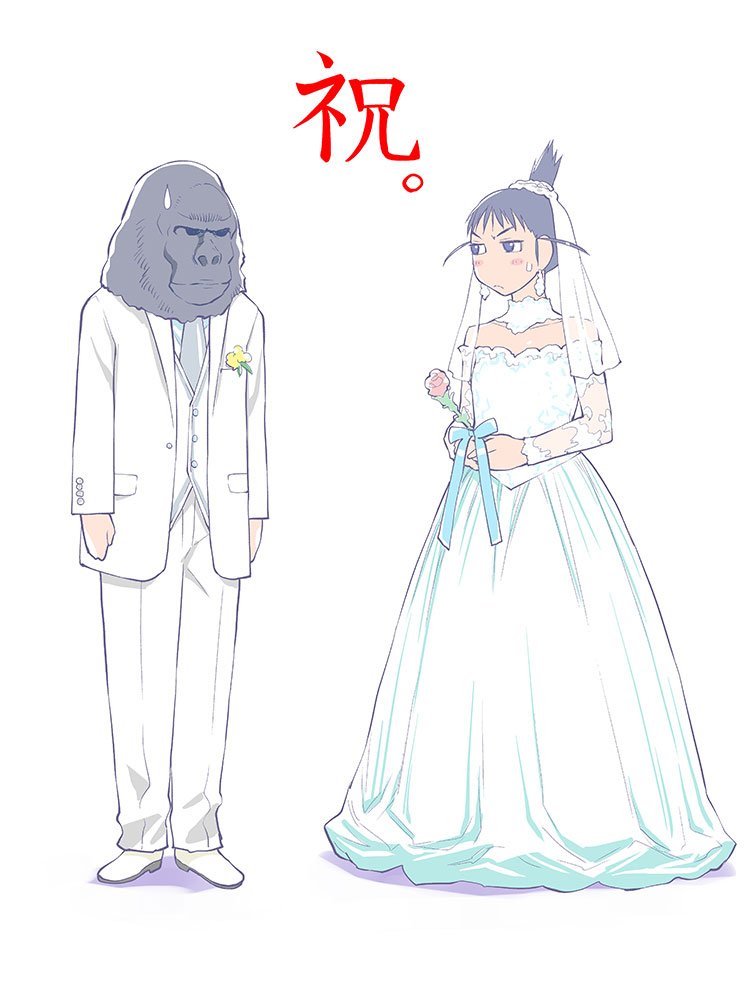
We don’t get much Genshiken news these days, but the Hashikko Ensemble official Twitter account recently tweeted about Yamamoto Nozomi, the voice actor for Ogiue Chika in Genshiken Nidaime, congratulating her on getting married. Accompanying the tweet is the drawing by Kio Shimoku of Ogiue in a wedding dress seen above.

Yamamoto is the second actor to play Ogiue, after Mizuhashi Kaori. Yamamoto’s other notable roles include Jogasaki Rika in The iDOLM@STER Cinderella Girls and Bouhatei Tetora in Joshiraku.

There’s also an interaction in the replies where Yamamoto thanks Kio, only for the account to mention that it’s not Kio but rather his manager (who she’s met before) handling social media. However, the Twitter account did have a message for Yamamoto from Kio:

“You did so, so much for the anime. When I found out you got married, I had to draw something. May you have many years of happiness!” (Kio)

2010–2019 Part 4: Best Anime Characters of the Decade

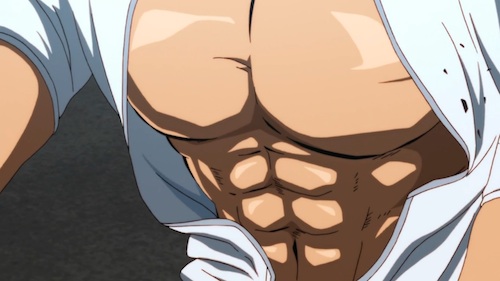
At the end of every year here at Ogiue Maniax, I pick my favorite characters of the year. Usually, it’s one male character and one female character, but exceptions have been made for, say, nonbinary characters or, well, personified abs. So now that I’ve picked characters from 2010 all the way through 2019, it’s time to decide the best characters of the decade!

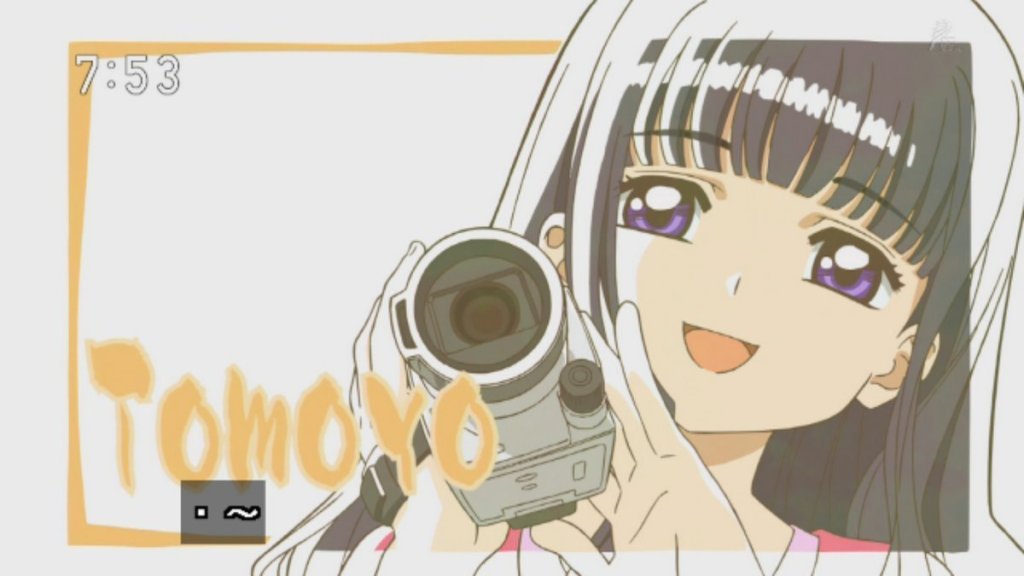
Note that I’ve taken three important characters out of the runningOgiue Chika from Genshiken Nidaime, Daidouji Tomoyo from Cardcaptor Sakura: Clear Card, and Yang Wen-Li (Legend of the Galactic Heroes: De Neue These). The reason is simple: They are three of my absolute favorite characters of all time, and I would easily pick them if they were available as options. Ogiue, Tomoyo, and Yang deserve their own hall of fame. so to keep this competition fair, they’ve been excluded.

THE FINALISTS

2010

Koibuchi Kuranosuke (Princess Jellyfish)

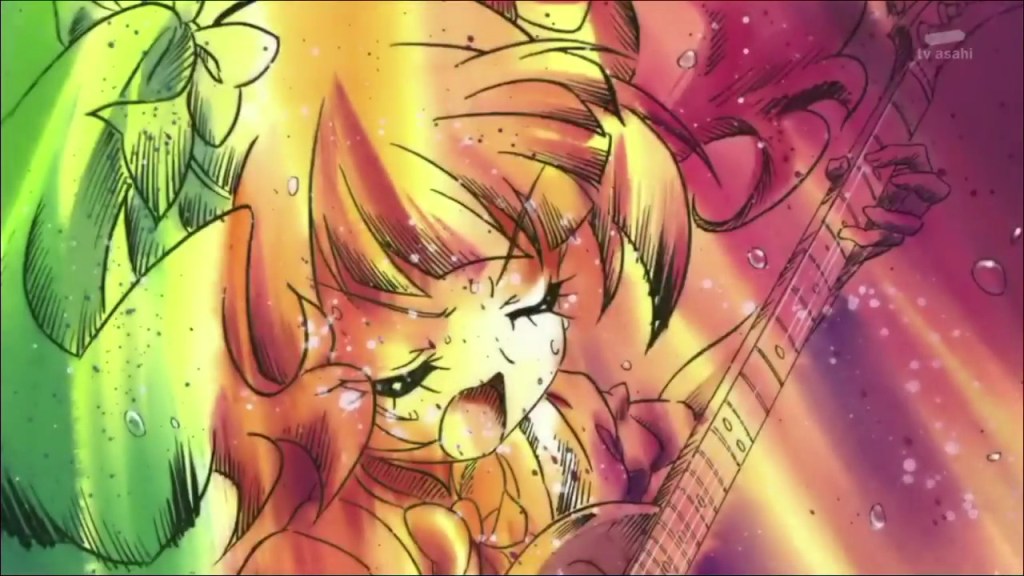
Kurumi Erika, aka Cure Marine (Heartcatch Precure!)

2011

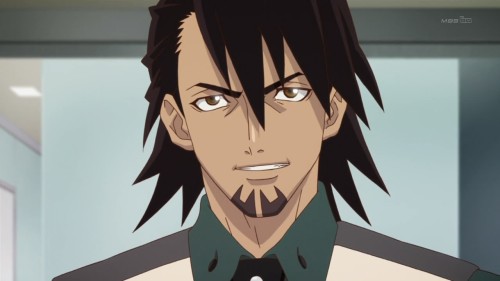
Kaburagi T. Kotetsu, aka Wild Tiger (Tiger & Bunny)

Tsurugi Minko (Hanasaku Iroha)

2012

Nishimi Kaoru (Sakamichi no Apollon: Kids on the Slope)

Yanagin (Daily Lives of High School Boys)

2013

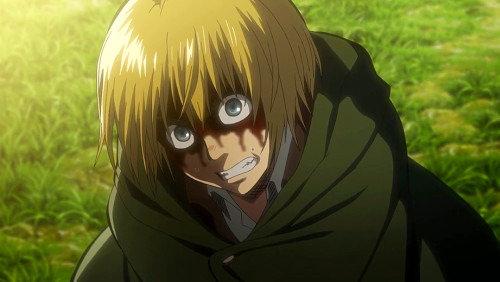
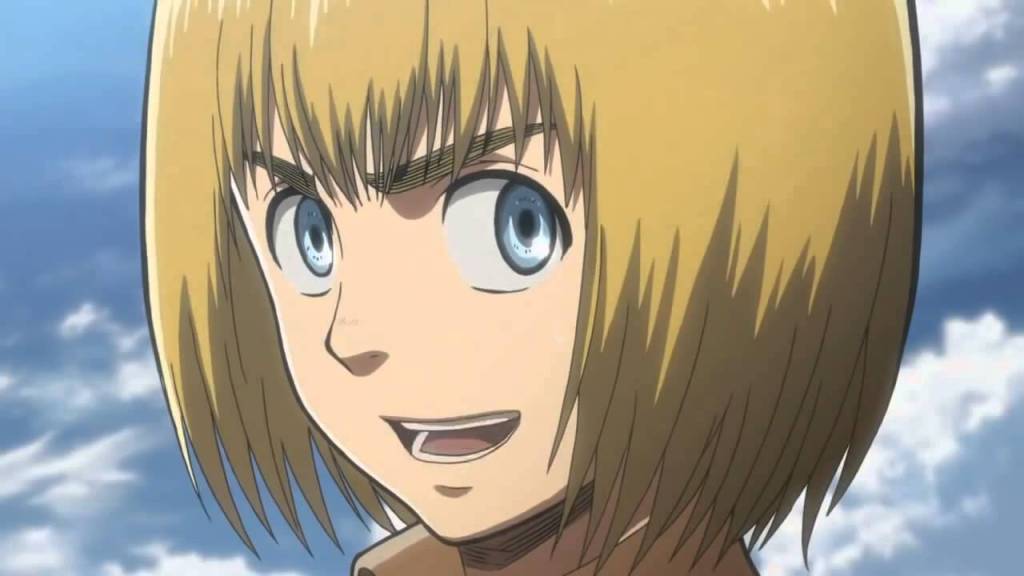
Armin Arlert (Attack on Titan)

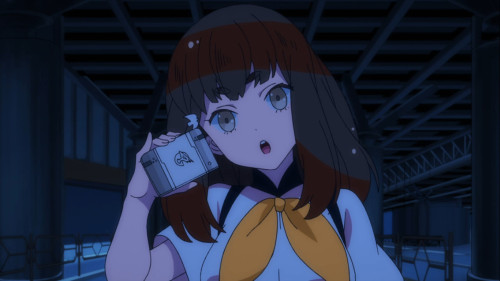
Ichinose Hajime (Gatchaman Crowds)

2014

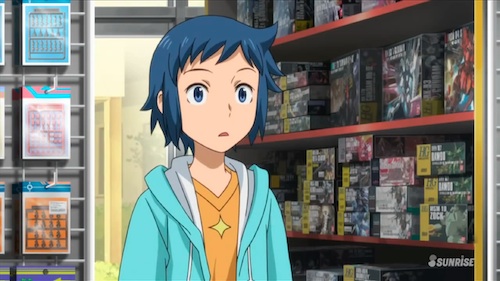
Sei Iori (Gundam Build Fighters)

Kiryuuin Satsuki (Kill la Kill)

Andy and Frank (Yowamushi Pedal)

2015

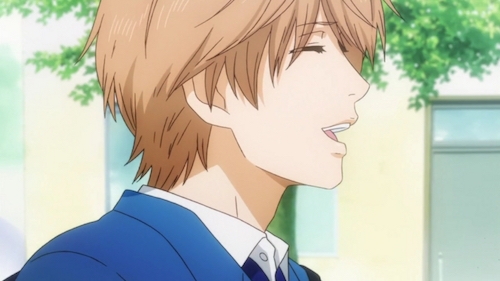
Sunakawa Makoto (My Love Story!!)

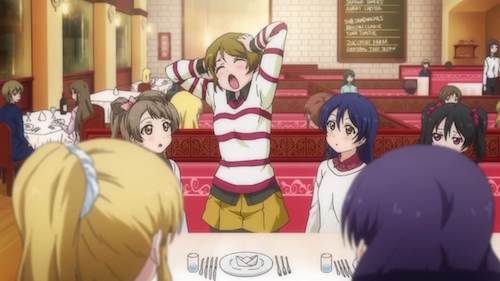
Koizumi Hanayo (Love Live! The School Idol Movie)

2016

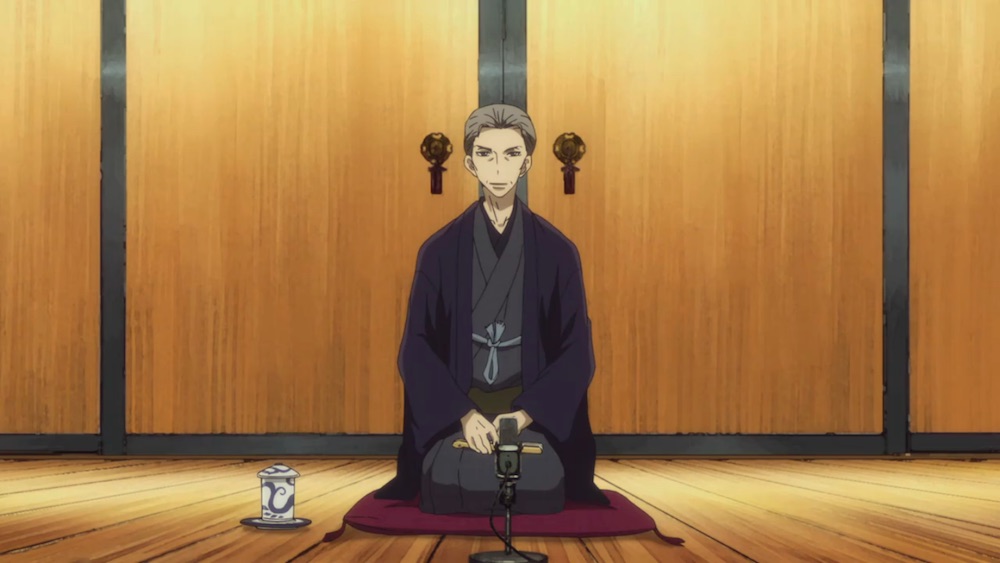
Yurakutei Yakumo (Showa Genroku Rakugo Shinju)

Shidare Hotaru (Dagashi Kashi)

2017

Kevin Anderson (right) (Tiger Mask W)

Mauve (ACCA 13-Territory Inspection Dept.)

2018

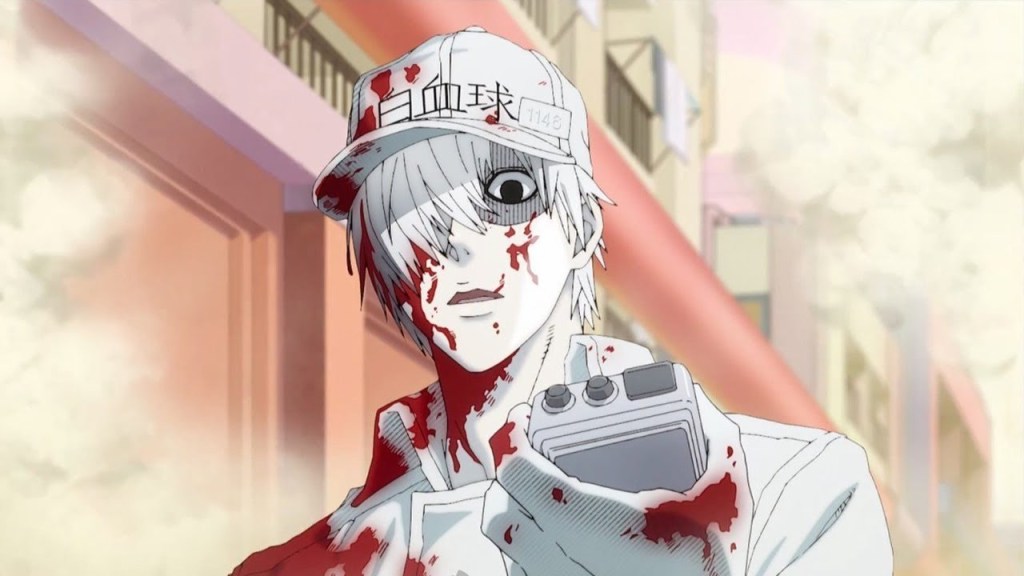
White Blood Cell 1146 (Cells at Work!)

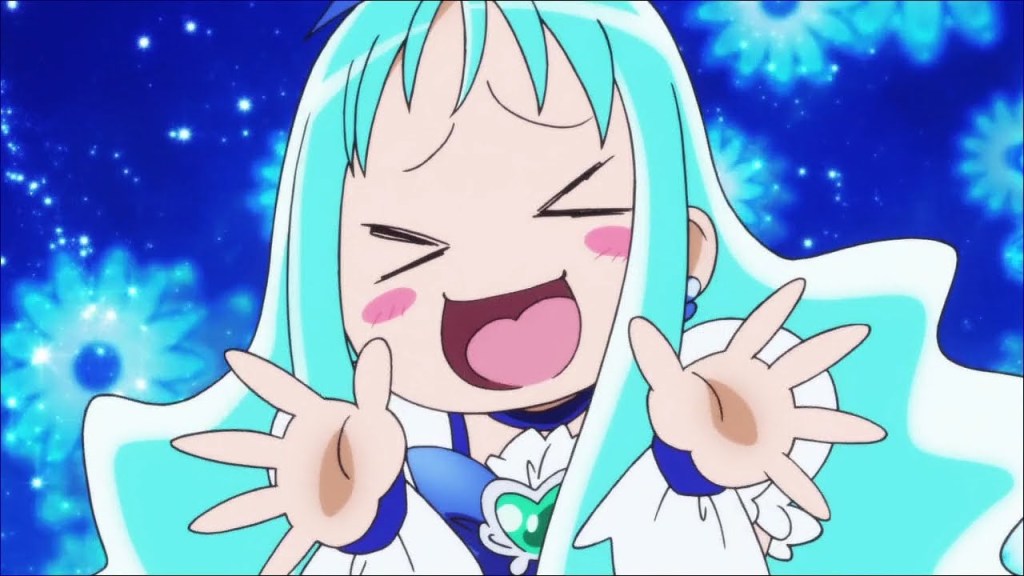
Aisaki Emiru (Hugtto! Precure)

2019

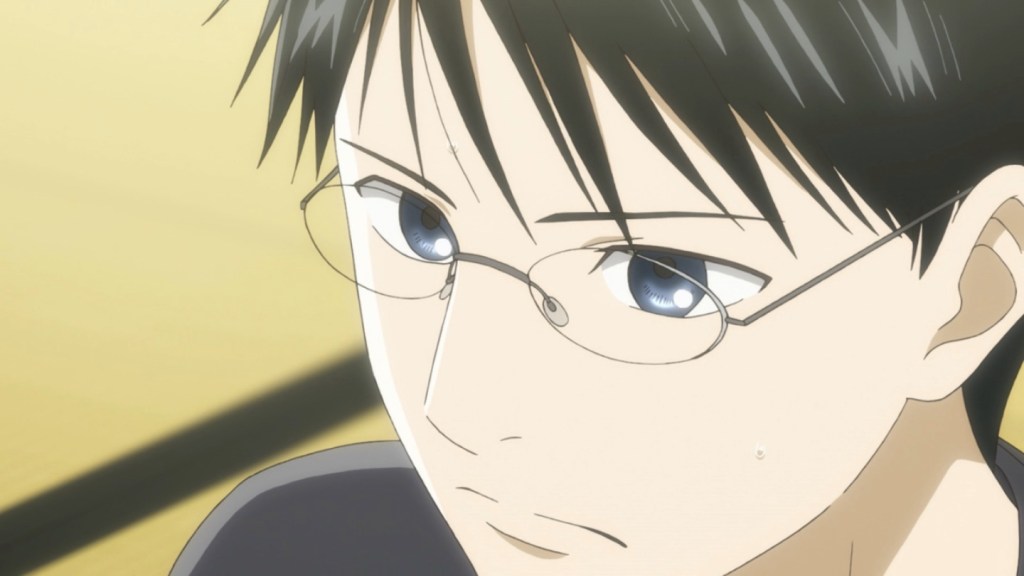
Wataya Arata (Chihayafuru Season 3)

Emma (The Promised Neverland)

And the winners are…

Armin Arlert (Attack on Titan)

Kurumi Erika, aka Cure Marine (Heartcatch Precure!)

Of these two decisions, one was incredibly easy to make and one I mulled over for many hours leading up to this. Kurumi Erika was a no-brainer—her energy, ability to inspire action and positive change, her all-too-human behavior, and her legendary facial expressions all make her an unforgettable character in my eyes. She’s simply amazing in a way few characters are, and it’s clear that many anime fans agree with me, given her ranking as the third most popular Precure in the recent massive NHK poll.

As for Armin, it was a closer call, but what ultimately made me land on him is what he represents in Attack on Titan. The series’s world is one where fear reigns and unthinking violence is often born out of the frustration of not knowing if you’ll survive to the next day. But Armin Arlert shows the value of having a more considerate and broad-minded view of the world, and the way he complements Eren and Mikasa further highlights how important and necessary it is to have individuals like Armin in the world to subtly challenge assumptions. He’s brave without being brash and thoughtful without being hopelessly indecisive.

Erika and Armin are characters who I wish could inspire many more both in media and in people themselves, and I declare them my favorite anime characters of the 2010s.

Kio Shimoku and Genshiken Trivia, Courtesy of “Mou, Shimasen Kara”

Over the past year, the manga magazine Monthly Afternoon has featured interviews in comic form with its own serialized manga authors through the series Mou, Shimasen kara. Afternoon Gekiryuu-hen by Nishimoto Hideo. This past month’s issue puts the spotlight on Genshiken and now Hashikko Ensemble creator, Kio Shimoku, so I’ve taken the liberty of summarizing all of the Kio factoids in it.

-For the first time ever, Kio actually reveals his “face” (albeit in manga form). He’s known for being a private person, but he decided show himself through this manga. He reasons, “I’m over 40 now, so what does it matter if I show my face or not?”

-Kio used to work analog, but has been an all-digital artist ever since Jigopuri. He does everything, from thumbnails to color, all on his Wacom. He doesn’t customize his pen or brush settings much.

-He almost never uses assistants. Kio had one assistant on Genshiken Nidaime and none for Hashikko Ensemble, his new series. For those who don’t know, this is highly unusual.

-Kio got the inspiration for Hashikko Ensemble because his daughter joined a vocal ensemble, and he happened to listen to an all-male group.

-He was never a musician, but knew a local group, so he did do some singing for them about once a month, and even had a voice trainer. He’s a second tenor, which was the basis for Akira’s baritone in Hashikko Ensemble. Kio has a fairly deep voice himself, so he decided to exaggerate it for the manga.

-Once, in school, he saw two kids harmonizing on the way to class, providing further inspiration. “I want my manga to make readers want to sing.”

-Kio was in the softball club in elementary school, the judo club in junior high where he was the captain, and the art club in high school.

-He submitted his first manga in high school, for Shounen Sunday. It was about a high school student who works at a used bookstore and discovers an ancient text that he then tries to decipher.

He drew a lot when he was kid, and was an otaku in middle school, where he imitated Doraemon, Kinnikuman, and Captain Tsubasa.

-However, he stopped drawing between 4th grade of elementary and the start of middle school. This was because he was really into Miyazaki Hayao as a kid, and when he couldn’t copy Miyazaki successfully, he got depressed and stopped trying for those few years.

-In middle school, he helped a friend out by drawing backgrounds for his manga, only for Kio to realize he was also better at drawing the characters too. One day, when he tried to draw Miyazaki characters again, he noticed he had gotten way better.

-He wanted to be an animator, but Ghibli only wanted people 18 and up. Once, he created a manga based on the Laputa novel in a couple of notebooks.

-In college, he majored in Japanese art because he thought the pencil and brush skills would translate to manga.

-Kio’s dad worked at an insurance company, and while he wasn’t flat out against Kio’s aspirations, he would constantly ask him to consider the risk of being a manga creator. This made Kio want to quickly win a manga reward, to help his parents accept it.

-The school he went to had a club called the Society for the Study of Modern Visual Culture, becoming the inspiration for Genshiken. Surprisingly, however, Kio was actually only a member for half a year. He didn’t quit because if anything in particular, he’s just not good with group activities.

-Despite what it might seem, the Genshiken characters are not based on any real life counterparts.

-In response to the realism of his characters, Kio says he tries to convey a sense of “presence” with them.

-Kio feels Genshiken came at the perfect time, matching the zeitgeist of the era. However, it makes him feel like a one-hit wonder. If Hashikko Ensemble fails, he’s going to feel enormous pressure.

-He didn’t attend a technical high school so he needs more research. One of he authors of Mou, Shimasen kara. did, and the other has a sister who attended one, so they try to help out.

Thoughts

Kio’s done a lot!! He sort of seems like a renaissance man.

That bit of surprise aside, it is fascinating finding out just how many aspects of his own personal life and career have made their way into his manga. The attending a Genshiken-like club is one thing, but it’s notable that he was in the judo club and then the art club—just like Hato. He also converted to using a tablet monitor for manga at some point—just like Ogiue. While his characters aren’t based on any real people in particular, he takes bits of himself and places them in his creations. While not stated outright, I think it’s pretty clear that Jigopuri (which is about raising a baby) is the product of firsthand experience.

Like this post? Feel free to check out my Patreon, or leave a tip at my Ko-fi.

America the Moeful: Genshiken Volume 21

genshiken21-cover

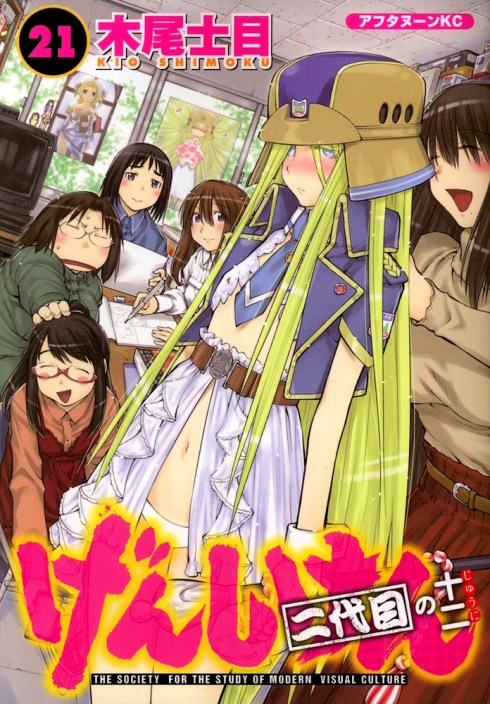
Chapter 127 may have been the end of Genshiken’s serialization, but that doesn’t mean it’s all over yet! As fine patrons of the Society for Modern Visual Culture know, the volume releases always come with extras. So, I’m going to give my thoughts on some highlights.

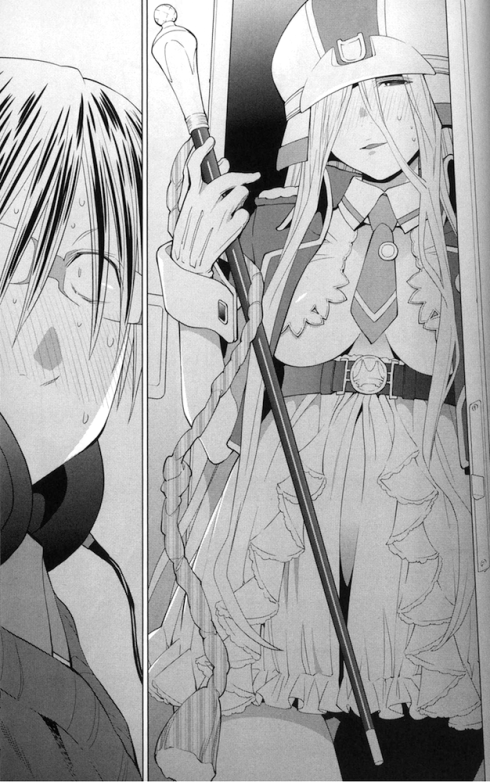
First and foremost, it is absolutely necessary to talk about the cover, which features Sue in a somewhat bizarre cosplay of Ritsuko from Kujibiki Unbalance. It certainly doesn’t look like any prior incarnation of Ritsuko from Genshiken, and that’s because…it isn’t.

spottedflower-sexycosplay

The cosplay actually comes from the thinly veiled alternate universe Kio Shimoku manga Spotted Flower. For those unfamiliar with it. The premise basically asks, what if a person very similar to Madarame married someone just like Kasukabe? In it, the unnamed wife, pregnant and sexually frustrated, winds up seducing get husband in that very same outfit.

In other words, Sue (who has become Madarame’s girlfriend) is cosplaying a cosplay worn by a parallel universe Madarame’s wife as a way to get some nerd boott, who is in turn a reference to Kasukabe and her Ritsuko cosplay from Genshiken, which is the defining moment when Madarame fell in love with her.

Talk about peak meta. And we haven’t even opened the book!

Inside, you have the standard comic strips between chapters. I won’t go through all of them, but I do want to draw attention to my favorites. genshiken21-ninjaslayer2First is one where Yoshitake mythbusts every idea that Sue has about ninjas. In reaction, Sue makes a Ninja Slayer reference: “Kill all ninjas! Yeeart! Guwah!”
Here we have Sue, an American otaku, referencing a book series that was supposedly created by Americans who love Japanese culture, which was then translated into Japanese, buy is actually a satirical look by Japanese creators at the American obsession with ninjas. Did I say we hit peak meta before? I might have been mistaken.

genshiken21-hatowarning

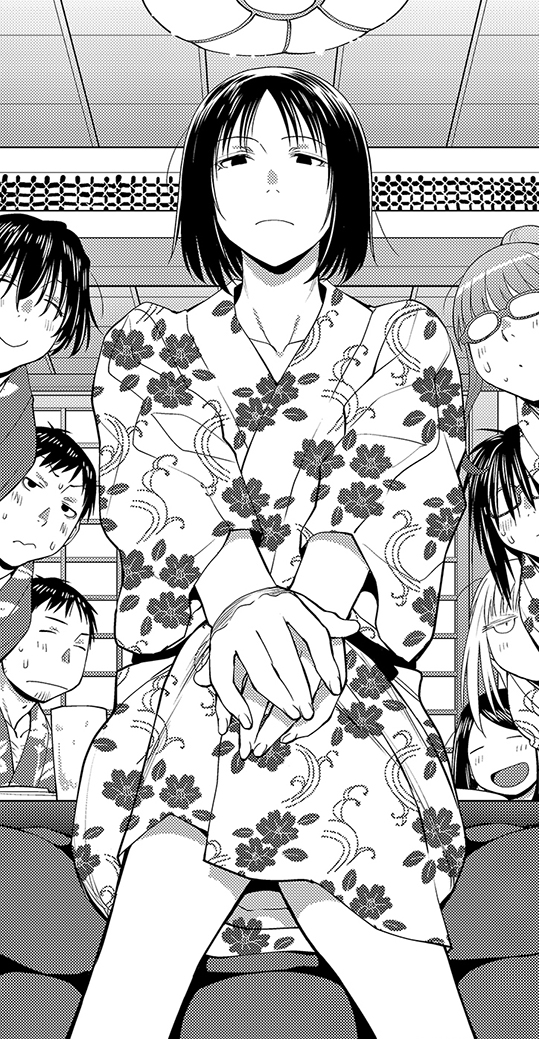
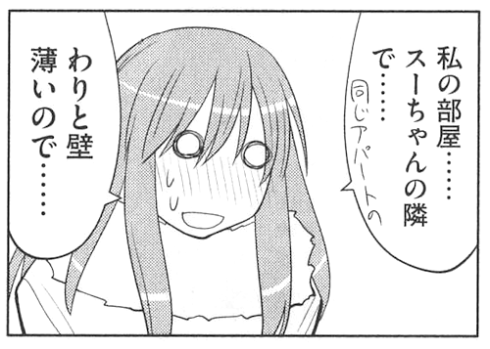
The second is after Madarame and Sue start dating. Hato gives some helpful advice, just in case: “Sue lives next to me, and the walls are thin, so keep that in mind.”

This leads to the final post-chapter content, which caps off Genshiken Nidaime. In the last series, it revolved around a discussion of whether Kasukabe is moe. This time, it has to do with how pathetic Madarame and Kuchiki are in different ways.

At his graduation after-party, Kuchiki brags that he has taken Madarame’s first kiss. Ohno exclaims that surely Sue’s more than made up for that deficit, but this is far from the truth. Not a kiss (let alone anything else) has happened, and the members of Genshiken contemplate just how much of a wimp Madarame is. Kuchiki gets upset over the fact that he never got a girlfriend in college, and has the gall to ask Ohno once again if he can touch her boob, just once. Ohno, unfortunately, is very drunk (as tends to be the case with her at parties), and she actually agrees, going so far as to comply when he asks if she can remove her bra partway underneath her sweater. However, Kuchiki makes his attempt, Yajima gut checks Kuchiki. Sadly for Yajima, all this does is awaken a new fetish in Kuchiki. Everyone is happy that he’s graduating and going away.

I kind of wish that the last moments of Genshiken didn’t have Kuchiki at the center, but it isn’t all bad. In particular, I like the notion that Madarame still hasn’t quite gotten over his awkwardness with girls. In fact, the very idea of him having a girlfriend has probably short-circuited his brain. And if anything, it makes me very aware of just how dramatically Sasahara and Ogiue’s relationship escalated once it hit the threshold. The two of them literally starting having sex with each other once they got on the same page, which is probably not the image we ever had of otaku.

The last things I want to talk about are the extras I received with Volume 21.

genshiken21-koumekeito

I ordered from the Japanese comic store Comic Zin, and with it came a 4-page bonus illustration featuring artists associated with the Genshiken universe. It has Koume Keito (artist of the Kujibiki Unbalance manga), Yagumo Kengou (artist of the Kujibiki Unbalance light novel), as well as Kio himself. It also features a message from Tamaru Hiroshi, creator of Rabuyan, a manga about a Madarame-esque loser.

First editions of Volume 21 also get a version of the “Thank You Messages” compilation that came with the final chapter in Monthly Afternoon. It also features brand new color art for its cover, featuring most of the now-gigantic cast of Genshiken. I love the drawing of Ogiue on here; she honestly looks so cool.

So that’s that. I’ll see you (hopefully) in January, as I start my look back on the first Genshiken. But before that, I still have another post to make, about Kasukabe Saki. Keep an eye out!

genshiken21-thankyoubook

If you liked this post, consider becoming a sponsor of Ogiue Maniax through Patreon. You can get rewards for higher pledges, including a chance to request topics for the blog.

Save

Save

Farewell Genshiken: Ogiue Maniax Status Update for September 2016

September is the start of a new, post-Genshiken world.

Though the loss is great, I know I have my patrons to back me up. Thanks to all of you who continue to support me on Patreon:

General:

Johnny Trovato

Ko Ransom

Alex

Diogo Prado

Sasahara Keiko fans:

Kristopher Hostead

Yoshitake Rika fans:

Elliot Page

Hato Kenjirou fans:

Elizabeth

Yajima Mirei fans:

Machi-Kurada

In terms of blog content from this past month, first and foremost is my final chapter review of Genshiken Nidaime. I hope it’s been a great ride for you.

According to last month’s poll, a lot of you would like me to go back and take a look at the original Genshiken as well. I’m eager to oblige, but I probably won’t start for a little while, at least a month or two. In the meantime, I guess I can get my Kio fix with some Spotted Flower.

Other post highlights include an Otakon 2016 convention report, as well as interviews with artist LeSean Thomas and anime studio P.A. Works. The LeSean Thomas interview has been doing extremely well for the blog, and it makes me very aware of how niche the anime audience in comparison to even other nerd subcultures in the US. The last time that happened was when I reported on the Nostalgia Critic and Angry Video Game Nerd appearing in an anime, which got me the most hits in a single day ever.

I also wrote about Yukitheater, sort of. Sadly I couldn’t get the program to work, but if you want a kind of trip back to early 2000s anime fandom but in a modern lens, this virtual theater program might be worth something to you.

The last post I want to mention is one that had been ruminating in my mind for a long time, which is about how characters are rendered attractive or charismatic. Basically, I think that, through visual design and personality and a bunch of other small factors, there are two primary ways by which people become drawn to characters: a magnetic “pull” and a forceful “push.” Am I on the right track? Tell me what you think.

Following up on another point from the previous status update, I’ve begun watching Super Dimensional Cavalry Southern Cross in order to finally update Gattai Girls. Are there any other series you’d like to see me tackle?

Until next time! The second Kizumonogatari movie is showing in October, which is also the month of New York Comic Con. Exciting times.