Thinking About Soul of Chogokin Gold Lightan

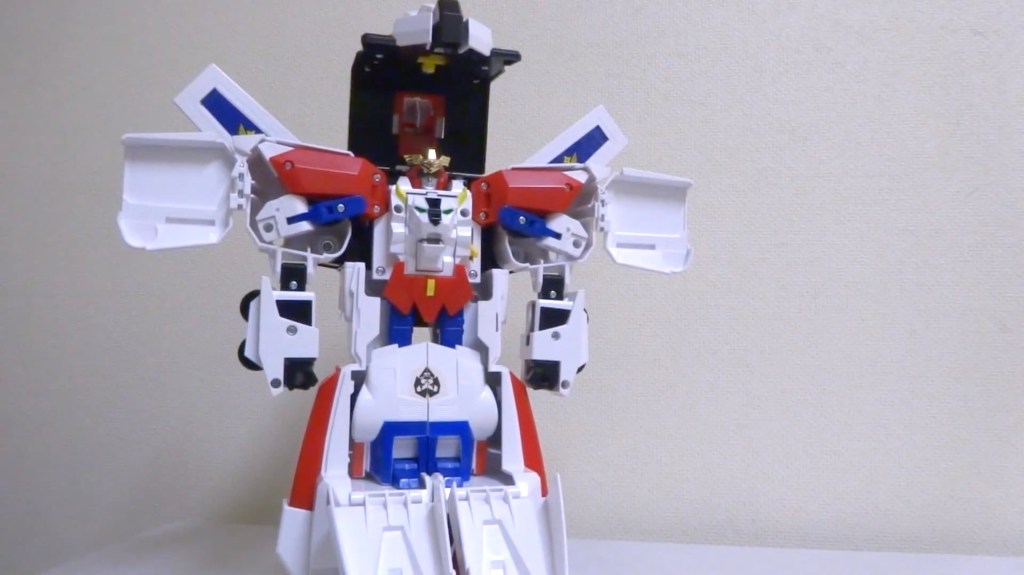
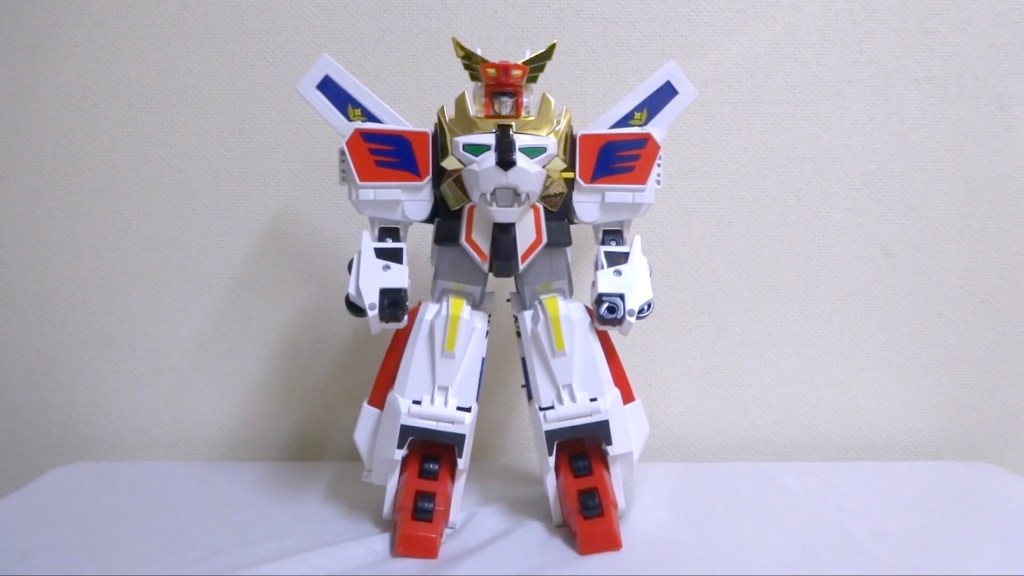
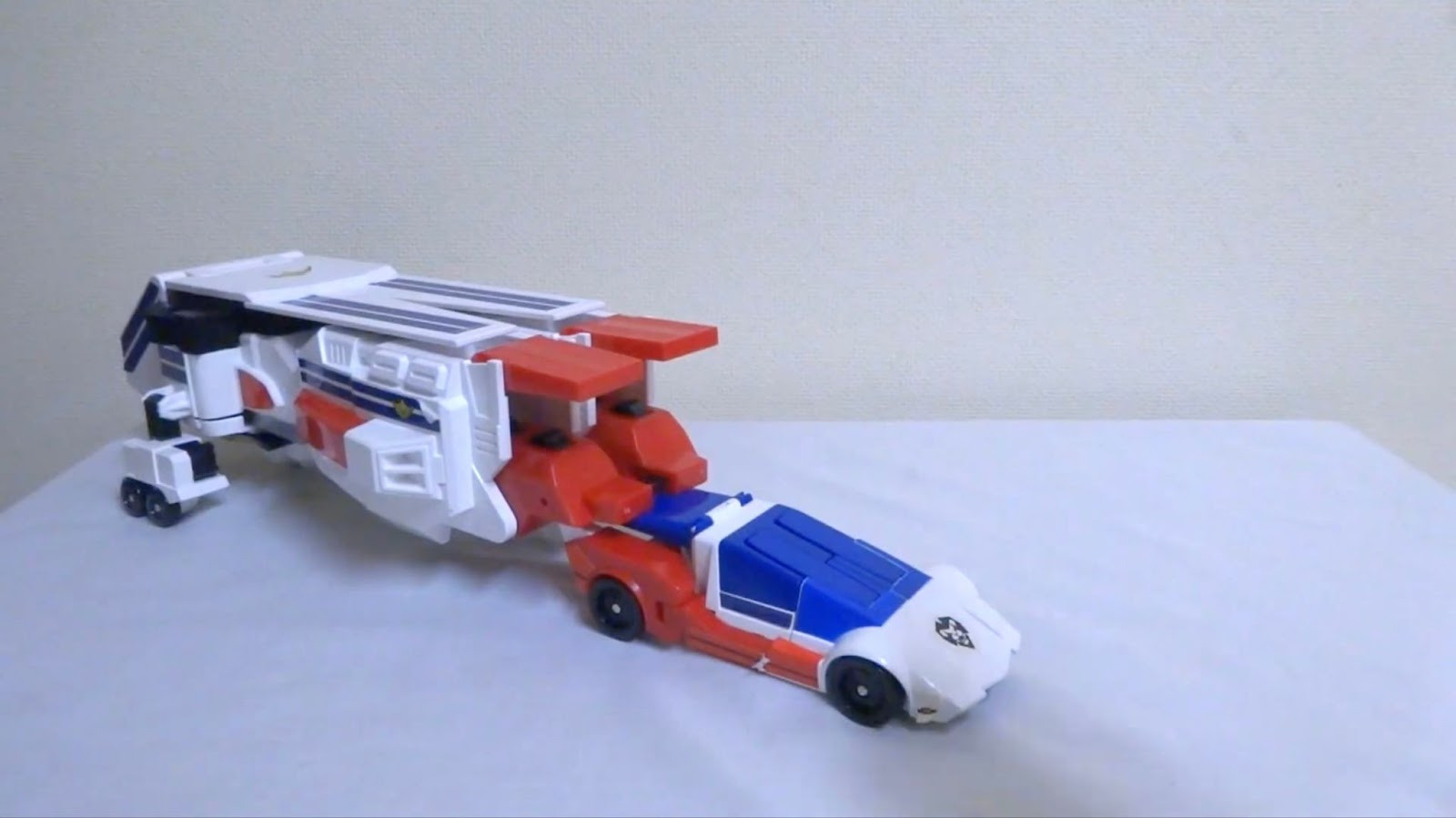
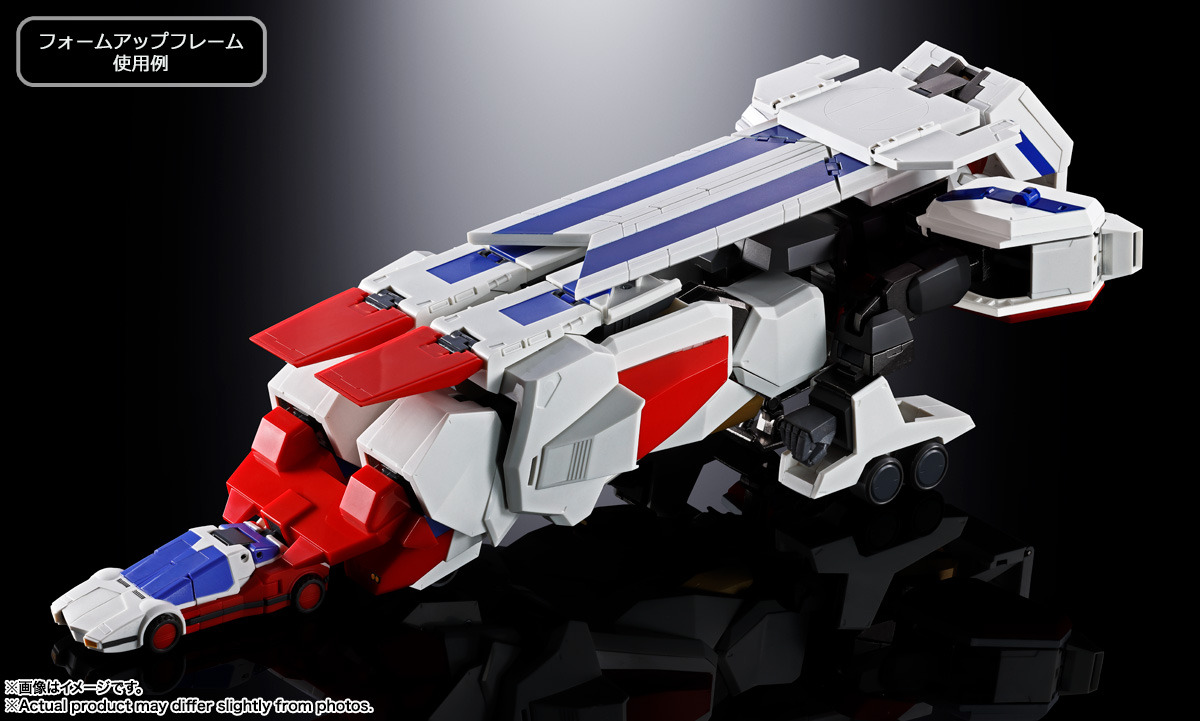
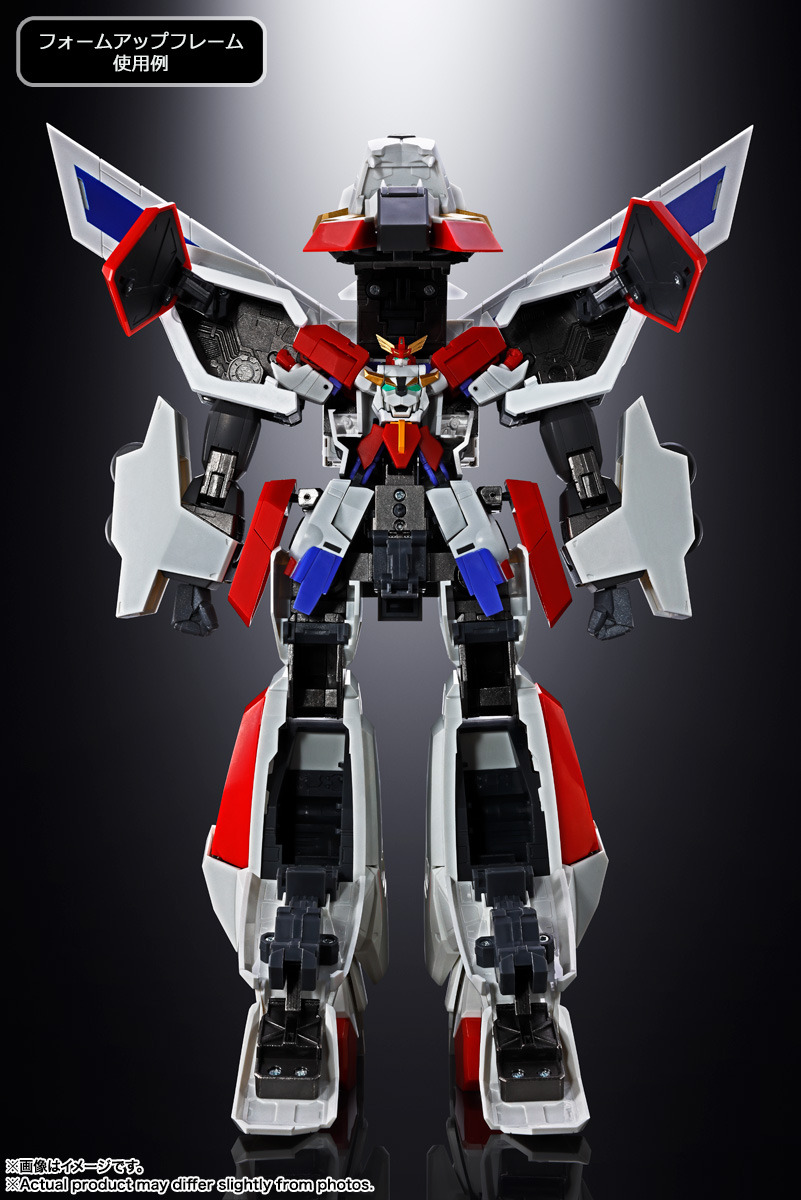
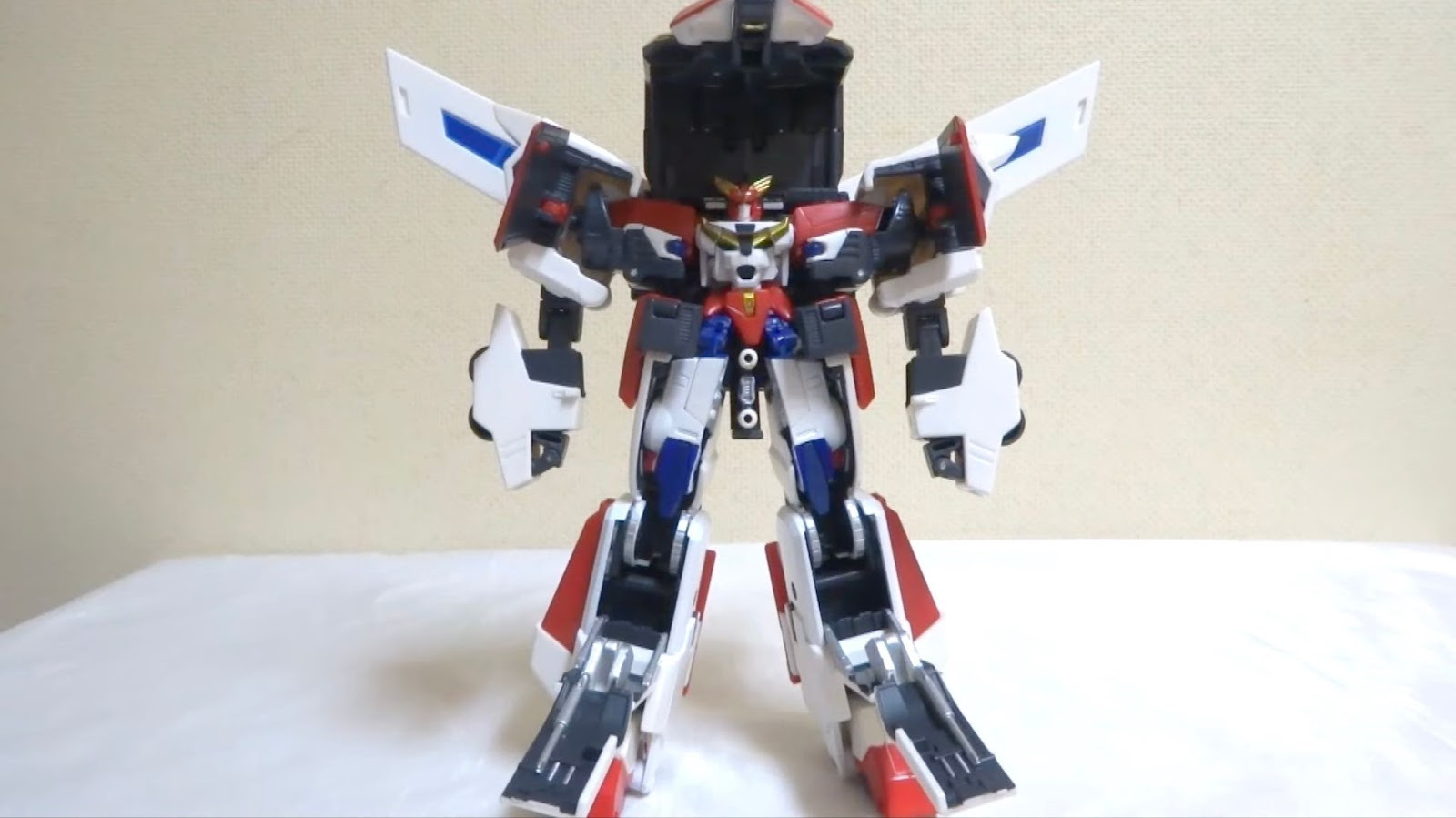
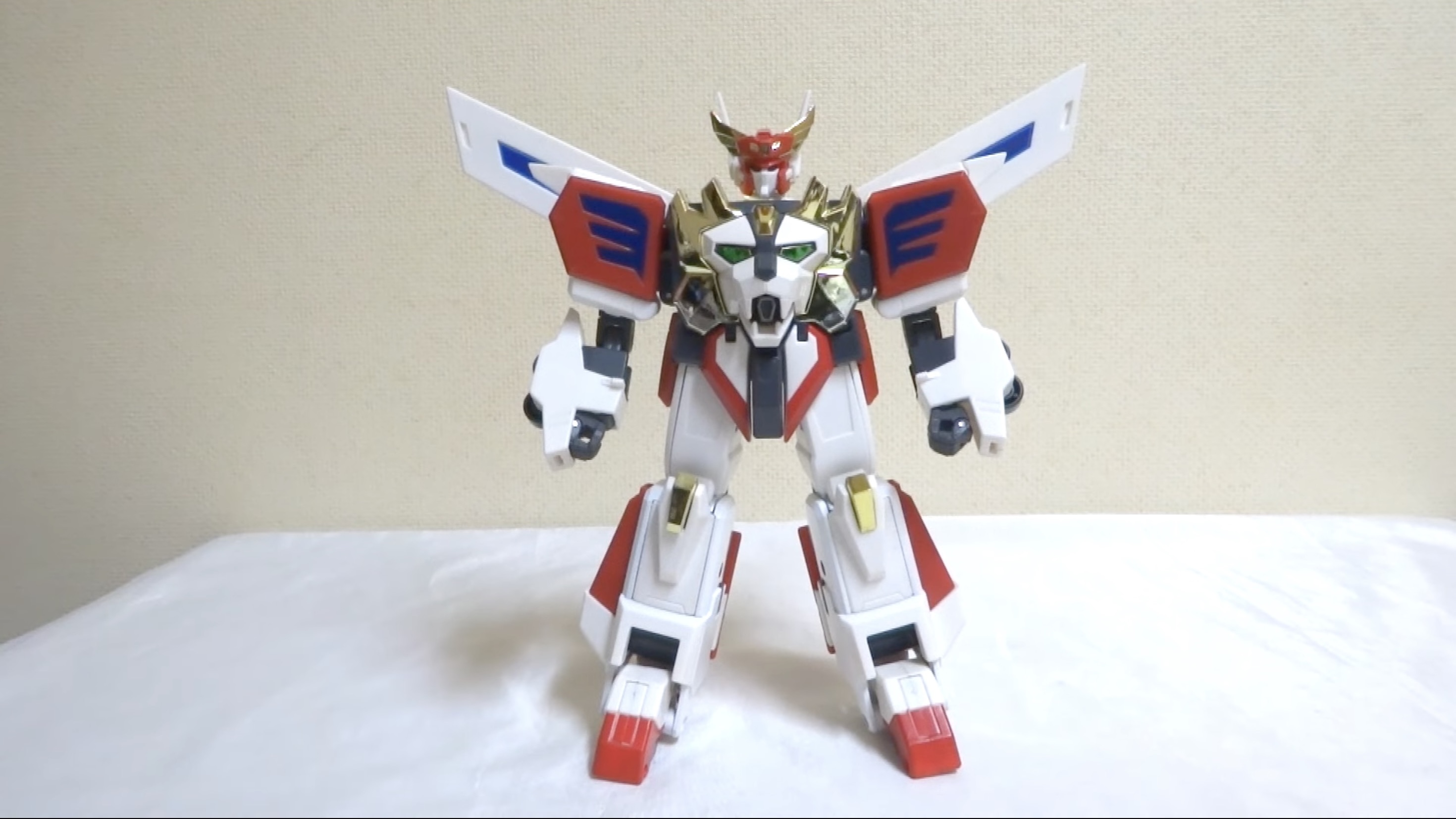
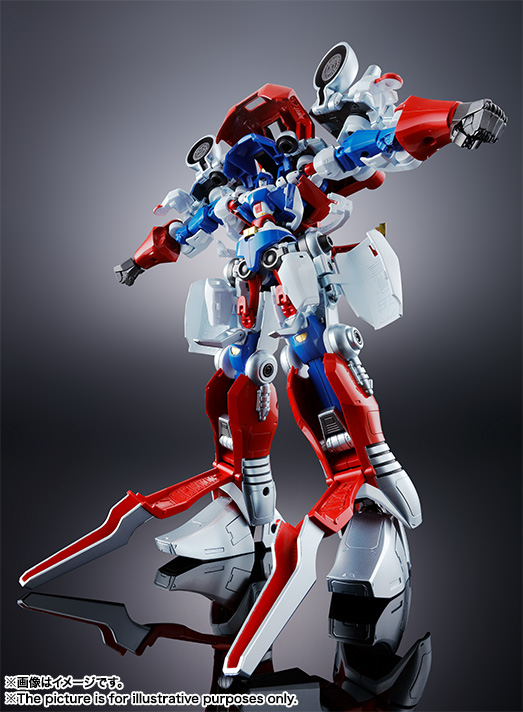
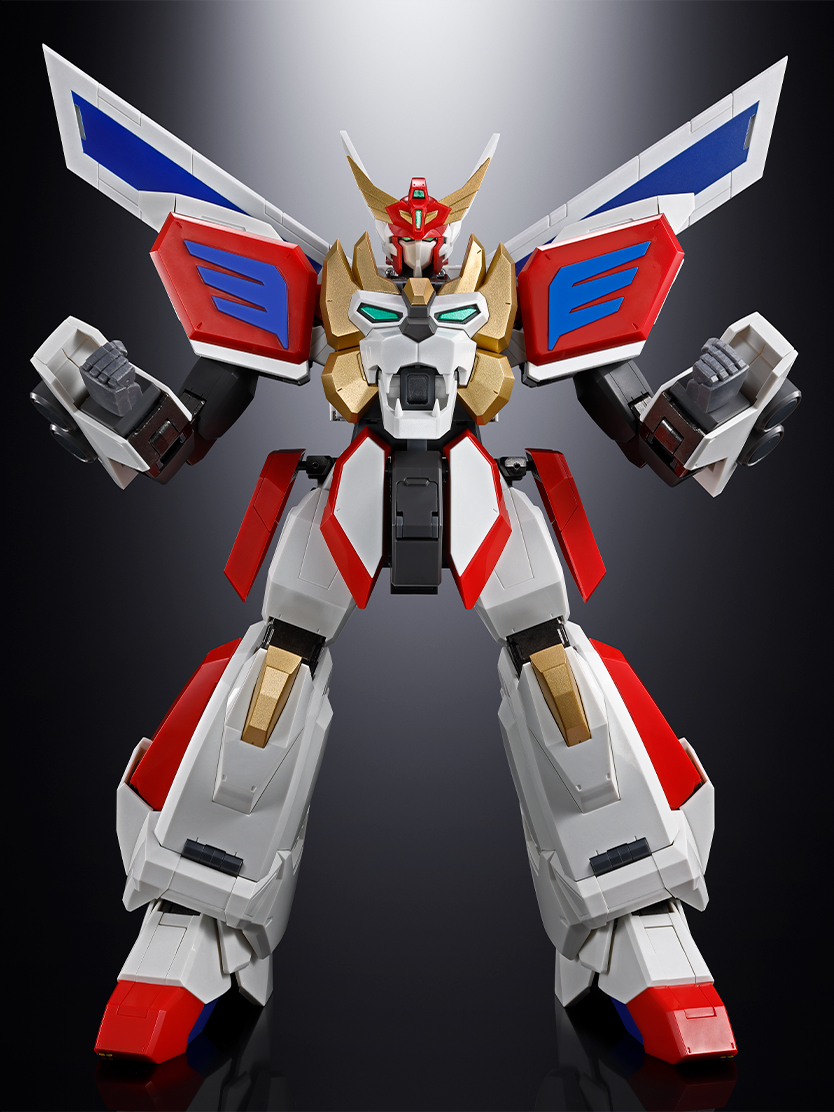
Once in a great while, the Soul of Chogokin Gold Lightan goes on sale again in some form, and every time, I feel tempted to buy it. The thing fascinates me, and not just because the anime is one wild and surprisingly violent ride. I think I’m just intrigued by how Gold Lightan defies the typical sensibility of the SoC toyline and makes it stick out like a sore thumb.

Soul of Chogokin is all about high-quality toys that aim to capture the coolness of a given mecha by finding a nice middle ground between the original toy and its representation in media such as anime or live-action. Over time, this has often meant trying to match body ratios, colors, and aesthetic details while retaining gimmicks like transformations. But Gold Lightan is a weird case because it’s a challenge to get him to look “anime-accurate,” “toy-faithful,” and also “cool” at the same time.

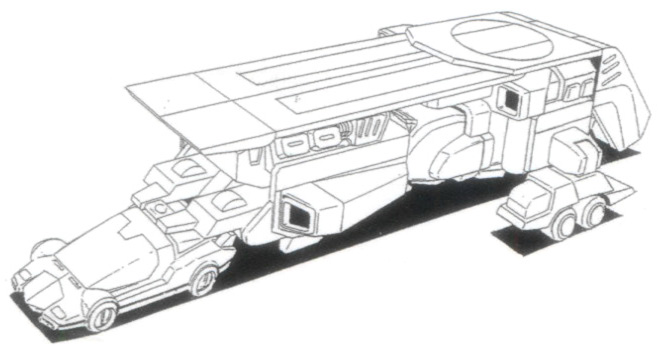
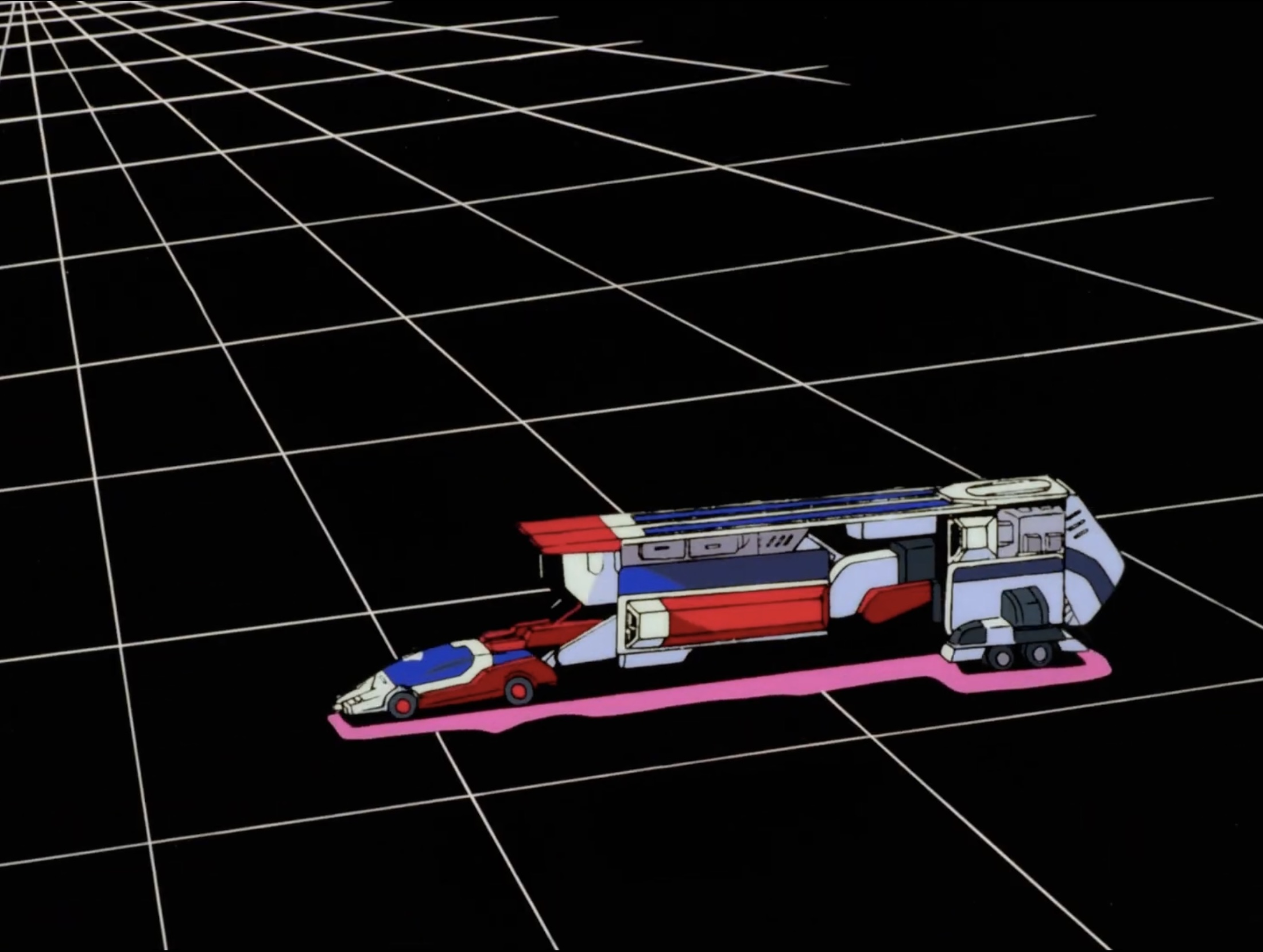
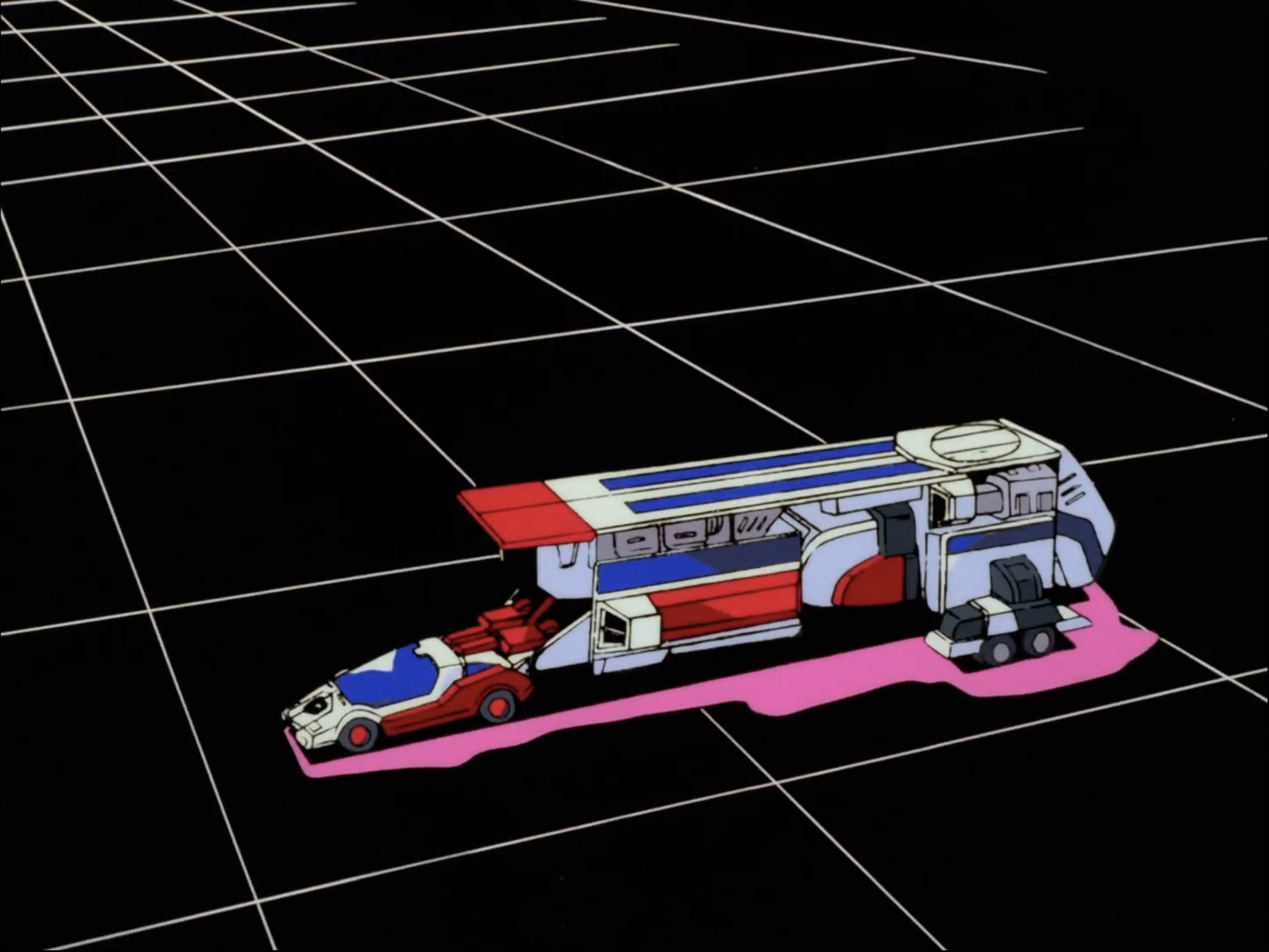
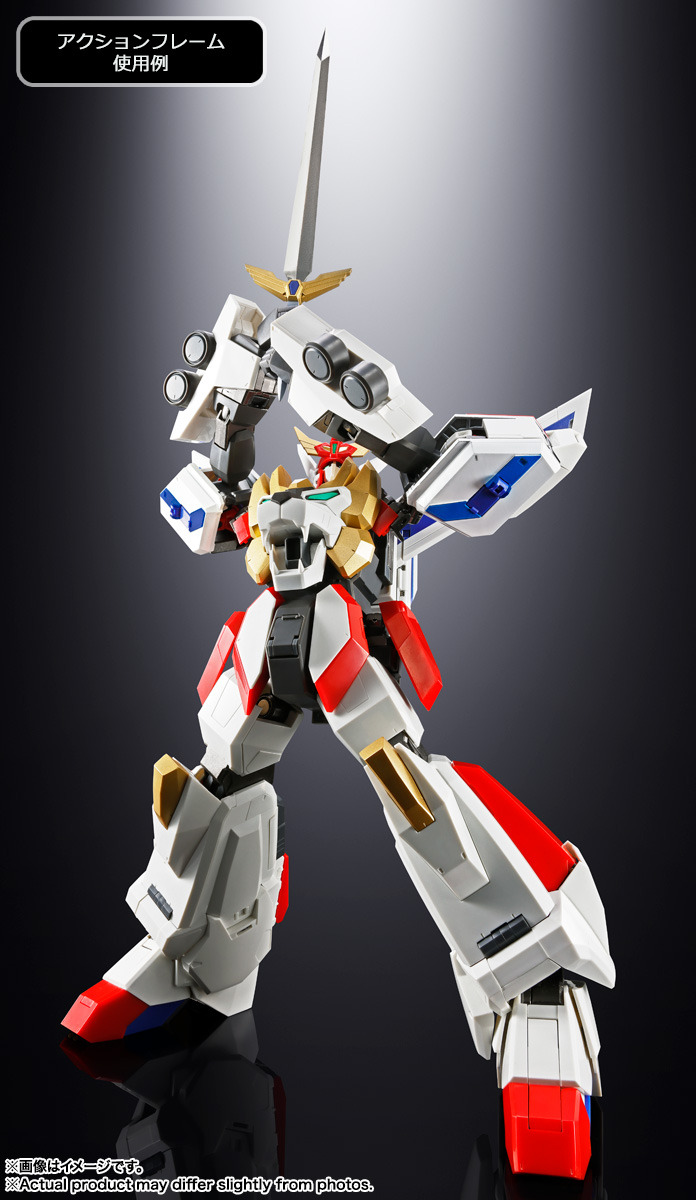
Conceptually, Gold Lightan is supposed to be a flip-top cigarette lighter that transforms into a robot. He is essentially a box with a head and limbs, and there is only so much you can do with that. He doesn’t have anything to tuck or fold in to give him a more dynamic appearance. If you look at the very first toys, his arms and legs are hilariously small in order to get them to fit.

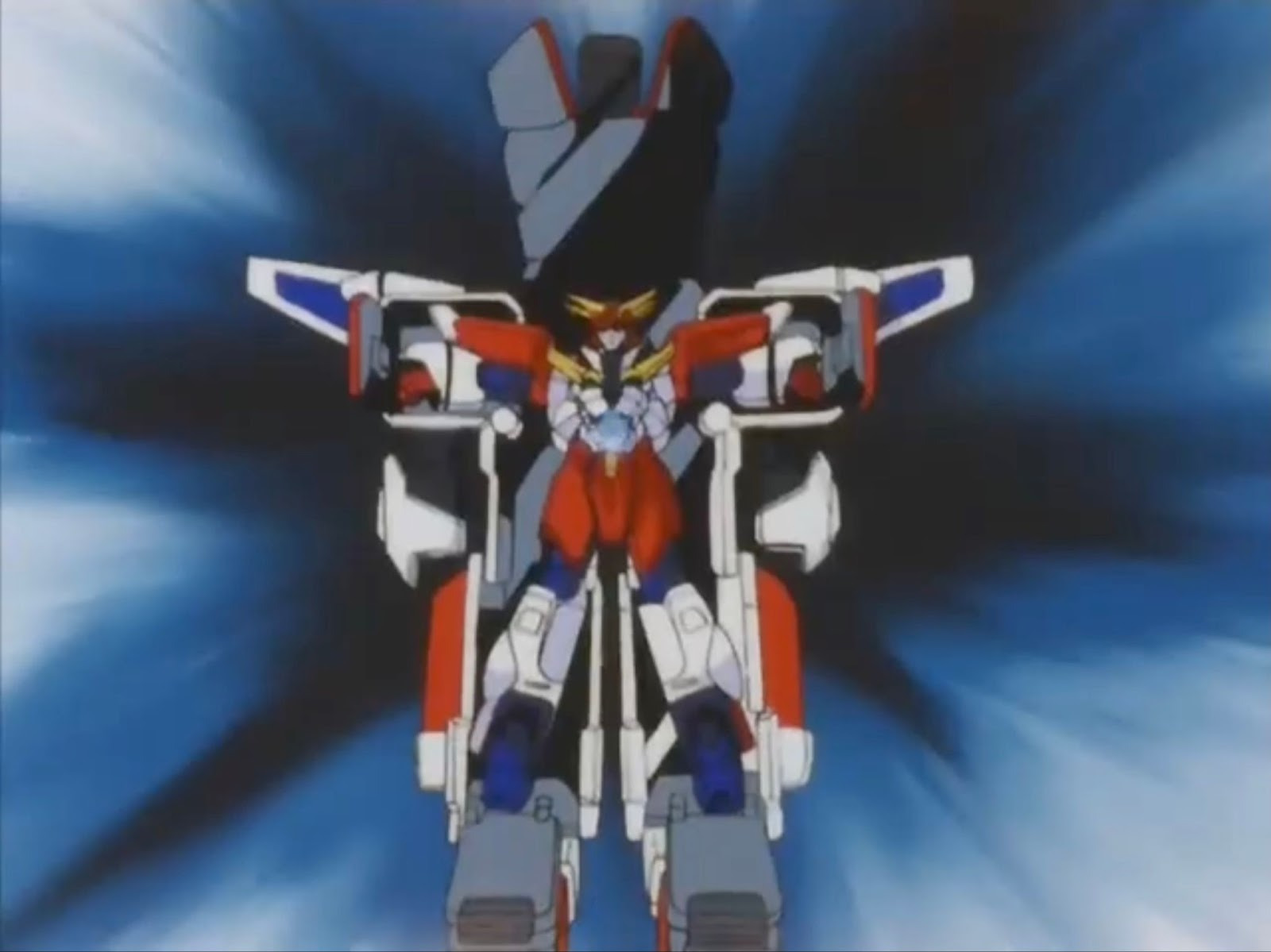
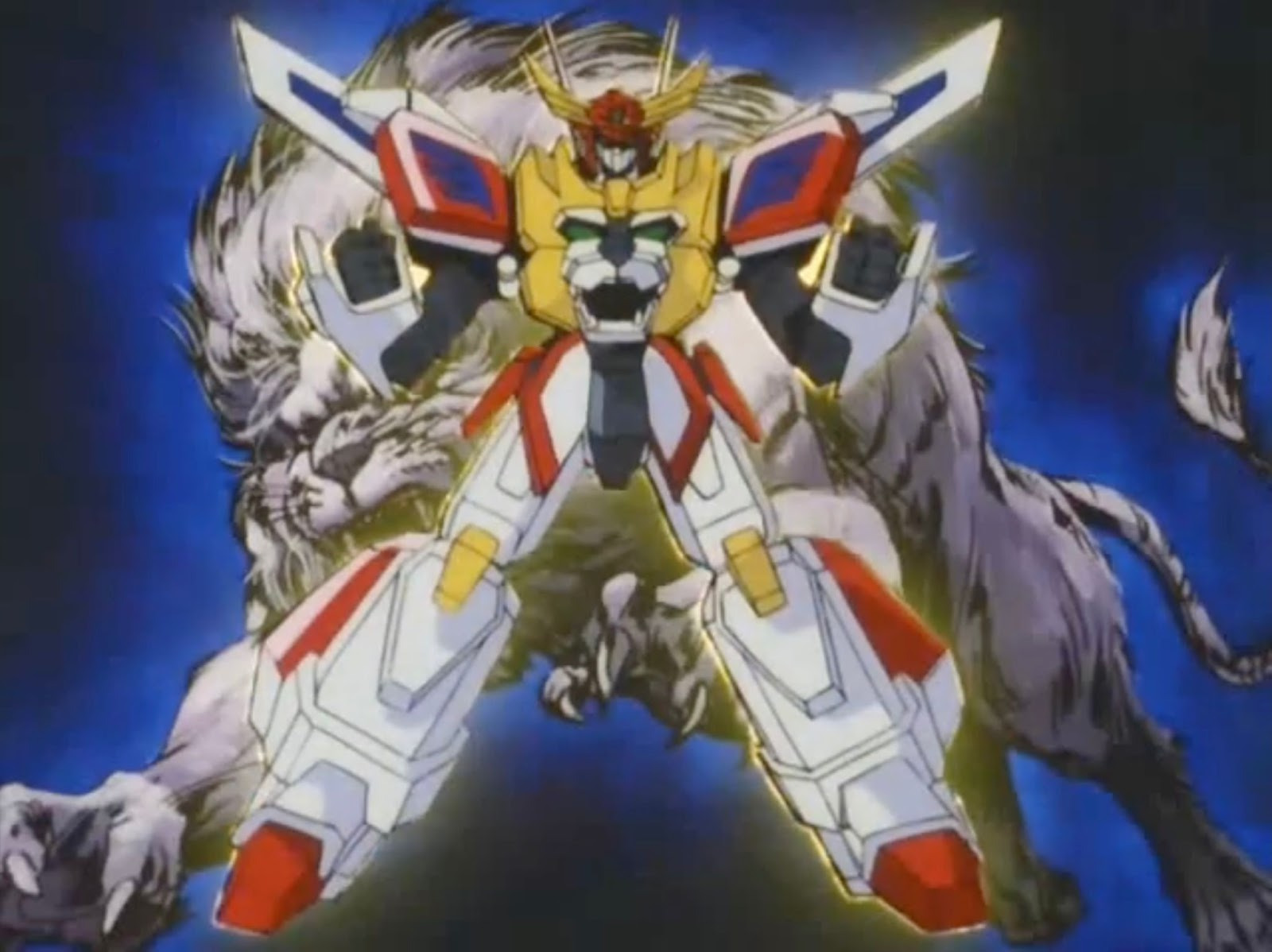
The creators of the anime by Tatsunoko Pro clearly knew this, so they gave Gold Lightan more human proportions. However, if his limbs are that size, they can’t possibly fold into the torso without cartoon magic. The SoC toy compromised by making them longer to somewhat better match the anime, but they’re not thick enough to look good relative to the torso. The “chest” and “gut” stick out so far beyond the head as to be comical.

Then there’s the issue of actual physical texture. The original physical toy had that pattern because it was trying to mimic real cigarette lighters. This would have been a nightmare for the animators, so Gold Lightan in the show is generally portrayed with a bright, flat yellow. However, during close-ups, the anime implies that the textured pattern is still there; it’s just not being rendered most of the time. A toy likely cannot simultaneously achieve both the saturated “gold” of the anime and the look of the original toy/close shots.

The one portrayal of Gold Lightan that managed to achieve something of a visual balance between these two aspects is the Tatsunoko vs. Capcom fighting game franchise, but that’s in terms of non-physical 3DCG without the need to include the cigarette lighter transformation. There’s also the “Full Action” subcategory of the SoC line that eschews transformation and combination functions in favor of extensive poseability, but it’s probably very difficult to give a box with limbs and no waist the “Obari Masami” that defines the FA entries.

Consequently and perhaps more than any other Soul of Chogokin, the design of Gold Lightan prioritizes its toy-friendly qualities over everything else. It’s as if they abandoned any hope of making it look exciting. And let’s be real: Even if they managed to make it look just like the anime, it’s not like that animated design is all that exciting either. The appeal is precisely because Gold Lightan is so ugly and weird, that it is a curio that makes you wonder who even thought it was a good idea. 

Gold Lightan is awesome.

DX Soul of Chogokin Mechagodzilla: A Celebration of a Triumph in Robot Kaiju

When the DX Soul of Chogokin Mechagodzilla figure was announced last year to celebrate the 50th anniversary of Godzilla’s mechanical nemesis, I was drawn to it immediately. The 1974 film Godzilla vs. Mechagodzilla (awkward English dub and all) was a part of my childhood, and seeing this ultra-high-quality representation of the robot menace brought to the surface the realization of just how much I love its design. Between a strong dollar to yen exchange rate, a relatively low cost compared to other figures from the deluxe line (the DX Mazinger Z from thirteen years ago cost twice as much!), and the fact that this Mechagodzilla actually plays its own theme song, this was a must-buy. 

Now that I have it in my hands, it makes me think about why exactly I love the classic Showa Mechagodzilla design so much.

Before I elaborate, I want to briefly talk about my experience with the figure itself. This DX SoC Mechagodzilla is so hefty and filled with diecast metal that it was initially cold to the touch. The paint job is intentionally done to give it a bit of shading and depth, and to make it look unpolished, just like in the movie. The articulation is a bit limited, but the head rotates 360 degrees just like when it’s creating a barrier, and it comes with the requisite sound effects (plus many others). About the only thing I wish it had was the song that plays when the monster first drops its disguise and is revealed in all its terrifying chrome glory, in addition to the main theme. Just playing with this toy affirms how fantastic it is.

The Showa version is also my favorite Mechagodzilla iteration ever, and it’s not just nostalgia at work. As an iconic Godzilla villain, Mechagodzilla has appeared in every era of the movie franchise, and it gets updated to match the times. The Heisei, Millennium, and Monsterverse versions are all cool in their own ways. Yet, they don’t have the same charm. The first two are almost too sleek, and the way they replicate the chest and arm muscles of Godzilla kind of detracts from the aesthetic for me. The last one, I’m not as much of a fan of the silhouette and the Michael Bay Transformers–esque bits and dongles. 

In contrast, the Showa Mechagodzilla has just the right balance of “imperfection” to me, both in its 70s-era idea of “futuristic technology” and the fact that it’s not actually trying to closely adhere to the actual Godzilla’s appearance. This version looks like hunks and sheets of metal riveted together. The cybernetic behemoth mimics the broad strokes of Godzilla’s body but not the finer details. Even the fact that it doesn’t try to match its inspiration’s approach to fighting is something I find appealing—the original Mechagodzilla comes with its own arsenal of rays and missiles, yet it doesn’t even bother to have its own version of Godzilla’s signature atomic breath. And it definitely has my favorite face of them all, one that’s distinct and menacing with its pointed and angular shape. The result is that Mechagodzilla is less about appearing “perfect” and more geared towards the goal of destruction and conquest.

I really do think that the Showa Mechagodzilla design is eternal. It’s identifiably of its era, but I find it to be more timeless than any of its descendants.

Happy Anniversary, Mechagodzilla!

Thinking About Mazinger Legs

I’ve been looking at the Kakumei Shinka Mazinger line from Soul of Chogokin, and the first thing that stood out to me was the legs. They’re slimmer than what immediately comes to mind when I think of Mazinger, and so I decided to just look at other images: anime screenshots, manga images, other toys, etc.

There are two things I’ve noticed. First, the Kakumei Shinka line more closely follows the original manga designs in terms of silhouette. Second, the lower halves of Mazinger’s limbs really run the gamut, from relatively svelte to Popeye-esque.

I don’t know why exactly this variation occurs, but I’d hazard that it’s about the constant push and pull between adhering to the original, appealing to nostalgia, and attempting modernization. The first Soul of Chogokin was the realization of a concept: high-end toys for the child fan who has grown up. It reflects a goal of looking more mature. The GX-07 is based on the Mazinger Z from the 90s Mazinkaiser OVAs, where it has some 90s flourishes but isn’t supposed to be the absolute unit that Mazinkaiser is. Other versions, like those based on Shin Mazinger and Mazinger Z: Infinity take their own angles as well.

I think I prefer the ones with a bit more heft, but I definitely find a certain charm in the manga/70s anime look. It gives Mazinger Z (and Great Mazinger) a more human feel that’s more superhero than weapon. 

So, to any readers, I have to ask: What are your favorite Mazinger legs?

The Winter of Our (Dis)Content: Ogiue Maniax Status Update for January 2022

Happy New Year! As I say that, 2022 is off to an unusual start.

On the blog side, there’s been an issue with many of my older posts because the web hosting I used for many of the images has been down for the past month (and possibly more). I hope I can get it fixed sooner rather than later, but the hosting has been unresponsive. Fortunately, most of the content is primarily text, so even as many of the illustrative pictures are not displaying, there’s still plenty to read, if you want to check out the archives.

But of course, any and all web space woes pale in comparison to the unprecedented level of infection that the Omicron variant of COVID-19 has brought. Last month, I wondered if I might have to temper my expectations about seeing loved ones in this environment, and that has turned out to be a pretty big understatement. For those living in places with record spikes in infection, I hope you can stay safe and well. Please, please get vaccinated (and boosted if you can), wear a good mask (N95, KN95, KF94, FFP2), and exercise discretion (especially indoors). We can still live our lives, but we should cherish the health of the people around us. While Omicron seems to have a greater ability to infect vaccinated people, it can still be the difference between an unpleasant day and your final one.

I order my masks from Bonafide Masks, but you can get KN95s at a Staples or equivalent shop.

Thanks to my patrons here in 2022, especially the following.

General:

Ko Ransom

Diogo Prado

Alex

Dsy

Sue Hopkins fans:

Serxeid

Hato Kenjirou fans:

Elizabeth

Yajima Mirei fans:

Machi-Kurada

Blog highlights from December:

Going Beyond Limits, for Better or for Worse: Anime NYC 2021

My review of Anime NYC 2021 and all its ups and downs. Also check out my convention review of Pompo the Cinephile!

Daitetsujin 17 and the Wonderful Clunkiness of Tokusatsu Soul of Chogokin

A preview of the next Soul of Chogokin figure turns into an analysis of how the toy line handles live-action series.

Fan vs. Fandom

Thoughts on the difference between being a fan of something and participating in a fandom, inspired by someone close to me.

Hashikko Ensemble

Chapter 47 turns out to be the second-to-last! Can’t wait for next month.

Kio Shimoku’s Twitter in December saw him reminiscing about older times.

Closing

In much lighter news, the winter anime season is starting up! I’m still trying to finish stuff from the fall, but in the meantime, I’ve decided on my favorite characters of 2021. Who do you think reigned supreme?

Daitetsujin 17 and the Wonderful Clunkiness of Tokusatsu Soul of Chogokin

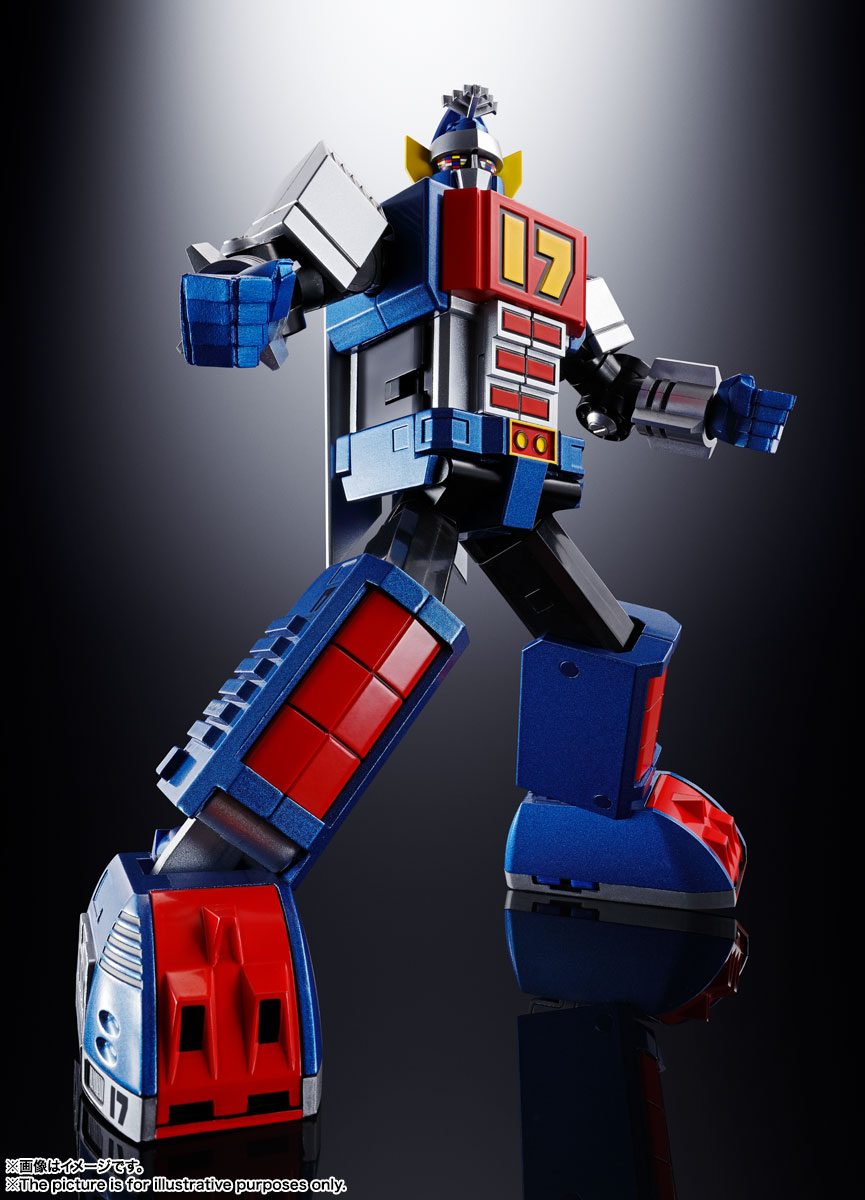
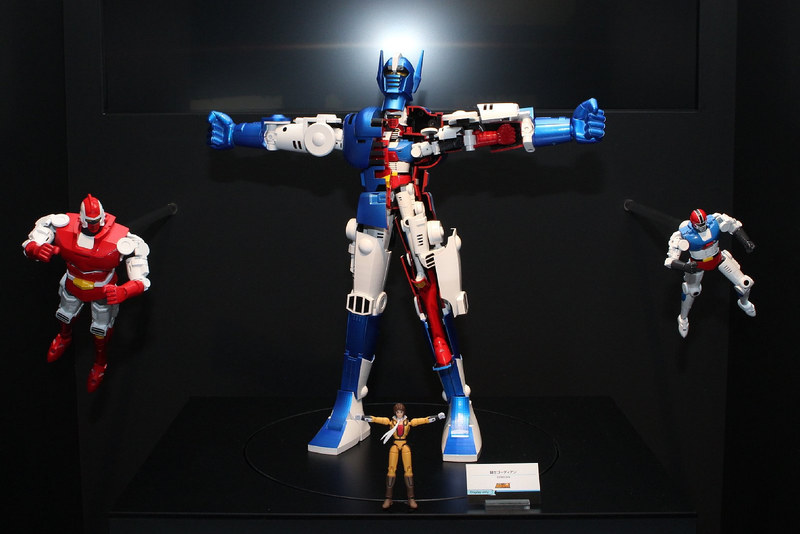
The latest Soul of Chogokin figure was announced last month, and it’s Daitetsujin 17 (pronounced “One-Seven”) from the 1970s tokusatsu series by the same name. It was created by the very father of tokusatsu, Ishinomori Shotaro, and features the classic “little kid remote-controlling” giant robot motif that began with Tetsujin 28. Prior to its release, I never watched any Daitetsujin 17, but I decided to check out the first episode, and what I noticed is that the promo images for the SoC version really capture how the toy is designed with a kind of live-action clunkiness seen in the original program itself.

There’s no doubt that this is highly intentional, as the Soul of Chogokin line is famous for trying to get as close to “show-accurate” as possible. Japanese toy reviewer wotafa stated in his look at the POSE+ METAL Gaogaigar that one of the big things differentiating it from the earlier SoC release was that the latter is more faithful to the anime, while the former looks like “Gaogaigar came back from studying abroad in America.” But in contrast to the myriad anime-derived Soul of Chogokin figures, adapting tokusatsu giant robots like Daitetsujin 17 seems to present another sort of challenge. 

Whereas the anime robots have to reconcile the contradictions between the (mostly) two-dimensional drawings with the three-dimensional realities of the toys themselves, a different conflict is in play. Tokusatsu shows typically have their mecha appear in two different ways: as a model for transforming and such, and as a costume for a suit actor to fight in. A figure whose goal is to bring the source material to life has to balance these two dominating visuals, and from what I can tell, Daitetsujin 17 looks like it succeeds on that front.

But Daitetsujin 17 is not the only live-action robot to get the SoC treatment, and so I started looking at past instances to see if that characteristic tokusatsu-ness is still present. What I found is that, while not as strongly flavored as Daitetsujin 17, that feel is still present to varying degrees. 

The recently released Daileon from Juspion comes from a different era than Daitetsujin 17, but the premium it places on poseability goes to show just how important it is to capture that “guy-in-a-suit” element of the show. Comparing the 3DCG trailer they released to the live-action footage, you can see how much emphasis was put on making sure Daileon could strike all its signature poses, as if to say the very acting of posing defines the feel of Juspion as a whole:

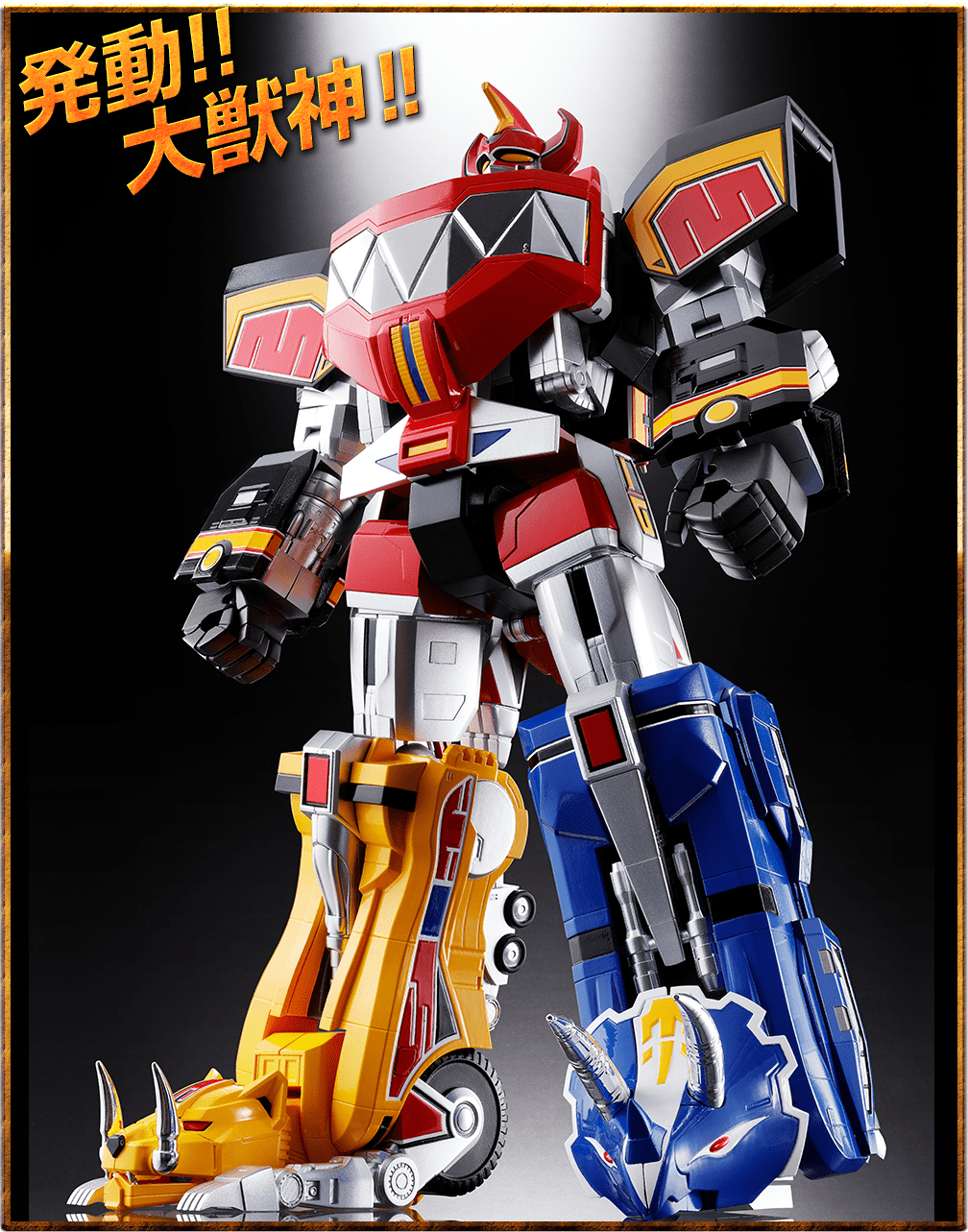
A more popular SoC figure, at least among English-speaking countries, is the Megazord (or Daizyujin) from Mighty Morphin’ Power Rangers. This one looks more like it emphasizes a cool, stocky appearance that’s a bit removed from how the Megazord usually looks in motion. 

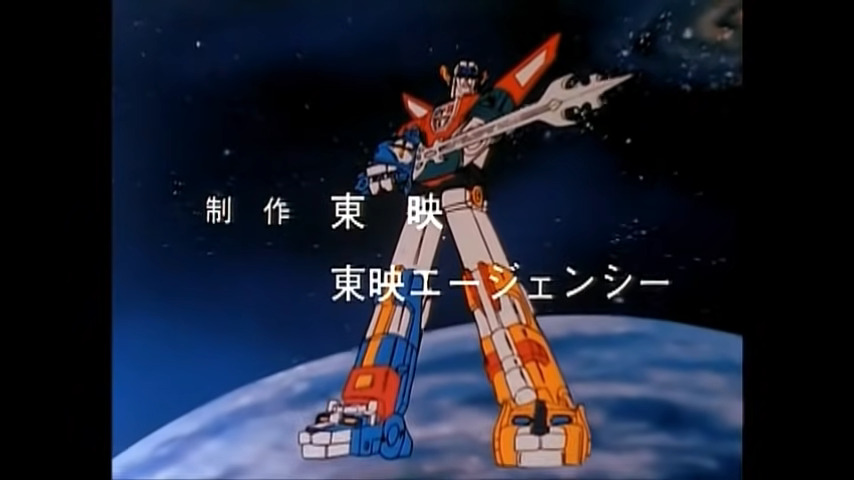
However, when compared to a similar figure released around the same time—Voltron (aka Golion)—the contrast in proportions between the two really drive home how the Megazord was made with different considerations in mind. It’s notable that the SoC Voltron has lankier proportions than its original toy from the 1980s to be more in line with its iconic pose from the anime’s opening.

This trend continues all the way back, whether it’s Leopardon from Toei’s Spider-Man, Battle Fever Robo from Battle Fever J, or King Joe from Ultra Seven.

The Daitetsujin 17 figure seems to most greatly embody the concept of  tokusatsu-faithfulness, and I think that speaks to how far the Soul of Chogokin line has come. Every year, it seems to get more and more impressive, and I have to wonder what they’ll tackle next. Although the Daitetsujin 17 and many of the tokusatsu-based figures aren’t my priority, I find I can appreciate the lengths they’ll go to making the biggest nostalgia bombs possible.

Ju-shin Ly-ger: Ogiue Maniax Status Update for July 2021

Summer 2021 anime is just beginning, and there are plenty of shows I’m looking forward to. Chief among them is Getter Robo Arc, bringing the classic giant robot franchise into the 2020s. I definitely plan on reviewing it once it’s done, but I’m curious to see how it does with a modern-day anime audience.

Speaking of robots, Bandai just announced the GX-100 Soul of Chogokin: Gaiking and Daikumaryu. Coming in at 82,500 yen and measuring about 750mm, it is going to be an impressive hunk of diecast metal. I’m not a super big fan of Gaiking, but I’m looking forward to all the toy reviews.

Also, check out this GX-100 celebration stream featuring Sasaki Isao, singer of Yamato, Gaiking, Getter Robo, and many other classic themes.

Before getting into the posts from the past month, I’d like to thank the following Patreon sponsors:

General:

Ko Ransom

Diogo Prado

Alex

Dsy

Sue Hopkins fans:

Serxeid

Hato Kenjirou fans:

Elizabeth

Yajima Mirei fans:

Machi-Kurada

Blog highlights from June:

20th Century Boys: Pandemics, Conspiracies, and Cults of Personality

How the Urasawa Naoki manga is eerily more relevant than ever before.

BNA: Brand New Animal, Assimilationism, and the Myth of the Model Minority

This series from 2020 continues the trend of socially conscious furry anime.

Little Lady, Big Meals: Kozuma no Kobito no Kenshin Recipe

One of my favorite manga authors, the creator of Mogusa-san, has a new series!

Hashikko Ensemble

Chapter 41 brings the Culture Festival tournament arc to a powerful finish, as well as some surprising insight into the Kimura family.

Kio Shimoku’s Twitter account through June featured a lot of insight into his older work.

Apartment 507

Pui Pui Molcar!

Closing

I mentioned last month that I am fully vaccinated, and it’s given me a new sense of security and freedom I didn’t have before. However, now we have a new COVID-19 variant, the Delta variant, wreaking devastation around the world. It’s also getting a foothold in the US, and I find myself nervous that I’m getting a little too complacent and worrying about trying to neitheo over- or undercompensate for the current situation. Having to balance the psychological happiness that comes from doing things again with some sense of normality with awareness that we are in no way close to getting out of this pandemic reminds me of all the conscious decisions I’ve had to make these past 18 months, and the toll it can take.

That being said, I plan on being at Otakon next month. I’ll be fully masked, and playing it as carefully as I can short of canceling. I hope it’s the right choice.

Soul of Chogokin Gordian vs. Baikanfu and the Matryoshka Robot Legacy

In the world of giant robots, what you see traditionally has not always been what you get. The cool robot that appears in an anime might look significantly different from the toy it’s based on due to the fact that metal and plastic are limited by the physical world in ways drawings are not. The difference between the gimmick-laden early Gundam toys and the more show-faithful model kits that followed is a prime example. This disparity is why the announcement of the Soul of Chogokin Gordian is of particular interest to me, despite me not having much emotional investment.

When it comes to being true to both toy and anime sides, the Soul of Chogokin line of deluxe figures is arguably the best there is, and I have no doubt that they’ll faithfully reproduce the designs from the anime Gordian Warrior. By itself, this would be the story of an obscure 1970s series getting its due in the Soul of Chogokin line, but there’s an extra wrinkle—a child or clone twist, perhaps. There’s actually a robot toy that originally began as a repurposing of the Gordian Warrior line known as Baikanfu (or Vikungfu) from Machine Robo: Revenge of Cronos, and this particular robot was already made into an SoC figure back in 2007. Yet, because the associated anime are so aesthetically different from each other, this practically necessitates two different approaches.

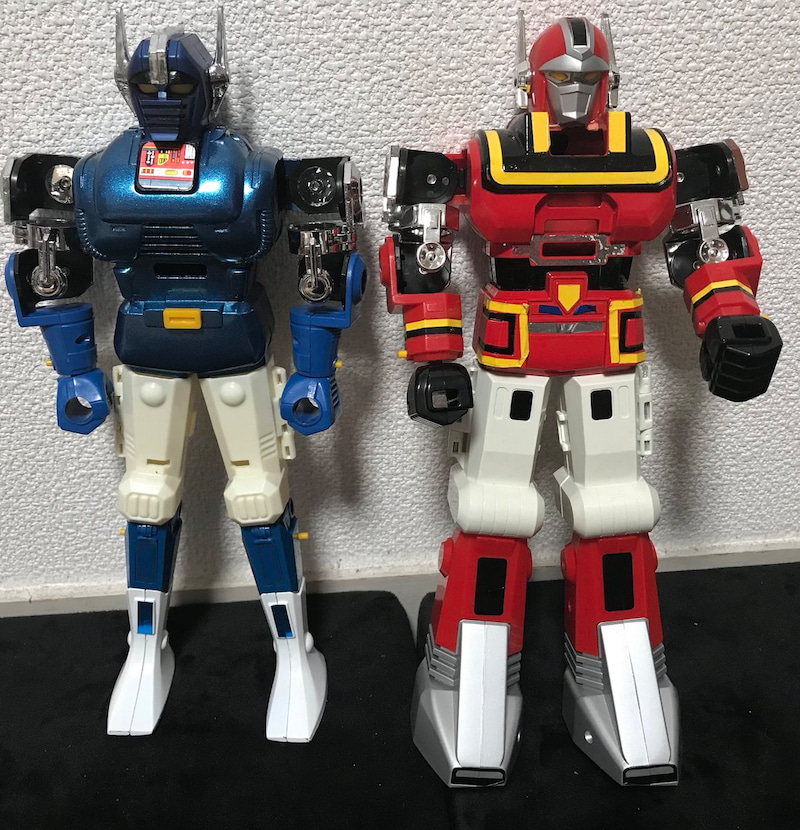
Gordian Warrior has very little presence in the English-speaking world, as its toy came and went as part of the 1980s Godaikin line, and the anime’s only official release (streaming only) was by the now-defunct AnimeSols. Still, one look at the opening is all it takes to understand why the Gordian robots with their Matryoshka doll–like stacking gimmick would be fun and attractive toys. It’s likely why they were revived for Machine Robo: Revenge of Cronos, and when you see the toys from each anime side by side, the connection between the two series is all the more obvious.

But thanks to the magic of art and imagination, these two extremely similar toys end up being portrayed wildly differently on TV. In animation, the three Gordian robots—Protesser, Dellinger, and Garbin—have less exaggeratedly hypermasculine proportions compared to their Revenge of Cronos equivalents, Rom Stohl, Kenryu, and Baikanfu.

Despite Harbin being the biggest robot in Gordian Warrior, its simple blue and white color scheme and its slender body look downright austere compared to Baikanfu. And because the Soul of Chogokin line aims to embrace both the fun of the action figure and the style of the anime, it means getting to see how the same basic toy design ends up interpreted through two different lenses as prestige objects. Where will they differ? Where will they show commonality?

Gordian and Baikanfu are not the only example of designs being reused. One notable example is the Transformer Six Shot, a robot with stuff forms whose toy was repainted and resold as the ninja robot Shadowmaru from Brave Police J-Decker. Like the two stacking robots, Six Shot and Shadowmaru look so different in animation that it’s a surprise to find out their toys are virtually the same.

The Soul of Chogokin Gordian from Gordian Warrior is more than an opportunity for nostalgia, as it’s also a chance to look at how the same line has interpreted it’s design with respect to its spiritual successor in Baikanfu from Machine Robo: Revenge of Cronos. It’s ripe ground for appreciating some smart, nostalgic toy design along with the creative interpretation of toy to anime transitions.

10 Robots that Deserve to Be Soul of Chogokin Figures (Part 2)

Here’s Part 2 of my list of cool super robots that I think should get that Chogokin Damashii treatment. Check it out, tell me which robos you’d love to see!

By the way, here’s Part 1.

10 Robots that Deserve to Be Soul of Chogokin Figures (Part 1)

I love giant robots, and I love seeing them turned into Soul of Chogokin figures. Here’s the first five of 10 that I think should get that Chogokin Tamashii treatment!

New York Comic Con 2016 Essay #1: Voltron, Megazord, and the American Soul of Chogokin

For this year’s New York Comic Con, I’m doing something a bit different with my coverage. Instead of doing a standard con report, with overviews and opinions on panels, artist alley, etc., I’m going to be writing a series of essays based on things I saw at NYCC 2016. Think of it like extended thought exercises and musings inspired by the con.

soc-voltron

As someone who loves giant robots, one of the highlights of New York Comic Con 2016 had to be the dual displays of Soul of Chogokin Voltron and Megazord. Created as high-end poseable figures with plenty of metal, show-accurate proportions and transformations, and as much articulation as their designs can allow, when something joins the Soul of Chogokin line it is like a rite of passage. It’s the pinnacle of mecha toys, and any fans of either robot likely already has them on their radars. Seeing them together, however, made me think about their significance to both American fans and the people responsible for the Soul of Chogokin line. These figures represent not only the fulfillment of childhood dreams, but are indicative of the complex interactions between nostalgia and specific cultural contexts.

Although I personally do not view Voltron or Megazord with the kind of near-religious fervor that grips so many other fans (granted Voltron was the show that introduced me to giant robots), I couldn’t help but be impressed by their designs. They’re both large, clearly very hefty, and capture well the particular quirks of both robots, perhaps even to the point that it would be jarring. For example, Voltron can look a little too squat, until you realize that it actually reflects the original design well, and the main reason we see it as being perhaps slightly lankier in proportions is because the iconic images of Voltron tend to be upward perspective shots.

Above each of the displays was a painting of the robot below, with a little information card on the side to provide some extra insight on the artist who provided them, Nonaka Tsuyoshi. Reading these, what caught my attention was that not only was Nonaka responsible for the original Megazord design, but he was also the man responsible for starting the Soul of Chogokin line in the first place! In a way, the birth of the Soul of Chogokin Megazord can be viewed as Nonaka’s homecoming.

soc-megazord

There was another detail that I found even more notable. When describing Nonaka’s founding of the Soul of Chogokin line, the card stated that the toys were born out of his desire to celebrate the giant robots of his own youth, such as Mazinger Z. They were what inspired him, and so he in turn has given them the star treatment. Extending this line of thought, one can view Voltron and the Megazord as essentially the “Mazinger Z’s of America.” Many countries are introduced to super robots differently, and in the case of the US these two in particular are deeply woven into the fabric of pop culture. Remember, the original Japanese version of VoltronKing of Beasts Golion, isn’t a particularly notable show. Zyuranger, the show that would become Mighty Morphin’ Power Rangers, is beloved among Super Sentai fans, but is considered one of many good iterations. In the United States, however, these robots are integral to introducing generations of kids to the wide world of mecha. Thus, the Soul of Chogokin line is doing what it was originally meant to, only in another cultural context.

Thinking further about the iconic aspect of Voltron and the Megazord, it’s fascinating just how lasting their presence is relative to the shows they came from. For example, because Voltron has that cool look and that place in American broadcast history, it can be remade again and again, most notably in the surprise hit Voltron: Legendary Defender. What’s even more striking about its presence, however, is that Vehicle Voltron is as absent from pop culture memory as Lion Voltron is enduring. In fact, notice how I’ve only said “Voltron” throughout this essay. I bet that, for many readers, they didn’t even notice that something was odd. There are a number of possible reasons why Lion Voltron is remembered whereas Vehicle Voltron largely is not: Lion Voltron came first, it aired on TV more often, and its colorful characters and overall design are more memorable (mouths for hands and feet!). Whatever the reason, what stands out to me is how fickle and unforgiving mass-nostalgia can be, even if there’s no real “blame” to go around.

Soul of Chogokin Voltron and Megazord are squarely aimed at the US market in a way that I’m not sure previous internationally beloved robots such as Grendizer (for much of Europe) and Voltes V (for the Philippines) previously were. In that respect, I predict this to be the start of a new relationship between Bandai and its potential consumers around the world. Given this potential, I’m rather curious as to what might come next. Perhaps we might someday see Soul of Chogokin representation for a robot that doesn’t even have its origins in Japan.

If you liked this post, consider becoming a sponsor of Ogiue Maniax through Patreon. You can get rewards for higher pledges, including a chance to request topics for the blog.