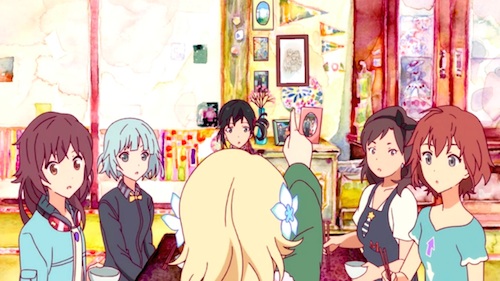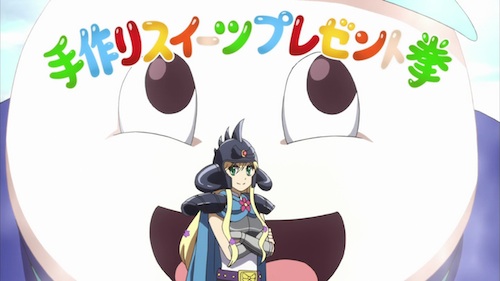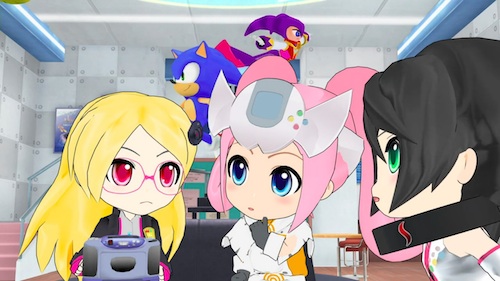
A couple of cool podcasts, Anime World Order and GME Anime Fun Time, recently released their reviews of Hi-sCoool! SeHa Girls, a bizarre, low-budget 3DCG anime about personified Sega game consoles from the creators of the incredible gdgd Fairies and Straight Title Robot Anime. As a huge fan of Sega growing up, the show hit all the right spots.
At one point, the AWO crew and guest Heidi Kemps talk about the SeHa Girls ending theme, which they explain is actually the company song for Sega in the 90s, but is sadly left untranslated in the official Crunchyroll release. I decided to take it upon myself to translate the song, only to realize that there is not only a full version of the original song, but that there’s also a full version of the variation used in SeHa Girls as well.
Thus, I present to you a translation of “Wakai Chikara -SEGA HARD GIRLS MIX-.”
A couple of notes: Wakai Chikara, or “Youthful Power,” was the Japanese Sega slogan in the 90s. Similarly, a lot of the quotes spoken in reference to Sega hardware are also advertising slogans.
Title: Wakai Chikara -SEGA HARD GIRLS MIX-
Composed by Wakakusa Kei
(Japanese lyrics taken from here)
Verse 1
知的創造 あふれる 英知
Chiteki souzou afureru eichi
Intelligent creations, overflowing wisdom
共に築こう 豊かな文化
Tomo ni kizukou yutaka na bunka
Together let’s build a flourishing culture
夢と希望は 宇宙(あおぞら)高く
Yume to kibou wa aozora takaku
Dreams and hopes are as high as space (the blue sky)
社会に貢献 我らが使命
Shakai ni kouken warera ga shimei
It’s our mission to contribute to society
明日の創造 生命(いのち)にかえる
Ashita no souzou inochi ni kaeru
Creating tomorrow, changing lives
セガ(SEGA!) セガ(SEGA!) セガ(Fu-!!)若い力
SEGA! (SEGA!) SEGA (SEGA!) SEGA (Fu-!!) Wakai chikara
Sega (Sega!) Sega (Sega!) Sega (Foo!!): Youthful Power
Verse 2
先進技術 絶ゆまぬ 努力
Senshin gijutsu tayumanu doryoku
Leading technology, trustworthy effort
共に目指そう 新たな流れ
Tomo ni mezasou arata na nagare
Together, let us aim for a new current
夢と希望は 海原広く
Yume to kibou wa umibara hiroku
Dreams and hopes are as wide as the ocean
時代の先取り 我らが挑戦
Jidai no sakidori warera ga chousen
Anticipating the times is our challenge
未来の創造 生命(いのち)にかえる
Mirai no souzou inochi ni kaeru
Creating futures, changing lives
セガ(SEGA!) セガ(SEGA!) セガ(Fu-!!)若い力
SEGA! (SEGA!) SEGA (SEGA!) SEGA (Fu-!!) Wakai chikara
Sega (Sega!) Sega (Sega!) Sega (Foo!!): Youthful Power
Spoken Section
「すべての始まり」 SC-3000
“Subete no hajimari” SC-3000
“The beginning of everything” SC-3000
「楽しさいっぱい」 SG-1000
“Tanoshii ippai” SG-1000
“So much fun” SG-1000
「ソフトの数だけ 興奮してね」 SG-1000Ⅱ
“Sofuto no suu dake koufun shite ne” SG-1000II
“Just the amount of software alone is exciting! SG-1000II
「野球もテニスも」 ロボピッチャ
“Yakyuu mo tenisu mo” Robopiccha
“Baseball, and tennis too” Robo Pitcher
「1メガビットの大容量」 マークⅢ
“1 megabitto no daiyouryou” Maaku III
“1 megabit capacity” Mark III
「スーパーゲームメカ」 マスターシステム
“Suupaa geemu meka” Masutaa Shisutemu
“Super game machine” Master System
「時代が求めた16BIT」 メガドライブ
“Jidai ga motometa 16BIT” Megadoraibu
“16BIT: what the times were looking for” Mega Drive
「ワールドワイドでナンバーワン!」 ジェネシス
“Waarudowaido de nanbaa wan!” Jeneshisu
“Number one worldwide!” Genesis
「色いっぱいだよ」 ゲームギア
“Iro ippai da yo” Geemu Gia
“So many colors” Game Gear
「2つの頭脳がドッキング」 テラドライブ
“Futatsu no zunou ga dokkingu” Teradoraibu
“The docking of two brains” Tera Drive
「ゲーム革命!」 メガCD
“Geemu kakumei!” Mega CD
“A gaming revolution!” Mega CD
「高性能ボディコン・ペア」 メガドラ2 メガCD2
Kouseinou bodikon pea” Megadora 2 Mega CD 2
“High-performance body-conforming pair” Mega Drive 2 Mega CD 2
「メガドライブ新次元」 スーパー32X
“Megadoraibu shinjingen” Suupaa 32X
“A new dimension for the Mega Drive” Super 32X
「脳天直撃!」 セガ・サターン
“Nouten chokugeki!” Sega Sataan
“Right in the head!” Sega Saturn
「セーブはお任せ」 ビジュアルメモリ
“Seebu wa omakase” Bijuaru memori
“Leave the saving to me” Visual Memory
「夢を繋いで!」 ドリームキャスト
“Yume o tsunaide!” Doriimukyasuto
“Connect our dreams!” Dreamcast
Verse 3
人社一体 みなぎる闘志
Jinsha ittai minagiru toushi
The people and the company are as one, with overflowing fighting spirit
共に進もう 絆も固く
Tomo ni susumou kizuna mo kataku
Let’s move forward together and solidify our bonds
夢と希望は 永遠(とわ)に尽きない
Yume to kibou wa towa ni tsukinai
Hopes and dreams are never-ending
目標追求 我らが誓い
Mokuhyou tsuukyuu warera ga chikai
Pursuing our goals, that’s our vow
世界の創造 生命(いのち)にかえる
Sekai no souzou inochi ni kaeru
Creating worlds, changing lives
セガ(SEGA!) セガ(SEGA!) セガ(Fu-!!)若い力
SEGA! (SEGA!) SEGA (SEGA!) SEGA (Fu-!!) Wakai chikara
Sega (Sega!) Sega (Sega!) Sega (Foo!!): Youthful Power
—
If you liked this post, consider becoming a sponsor of Ogiue Maniax through Patreon. You can get rewards for higher pledges, including a chance to request topics for the blog.

 Source: